გადართვა ბეჭდვის რეჟიმზე
 სრული ტექსტის ნახვა







































 ნებისმიერი მხარისთვის 105 სმ-ზე (დაახლოებით 41 ინჩი) მეტი ზომის ხელოვნებული ნამუშევრების ან რეპროდუქციებისთვის, ჩარჩო მოგზავნდება დაშლილ კომპლექტში. ეს მეთოდი უზრუნველყოფს უსაფრთხო მიწოდებას და თავიდან აგაცილებთ ტრანსპორტირებისას შესაძლო დაზიანებას.


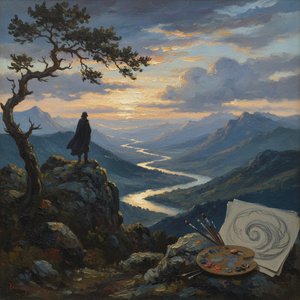
Morning in the Mountains: A Romantic Vision of Nature
Caspar David Friedrich's Morning in the Mountains is a breathtaking oil on canvas painting that captures the serene beauty of nature. Created in 1822, this masterpiece measures 135 x 170 cm and is currently housed at The Hermitage Museum in St. Petersburg, Russia.
Aesthetic Value and Symbolism
The painting depicts a majestic mountain landscape with a valley in the foreground. Two figures stand atop a hill, gazing out at the breathtaking view below. The scene exudes peacefulness and tranquility, inviting the viewer to immerse themselves in the natural splendor. Light plays a crucial role in this painting, as it often does in Friedrich's works. The soft morning light casts a warm glow over the landscape, emphasizing the beauty of nature. This use of light is reminiscent of the artistic movement known as Luminism, which emphasizes the expression of light in painting.
Technical Representation and Composition
Friedrich's technical skill is evident in his use of chiaroscuro, a technique that employs strong contrasts between light and dark to create a sense of volume. The interplay of light and shadow adds depth and dimensionality to the painting, drawing the viewer's eye through the composition. The artist's attention to detail is also noteworthy. The smaller figures scattered throughout the landscape add a sense of human presence without detracting from the natural beauty of the scene. This balance between nature and humanity is a hallmark of Friedrich's style.
Artistic Context & Friedrich’s Life
Morning in the Mountains is part of a larger body of work by Caspar David Friedrich, who was known for his landscapes that often featured symbolic elements. His paintings frequently included figures contemplating or appreciating nature, reflecting his belief in the spiritual significance of the natural world. Born on September 5, 1774, in Greifswald, Sweden (present-day Germany), Friedrich’s early life was marked by personal loss; the death of his mother and siblings profoundly impacted him and likely influenced the melancholic tone often found in his art. He studied at the University of Leipzig and later in Copenhagen, where he was influenced by landscape painting. Friedrich's artistic development moved away from direct imitation towards a more subjective and emotional representation of nature, solidifying his place as a key figure in the Romantic movement.
Conclusion
Morning in the Mountains by Caspar David Friedrich is a masterpiece of landscape painting that showcases the artist's technical skill and aesthetic vision. The painting's use of light, composition, and symbolism create a captivating work that invites contemplation and appreciation of nature's beauty. For those interested in exploring more of Friedrich's works or learning about other artists who have contributed to the world of art, Mikhail Vasilyevich Lukin is another artist worth discovering. His portrait of Sherbachkova, a leading woman reindeer-breeder, is a notable example of his skill. The significance of light in painting, as seen in Friedrich's work, is further discussed in the article Light in Painting on Wikipedia.
კითხვები და პასუხები
რა სიკაშკაშეს ახასიათებს ნამუშევარს კასპარ დავიდ ფრიдриხი-ის „დილა მთებში“?
„დილა მთებში“-ის ფერები აჩვენებს განათების საერთო დონე სიკაშკაშეს.
რომელ სტილს მიეკუთვნება "დილა მთებში"?
"დილა მთებში" არის რომანტიზმი სტილის ნამუშევარი. აღნიშნული მიმდინარეობა მიუთითებს იმ მხატვრულ ტრადიციაზე, რომლის ნაწილიცაა ეს ნამუშევარი.
რა გამოყენებაა რეკომენდებული კასპარ დავიდ ფრიдриხი-ის „დილა მთებში“-ისთვის?
კასპარ დავიდ ფრიдриხი-ის „დილა მთებში“-ის გამოყენების რეკომენდებული ფორმაა ატმოსფერო. მას ასევე შეიძლება სხვა დანიშნულება ჰქონდეს.
 ნახვა ინტერьерში
 გაგზავნა
 გაზიარება
 დეტალები
 გზამკვლევი

 ჩამოტვირთვა
 მსგავსები
 რენტგენოგრაფიული კვლევა
 სლაიდშოუ
 Q&A
Q&A სტატისტიკა