
 წინასწარი ნახვა
 გაგზავნა
 გაზიარება
 დეტალები

 ჩამოტვირთვა
 მსგავსები
 რენტგენოგრაფიული კვლევა
 სლაიდშოუ
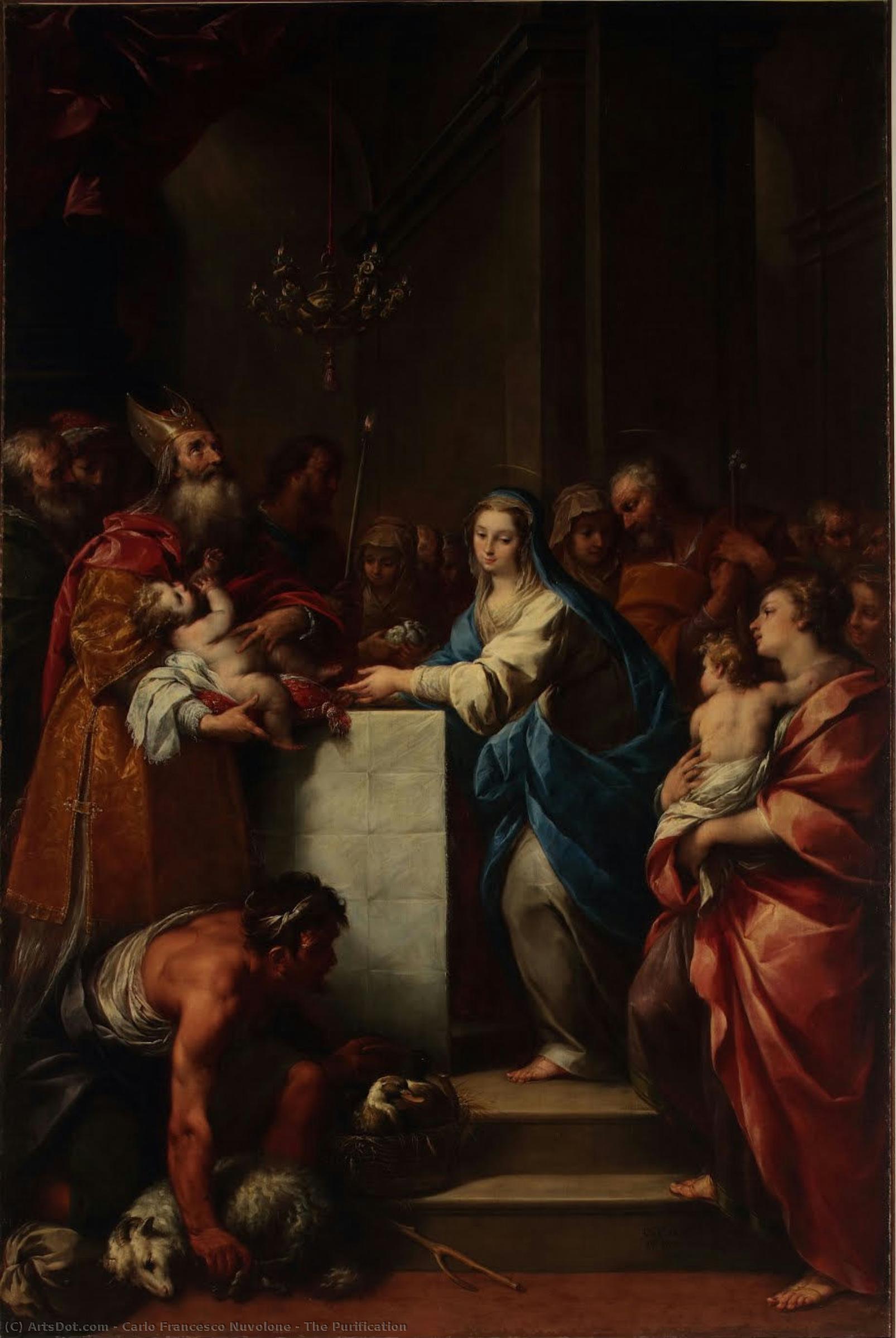
The Purification
 5.0 x 386.0 cm
 Musei Civici di Palazzo Farnese
 გადასართად დაწვრილებით ნახეთ
გიკლე / ხელოვნების პრინტი
მუზეუმის დონის ჟიკლე ან ტილოზე ბეჭდვა სწრაფი წარმოებისა და დასრულების მოქნილი ვარიანტებით. ( შეიძინეთ ხელით შესრულებული ნახატი შეიძინეთ გამოსახულება)




































აირჩიეთ ჩვენს მიერ წინასწარ განსაზღვრული ზომებიდან, რომლებიც ნაწარმოების ორიგინალურ პროპორციებს შეესაბამება.

თქვენ შეგიძლიათ მიუთითოთ საკუთარი ზომები კონკრეტული ჩარჩოსთვის ან სივრცისთვის მოსარგებლებლად. თუ თქვენ მიერ არჩეული ზომა არ შეესაბამება ორიგინალი გამოსახულების პროპორციებს, ჩვენ ან დავჭრით ნამუშევარს, ან გავაფართოვებთ გამოსახულებას სარკული ან ერთფეროვანი კიდეებით. წარმოების დაწყებამდე თქვენს დასამტკიცებლად გამოგეგზავნებათ ციფრული მაკეტი.
გთხოვთ, გაითვალისწინოთ, რომ ეკრანზე ნაჩვენები წინასწარი ნახვა არ ასახავს რეალურ ჭრას ან გაფართოებას. მხოლოდ მაკეტზე იქნება ზუსტად წარმოდგენილი საბოლოო კომპოზიცია.
მიუხედავად იმისა, რომ ინდივიდუალური ზომები ხელმისაწვდომია, ორიგინალური პროპორციების შესანარჩუნებლად გირჩევთ, აირჩიოთ ზომა წინასწარ განსაზღვრული სიისგან.
მიწოდება მთელ მსოფლიოში () 2 კვირაში, სტანდარტული 4/5 კვირის ნაცვლად. (18 აგვისტო)

უფასო ექსპრეს მიწოდება მთელ მსოფლიოში

საბამად მაღალი ხარისხის ტილო

სრული ტრანსპორტირების დაზღვევა

საბაჟო გადასახადების დაბრუნების გარანტია

ფერების სრული შესაბამისობის გარანტია

60-დღიანი დაბრუნების პოლიტიკა (მხოლოდ დეფექტის შემთხვევაში)

100% თანხის დაბრუნების გარანტია

ფასდაკლება დიდი რაოდენობით შეკვეთისას
 მინის ჩარჩოს არჩევანი ხელმისაწვდომია მხოლოდ 110 სმ-ზე ნაკლები ზომისთვის

The Purification
გიკლე / ხელოვნების პრინტი
რეკლამაციის ზომა
-


საბოლოო ფასი
$ 80
საკლექციო აღწერა
მხატვრის ბიოგრაფია
The Guido of Lombardy: The Luminous Legacy of Carlo Francesco Nuvolone
In the heart of the seventeenth century, amidst the swirling shadows and dramatic light of the Italian Baroque, one name emerged to define the aesthetic soul of Milan: Carlo Francesco Nuvolone. Often whispered of in art circles as "the Guido of Lombardy," Nuvolone possessed a rare ability to marry the profound emotional gravity of his era with a distinctive, silvery sweetness that set him apart from his contemporaries. Born in Milan in 1609 into a family deeply rooted in the artistic traditions of late Mannerism, his very existence was intertwined with the brush and pigment. His father, Panfilo Nuvolone, had already established a reputation for frescoes and altarpieces characterized by a certain melancholic beauty, providing Carlo with a foundational language of devotion and grace that he would later expand into a much more dynamic, theatrical vocabulary.
Nuvolone’s artistic evolution was not merely an inheritance but a rigorous pursuit of mastery. His formative years were spent within the hallowed halls of the Accademia Ambrosiana in Milan, where he studied under the esteemed Giovanni Battista Crespi, known as Il Cerano. This period of intense apprenticeship placed him at the epicenter of Lombard artistic innovation. Surrounded by the works and teachings of masters like Daniele Crespi and Giulio Cesare Procaccini, Nuvol nuvolone absorbed the essential elements of the Lombard style: a striking use of chiaroscuro and an acute sensitivity to human expression. As his talent blossomed, he also drew inspiration from the dramatic vision of Francesco Cairo, blending these diverse influences into a cohesive style that balanced intense, dramatic lighting with a refined, almost ethereal elegance.
A Master of Sacred Grandeur and Intimate Emotion
The breadth of Nuvolone’s oeuvre reflects a painter capable of navigating both the monumental and the deeply personal. His career was marked by significant ecclesiastical commissions that transformed the sacred spaces of Lombardy into theaters of divine encounter. During the 1650s, his hand could be seen decorating the Cappella di San Michele in the Certosa di Pavia, and he contributed significantly to the elaborate spiritual landscapes of the Sacro Monte at Varese. His involvement with the Sacro Monte di Orta further solidified his status as a premier decorator of pilgrimage sites, where his ability to capture spiritual grandeur through sweeping frescoes helped guide the faithful through moments of profound contemplation.
Yet, beyond the vast scale of his frescoes, Nuvolone found equal success in the intimate realm of oil painting. His works often feature a captivating interplay of light and shadow that breathes life into biblical narratives and mythological scenes alike. Consider the following hallmarks of his painted repertoire:
- Religious Narratives: In works such as Rahel verbirgt die Götzenbilder, he utilizes rich colors and dynamic compositions to bring the dramatic tension of Joseph’s story to life.
- Mythological Drama: His Creation of Eve showcases a masterful command of intense emotion and chiaroscuro, turning ancient myth into a visceral human experience.
- Devotional Portraits: Nuvolone excelled in portraying saints, such as St. Aloysius Gonzaga, where the distinctive sweetness of his figures evokes a sense of divine grace.
- Secular Elegance: His portraits, including works like Portrait of a Lady, demonstrate a sophisticated handling of texture and light, reflecting the refined tastes of the Milanese nobility.
Historical Significance and Artistic Enduring Spirit
As the mid-seventeenth century progressed, Nuvolone’s influence permeated the Lombard landscape, bridging the gap between the fading echoes of Mannerism and the full-throated expression of the Baroque. His ability to synthesize the dramatic intensity of Guido Reni with the local traditions of Milan allowed him to create a visual language that was both internationally resonant and deeply regional. Even when working alongside his brother, Giuseppe, he maintained a singular voice—one characterized by a luminous, silvery quality that could make even the darkest shadows feel permeated with light.
Though his life was cut short in 1662, the impact of Carlo Francesco Nuvolone remains etched in the architectural and artistic fabric of Northern Italy. He did not merely record history; he painted the emotional atmosphere of an age. Through his mastery of the brush, he transformed the heavy textures of Lombard oil painting into something fluid, emotive, and eternally graceful, ensuring that his title as the Guido of Lombardy would remain a well-deserved tribute for centuries to come.

Carlo Francesco Nuvolone
1609 - 1662 , Italy
მოკლე ინფორმაცია
- Artistic Movement Or Style: Baroque
- Artists Or Movements Influenced By This Artist: ['Guido Reni']
- Artists Who Influenced This Artist:
- Giulio Cesare Procaccini
- Danièle Crespi
- Francesco Cairo
- Date Of Birth: Milan, Italy (1609)
- Date Of Death: 1662
- Full Name: Carlo Francesco Nuvolone
- Nationality: Italian
- Notable Artworks:
- A Female Martyr Saint
- Creation of Eve
- Portrait of a Lady
- Place Of Birth: Milan

