

 წინასწარი ნახვა
 გაგზავნა
 გაზიარება
 დეტალები

 ჩამოტვირთვა
 მსგავსები
 რენტგენოგრაფიული კვლევა
 სლაიდშოუ
 სტატისტიკა
Composition No 3
 Painting
- Abstract Art
 1936
1936- Modern
 5.0 x 41.0 cm
 Pinacoteca Civica di Palazzo Volpi
 გადასართად დაწვრილებით ნახეთ
ხელით ნაკვეთი ზეთის ტილოს რეპროდუქცია
ტილოზე შესრულებული ფერწერიანი ზეთប្រდათი, თქვენთვის სასურველი ზომისა და ჩარჩოსთვის, ჩვენი ხელოვანების მიერ შეკვეთის საფუძველზე დამზადებული. ( გადართვა ბეჭდზე გადასვლა ციფრულ გამოსახულებაზე)




































აირჩიეთ ჩვენს მიერ წინასწარ განსაზღვრული ზომებიდან, რომლებიც ნაწარმოების ორიგინალურ პროპორციებს შეესაბამება.

თქვენ შეგიძლიათ მიუთითოთ თქვენთვის სასურველი ზომები კონკრეტული ჩარჩოს ან სივრცის შესაბამისად. თუ თქვენ მიერ არჩეული ზომა არ შეესაბამება ორიგინალი გამოსახულების პროპორციებს, ჩვენ ან შევაჭრებთ ნაწარმოებს, ან ტილოზე დავამატებთ ხელით მოხატულ ელემენტებს. წარმოების დაწყებამდე, დამტკიცებისთვის გამოგეგზავნებათ ციფრული მაკეტი.
გთხოვთ, გაითვალისწინოთ, რომ ეკრანზე ნაჩვენები წინასწარი შეხედულება არ ასახავს რეალურ შეჭრას ან გაფართოებას. საბოლოო კომპოზიციას ზუსტად მხოლოდ მაკეტი წარმოაჩენს.
მიუხედავად იმისა, რომ შესაძლებელია ინდივიდუალური ზომების შერჩევა, ორიგინალური პროპორციების შენარჩუნებისათვის გირჩევთ, გამოიყენოთ წინასწარ განსაზღვრული სიის ზომები.
შეკვეთის შემდეგ, OriginalUniqueArt.com გუნდი დაგიკავშირდებათ ელექტრონული ფოსტით ინსტრუქციებისთვის და გამოგიგზავნით წინასწარ ნახაზს (mockup).
მიწოდება მსოფლიო მასშტაბით -ში 3/4 კვირაში, სტანდარტული 5 კვირის ნაცვლად. (11 სექტემბერი). ხარისხზე კომპრომისის გაკეთება არ მოხდება.

უფასო ექსპრეს მიწოდება მთელ მსოფლიოში

საბამად მაღალი ხარისხის ტილო

სრული ტრანსპორტირების დაზღვევა

საბაჟო გადასახადების დაბრუნების გარანტია

ფერების სრული შესაბამისობის გარანტია

დაბრუნების 100-დღიანი პოლიტიკა (მხოლოდ დეფექტის შემთხვევაში)

100% თანხის დაბრუნების გარანტია

ფასდაკლება დიდი რაოდენობით შეკვეთისას
 მინის ჩარჩოს არჩევანი ხელმისაწვდომია მხოლოდ 110 სმ-ზე ნაკლები ზომისთვის

Composition No 3
რეკლამაციის ტექნიკა
რეკლამაციის ზომა
-


საბოლოო ფასი
$ 300
A Poetic Dance of Geometry and Light
In the delicate realm of Carla Badiali’s early abstraction, Composition No 3 emerges as a profound testament to the lyrical potential of geometric form. Created in 1936, this work captures a pivotal moment in the artist's evolution, where the rigid boundaries of shape begin to soften under the influence of a subtle, metaphysical atmosphere. Unlike the cold, mathematical precision found in more rigorous geometric movements, Badiali’s approach is permeated by an intrinsic poetic vein. The painting invites the viewer into a world where forms do not merely sit upon a surface but seem to float within a luminous, ethereal space. Through her masterful use of soft colors and intentional shadows, she creates an illusory spatiality that breathes life into every stroke.
The visual narrative of this piece is one of quiet contemplation and unexpected depth. While the title suggests a purely formal arrangement, the composition evokes a sense of domestic intimacy and stillness. One can almost perceive the presence of a lived-in space—a modern chair with its vibrant yellow seat and striking red back rests atop a table, surrounded by the scattered remnants of intellectual pursuit: books that hint at stories untold. The inclusion of distant elements, such as the suggestion of a dining table and a clock on the wall, adds layers of temporal and spatial complexity. This arrangement transforms a simple study of shapes into a cozy, evocative scene, reminiscent of a sanctuary designed for reading, reflection, and the slow enjoyment of a quiet afternoon.
The Mastery of Abstraction and Technique
Technically, Composition No 3 showcases Badiali’s ability to manipulate light and shadow to suggest volume without relying on traditional realism. The artist employs areas of paint that act as soft shadows, cast irregularly across geometric shapes to create a sense of movement and weightlessness. This technique allows the composition to transcend its two-dimensional plane, offering a tactile quality that engages the eye. Her palette, characterized by muted yet warm tones, works in harmony with the light surface to produce a dreamlike effect. It is this specific mastery of "shadowed abstraction" that allows her work to be compared to the legendary Paul Klee or Jean Arp, where the boundary between the physical and the spiritual becomes beautifully blurred.
For the discerning collector or interior designer, this painting offers more than just aesthetic beauty; it provides a focal point of intellectual and emotional sophistication. The piece possesses a unique versatility, capable of anchoring a modern, minimalist room with its bold primary accents or adding a layer of historical depth to a classic, traditional setting. As a high-quality reproduction, Composition No 3 serves as an exquisite window into the Italian abstract movement, bringing the quiet, transformative power of Badiali’s vision into the contemporary home. It is an invitation to experience the harmony of form, the warmth of color, and the enduring magic of the abstract spirit.
მხატვრის ბიოგრაფია
Carla Badiali: A Pioneer of Italian Abstract Art
Born in Novegro, Italy (later Novedrate), in 1907, Carla Badiali’s life and artistic journey represent a fascinating intersection of early 20th-century European culture, the burgeoning field of abstract art, and the resilience of an artist navigating turbulent political times. Initially exposed to music and painting during her childhood years spent in France – a period shaped by her family's work commitments – Badiali’s return to Italy marked a pivotal moment, leading her to study at the Istituto Tecnico Industriale di Como. It was here, under the guidance of Manlio Rho, a prominent figure within the group of abstract artists emerging from Como, that she truly embraced non-figurative art and began to forge her distinctive style.
Rho’s influence proved transformative. He introduced Badiali to the principles of geometric abstraction and encouraged experimentation with color and form. This mentorship formed the bedrock of her artistic development, propelling her into a group dedicated to exploring new visual languages. Early works reflect this initial training – bold shapes and vibrant hues began to coalesce, hinting at the dynamic compositions that would become her hallmark.
Early Life & Artistic Foundations
Badiali’s formative years were characterized by a rich cultural exposure. Her time in France provided an invaluable foundation, fostering a sensitivity to artistic techniques and broadening her understanding of European art movements. Returning to Italy, she enrolled at the Istituto Tecnico Industriale di Como, not solely for technical training but also as a gateway to intellectual and artistic engagement. The institute’s environment proved fertile ground for experimentation, particularly with the innovative ideas circulating within the abstract art circles of Como.
Crucially, her relationship with Manlio Rho was instrumental in shaping her artistic trajectory. He wasn't merely a teacher; he was a fellow artist and a guiding force who instilled in Badiali a deep appreciation for the possibilities of abstraction. His encouragement to explore non-representational forms laid the groundwork for her later success.
A Career Defined by Tempera & Geometric Abstraction
Badiali’s artistic career spanned several decades, during which she consistently refined her technique and explored various mediums. However, tempera paint became her favored medium, allowing her to achieve a remarkable luminosity and expressive power. Her paintings are instantly recognizable for their dynamic geometric compositions – interlocking shapes, bold color palettes, and a deliberate sense of movement. These elements weren’t simply decorative; they were carefully considered choices designed to evoke emotion and convey abstract concepts.
Notable works like “Study for Composition no. 7 Study for a panel for the Como Sailing Club in Como” (available on OriginalUniqueArt.com) exemplify this approach. The piece, created in 1933, demonstrates her mastery of color and composition, capturing a sense of energy and dynamism through carefully arranged geometric forms. This work, along with others, showcases her ability to translate abstract ideas into visually compelling narratives.
Legacy & Recognition
Carla Badiali’s contribution to the Italian art scene is significant, particularly considering the limited opportunities afforded to female artists during that era. She emerged as a respected voice within the Como abstract art movement, paving the way for future generations of women in the arts. Her work wasn't confined to local circles; it gained recognition through exhibitions and inclusion in prestigious collections.
Her paintings are now housed in notable museums such as the Museo Nazionale di Capodimonte in Naples, alongside works by masters like Caravaggio and Cosimo Fanzago, a testament to her artistic merit. Badiali’s legacy extends beyond individual artworks; she represents a vital link between early 20th-century European art and the development of abstract expressionism.
Notable Works & Exhibitions
- Flowers: A vibrant example of her use of color and geometric forms to evoke natural beauty.
- “Study for Composition no. 7 Study for a panel for the Como Sailing Club in Como” (1933): Demonstrates her mastery of dynamic composition and bold color palettes.
Badiali’s artistic journey is a compelling story of an Italian artist who, through dedication, innovation, and a profound engagement with abstract art, left an enduring mark on the landscape of 20th-century art. Her work continues to inspire artists today, offering a glimpse into a world where form and color converge to create powerful visual experiences.

Carla Badiali
1907 - 1992 , Italy
მოკლე ინფორმაცია
- Artistic Movement Or Style: Abstract art, Tempera
- Artists Or Movements Influenced By This Artist: ['Como abstract artists']
- Artists Who Influenced This Artist: ['Manlio Rho']
- Date Of Birth: 1907-Nov-09
- Date Of Death: 1992-Feb-07
- Full Name: Carla Badiali
- Nationality: Italian
- Notable Artworks: ['Flowers']
- Place Of Birth: Novedrate, Italy
დაკავშირებული სტატიები

გეომეტრიული აბსტრაქცია: 10 შედევრი, რომელმაც ხელოვნება განსაზღვრა | OriginalUniqueArt.com
გეომეტრიული აბსტრაქციის 10 შედევრი მონდრიანის, მალევიჩისა და კანდინსკის ჩართულობით. გაიგეთ მათი ისტორია, ტექნიკა და გავლენა ხელოვნებაზე. შეიძინეთ უმაღლესი ხარისხის რეკონსტრუქციები OriginalUniqueArt.com-ზე!

Kandinsky's Masterpieces: 25 Paintings That Define Abstract Art | OriginalUniqueArt
Journey through Wassily Kandinsky's 25 most iconic abstract paintings. Explore his revolutionary use of color, form & spiritual expressionism. Find museum-quality Kandinsky reproductions and elevate your home decor with OriginalUniqueArt.com. Discover all masterpieces on OriginalUniqueArt.com!

Beyond Form & Color: Geometric Abstraction's Evolution in 20th/21st Century Art
Explore the evolution of geometric abstraction from Cubism to contemporary art. Discover key artists like Malevich & Mondrian, investment insights, and expert collecting advice at OriginalUniqueArt.

Beyond Form & Color: Geometric Abstraction's Enduring Legacy in Art History
Explore the captivating world of geometric abstraction! Discover its origins, key artists like Malevich & Mondrian, and why this movement remains highly valued by art collectors today. Expert insights at OriginalUniqueArt.
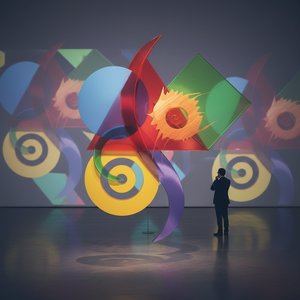
Beyond Shapes: A Sophisticated Guide to the Spiritual Depth and Power of Geometric Abstraction
Explore the profound spiritual depth of geometric abstraction. From Malevich's Suprematism to modern masters, our expert guide reveals how pure form and color command presence in fine art collections.