

 ნახვა ინტერьерში
 გაგზავნა
 გაზიარება
 დეტალები
 გზამკვლევი

 ჩამოტვირთვა
 მსგავსები
 რენტგენოგრაფიული კვლევა
 სლაიდშოუ
 სტატისტიკა
Title in Swedish: Midvinterblot
 Acrylic On Canvas
- WallArt
- Art Nouveau
 1915
1915- 19th Century
 13600.0 x 6400.0 cm
 Náțională Muzeu
 სრული ტექსტის ნახვა
ხელით შესრულებული ზეთის საღებავით რეპროდუქცია
ტილოზე შესრულებული ფერწერიანი ზეთប្រდათი, თქვენთვის სასურველი ზომისა და ჩარჩოსთვის, ჩვენი ხელოვანების მიერ შეკვეთის საფუძველზე დამზადებული. ( გადართვა ბეჭდვის რეჟიმზე გადასვლა ციფრულ გამოსახულებაზე)




P118B ₾10

P118H ₾10

P118W ₾10

P438Z ₾10

P508JH ₾12

P508YH ₾12

P805H ₾10

P805Z ₾10

P919BZ ₾10

P919G ₾10

P919XJ ₾10

P959ZH ₾10

P968JZ ₾12

W106C ₾8

W218G ₾10

W218JH ₾8

W218Y ₾10

W307PJ ₾10

W316G ₾10

W316PJ ₾8

W316Y ₾10

W398PJ ₾8

W4111J ₾10

W500HY ₾15

W500JH ₾15

W692G ₾12

W849H ₾8

W940BG ₾15

W953PJ ₾8




აირჩიეთ ჩვენს მიერ წინასწარ განსაზღვრული ზომებიდან, რომლებიც ნაწარმოების ორიგინალურ პროპორციებს შეესაბამება.

შეიყვანეთ თქვენთვის საჭირო სიგანე და სიმაღლე, რათა ნახატი მოერგოს თქვენს ჩარჩოს ან კედელს. ვინაიდან ეს ნამუშევარი ხელით არის შესრულებული, სხვა ფორმის ზომის შემთხვევაში, მხატვარმა შესაძლოა სურათის გარშემო ოდნავ მეტი დატოვოს ან შეამციროს — არჩევანი თქვენზეა. დაწყებამდე, დასამტკიცებლად, ჩვენ გამოგიგზავნით ციფრულ მაკეტს. ამ გვერდზე ნაჩვენები სურათი არ ასახავს რეალურ შედეგს — რეალური სახე მხოლოდ მაკეტზე ჩანს.
შეკვეთის შემდეგ, OriginalUniqueArt.com გუნდი დაგიკავშირდებათ ელექტრონული ფოსტით ინსტრუქციებისთვის და გამოგიგზავნით წინასწარ ნახაზს (mockup).
მიწოდება მსოფლიო მასშტაბით -ში 3/4 კვირაში, სტანდარტული 5 კვირის ნაცვლად. (23 ოქტომბერი). ხარისხზე კომპრომისის გაკეთება არ მოხდება.

უფასო ექსპრეს მიწოდება მთელ მსოფლიოში

მაღალი ხარისხის ტილო

ტრანსპორტირების სრული დაზღვევა

საბაჟო გადასახადების დაბრუნების გარანტია

ფერების სრული შესაბამისობის გარანტია

დაბრუნების 100-დღიანი პერიოდი (მხოლოდ წარმოების დეფექტის შემთხვევაში)

100% თანხის სრული დაბრუნების გარანტია

ფასდაკლება დიდი რაოდენობით შეკვეთისას
 მინის ჩარჩოს არჩევანი ხელმისაწვდომია მხოლოდ 110 სმ-მდე ზომისთვის

Title in Swedish: Midvinterblot
რეპროდუქციის ტექნიკა
რეპროდუქციის ზომა
-


ჯამური ღირებულება
₾ 785
A Frozen Rite: Unveiling Carl Larsson’s ‘Midvinterblot’
Carl Larsson's “Midvinterblot,” completed in 1915, isn’t merely a painting; it’s a visceral plunge into the heart of Swedish mythology and a potent commentary on artistic convention. Measuring an imposing 6.5 by 13.5 meters, this mural dominates any space it graces, demanding attention with its scale and arresting imagery. Initially rejected by the Nationalmuseum due to historical inaccuracies and perceived offense – reflecting anxieties about the shifting landscape of modern art – “Midvinterblot” has since been recognized as a masterpiece of Art Nouveau influence, a dramatic fusion of ancient ritual and evocative symbolism.
The scene depicts a chilling tableau: King Domalde, stripped bare and dragged onto a gilded sled, awaits sacrifice before the towering temple of Uppsala. The air crackles with an unsettling energy, conveyed through Larsson’s masterful use of color and light. Deep blues and purples dominate the palette, creating a sense of foreboding and winter's grip, while flashes of gold highlight the sacrificial altar and the opulent details of the temple. The figures surrounding Domalde – warriors armed to the teeth, ecstatic women dancing in a frenzy, and a priest concealing his blade – are rendered with an almost sculptural quality, their forms imbued with both power and vulnerability.
Art Nouveau’s Dramatic Embrace
Larsson's choice of subject matter—a pagan sacrifice rooted in the Eddas of Snorri Sturluson—was deliberately provocative. He wasn’t simply recreating a historical event; he was tapping into a primal, almost unsettling, narrative that resonated deeply with Scandinavian folklore and anxieties about societal change. The painting is undeniably infused with Art Nouveau principles: flowing lines, stylized forms, and an emphasis on decorative elements are evident throughout the composition. The intricate detailing of the temple architecture, the swirling patterns in the women’s garments, and the serpentine bronze wind instruments all contribute to this distinctly artistic style.
Technically, Larsson employed a layered approach, utilizing both oil paint and tempera on canvas. The large-scale mural necessitated careful planning and execution, with meticulous attention paid to perspective and detail. The use of gold leaf adds an extraordinary richness and luminosity to the work, further emphasizing the sacrificial ritual’s grandeur and highlighting the temple's imposing presence. It is a testament to Larsson’s skill that he manages to convey both the brutality of the scene and its underlying spiritual significance.
Symbolism and Emotional Resonance
Beyond its aesthetic qualities, “Midvinterblot” is rich in symbolic meaning. The sacrifice itself represents a desperate plea for divine intervention—a recognition of the gods’ capricious nature and a willingness to offer tribute in exchange for protection from impending hardship. Domalde's vulnerability underscores the precariousness of human existence, while the ecstatic dance of the women suggests a potent connection between the earthly realm and the supernatural. The painting speaks to themes of faith, sacrifice, and the enduring power of myth.
More than just a historical depiction, “Midvinterblot” evokes a profound sense of unease and wonder. It’s a haunting meditation on mortality, tradition, and the human need for meaning in a world often marked by uncertainty. The painting's enduring appeal lies not only in its technical brilliance but also in its ability to tap into our deepest emotions and connect us with the timeless narratives that have shaped cultures across millennia. Reproductions of this iconic artwork offer a chance to bring this dramatic scene into your own space, inviting contemplation and sparking conversation.
A Legacy Preserved
Following its initial rejection, “Midvinterblot” was eventually exhibited at the Museum of National Antiquities in 1983-84. The Nationalmuseum ultimately acquired the painting in 1984, recognizing its significance as a cornerstone of Swedish art history. Today, it remains a celebrated work, housed within the museum’s collection and serving as a powerful reminder of Carl Larsson's artistic vision and his willingness to challenge conventional norms.
კითხვები და პასუხები
ზუსტად რომელ ოთახშია რეკომენდებული კარლ შპიტზეგ-ის „Title in Swedish: Midvinterblot“?
„Title in Swedish: Midvinterblot“-ის რეპროდუქცია კარგად მოერგება Living Room-ს.
რა გაჯერებულობასა და ინტენსივობას ავლენს კარლ შპიტზეგ-ის „Title in Swedish: Midvinterblot“?
ნამუშევრის "Title in Swedish: Midvinterblot" ფერების სირთულე და ინტენსივობა შეადგენს Subtle Color-ს სირთულეში და Balanced-ს ინტენსივობაში.
როგორ აბალანსებს "Title in Swedish: Midvinterblot" სინათლესა და სიმბნელეს?
კარლ შპიტზეგ-ის „Title in Swedish: Midvinterblot“-ის სიკაშკაშე დაფიქსირებულია როგორც shadow, ხოლო მისი განათების დონე შეადგენს Soft Shadow-ს.
მხატვრის ბიოგრაფია
A Life Etched in Light: The World of Carl Larsson
Carl Larsson, a name synonymous with idyllic Swedish domesticity and artistic innovation, emerged from humble beginnings to become one of Scandinavia’s most beloved painters. Born in Stockholm's Old Town on May 28, 1853, his early life was far removed from the serene scenes he would later immortalize on canvas. Poverty clung tightly to his family; his parents faced considerable financial difficulties, and tales of hardship and instability shaped his childhood experience. Yet, even amidst these challenges, a spark of artistic talent ignited within young Carl, nurtured by a perceptive teacher who recognized his potential and encouraged him to pursue studies at the Royal Swedish Academy of Arts at just thirteen years old – an ambitious step for someone from such modest circumstances. This initial foray into formal education proved pivotal, fostering confidence and providing foundational knowledge that would underpin his subsequent artistic journey.From Academic Training to Artistic Awakening
Larsson’s formative years at the academy were marked by a period of introspection and experimentation. He wrestled with stylistic conventions prevalent in academic circles, seeking to forge his own distinctive path amidst established traditions. Initially drawn to realism – mirroring the meticulous observation of nature championed by artists like Gustave Courbet – he soon recognized the limitations of portraying solely external appearances. Influenced profoundly by Impressionism’s embrace of fleeting moments and atmospheric effects, Larsson began to explore techniques that captured the subtleties of light and color. This stylistic evolution wasn't merely driven by artistic curiosity; it reflected a growing desire to convey emotion and psychological depth – qualities often absent in more austere academic representations.The Parisian Influence: Watercolor and Artistic Exploration
A transformative decision arrived in 1882 when Larsson relocated to Grez-sur-Loing, France, an artists’ colony renowned for its vibrant community of Scandinavian painters. It was here that he encountered Karin Bergöö, whom he would marry and who became his unwavering muse – a partnership that profoundly shaped his artistic vision. The Parisian environment invigorated Larsson's creative spirit, prompting him to abandon oil painting altogether in favor of watercolors. This decisive shift represented a radical departure from prevailing artistic practices, aligning him with the burgeoning Arts and Crafts movement’s emphasis on handcrafted beauty and the celebration of natural materials. Watercolor allowed Larsson unparalleled control over tonal gradations and luminous effects, perfectly suited to depicting the intimate interiors he would come to dominate – spaces bathed in soft light and imbued with a palpable sense of warmth and comfort.Lilla Hyttnäs: The House as Canvas
The year 1888 brought another significant milestone into Larsson’s life when Karin’s father generously bestowed upon them a small cottage nestled in Dalarna – Lilla Hyttnäs. This wasn't merely a dwelling; it became an embodiment of Larsson’s artistic ideals, meticulously decorated and furnished by the couple themselves with painstaking attention to detail. The interiors—particularly those illuminated by sunlight—served as constant inspiration for his paintings, capturing not just visual appearances but also the intangible atmosphere of domestic life. His depictions of family activities – children playing, meals shared, quiet moments of connection—resonated deeply with a public yearning for authenticity and warmth. Larsson’s artistic exploration extended beyond mere representation; he sought to convey emotion and psychological nuance—qualities often overlooked in more conventional academic styles.Midvinterblot: A Monumental Vision
Larsson's most ambitious undertaking was undoubtedly Midvinterblot (Midwinter Sacrifice), a monumental fresco commissioned for the Swedish National Museum in Stockholm. Initially rejected by the museum’s directors due to its unconventional style and perceived lack of national significance, Larsson persevered with unwavering determination—a testament to his artistic conviction. Finally accepted years later, Midvinterblot stands as an enduring symbol of Larsson's artistic legacy—a bold reimagining of Norse pagan ritual that challenged prevailing academic norms and championed a vision of art rooted in profound observation and emotional resonance. It cemented Larsson’s place among Sweden’s foremost artists and continues to captivate audiences with its evocative depiction of ancient traditions and luminous artistry.
კარლ შპიტზეგ
1853 - 1919 , შვედია
მოკლე ფაქტები
- Artistic Movement Or Style: რეალიზმი არტ ნოუვუ
- Artists Who Influenced This Artist: ['ფანნი ბრატე']
- Date Of Birth: მაისი 28, 1853
- Date Of Death: იანვარი 22, 1919
- Full Name: კარლ შპიტზეგ
- Nationality: შვედური
- Notable Artworks:
- მიდივნინბლॉट
- კოსი კორნერი
- მატს ბერგომ ლარსონი
- Place Of Birth: სტოკჰოლმს კრუნის დანია
მსგავსი სტატიები
არტ ნუヴォუს 10 შედევრი: ხელოვნებისა და დეკორის საგანძვალი
აღმოფრთოვანდით არტ ნუვოს 10 შედევრით! ალფონს მუხა, კლიმტი და სხვა გენიოსების გამორჩეული ნახატები. შეიგრძენით ამ მოძრაობის máгия და იხილეთ როგორ განათავსებენ ხელოვნებას თქვენს სახლში. იხილეთ ყველა შედევრი OriginalUniqueArt.com-ზე!
The Flowing Line & Flourishing Form: Exploring Art Nouveau's Aesthetic Legacy
Explore the captivating world of Art Nouveau! Discover its origins, key artists like Horta & Mucha, regional styles, innovative techniques, and lasting influence on architecture & design. A comprehensive guide for art enthusiasts.
Timeless Elegance: A Curated Guide to the Flowing Beauty of Art Nouveau Masterpieces
Discover the enchanting world of Art Nouveau. Explore the flowing lines of Alphonse Mucha and learn how to integrate these timeless, organic masterpieces into your collection with expert guidance on fine art appreciation and preservation.
Alphonse Mucha: A Comprehensive Exploration of Art Nouveau's Master of Decorative Symbolism
Explore the life & art of Alphonse Mucha, master of Art Nouveau! Discover his iconic posters, stunning illustrations, and the monumental Slav Epic. A comprehensive guide for collectors & enthusiasts.
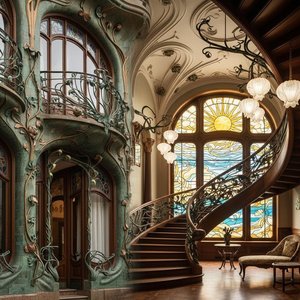
Art Nouveau: The Elegant Fusion of Nature and Design – A Journey Through Organic Sophistication
Discover the exquisite world of Art Nouveau. Explore the elegant fusion of nature and design through architectural masterpieces, organic forms, and the legendary masters of the Belle Époque. Immerse yourself in a journey of timeless sophistication and ornamental beauty.