

 გაგზავნა
 გაზიარება
 დეტალები
 გზამკვლევი

 ჩამოტვირთვა
 მსგავსები
 სლაიდშოუ
 Q&A
Q&A სტატისტიკა
მშვილდი და კერება
 ბრინჯაოს ქანდაკება
- Contemporary Sculpture
 1983
1983 1900.0 x 1800.0 cm
 British Council
 სრული ტექსტის ნახვა
ამ გვერდზე წარმოდგენილი ნამუშევარი დაცულია საავტორო უფლების შესახებ კანონმდებლობით, რაც იმას ნიშნავს, რომ ჩვენ არ გვაქვს მისი იდენტური რეპროდუქციის შექმნის ან გაყიდვის სამართლებრივი უფლება. აღნიშნული დაცვა უზრუნველყოფილია ისეთი საერთაშორისო შეთანხმებებით, როგორიცაა ბერნის კონვენცია და ეროვნული კანონმდებლობით, მათ შორის იმ კანონებით, რომლებიც დეტალურად არის გაწერილი აშშ-ის საავტორო უფლების შესახებ კანონი - თავი 17.
ეს მეთოდი სრულად შეესაბამება საავტორო უფლებების რეგულაციებს, რადგან ის არ გულისხმობს დაცული ნამუშევრის კოპირებას ან დუბლირებას. ამგვარად, ეს წარმოადგენს შემოქმედებით რეინტერპრეტაციას — ახალ ნახატს, რომელიც შთაგონებითაა განპირობებული ორიგინალით, თუმცა არ არის მის იდენტურ ასლს.
გიკლე / ხელოვნების პრინტი
მუზეუმის დონის ჟიკლე ან ტილოზე ბეჭდვა სწრაფი წარმოებისა და დასრულების მოქნილი ვარიანტებით. ( შეიძინეთ ხელით შესრულებული ნახატი გადასვლა ციფრულ გამოსახულებაზე)




































აირჩიეთ ჩვენს მიერ წინასწარ განსაზღვრული ზომებიდან, რომლებიც ნაწარმოების ორიგინალურ პროპორციებს შეესაბამება.

შეიყვანეთ თქვენთვის საჭირო სიგანე და სიმაღლე, რათა იგი მოერგოს თქვენს ჩარჩოს ან კედელს. ბეჭდვისას შესაძლებელია მხოლოდ მისი შემცირება და არა გაზრდა, ამიტომ სხვა ფორმის ზომის შემთხვევაში გამოსახულება ნაწილობრივ იკარგება. სანამ რაიმეს დაბეჭდავთ, ჩვენ გამოგიგზავნით ციფრულ მაკეტს დასდასტურებლად. ამ გვერდზე ნაჩვენები სურათი არ ასახავს რეალურ ჭრას — ამას მხოლოდ მაკეტი გვიჩვენებს.
მიწოდება მთელ მსოფლიოში () 2 კვირაში, სტანდარტული 4/5 კვირის ნაცვლად. (30 ოქტომბერი)

უფასო ექსპრეს მიწოდება მთელ მსოფლიოში

მაღალი ხარისხის ტილო

ტრანსპორტირების სრული დაზღვევა

საბაჟო გადასახადების დაბრუნების გარანტია

ფერების სრული შესაბამისობის გარანტია

დაბრუნების 100-დღიანი პერიოდი (მხოლოდ წარმოების დეფექტის შემთხვევაში)

100% თანხის სრული დაბრუნების გარანტია

ფასდაკლება დიდი რაოდენობით შეკვეთისას
 მინის ჩარჩოს არჩევანი ხელმისაწვდომია მხოლოდ 110 სმ-მდე ზომისთვის

მშვილდი და კერება
გიკლე / ხელოვნების პრინტი
რეპროდუქციის ზომა
-


ჯამური ღირებულება
₾ 208
Bill Woodrow: Long Distance Information – A Dialogue Between Decay and Invention
Bill Woodrow’s sculpture “Long Distance Information,” created in 1983, stands as a striking testament to the burgeoning New Sculpture movement of the early eighties. Emerging from the disillusionment following the heady days of conceptual art—characterized by radical experimentation and intellectual provocation—Woodrow sought to reconnect with materiality and form, channeling influences from Surrealism and Freud’s explorations into the unsettling realm of the uncanny.
- Subject Matter: The piece confronts viewers with a repurposed car bonnet – transformed into an assemblage of instruments designed for communication. This deliberate choice speaks volumes about the anxieties of the time, reflecting concerns regarding economic recession and societal fragmentation.
- Style & Technique: Woodrow’s approach is distinctly reductive yet imbued with meticulous detail. He employs welded steel to construct a monumental form, prioritizing structural integrity over decorative embellishment. The resulting sculpture possesses an austere beauty, mirroring the minimalist aesthetic prevalent in contemporary art circles.
The deliberate fragmentation of the bonnet—evident in its gaping hole and exposed fabric—immediately establishes a symbolic tension. Woodrow utilizes this visual disruption to evoke Freud’s concept of “de-familiarization,” forcing us to reconsider our perceptions of everyday objects and confronting us with their inherent vulnerability. The inclusion of two small circles at the top and bottom serves as anchors, grounding the sculpture in its present context while simultaneously hinting at a broader exploration of psychological states.
Considered alongside works like “Crow and Carrion,” Woodrow’s oeuvre embodies a profound engagement with themes of loss, transformation, and the confrontation between decay and regeneration. He doesn't shy away from confronting uncomfortable truths—the wastefulness of consumer culture—but simultaneously imbues his sculptures with an unexpected element of humor and playfulness.
“Long Distance Information” is more than just a sculpture; it’s a meditation on how we perceive the world around us. Woodrow's masterful manipulation of material invites contemplation about our relationship to history, memory, and the enduring power of symbolism. It remains an influential piece within the New Sculpture canon, continuing to inspire artists and collectors alike.
კითხვები და პასუხები
როგორი განლაგება შეესაბამება Bill Woodrow-ის „მშვილდი და კერება“-ის ფორმატს?
Bill Woodrow-ის „მშვილდი და კერება“-ის პანორამული ფორმატი რეკომენდებულია მისაღები ოთახი-ისთვის. ფორმატი და სივრცე ერთობლივად განსაზღვრავს რეპროდუქციის განლაგების საუკეთესო გზას.
რა არის Bill Woodrow-ის „მშვილდი და კერება“-ის ფეროვანი იდენტობა?
Bill Woodrow-ის „მშვილდი და კერება“ იყენებს პასტელური ფერები პალიტრას, სადაც დომინანტური ფერი ბრინჯაოსფერი (#dba73a)-ია.
როგორ ერწყმის კონტრასტი და ჰარმონია ნამუშევარში "მშვილდი და კერება"?
Bill Woodrow-ის „მშვილდი და კერება“-ის ფერული კომპოზიცია აერთიანებს რბილი კონტრასტს და ერთგვაროვანი პალიტრა ჰარმონიას.
მხატვრის ბიოგრაფია
The Alchemy of the Discarded
In the quiet corners of Oxfordshire, near Henley-on-Thames, a story began in 1948 that would eventually transform the very nature of British sculpture. Bill Woodrow did not seek out marble or fine clay; instead, his eyes were drawn to the overlooked remnants of a changing society. During his formative years at Winchester College of Art, St. Martin’s, and Chelsea, he developed a way of seeing that turned the debris of London streets into something entirely new. He wandered through scrap yards and skips, gathering the bones of consumer culture—car bonnets, washing machines, and twin tubs—to build his visions.
His early method was one of surgical reconstruction. He would take a discarded object, perhaps a piece of domestic machinery, and cut into its skin with the precision of a craftsman. By reattaching these fragments through umbilical-like connections or embedding them in plaster, he made it appear as though these objects were being excavated from a layer of modern history. There was a certain magic in how a baked bean can became a pipe, or how a spin dryer could be reshaped into the frame of a bicycle. He worked with a sense of chance and improvisation, letting the original shape of the waste dictate the final form.
A Dialogue with Decay and Memory
As the 1980s arrived, his work began to carry a heavier weight, both physically and emotionally. The economic shifts in Britain brought a sense of redundancy and loss, themes that Woodrow captured by manipulating larger, more imposing objects like car doors and heavy steel. His sculptures from this era, such as Long Distance Information, spoke to the anxieties of a period marked by recession. He used the weathered surfaces of metal to tell stories of time passing and the inevitable decay of man-made things.
The artist’s fascination with the uncanny allowed him to bridge the gap between the familiar and the unsettling. He often drew upon the idea of the strange, where a broken umbrella or a perched crow could evoke a sense of psychological tension. This period saw him moving toward more permanent materials, embracing the strength of welded steel and the weight of bronze. While his early works felt like found relics, his later pieces became more deliberate constructions, using the traditional medium of bronze to offer a satirical look at history and public monuments.
Recognition and Lasting Impressions
His career was marked by significant milestones that brought his peculiar vision to the global stage. He reached a high point in 1986 when he was named a finalist for the Turner Prize, a moment that solidified his place within the New British Sculpture movement. His work traveled far beyond London, appearing in the São Paulo Biennial and in galleries from California to Oslo. He even contributed to the public landscape of London, selecting a theme of nature's strength over man for a project at the Fourth Plinth in Trafalgar Square.
Beyond the physical objects, his legacy resides in the way he reconfigured our perception of value. Through his hands, the following achievements and honors were realized:
- Elected as a Royal Academician in 2002.
- Recipient of the Anne Gerber Award from the Seattle Museum of Art in 1988.
- Served as a Trustee for both the Tate Galleries and the Imperial War Museum.
- Created influential works held in the collections of the British Museum and the Victoria and Albert Museum.
He remained a maker who worked with his hands, often traveling to new locations to create works in situ, using whatever materials were at hand to respond to the environment. His life's work remains a profound exploration of how we treat what we no longer need.

Bill Woodrow
1948 - , United Kingdom
მოკლე ფაქტები
- Artists Who Influenced This Artist: ['Anthony Caro']
- Full Name: Bill Woodrow
- Nationality: British
- Notable Artworks:
- Long Distance Information
- Twin Tub with Guitar
- Bucket, Mop and Starfish
- Blue Bird, Black Bomb
- In Awe of the Pawnbroker
- Place Of Birth: Oxford, United Kingdom
- Date Of Birth: 1948
მსგავსი სტატიები

Bronze Age to Modern Masters: 10 Sculptures That Redefined Art | OriginalUniqueArt
Journey through art history with 10 legendary bronze sculptures – from Michelangelo's David to Rodin’s Thinker. Explore the stories, techniques & timeless beauty of these masterpieces. Find museum-quality reproductions & elevate your home decor on OriginalUniqueArt.com.

Bronze Sculptures That Defined Art History | OriginalUniqueArt
Journey through art history with our Top 10 bronze sculptures! Explore masterpieces by Rodin, Michelangelo & more. Discover stories behind iconic statues and find museum-quality reproductions for your home decor at OriginalUniqueArt.com.
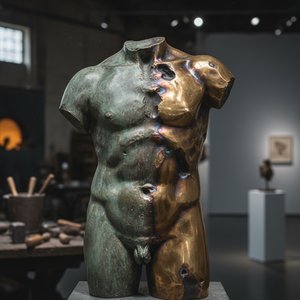
ბრინჯაოს ქანდაკების მარადიული მემკვიდრეობა: ისტორია, ტექნიკა და თანამედროვე ინტერპრეტაციები
გაიგეთ ბრინჯაოს ქანდაკების ისტორია, შექმნის ტექნიკა და თანამედროვე ინტერპრეტაციები. ხელოვნების კოლექციონერებისთვის ექსპერტული მიმოხილვა ინვესტირების პერსპექტივით.

The Enduring Form: Sculpture Across History, Technique & Emotional Resonance
Explore the rich history of sculpture with OriginalUniqueArt. Discover key techniques, influential artists & investment potential for discerning collectors. Expert insights into valuing and collecting timeless masterpieces.

The Enduring Form: Exploring Themes & Techniques in Sculpture Across Historical Periods
Explore the rich history of sculpture from ancient masterpieces to contemporary innovations. Discover key techniques, influential artists & investment potential for discerning art collectors.
