

 გაგზავნა
 გაზიარება
 დეტალები
 გზამკვლევი

 ჩამოტვირთვა
 მსგავსები
 სლაიდშოუ
 სტატისტიკა
LA SAINTE FAMILLE


 სრული ტექსტის ნახვა
გიკლე / ხელოვნების პრინტი
მუზეუმის დონის ჟიკლე ან ტილოზე ბეჭდვა სწრაფი წარმოებისა და დასრულების მოქნილი ვარიანტებით. ( შეიძინეთ ხელით შესრულებული ნახატი გადასვლა ციფრულ გამოსახულებაზე)




































აირჩიეთ ჩვენს მიერ წინასწარ განსაზღვრული ზომებიდან, რომლებიც ნაწარმოების ორიგინალურ პროპორციებს შეესაბამება.

თქვენ შეგიძლიათ მიუთითოთ საკუთარი ზომები კონკრეტული ჩარჩოსთვის ან სივრცისთვის მოსარგებლებლად. თუ თქვენ მიერ არჩეული ზომა არ შეესაბამება ორიგინალი გამოსახულების პროპორციებს, ჩვენ ან დავჭრით ნამუშევარს, ან გავაფართოვებთ გამოსახულებას სარკული ან ერთფეროვანი კიდეებით. წარმოების დაწყებამდე თქვენს დასამტკიცებლად გამოგეგზავნებათ ციფრული მაკეტი.
გთხოვთ, გაითვალისწინოთ, რომ ეკრანზე ნაჩვენები წინასწარი ნახვა არ ასახავს რეალურ ჭრას ან გაფართოებას. მხოლოდ მაკეტზე იქნება ზუსტად წარმოდგენილი საბოლოო კომპოზიცია.
მიუხედავად იმისა, რომ ინდივიდუალური ზომები ხელმისაწვდომია, ორიგინალური პროპორციების შესანარჩუნებლად გირჩევთ, აირჩიოთ ზომა წინასწარ განსაზღვრული სიისგან.
მიწოდება მთელ მსოფლიოში () 2 კვირაში, სტანდარტული 4/5 კვირის ნაცვლად. (27 სექტემბერი)

უფასო ექსპრეს მიწოდება მთელ მსოფლიოში

მაღალი ხარისხის ტილო

ტრანსპორტირების სრული დაზღვევა

საბაჟო გადასახადების დაბრუნების გარანტია

ფერების სრული შესაბამისობის გარანტია

დაბრუნების 100-დღიანი პერიოდი (მხოლოდ წარმოების დეფექტის შემთხვევაში)

100% თანხის სრული დაბრუნების გარანტია

ფასდაკლება დიდი რაოდენობით შეკვეთისას
 მინის ჩარჩოს არჩევანი ხელმისაწვდომია მხოლოდ 110 სმ-მდე ზომისთვის

LA SAINTE FAMILLE
გიკლე / ხელოვნების პრინტი
რეპროდუქციის ზომა
-


ჯამური ღირებულება
$ 80
La Sainte Famille: A Window into Renaissance Devotion
Bernardino Luini’s “La Sainte Famille,” a masterpiece of Lombard Renaissance art, isn't merely a depiction of the Holy Family; it’s an intimate tableau brimming with serene grace and profound symbolic weight. Painted around 1510-1515 in Milan, during the artist’s prolific period working under Leonardo da Vinci’s influence, this oil on panel offers a rare glimpse into the devotional practices and artistic sensibilities of the era. The painting immediately draws the viewer in with its remarkably humanistic portrayal of Christ, Mary, and Joseph – figures rendered not as divine icons but as a family bound by love and tenderness. Luini masterfully captures a moment of quiet intimacy, suggesting a private prayer or reflection within the heart of their sacred life. The composition, rooted in classical pyramidal structure, provides stability while simultaneously directing the eye towards the central figure of the Christ Child, radiating an almost palpable sense of innocence and divine presence.A Symphony of Color and Texture
Luini’s technical prowess is immediately evident in his masterful manipulation of color and texture. The palette is dominated by warm, earthy tones – rich browns, deep reds, and subtle ochres – creating a feeling of warmth and domesticity. Mary's vibrant red robe, adorned with delicate gold embroidery, draws attention to her role as the Virgin Mother, while Joseph’s more subdued attire speaks to his paternal strength and quiet dignity. The Christ Child is rendered in pale, luminous tones, almost ethereally beautiful, emphasizing his vulnerability and divine nature. Crucially, Luini employs a technique known as *sfumato*, subtly blurring lines and edges – a hallmark of Leonardo's influence – to create an atmosphere of hazy intimacy and emotional depth. He achieves this through meticulous layering of thin glazes of oil paint, building up the forms gradually to achieve remarkable luminosity and tactile realism. The textures are equally compelling; you can almost feel the softness of Mary’s hair, the weight of Joseph’s garment, and the smooth skin of the infant Christ.Symbolism Woven into Every Detail
Beyond its aesthetic beauty, “La Sainte Famille” is rich in symbolic meaning. Mary's gesture – holding a book open before her – is a deliberate reference to her role as the vessel through which God became incarnate, echoing the biblical account of Mary receiving the annunciation. Joseph’s posture, looking towards the family with protective concern, symbolizes his paternal role and guardianship. The Christ Child himself, positioned at the apex of the pyramidal composition, embodies divine grace and innocence. The setting, though deliberately simple and undefined – a suggestion of a domestic interior rather than a specific location – reinforces the painting's focus on the intimate relationship between family members and their devotion to God. Even the inclusion of the infant John the Baptist, held by Mary’s arm, subtly foreshadows Christ’s future role as the forerunner.Historical Context and Artistic Legacy
Luini’s work emerged during a period of immense artistic innovation in Milan, fueled by the patronage of powerful families like the Sforza and the influence of Leonardo da Vinci. His style, often described as “Luinesque,” is characterized by its elongated figures, gentle expressions, and remarkable attention to detail – qualities that distinguish his art from the more rigid conventions of earlier Renaissance painting. He was a key figure in the decoration of the Oratory of San Bernardino, a significant commission that showcased his skills and cemented his reputation. “La Sainte Famille” is now part of the collection at the Louvre Museum, a testament to its enduring artistic value and historical significance. It stands as a poignant reminder of the power of art to capture not only visual beauty but also profound spiritual truths.A Timeless Masterpiece for Reflection and Inspiration
"La Sainte Famille" transcends mere representation; it’s an invitation to contemplate themes of faith, family, and divine grace. Its quiet intimacy, masterful technique, and rich symbolism continue to resonate with viewers centuries after its creation. Whether admired as a work of art or studied as a window into the Renaissance spirit, this painting remains a powerful testament to Bernardino Luini's genius and a timeless treasure for those who appreciate the beauty and depth of human expression.მხატვრის ბიოგრაფია
ლომბარდიელი ნათელი: ბერნardino ლუინის ცხოვრება და ხელოვნება
ბერნardino ლუინი, სახელის რხილი რეზონანსი იტალიური რენესანსული живописи ანალებში, წარმოიშვა ლაგო მაგორიოს ხ picturesque რეგიონიდან, დაახლოებით 1480 წელს. დაიბადა Runo-ში, პატარა *frazione* Dumenzas სიახლოვეს, მისი ადრეული ცხოვრება გარშემორტმულია ზოგიერთი тайной, თუმცა ნათელია, რომ судьба მიმართულება მიიღო მილანისკენ, ჩრდილო იტალიის ცოცხალ მხატვრული გულისკეთილი. 1500 წლისთვის იგი მამასთან ერთად გადავიდა, მზად იყო შთაე吸სუყოს ქალაქის აყვავებული შემოქმედებითი ენერგია. ანგარიშების მიხედვით, მისი პირველი მომზადება განსხვავებულია - ზოგიერთი Giovan Stefano Scotto-ს მიაწერს, სხვები Ambrogio Bergognone-ს, თუმცა უფრო მნიშვნელოვანი გავლენა არანაკლებ был горизонтზე: Leonardo da Vinci. მათი ურთიერთობის ზუსტი ბუნება რჩება განხილვის საგანი, მაგრამ ფართოდ არის დადასტურებული, რომ ლუინი პირდაპირ мастерთან მუშაობდა, ფორმირებელი გამოცდილება, რომელიც შეუცვლელად შექმნიდა მის მხატვრულ ტრაექტორიას. ეს სტაჟი არ იყო მხოლოდ ტექნიკური; ეს იყო ჩაძღვრა სამყაროში тонкий დაკვირვებით, ინოვაციური კომპოზიციით და загадочным качеством, რომელიც ცნობილია როგორც *sfumato*, რომელსაც ლუინი ოსტატურად ინტეგრირებდა საკუთარ უნიკალურ სტილში.ლეონարդოს ჩართულობა და სტილის დაბადება
ლუინის მხატვრული განვითარება არ იყო მხოლოდ იმიტაცია; ეს იყო ლეონარდოს ტექნიკის მგრძნობელობითი ასიმილაცია, საკუთარი Lombardian sensibility-ის ფილტრის საშუალებით. მან არ ისურვა Da Vinci-ს ინტელექტუალური სიმკაცრის ან ანატომიური სიზუსტის გამეორება, მაგრამ უფრო мягкий და лирический ასპექტი მიიღო მის სტილში. ეს განსაკუთრებით შესამჩნევია მისი ქალების აღმ描绘ებში - ელეგანტური ფიგურები წაგრძელებული თვალებით, часто აღწერილი როგორც “Luinesque” Владимир Nabokov-ის მიერ. ამ მომხიბლავი მზერას აქვს мягкий მელანქოლია, შინაგანი სამყარო, რომელიც მო invitingებს დაფიქრებას. ადრეულ ნამუშევრებში, როგორიცაა *Adoration of the Magi* (c. 1505) San Pietro-ში, Luino-ში, უკვე ჩანს ეს ახალი სტილი, აჩვენებს სინათლისა და ჩრდილის деликатный დამუშავებას და კომპოზიციის მზარდ мастерство. მისი фрески Oratory of Santa Maria Nuova-ში Pilastrello-ში და შემდგომი დაკვეთები მთელს Milan-ში განამტკიცეს მისი რეპუტაცია რეგიონის წამყვან მხატვრად. Bernardino Zenale-ს *Cantù Polyptych*-ის გავლენაც ჩანს ნამუშევრებში, როგორიცაა *St. Anthony of Padua* (1510s), რაც აჩვენებს ლუინის უნარს სინთეზირდეს მრავალფეროვანი გავლენა ერთიან მხატვრულ ხედვაში.ფрески, სასახლეები და შემოქმედებითობის აყვავება
XVI საუკუნის პირველი ორი десятилетия იყო ინტენსიური შემოქმედებითი აქტივობის პერიოდი ლუინისთვის. იგი არ был შეზღუდული რელიგიური თემებით; მისი таланты მოითხოვდნენ светский დაკვეთებსაც. 1509-დან 1514 წლამდე Villa Pelucca-ში Sesto San Giovanni-ში შექმნილი фрески წარმოადგენს მის მრავალფეროვნებას, აღმ描绘ავს мифологический сценები рафинированный элегантностью, რომელიც ამშვენებს ამ არისტოკრატიული რეზიდენციის კედლებს. ეს ნამუშევრები, რომლებიც ახლა Milan-ის Pinacoteca di Brera-ში ინახება, აჩვენებს მხატვარს, რომელიც თანაბრად ოსტატურად აღმ描绘ავს классический повествований динамизмს და ადამიანური ფორმის интимную красоту. მან განაგრძო პრესტიჟული დაკვეთების მიღება, Lombardy-ის მთელ ტერიტორიაზე ამშვენებს ეკლესიებსა და სასახლეებს საკუთარი გამორჩეული სტილით. მისი უნარი დიდი масштаба фрескаშიც კი ინტიმურობისა და ემოციური резонанса შემოტანა განამტკიცა მისი პოზიცია იმ დროის ყველაზე მოთხოვნად მხატვრად.მემკვიდრეობა და მდგრადი მიზიდულობა
ბერნardino ლუინი გარდაიცვალა Milan-ში ივნისში 1532 წელს, დატოვა მემკვიდრეობა, რომელიც გაცილებით გადამეტებული იყო მისი სიცოცხლის ხანგრძლივობით. მისმა ვაჟმა, Aurelio-მ, მიჰყვა მის ნაბიჯებს, განაგრძო ოჯახის მხატვრული ტრადიცია. თუმცა, სწორედ ბერნardino რჩება უფრო სახელოვანი ფიგურა, გახსენებულია მისი ელეგანტური ფიგურებით, деликатный *sfumato*-ით და უნიკურად მომხიბლავი “Luinesque” ქალებით. მისმა ნამუშევრებმა შთაგონება მოგვცა შემდგომ თაობებს მხატვრებს, გავლენა оказал Lombardian живописи განვითარებაზე და წვლილი შეიტანა იტალიური რენესანსული живописи უფრო широким потокам. დღეს ლუინის шедевры შეიძლება ნახოთ მუზეუმებში და ეკლესიებში მთელს Италийაში - Pinacoteca di Brera განსაკუთრებით богатый რეპოზიტორია მისი ნამუშევრების. მისი картины აგრძელებენ зрителей очаровывать მათი სილამაზით, ელეგანტურობით და მდგრადი ემოციური ძალით, предлагая ჩახედვა მოგვიანავე ეპოქის მხატვრული sensibility-ში. მაგალითად, *Salome with the Head of John the Baptist* აგრძელებს аудиторию очаровывать მისი დრამატული ინტენსიвностью და мастерство изпълнением, ხოლო Holy Family with Saints Anne and John the Baptist წარმოადგენს მის წყნარ და ჰარმონიულ კომპოზიციას.
ბერნარდინო ლუინი
1480 - 1532 , იტალია
მოკლე ფაქტები
- Artistic Movement Or Style: რენესანსი, მანერიზმი
- Artists Or Movements Influenced By This Artist: ['Luinesque style painters']
- Artists Who Influenced This Artist: ['Leonardo da Vinci']
- Date Of Birth: 1480 წ.
- Date Of Death: 1532 წ.
- Full Name: Bernardino Luini
- Nationality: იტალიელი
- Notable Artworks (List Of Titles):
- Adoration of the Magi
- St. Anthony of Padua
- Place Of Birth (City And Country): Runo, Italy
მსგავსი სტატიები

ოჯახის მემკვიდრეობის სამუდამო პორტრეტები: ძეგლური ხელოვნება, რომელიც გადაეცემა თაობიდან თაობას
გაიმარჯეთ ოჯახური მემკვიდრეობის სამუდამო პორტრეტებით, რომელიც გადაეცემა თაობიდან თაობას. ჩვენი ხელოვნების ექსპერტები უზრუნველყოფენ მაღალი ხარისხის, უნიკალურ და დამაჯერებელ ძეგლებს, რომლებიც თქვენს ოჯახს ღირებულებასა და ისტორიულ სიმაღლეს აძლევს.
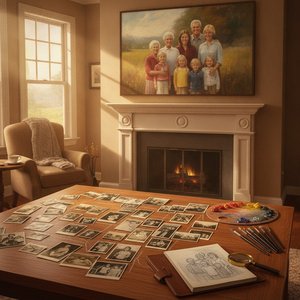
From Scattered Memories to Timeless Legacy: The Art of Creating Your Custom Family Masterpiece with OriginalUniqueArt
Turn scattered family photos into a breathtaking hand-painted oil masterpiece. OriginalUniqueArt specializes in merging multiple images into one cohesive, museum-quality heirloom. Experience professional artistry, digital mockups, and a 100% satisfaction guarantee for your family's legacy.

Evolving Portraits: Personalized Art as a Chronicle of Family Life Across Generations
Create a timeless family legacy with custom portraits! OriginalUniqueArt connects you with skilled artists for heirloom-quality paintings & prints. Explore styles, commission your unique artwork today.

Depicting Kinship: Family Values Across Artistic Movements & Historical Contexts
Explore the rich history of depicting kinship in art! From Dutch Masters to contemporary artists, discover how family values have been represented across movements & time. Expert insights for collectors at OriginalUniqueArt.

The Enduring Legacy of Family Portraiture: A Historical & Artistic Exploration
Explore the rich history of family portraiture with OriginalUniqueArt. Discover artistic styles, symbolism & collecting insights. Commission a custom oil painting or appraise your existing artwork today!