

 გაგზავნა
 გაზიარება
 დეტალები
 გზამკვლევი

 ჩამოტვირთვა
 მსგავსები
 სლაიდშოუ
 სტატისტიკა
Wave


 სრული ტექსტის ნახვა
გიკლე / ხელოვნების პრინტი
მუზეუმის დონის ჟიკლე ან ტილოზე ბეჭდვა სწრაფი წარმოებისა და დასრულების მოქნილი ვარიანტებით. ( შეიძინეთ ხელით შესრულებული ნახატი გადასვლა ციფრულ გამოსახულებაზე)




































აირჩიეთ ჩვენს მიერ წინასწარ განსაზღვრული ზომებიდან, რომლებიც ნაწარმოების ორიგინალურ პროპორციებს შეესაბამება.

თქვენ შეგიძლიათ მიუთითოთ საკუთარი ზომები კონკრეტული ჩარჩოსთვის ან სივრცისთვის მოსარგებლებლად. თუ თქვენ მიერ არჩეული ზომა არ შეესაბამება ორიგინალი გამოსახულების პროპორციებს, ჩვენ ან დავჭრით ნამუშევარს, ან გავაფართოვებთ გამოსახულებას სარკული ან ერთფეროვანი კიდეებით. წარმოების დაწყებამდე თქვენს დასამტკიცებლად გამოგეგზავნებათ ციფრული მაკეტი.
გთხოვთ, გაითვალისწინოთ, რომ ეკრანზე ნაჩვენები წინასწარი ნახვა არ ასახავს რეალურ ჭრას ან გაფართოებას. მხოლოდ მაკეტზე იქნება ზუსტად წარმოდგენილი საბოლოო კომპოზიცია.
მიუხედავად იმისა, რომ ინდივიდუალური ზომები ხელმისაწვდომია, ორიგინალური პროპორციების შესანარჩუნებლად გირჩევთ, აირჩიოთ ზომა წინასწარ განსაზღვრული სიისგან.
მიწოდება მთელ მსოფლიოში () 2 კვირაში, სტანდარტული 4/5 კვირის ნაცვლად. (26 სექტემბერი)

უფასო ექსპრეს მიწოდება მთელ მსოფლიოში

მაღალი ხარისხის ტილო

ტრანსპორტირების სრული დაზღვევა

საბაჟო გადასახადების დაბრუნების გარანტია

ფერების სრული შესაბამისობის გარანტია

დაბრუნების 100-დღიანი პერიოდი (მხოლოდ წარმოების დეფექტის შემთხვევაში)

100% თანხის სრული დაბრუნების გარანტია

ფასდაკლება დიდი რაოდენობით შეკვეთისას
 მინის ჩარჩოს არჩევანი ხელმისაწვდომია მხოლოდ 110 სმ-მდე ზომისთვის

Wave
გიკლე / ხელოვნების პრინტი
რეპროდუქციის ზომა
-


ჯამური ღირებულება
$ 80
The Enduring Echoes of the Sea: Barbara Hepworth’s “Wave”
Dame Barbara Hepworth's "Wave," created in 1943 during a pivotal period of artistic and personal transformation, is more than just a sculpture; it’s a profound meditation on movement, form, and the elemental power of nature. Born amidst the turmoil of World War II, Hepworth sought refuge and inspiration in the rugged Cornish coastline, a landscape that profoundly shaped her evolving aesthetic. “Wave” embodies this connection, capturing not merely the visual appearance of a breaking wave but its very essence – the dynamic tension between potential energy and released force, the suggestion of ceaseless motion frozen in stone.
The sculpture itself is remarkably understated in its execution. Crafted primarily from wood, meticulously polished to a luminous sheen, it’s a deceptively simple form: a gently curving line extending outwards from a central, circular core. This isn't an attempt at literal representation; rather, Hepworth employed a reductive approach, stripping away extraneous detail to reveal the underlying structure and rhythm of the subject. The wood, chosen for its warmth and inherent grain, provides a tactile counterpoint to the smooth, almost ethereal quality of the polished surface. The subtle variations in tone within the wood itself – hints of amber, ochre, and grey – subtly mimic the shifting hues of the sea under different lighting conditions.
Modernism’s Embrace: Form and Abstraction
“Wave” firmly establishes Hepworth as a key figure within the burgeoning movement of Modern sculpture. Rejecting traditional representational approaches, she embraced abstraction, prioritizing the exploration of form, texture, and spatial relationships. Influenced by Cubism and Surrealism, Hepworth sought to capture not just what something *looked* like but how it *felt*, translating internal experiences into tangible three-dimensional forms. This approach aligns with the broader modernist ethos of breaking away from established conventions and forging new paths in artistic expression.
The sculpture’s design reflects a conscious engagement with geometric principles, yet it avoids rigid formality. The curve is organic and flowing, suggesting the unpredictable nature of water – its capacity to both crash against the shore with violent force and gently lap at the sand. Hepworth's use of negative space—the areas surrounding and between the form—is equally crucial, creating a sense of lightness and airiness that further emphasizes the sculpture’s dynamic quality. It is this careful balance between positive and negative forms that gives “Wave” its remarkable visual power.
A Symbol of Resilience and Renewal
Beyond its purely formal qualities, "Wave" carries significant symbolic weight. Created during a time of global conflict and uncertainty, the sculpture can be interpreted as an emblem of resilience – a testament to the enduring strength and adaptability of nature. The wave itself represents constant change, ceaseless movement, and the cyclical rhythms of life and death. The polished surface reflects light, suggesting hope and renewal, while the underlying structure hints at the potential for transformation.
Hepworth’s personal experiences also informed the sculpture's meaning. Following her divorce from John Skeaping in 1933, she sought solace and creative rejuvenation in Cornwall, a landscape that offered both beauty and emotional depth. “Wave” can be seen as an expression of this journey – a celebration of freedom, independence, and the power to overcome adversity. The work’s inherent dynamism mirrors Hepworth's own evolving artistic practice, reflecting her willingness to experiment with new materials and techniques.
Collecting the Essence: Reproductions and Interior Design
Reproductions of “Wave” offer a compelling opportunity to bring this iconic sculpture into your home or office. The meticulous detail captured in high-quality reproductions allows you to appreciate Hepworth’s masterful use of form, texture, and space. Consider placing a reproduction within a light-filled room to maximize its reflective qualities, creating a focal point that draws the eye and evokes a sense of tranquility.
“Wave”’s understated elegance makes it exceptionally versatile for interior design. Its clean lines and subtle color palette complement a wide range of styles, from minimalist modern spaces to more traditional settings. The sculpture's inherent dynamism adds visual interest and energy to any room, serving as a constant reminder of the beauty and power of the natural world.
მხატვრის ბიოგრაფია
ადრეული ცხოვრება და განათლება
დამე ბარბარა ჰეპვორთი, ინგლისის სახელovნიტი ხელოვანი და ქანდაკება, დაიბადა 1903 წლის 10 იანვარს, უეიკფილდში, იორკშირში. მისი შემოქმედებითი გზა ლიდსის სახელობის ხელოვნების სკოლაში 1920 წლიდან დაიწყო, რის შემდეგაც მან მოიპოვა სახელმწიფო სტიპენდია ლონდონის სამეფო ხელოვნების კოლეჯში (RCA) სწავლისთვის, სადაც 1921 წლიდან 1924 წლამდე იმყოფებოდა და სწორედ მაშინ მიიღო დიპლომი.მხატვრული კარიერა
- დამე ბარბარა ჰეპვორთის შემოქმედება მოდერნიზმის, კერძოდ კი თანამედროვე ქანდაკების საუკეთესო ნიმუშია. ის იყო ერთ-ერთი იმ იშვიათ ქალი ხელოვანთაგან, ვინც საერთაშორისო აღიარება მოიპოვა.
- 1933 წელს მან, ბენ ნიკოლსონთან, პოლ ნაშთან და სხვებთან ერთად, დააფუძნა ხელოვნების მოძრაობა „Unit One“, რომლის მიზანიც ბრიტანულ ხელოვნებაში სურრეალიზმისა და აბსტრაქციის გაერთიანება იყო.
- ჰეპვორთის ადრეული ნამუშევრები გამოირჩეოდა აბსტრაქციითა და მისი აქტიური მონაწილეობით პარიზულ ხელოვნების მოძრაობაში — „Abstraction-Création“-ში.
გამორჩეული ნამუშევრები და გამოფენები
- Oval Form (Trezion), ბრინჯაოს ქანდაკება, შედის აშშ-ში, ფორტ-უორთის კიმბელის ხელოვნების მუზეუმის კოლექციაში. (ნახეთ OriginalUniqueArt-ზე)
- Two Forms, ქანდაკება, წარმოდგენილია ბრიტანეთში, უეიკფილდში მდებარე Hepworth Wakefield-ში. (ნახეთ OriginalUniqueArt-ზე)
- Totem, მარმარილოს ქანდაკება, ასევე შედის Hepworth Wakefield-ის კოლექციაში. (ნახეთ OriginalUniqueArt-ზე)
მემკვიდრეობა და მუზეუმის კოლექციები
ბარბარა ჰეპვორთის შემოქმედება მსოფლიოს მასშტაბით აღიარებულია; მისი ქანდაკებები და ფერწერები სხვადასხვა მუზეუმის ფასდაუდებელ ნაწილია. Hepworth Wakefield, რომელიც თავად ხელოვანის სახელობისაა, თავმოყრილად ინახავს მრავალ შედევრს ცნობილი ოსტატებისგან, მათ შორის თავად ჰეპვორთის საკუთარ ნამუშევრებსაც. (აღმოაჩინეთ მეტი Hepworth Wakefield-ის შესახებ OriginalUniqueArt-ზე)დასკვნა
დამე ბარბარა ჰეპვორთის პიონერულმა ნამუშევრებმა თანამედროვე ბრიტანულ ქანდაკებაში ხელოვნების სამყაროში წარუვალე კვალი დატოვა. მისი მემკვიდრეობა დღემდე შთაგონების წყაროა ხელოვანებისა და ხელოვნების მოყვარულთათვის, მისი ნამუშევრები კი მისი ინოვაციური სულისკვეთებისა და მხატვრული გენიალურობის დასტური რჩება. მეტი ბარბარა ჰეპვორთის შესახებ Wikipedia-ზე
ბარბარა ჰეპვორთი
1903 - 1975 , გაერთიანებული სამეფო
მოკლე ფაქტები
- Artistic Movement Or Style: მოდერნიზმი, აბსტრაქცია
- Artists Or Movements Influenced By This Artist:
- Abstraction-Création
- Unit One
- Artists Who Influenced This Artist:
- ჰენრი მური
- ბენ ნიკოლსონი
- Date Of Birth: 1903-01-10
- Date Of Death: 1975-05-20
- Full Name: ბარბარა ჰეფვორთი
- Nationality: ბრიტანელი
- Notable Artworks:
- Oval Form (Trezion)
- Two Forms
- Totem
- Place Of Birth: უეიქფილდი, გაერთიანებული სამეფო
მსგავსი სტატიები

Bronze Age to Modern Masters: 10 Sculptures That Redefined Art | OriginalUniqueArt
Journey through art history with 10 legendary bronze sculptures – from Michelangelo's David to Rodin’s Thinker. Explore the stories, techniques & timeless beauty of these masterpieces. Find museum-quality reproductions & elevate your home decor on OriginalUniqueArt.com.

გეომეტრიული აბსტრაქცია: 10 შედევრი, რომელმაც ხელოვნება განსაზღვრა | OriginalUniqueArt.com
გეომეტრიული აბსტრაქციის 10 შედევრი მონდრიანის, მალევიჩისა და კანდინსკის ჩართულობით. გაიგეთ მათი ისტორია, ტექნიკა და გავლენა ხელოვნებაზე. შეიძინეთ უმაღლესი ხარისხის რეკონსტრუქციები OriginalUniqueArt.com-ზე!

The Enduring Legacy of Bronze: A Historical & Artistic Exploration for the Collector
Explore the rich history & enduring appeal of bronze sculpture with expert insights for collectors at OriginalUniqueArt. Learn about casting techniques, iconic artists, collecting tips & contemporary interpretations.

Bronze Sculptures That Defined Art History | OriginalUniqueArt
Journey through art history with our Top 10 bronze sculptures! Explore masterpieces by Rodin, Michelangelo & more. Discover stories behind iconic statues and find museum-quality reproductions for your home decor at OriginalUniqueArt.com.
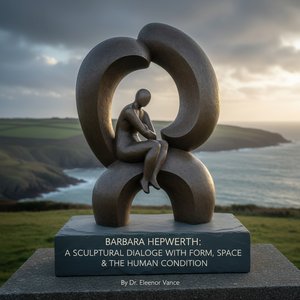
Barbara Hepworth: A Sculptural Dialogue with Form, Space & the Human Condition
Explore the profound world of Barbara Hepworth's sculpture. Discover her artistic evolution, iconic forms, and lasting influence on modern art. A guide for collectors & enthusiasts.


