ბეჭდვის რეჟიმზე გადართვა
 გააგრძელეთ კითხვა







































 ნებისმიერი მხარისთვის 105 სმ-ზე (დაახლოებით 41 ინჩი) მეტი ზომის ხელოვნებული ნამუშევრების ან რეპროდუქციებისთვის, ჩარჩო მოგზავნდება დაშლილ კომპლექტში. ეს მეთოდი უზრუნველყოფს უსაფრთხო მიწოდებას და თავიდან აგაცილებთ ტრანსპორტირებისას შესაძლო დაზიანებას.


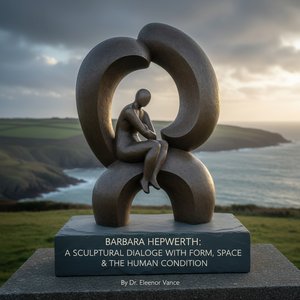
Barbara Hepworth’s Hollow Form with White Interior: A Meditation on Geometry and Silence
Barbara Hepworth (1903 – 1975), born in Wakefield, Yorkshire, stands as a monumental figure in British modern sculpture. Her unwavering dedication to exploring fundamental geometric forms—circles, squares, triangles—combined with an almost palpable stillness, continues to resonate deeply within the artistic landscape decades after her groundbreaking achievements.
The sculpture “Hollow Form with White Interior,” created in 1963, exemplifies Hepworth’s signature style: reductive abstraction. Departing from representational imagery altogether, Hepworth sought to distill visual experience into its purest essence—the interplay of shape and space. This piece is a testament to her belief that sculpture could communicate emotion not through depiction but through the very materiality of the artwork itself.
Technically speaking, “Hollow Form” utilizes a carefully considered process of carving from wood – specifically elm – employing a technique known as ‘dry-stacking.’ Hepworth meticulously removes material from the block of elm, leaving behind only the essential contours that define its form. The resulting hollow interior is filled with white pigment—a deliberate choice reflecting Hepworth’s fascination with luminosity and creating an illusion of depth.
Historically situated within the broader context of British Modernism, Hepworth's work aligns closely with the Unit One movement she co-founded in 1933 alongside Ben Nicholson, Paul Nash, and others. This collective aimed to synthesize Surrealist and Abstract Expressionist influences, prioritizing intuition and spontaneity alongside intellectual rigor.
Beyond its formal qualities, “Hollow Form” possesses a profound symbolic significance. Hepworth herself described her sculptures as ‘meditations,’ suggesting that they invite contemplation and encourage viewers to engage in an internal dialogue. The geometric forms represent stability and order—counterbalancing the inherent dynamism of natural processes. Simultaneously, the white interior embodies purity and emptiness—a space devoid of visual distraction where the viewer can experience a sense of serene detachment.
The emotional impact of “Hollow Form” is subtle yet powerful. It evokes feelings of tranquility, introspection, and awe – prompting viewers to consider the relationship between form, space, and consciousness. Its enduring appeal lies in its ability to transcend language and communicate directly with the viewer’s senses, offering a glimpse into Hepworth's deeply considered vision of art as a vehicle for spiritual exploration.
- Artist: Barbara Hepworth
- Year Created: 1963
- Medium: Elm Wood Sculpture with White Pigment
- Movement: Unit One, British Modernism
Reproductions of “Hollow Form” are available in exceptional quality from OriginalUniqueArt.
კითხვები და პასუხები
რომელ ხელოვანს მიეწერება "Hollow Form with White Interior"?
ნამუშევრის „Hollow Form with White Interior“ ავტორი არის ბარბარა ჰეპვორთი. ნამუშევარი დატრიალებულია ბარბარა ჰეპვორთი-ის სახელით.
რა არის ბარბარა ჰეპვორთი-ის „Hollow Form with White Interior“-ის დომინანტური ფერი?
ნამუშევარში "Hollow Form with White Interior" ყველაზე თვალსაჩინო ფერია Brown (#96492c). დომინანტური ფერის ცოდნა სასარგებლოა ნამუშევრის ინტერიერთან შესაბამისობისთვის.
როდის და რა მასალებით არის შექმნილი "Hollow Form with White Interior"?
"Hollow Form with White Interior" შეიქმნა 1963 წელს, Sculpture Bronze-ით.
 გაგზავნა
 გაზიარება
 დეტალები
 გზამკვლევი

 ჩამოტვირთვა
 მსგავსები
 სლაიდშოუ
 კითხვა-პასუხი
 სტატისტიკა