 გადართვა ბეჭდვის რეჟიმზე
 სრული ტექსტის ნახვა







































 ნებისმიერი მხარისთვის 105 სმ-ზე (დაახლოებით 41 ინჩი) მეტი ზომის ხელოვნებული ნამუშევრების ან რეპროდუქციებისთვის, ჩარჩო მოგზავნდება დაშლილ კომპლექტში. ეს მეთოდი უზრუნველყოფს უსაფრთხო მიწოდებას და თავიდან აგაცილებთ ტრანსპორტირებისას შესაძლო დაზიანებას.


A Silent Reverence: The Soul of Aztec Stone
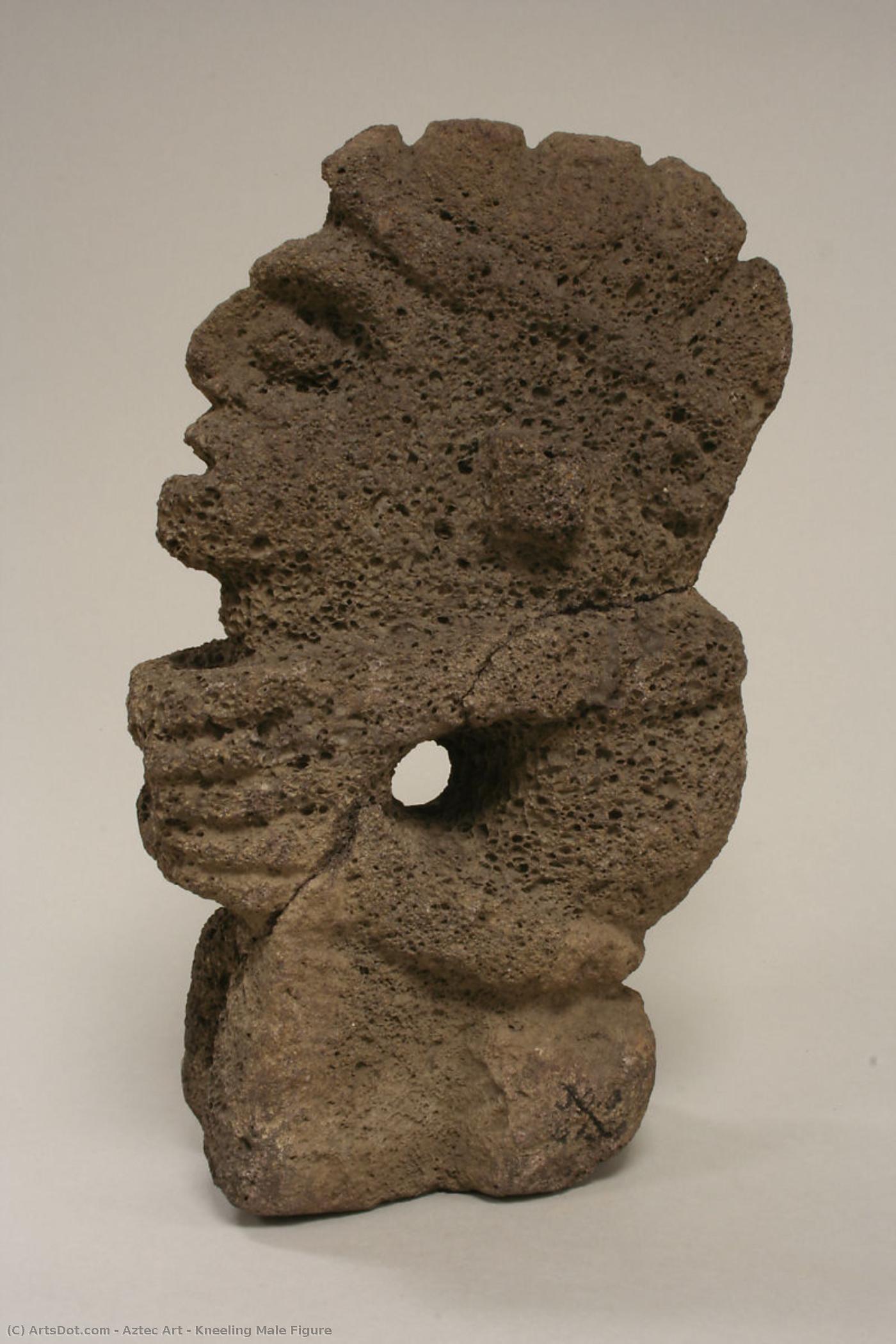
To gaze upon the Kneeling Male Figure is to reach across the vast chasm of five centuries, touching the solemn breath of an empire long dissolved into myth and archaeological wonder. Carved from a dark, porous stone—likely the volcanic basalt so characteristic of the Mexican highlands—this sculpture is far more than a mere relic; it is a captured moment of profound spiritual engagement. The very texture of the material speaks of time itself, bearing the imagined patina of ritual smoke and the weight of untold ceremonies. As the figure bows in a posture of deep supplanting or prayer, the viewer is immediately drawn into an atmosphere of hushed solemnity, where earthly concerns seem to yield to the divine presence.
The artistry displayed in this piece is breathtaking in its restraint. The Aztec sculptors, working within the bustling heart of Tenochtitlan, mastered the difficult subtractive technique of removing material from stubborn volcanic rock to reveal a form that feels both organic and intentional. There is a striking tension between the rugged, tactile surface of the stone and the precise, angular lines that define the facial features. These deliberate contours—the sharp edge of a nose or the hollow of an eye—reflect a stylistic hallmark of the Aztec era, where geometric precision met spiritual fluidity. For the discerning collector, this contrast offers a dynamic visual energy that commands attention in any curated space.
Symbolism and the Geometry of Devotion
Beyond its physical presence, the sculpture is a vessel for complex Mesoamerican iconography. The kneeling posture serves as an archetype of humility, representing the relationship between the human and the sacred. Perhaps most arresting to the eye is the circular perforation through the head, a recurring motif in Aztec art that invites endless contemplation. Scholars often debate whether such a feature represents a portal to another realm, a stylized representation of breath, or a specific ritualistic element used during ceremonies. This sense of mystery is precisely what makes the piece so captivating for those who appreciate art with layers of hidden meaning.
The color palette of the sculpture remains rooted in the natural, earthy tones of its medium, ranging from deep, near-black shadows within its porous crevices to subtle beige highlights where the light catches smoother surfaces. This monochromatic depth allows the form to integrate seamlessly into sophisticated interior designs, acting as a grounding element that brings a sense of ancient wisdom and stability to a room. Whether viewed as a historical document or a masterpiece of sculptural form, the Kneeling Male Figure continues to inspire awe, offering a window into a civilization that saw the divine in every grain of stone.
კითხვები და პასუხები
რა არის „Kneeling Male Figure“-ის ფორმატი?
აზტეკთა იმპერია-ის „Kneeling Male Figure“ არის Portrait კომპოზიცია.បრিনტის ზომის შერჩევამდე ღირს პროპორციების გადამოწმება.
აზტეკთა იმპერია-ის „Kneeling Male Figure“-ის ფერები გაჯერებული თუ მკრთალია?
აზტეკთა იმპერია-ის „Kneeling Male Figure“ ფერების სირთულე (დამკვეთភាព) არის Muted. სირთულე აღწერს, თუ რამდენად მკვეთრი ან მკვდარია ფერები.
სად შემიძლია ვიყიდო აზტეკთა იმპერია-ის „Kneeling Male Figure“-ის ხელით ნათესლი?
აზტეკთა იმპერია-ის „Kneeling Male Figure“-ის ხელით ნათესლიერი ასლები იყიდება ეს ვებსაიტი-ზე: ლენის ტილოზე შესრულებული ზეთწარმოთი, ხელით ნათესლით, მათი შეკვეთით მისი ხელით ნათესლიერი რეპროდუქცია გვერდიდან.
 გაგზავნა
 გაზიარება
 დეტალები
 გზამკვლევი

 ჩამოტვირთვა
 მსგავსები
 სლაიდშოუ
 Q&A
Q&A სტატისტიკა





