Aztec Empire
Flute (აზტეკთა იმპერია)
აზტეკთა იმპერია (1300–1521)-მა შექმნა Flute. ის Aztec Empire მიძღვნილ სტილს მიეკუთვნება. შესრულებულია Acrylic On Canvas-ით. ნახატი დაცულია მეტროპოლიტენის ხელოვნების მუზეუმი-ში, ნიუ-იორკი, ამერიკის შეერთებული შტატები-ში.
- Acrylic On Canvas
- მეტროპოლიტენის ხელოვნების მუზეუმი, ნიუ-იორკი

 წინასწარი ნახვა

 ხელით შესრულებული ზეთប្រეწერი
 გაგზავნა
 გაზიარება
 სპეცფიკაცია


 ჩამოტვირთვა
 მსგავსები
 რენტგენოგრაფიული კვლევა
 სლაიდშოუ
 კითხვა-პასუხი

 სტატისტიკა
Flute, მოკლედ
- სათაური
- Flute
- ავტორი
- აზტეკთა იმპერია (1300–1521)
- ხატვის წელი და ადგილი
- ტენოჩტიტლანი, მექსიკა
- ტექნიკა
- Acrylic On Canvas
- სად ნახვა შეგიძლიათ
- მეტროპოლიტენის ხელოვნების მუზეუმი, ნიუ-იორკი, ამერიკის შეერთებული შტატები
- მოძრაობა
- Aztec Empire
- სუბიექტი
- flute, aztec, ancient, culture, symbolism, mesoamerica
რა არის გამოსახული Flute-ში?
The Echoing Voice of Stone: An Exploration of the Aztec Flute
Within the vast tapestry of Aztec artistry lies a deceptively simple instrument – the flute, often referred to as *uilacapitztli* (meaning “flute-head”). More than just a musical device, this clay vessel, meticulously crafted and imbued with symbolic resonance, offers a poignant window into the spiritual beliefs, artistic traditions, and cultural values of one of Mesoamerica’s most sophisticated civilizations. Recovered from archaeological sites across Mexico, these flutes – often adorned with depictions of animals, deities, or geometric patterns – are not merely relics of the past; they are tangible echoes of a vibrant society that flourished for centuries before succumbing to Spanish conquest.
The creation of an *uilacapitztli* was a deliberate and carefully considered process. Typically fashioned from unfired clay, these flutes were meticulously shaped by hand, reflecting a remarkable level of skill and artistry. The most common form is a cylindrical vessel with a distinctive bird-shaped head – the ‘head’ representing the feathered serpent Quetzalcoatl, a central deity associated with music, knowledge, and creation. Smaller versions, often resembling frogs or turtles, were also produced, suggesting their use in children's toys or as ritual objects for specific ceremonies. The intricate carvings that adorn these flutes – stylized representations of jaguars, serpents, birds, and geometric designs – are not merely decorative; they carry profound symbolic meaning, reflecting the Aztec worldview and their connection to the natural world.
A Symphony of Symbolism
The symbolism embedded within each *uilacapitztli* is a rich testament to Aztec cosmology. The bird-shaped head, prominently featured on many instruments, directly references Quetzalcoatl, whose association with music and the wind suggests a connection between sound, spirituality, and communication with the divine. Animal motifs – particularly jaguars and serpents – were frequently linked to powerful deities and represented concepts such as strength, fertility, and transformation. Geometric patterns, often repeating spirals or zigzags, may have symbolized cycles of time, cosmic order, or the interconnectedness of all things. The choice of animal or symbol likely depended on the specific purpose for which the flute was intended – whether for ceremonial use, entertainment, or even as a gift.
Furthermore, the clay itself held significance. Clay was considered a sacred material, representing earth and fertility—a fundamental element in Aztec beliefs. The act of shaping the clay into an instrument was therefore imbued with ritualistic importance, transforming a mundane substance into a conduit for spiritual expression. It’s believed that these flutes were not simply played; they were *sung* – their sounds carefully controlled to evoke specific emotions and connect with the spirit world.
A Legacy in Sound and Form
The *uilacapitztli* stands as a powerful reminder of the Aztec Empire’s artistic sophistication and its deep connection to spirituality. While much remains unknown about the precise melodies produced by these instruments, their enduring presence speaks volumes about the importance of music within Aztec society. These flutes were not merely objects; they were vessels for storytelling, ritual performance, and spiritual communion.
Today, high-quality reproductions of these ancient instruments are available, offering a unique opportunity to experience the beauty and artistry of Aztec craftsmanship. When selecting a reproduction, consider the materials used – authentic clay or durable ceramics that capture the texture and feel of the original. The level of detail in the carvings will also reflect the quality of the piece, ensuring it accurately represents the intricate symbolism of the ancient *uilacapitztli*. Owning such a reproduction is not simply acquiring an artifact; it’s embracing a tangible link to a remarkable civilization and allowing its resonant voice to echo through time.
რომელ მუზეუმში ინახება Flute?
მეტროპოლიტენის ხელოვნების მუზეუმი
ნიუ-იორკი, ამერიკის შეერთებული შტატები
Origins and History of the Metropolitan Museum of Art The Metropolitan Museum of Art began with a vision shared by a group of businessmen, financiers, and leading artists and thinkers. Following its incorporation in 1870, the institution sought a permanent home to house its growing acquisitions. Before settling into its current location, the museum briefly resided in the Douglas Mansion estate on West 14th Street.
 სოკრატეს სიკვდილი, მეტროპოლიტენი, ნიუ-იორკიჟაკ-ლუი დავიდი, 1787
 ჯონ სინგერ სარჯენტი
ცხოვრება სინათლეში და საზოგადოებაში
ფლორენცია
იტალია
1856
უცნობია
1925
ხედვა არისტოკრატიული ელეგანტურობის შესახებ
ოქროს ხანა
--Overall Impression-- ხელოვნების ნაწილი არის ქალის პორტრეტი ელეგანტური, მუქი კაბით. ეს არის კლასიკურჯონ სინგერ სარჯენტი, 1884
 ვაშინგტონი დელავერის გადაკვეთაზეემანუელ გოთლიბ ლუცე, 1851
Flute-ის მაღალი გარ Auflხ resolución-ის გამოსახულებები

საჯარო საკუთრება: მხატვარი გარდაიცვალა 1521 წელს.
სხვა ზომები, კადრისრები და ციტირება →აზტეკთა იმპერია, Flute, მეტროპოლიტენის ხელოვნების მუზეუმი. საჯარო საკუთრება
კითხვები Flute-ზე, პასუხები
სად არის დღეს გამოფენილი აზტეკთა იმპერია-ის „Flute“?
ორიგინალი აზტეკთა იმპერია-ის „Flute“ მეტროპოლიტენის ხელოვნების მუზეუმი, ნიუ-იორკი, ამერიკის შეერთებული შტატები-ში ინახება. რესპროდუქცია კი საშუალებას გაძლევთ, ეს ნამუშევარი თქვენს სახლში გამოფენოთ.
რა მასალისგან არის შესრულებული აზტეკთა იმპერია-ის „Flute“?
აზტეკთა იმპერია-ის „Flute“-ის მასალა არის Acrylic On Canvas. რეპროდუქციების მიზანია ამ ტექნიკის ვიზუალური მხარის ზუსტი გადმოცემა.
რას ეხება "Flute"?
აზტეკთა იმპერია-ის „Flute“-ზე გამოსახულია: flute, aztec, ancient, culture, symbolism, mesoamerica, ritual.
არის თუ არა აზტეკთა იმპერია-ის „Flute“ საჯარო დომენში?
აზტეკთა იმპერია-ის „Flute“ არის საჯარო საკუთრებაშია — საავტორო უფლებები ამოწდა. ეს სტატუსი განსაზღვრავს, თუ როგორ შეიძლება ნამუშევრის გამოსახულების რეპროდუცირება.
რომელ ხელოვანს მიეწერება "Flute"?
„Flute“ მიკუთვნებულია აზტეკთა იმპერია-ს.
რომელ სტილს მიეკუთვნება "Flute"?
აზტეკთა იმპერია-ის „Flute“ მიეკუთვნება Aztec Empire მიმდევრობას. ეს მიმდევრობა ნამუშევარს სტილისტურ კონტექსტს სძენს.
აზტეკთა იმპერია-ის შემოქმედების რომელ პერიოდს მიეკუთვნება „Flute“?
აზტეკთა იმპერია-ის შემოქმედების პერიოდში „Flute“ Pre-Columbian-ს მიეკუთვნება. ეს ფაზა საშუალებას გვაძლევს, იგი ხელოვანის სხვა ნამუშევრებს შევადაროთ.
რას განმარტავს აზტეკთა იმპერია-ის „Flute“-ის საავტორო უფლებებთან დაკავშირებული მდგომარეობა?
აზტეკთა იმპერია-ის ნამუშევარი „Flute“ არის საჯარო საკუთრებაშია — საავტორო უფლებები ამოწდა. საავტორო უფლებების ვადა ითვლება ხელოვანის გარდაცვალებიდან; აზტეკთა იმპერია კი 1521 წელს გარდაიცვალა.
მდებარეობს თუ არა "Flute" მისი ავტორის ქვეყანაში?
არა - ნამუშევარი საზღვარგარეთ ინახება. აზტეკთა იმპერია-ის სამშობლო მექსიკა არის, ხოლო ნამუშევრის „Flute“ ორიგინალის მფლობელი მუზეუმი ამერიკის შეერთებული შტატები-ში მდებარეობს.
ხელပاتარში: აზტეკთა იმპერია

1300–1521, მექსიკა
აზტეკთა იმპერია
ქვის ექოები: აცტეკთა იმპერიის ხელოვნებისა და მემკვიდრეობის კვლევა სახელი „აცტეკი“ – რომელიც berasal ნაუატლის სიტყვიდან ātl-ce-tlācati–tlān, რაც „მრავალი ფორმის ხალხს“ ნიშნავს – წარმოგვიდგინებს უზარმაზარი და რთული იმპერიის სურათს, რომელიც საუკუნეების განმავლობაში დომინირებდა მესოამერიკაში. აცტეკები მხოლოდ მეომრები და დამპყრობლები არ იყვნენ; ისინი ღრმად არტისტული სულებით გამოირჩეოდნენ და რთულ სილამაზეს თავიანთი ცხოვრების ყველა ასპექტში ატენიანებდნენ – მონუმენტური არქიტექტურიდან დაწყებული, ნატიფი ფუმფულა ქსოვილისგან, წმინდა რიტუალებიდან ყოველდღიურ საგნებამდე. მათი ხელოვნება არ იყო მხოლოდ დეკორატიული; ეს იყო ცოცხალი ენა, რომელიც გადმოსცემდა რელიგიურ რწმენებს, პოლიტიკურ ძალაუფლებას, ისტორიულ ნარატივებსა და სოციალურ იერარქიებს იმ საზოგადოებაში, რომელიც ერთდროულად მკაცრად სტრუქტურირებული და გასაოცრად ინოვაციური იყო. ათხუთმეტე საუკუნის დასაწყისში, აცტეკთა იმპერიის გულში, ტენოჩტიტლანში დაბადებული ხელოვნებამ მესოამერიკული ცივილიზაციების მდიდარ მემკადვეზე დაფუძნა.
აზტეკთა იმპერია-ის შესახებ აზტეკთა იმპერია-ის გამორჩეული ნამუშევრები
ასევე აზტეკთა იმპერია-ის მიერ
 Mosaic of a Double-headed Serpent1521
 Head from a Figure, Xochipilli Macuilxochitl1521
 Figure1521
 Serpent Labret with Articulated Tongue

ესეები Flute-ის შესახებ
 25 Must-See Masterpieces at The Met: A Journey Through Art HistoryExplore 25 iconic treasures from The Met, from Pollock to Rembrandt. Discover museum-quality art on OriginalUniqueArt.com.
 Feathered Visions: A Historical & Artistic Exploration of Birds in PaintingExplore the rich history of birds in painting! Discover symbolism, artistic movements & master artists like Audubon. High-quality reproduct…
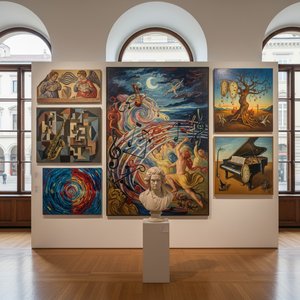 Harmonies on Canvas: Exploring the Visual Representation of Music in Art HistoryExplore the fascinating history of music's visual representation in art! From ancient symbolism to modern abstraction, discover how artists…