

 ნახვა ინტერьерში
 გაგზავნა
 გაზიარება
 დეტალები
 გზამკვლევი

 ჩამოტვირთვა
 მსგავსები
 რენტგენოგრაფიული კვლევა
 სლაიდშოუ
 სტატისტიკა
Kairuan III


 სრული ტექსტის ნახვა
ხელით შესრულებული ზეთის საღებავით რეპროდუქცია
ტილოზე შესრულებული ფერწერიანი ზეთប្រდათი, თქვენთვის სასურველი ზომისა და ჩარჩოსთვის, ჩვენი ხელოვანების მიერ შეკვეთის საფუძველზე დამზადებული. ( გადართვა ბეჭდვის რეჟიმზე გადასვლა ციფრულ გამოსახულებაზე)




P118B ₾10

P118H ₾10

P118W ₾10

P438Z ₾10

P508JH ₾12

P508YH ₾12

P805H ₾10

P805Z ₾10

P919BZ ₾10

P919G ₾10

P919XJ ₾10

P959ZH ₾10

P968JZ ₾12

W106C ₾8

W218G ₾10

W218JH ₾8

W218Y ₾10

W307PJ ₾10

W316G ₾10

W316PJ ₾8

W316Y ₾10

W398PJ ₾8

W4111J ₾10

W500HY ₾15

W500JH ₾15

W692G ₾12

W849H ₾8

W940BG ₾15

W953PJ ₾8




აირჩიეთ ჩვენს მიერ წინასწარ განსაზღვრული ზომებიდან, რომლებიც ნაწარმოების ორიგინალურ პროპორციებს შეესაბამება.

შეიყვანეთ თქვენთვის საჭირო სიგანე და სიმაღლე, რათა ნახატი მოერგოს თქვენს ჩარჩოს ან კედელს. ვინაიდან ეს ნამუშევარი ხელით არის შესრულებული, სხვა ფორმის ზომის შემთხვევაში, მხატვარმა შესაძლოა სურათის გარშემო ოდნავ მეტი დატოვოს ან შეამციროს — არჩევანი თქვენზეა. დაწყებამდე, დასამტკიცებლად, ჩვენ გამოგიგზავნით ციფრულ მაკეტს. ამ გვერდზე ნაჩვენები სურათი არ ასახავს რეალურ შედეგს — რეალური სახე მხოლოდ მაკეტზე ჩანს.
შეკვეთის შემდეგ, OriginalUniqueArt.com გუნდი დაგიკავშირდებათ ელექტრონული ფოსტით ინსტრუქციებისთვის და გამოგიგზავნით წინასწარ ნახაზს (mockup).
მიწოდება მსოფლიო მასშტაბით -ში 3/4 კვირაში, სტანდარტული 5 კვირის ნაცვლად. (22 ოქტომბერი). ხარისხზე კომპრომისის გაკეთება არ მოხდება.

უფასო ექსპრეს მიწოდება მთელ მსოფლიოში

მაღალი ხარისხის ტილო

ტრანსპორტირების სრული დაზღვევა

საბაჟო გადასახადების დაბრუნების გარანტია

ფერების სრული შესაბამისობის გარანტია

დაბრუნების 100-დღიანი პერიოდი (მხოლოდ წარმოების დეფექტის შემთხვევაში)

100% თანხის სრული დაბრუნების გარანტია

ფასდაკლება დიდი რაოდენობით შეკვეთისას
 მინის ჩარჩოს არჩევანი ხელმისაწვდომია მხოლოდ 110 სმ-მდე ზომისთვის

Kairuan III
რეპროდუქციის ტექნიკა
რეპროდუქციის ზომა
-


ჯამური ღირებულება
₾ 784
Kairouan III: A Fragment of Urban Harmony
August Macke’s “Kairouan III,” painted in 1914, isn't merely a cityscape; it’s a fleeting moment captured with an almost feverish intensity. Created during a pivotal period of artistic experimentation – a time when German Expressionism was grappling with new forms and the burgeoning influence of movements like Orphism – this watercolor offers a glimpse into Macke’s evolving vision, a synthesis of observation and deeply felt emotion. The painting depicts a bustling street scene in Kairouan, Tunisia, a location that profoundly impacted Macke's artistic sensibilities during his travels. It’s a place he described as “a paradise,” a vibrant hub of color and life that served as a crucial catalyst for his later work.
Macke’s style at this time is characterized by a remarkable blend of influences. While rooted in the Impressionist techniques he initially absorbed, particularly the use of broken brushstrokes to capture light and atmosphere, “Kairouan III” demonstrates a clear shift towards a more expressive and simplified approach. The forms are not meticulously rendered but rather suggested with bold, confident strokes, prioritizing color and composition over photographic realism. This is evident in the flattened perspective, the exaggerated scale of certain buildings, and the almost dreamlike quality of the scene. The painting’s energy isn't derived from detailed observation, but from Macke’s subjective experience of the place – a distillation of its essence into a vibrant, emotionally charged composition.
Orphism and the Language of Color
“Kairouan III” is deeply intertwined with the principles of Orphism, a movement pioneered by Robert Delaunay and Sonia Delaunay. Orphism sought to liberate color from its traditional role as a descriptive element, instead using it purely for its aesthetic qualities – its ability to evoke emotion and create visual harmony. Macke embraced this approach wholeheartedly, employing a dazzling array of colors that seem almost luminous against the paper’s surface. The palette is dominated by intense blues, greens, yellows, and reds, layered in overlapping planes and creating a dynamic sense of movement and depth. Notice how he uses complementary colors – blue and orange, yellow and violet – to intensify each hue and generate visual excitement.
The technique itself contributes significantly to the painting’s effect. Macke employs loose, gestural brushstrokes, often applying paint directly from the tube with minimal blending. This creates a sense of immediacy and spontaneity, as if he were capturing the scene in real-time. The layering of colors is also crucial; each hue builds upon the previous one, creating a shimmering surface that seems to vibrate with energy. This technique isn’t about precise representation but rather about conveying the *feeling* of being immersed in this vibrant urban landscape.
Symbolism and the Human Element
While “Kairouan III” is primarily concerned with color and composition, it also subtly hints at deeper symbolic meanings. The densely packed buildings, rendered with a sense of both dynamism and claustrophobia, suggest the complexities of modern urban life. The figures – though largely indistinct – represent the human element within this environment, adding scale and suggesting activity without explicitly defining their roles or relationships. Macke’s focus is less on individual portraits and more on capturing the collective experience of a place.
Furthermore, the painting's title itself—Kairouan—references an ancient city in Tunisia, steeped in history and religious significance. This connection adds another layer of meaning to the work, suggesting a dialogue between the past and the present, tradition and modernity. Macke’s choice of subject matter reflects his interest in exploring themes of cultural exchange and the transformative power of travel.
A Window into a Lost World
August Macke's “Kairouan III” is more than just a beautiful painting; it’s a poignant testament to a brilliant artist whose life was tragically cut short during World War I. Painted in the midst of his most innovative period, this work encapsulates his evolving artistic vision and his profound engagement with color, form, and symbolism. It offers a rare glimpse into a world brimming with energy, emotion, and a deep appreciation for the beauty of everyday life – a world that vanished all too soon. Reproductions of “Kairouan III” capture not only its visual splendor but also the artist’s unique spirit, making it a compelling addition to any collection or a captivating focal point in any interior space.
კითხვები და პასუხები
რა არის აუგუსტ მაკე-ის „Kairuan III“-ის აღქმადი სიკაშკაშე?
აღქმული სიკაშკაშის თვალსაზრისით, აუგუსტ მაკე-ის „Kairuan III“ არის brilliant.
რა ეროვნული წარმომავლობა დგას „Kairuan III“-ის Expressionist Cityscape-ის მიღმა?
Expressionist Cityscape-ის სტილის ნამუშევარი „Kairuan III“ შექმნილია ხელოვანის მიერ, რომელიც გერმანია-ში დაიბადა.
სად უნდა ჩამოკიდოს აუგუსტ მაკე-ის „Kairuan III“-ის რეპროდუქცია?
აუგუსტ მაკე-ის „Kairuan III“-ის Landscape ფორმატი რეკომენდებულია Living Room-ისთვის. ფორმატი და სივრცე ერთობლივად განსაზღვრავს რეპროდუქციის განლაგების საუკეთესო გზას.
მხატვრის ბიოგრაფია
ავგუსტ მაკეს ცხოვრება და შემოქმედება
ავგუსტ რობერტ ლუდვიგ მაკე, გერმანული ექსპრესიონიზმის მოკლე, მაგრამ კაშკაშა აღმავლობის სიმბოლო, ტრაგიულად დასრულდა პირველი მსოფლიო ომის დაწყებამ. დაიბადა 1887 წელს მესხედეში, ვესტფალიაში. მისი სამხატვრო მოგზაურობა იყო სწრაფი განვითარება და გაცხოველებული შესწავლის პერიოდი, რომელსაც ახასიათებდა ახალი სტილებისადმი შეუვალი ცნობისმოყვარეობა და თანამედროვე გამოცდილების არსის აღსაღრმავებელი სურვილი. მაკეს ადრეულმა ცხოვრებამ ოჯახთან ერთად ბონის ქალაქში გადასახლება მოიტანა, სადაც მან მიიღო პირველი განათლება და დაიწყო ჩამოყალიბებული ნიჭის განვითარება. თუმცა ფორმალურად გაწაფული იყო დüsseldorf-ის სამხატვრო აკადემიაში 1904-1906 წლებში, ადოლფ მენჩენის ხელმძღვანელობით, სწორედ დამოუკიდებელმა შესწავლამა და მოგზაურობებმა გაუმართლა მისი მხატვრული ხმა. ამ ჩამოყალიბებულ წლებში შთაგონებული იყო იმპრესიონიზმის და პოსტ-იმპრესიონიზმის ტექნიკებით, რაც საფუძველი გახდა უფრო смелым გამოხატვისთვის. შემოსავალს ასაზღვრავდა სცენის დიზაინერად მუშაობა, რასაც კომპოზიციური უნარები და ფერის განსაცვიფრებელი შეგრძნება მოჰყვებოდა.გავლენები და სამხატვრო განვითარება
მაკეს მხატვრული ტრაექტორია მნიშვნელოვნად იყო ჩამოყალიბებული XX საუკუნის ადრეული პერიოდის ძირითადი ფიგურებითა და მოძრაობებმა. გადამწყვეტი მომენტი 1912 წელს პარიზში დადგა, სადაც მან რობერტ დელონე გაიცნო, რომელიც ორფიზმის ერთ-ერთი მთავარი მიმდევარი იყო – კუბიზმის განშტოება, რომელიც სუფთა აბსტრაქციაზე და ცოცხალ ფერის ჰარმონიებზე იყო ორიენტირებული. ეს შეხვედრა გარდამტეხი აღმოჩნდა, რადგან მაკეს წარუდგინა ერთდროული კონტრასტის კონცეფცია და მისი მუშაობა უფრო დინამიკული და არარეპრეზენტაციული მიმართულებით გაუწია. მან დაიწყო ფერების გატეხილი თვითმფრინავების ექსპერიმენტირება და აბსტრაქტული ფორმები, იმის გამოხატვის სურვილით, რომ არა მხოლოდ იხილა, არამედ როგორ *გრძნობდა* რასაც ხედავდა. ამავე დროს, მეგობრობამ ფრანც მარკთან, გავლენიანი ჯგუფის „Der Blaue Reiter“-ის (ლურჯი მხედარი) წევრთან, ის მიიყვანა ვასილი კანდინსკის ორბიტაზე და სხვა ავანგარდულ მმართველებზე. მიუხედავად იმისა, რომ მაკეს სტილი განსხვავდებოდა კანდინსკის უფრო чистой აბსტრაქტული გამოკვლევებისგან, მან მოიწია ჯგუფის მხატვრული თავისუფლებისა და სულიერი კითხვა-პასუხის სულისკვეთება. მისმა ნახატებმა ასახა ლანდშაფტებისა და ყოველდღიური ცხოვრების ემოციური რეზონანსისადმი მზარდი ინტერესი, რომელიც სიხარულისა და ოპტიმიზმის გრძნობით იყო გაჟღენთილი.ლურჯი მხედარი და მის ფარგლებს გარეთ: უნიკალური ექსპრესიონისტული ხედვა
როგორც „Der Blaue Reiter“-ის განუყოფელი წევრი, მაკემ მნიშვნელოვანი წვლილი შეიტანა ჯგუფის გამოფენებში და პუბლიკაციებში, ხელს უწყობდა მის რადიკალურ იდეების გავრცელებას ხელოვნებისა და სულიერების შესახებ. თუმცა ის მარტო მიმდევარი არ იყო; მან საკუთარი უნიკალური გზა გაიარა მოძრაობაში. ზოგიერთ კოლეგასთან შედარებით, რომლებმაც უფრო მუქი, უფრო შფოთვანი თემებისკენ გადახარხარეს, მაკე თავდაუზღებლად ეძებდა სილამაზეს და ჰარმონიას გარშემომდგომ სამყაროში. მისმა ნახატებმა, როგორიცაა ბანაობის გოგონები ქალაქის ფონზე, მაგალითად ასახავს ამ მიდგომას – კაშკაშა ფერები, მარტივი ფორმები და იდილიური სიმშვიდის გრძნობა ახასიათებს მის ნამუშევრებს. მან ოსტატურად შეუთავსა ფოვიზმის, კუბიზმის და ფუტურიზმის ელემენტები თავისთავადი სტილის შესაქმნელად, შექმნა კომპოზიციები, რომლებიც ვიზუალურად განსაცვიფრებელიც იყო და ემოციურად резонансный. მწვანე ქურთუკში მყოფი ქალი, რომელიც 1913 წელს შეიქმნა, კიდევ ერთი შესანიშნავი მაგალითია – პორტრეტი, რომელიც თბილობითა და სი vitalityით სავსეა მისი смелым ფერის პალიტრის და თავდაჯერებული щетки გამოყენების წყალობით. მისმა მოგვიანავმა ნამუშევრებმა, როგორიცაა თურქული კაფე, წარმოაჩინა მისი ლუმინისტური მიდგომა, სინათლისა და ჩრდილის თამაშის აღსაღრმავებელი მგრძნობელობით.ტრაგედიული დასასრული და უკვდავი მემკვიდრეობა
პირველი მსოფლიო ომის დაწყებამ მოულოდნელად და სასტიკად შეაწყვეტინა მაკეს перспективный კარიერა. პატრიოტული ჟინობით, მან 1914 წელს ჩამოყალიბებული სამხედრო მომსახურება დაიწყო. ტრაგიულად, იგი გარდაიცვალა რამდენიმე კვირის შემდეგ, 26 სექტემბერს, საფრანგეთის შამპანის რაიონში, მხოლოდ 27 წლის ასაკში. მისი უკვდავი ნახატი, ნახვამდის, მწუხარებას წარმოადგენს, რომელიც ევროპას მოიცვა კონტინენტის დაფარვის დროს. მიუხედავად იმისა, რომ მისი ცხოვრება ტრაგიულად მოკლე იყო, ავგუსტ მაკემ დატოვა ნამუშევრების კრებული, რომელიც აგრძელებს ადამიანების აღმატებასა და შთაგონებას. ის რჩება ექსპრესიონიზმის მნიშვნელოვან ფიგურად, ცნობილია მისი яркие ფერებით, დინამიკური კომპოზიციებითა და ოპტიმისტური ხედვით. მისმა ნახატებმა წარმოაჩინა სამყაროს შეცვლის წინაშე მდგომი სამყაროს ჩანახატი, რომელიც სილამაზითა და იმედით იყო გაჟღენთილი მზარდი неопределенности მიუხედავად.მაკეს სამყაროს შესწავლა დღეს
დღეს ავგუსტ მაკეს ნამუშევრები ინახება მსოფლიოს წამყვან კოლექციებში, მათ შორის მიუნხენის Staatsgalerie Moderner Kunst, კიოლნის Museum Ludwig და ციურიხის Kunsthaus Zürich. ექსპრ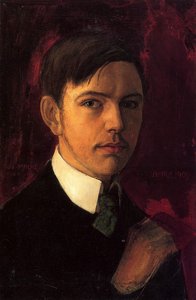
აუგუსტ მაკე
1887 - 1914 , გერმანია
მოკლე ფაქტები
- Artistic Movement Or Style: ექსპრესიონიზმი
- Artists Or Movements Influenced By This Artist: ['Der Blaue Reiter']
- Artists Who Influenced This Artist:
- Robert Delaunay
- Franz Marc
- Date Of Birth: 3 იანვარი, 1887
- Date Of Death: 26 სექტემბერი, 1914
- Full Name: August Robert Ludwig Macke
- Nationality: გერმანელი
- Notable Artworks (List Of Titles):
- Woman in a Green Jacket
- Bathing Girls with Town
- Türkisches Café
- Place Of Birth (City And Country): Meschede, გერმანია
მსგავსი სტატიები

Ephemeral Visions: Exploring the Artistic Legacy & Nuances of Watercolor Painting
Explore the captivating world of watercolor painting! Discover its rich history, essential techniques, influential artists & collecting tips from art experts. A comprehensive guide for enthusiasts.

Ephemeral Visions: Exploring the History & Emotional Resonance of Watercolor Painting
Explore the captivating history of watercolor painting, from ancient techniques to modern masters like Kandinsky & Blake. Discover essential artists, collecting tips & the emotional power of this luminous medium. Expert insights for art enthusiasts.

Ephemeral Visions: Exploring the Artistic Legacy & Contemporary Practice of Watercolor Painting
Explore the captivating world of watercolor painting! Discover its rich history, essential techniques, influential artists & collecting tips. A comprehensive guide for art enthusiasts from OriginalUniqueArt.
პიერ-ოგუსტ რენუარის 25 შედევრი: ხელოვნების ისტორია თქვენს სახლში | OriginalUniqueArt
გაიცანით პიერ რენუარის 25 საუკეთესო შედევრი! იმპრესიონიზმის სინათლე, ფერი და სილამარე. Le Moulin de la Galette-დან Luncheon of the Boating Party-მდე – ხელოვნების ისტორია OriginalUniqueArt-ზე. ნახატების რეპროდუქციები თქვენი სახლისთვის. Explore the full collection online!

Watercolor Wonders: 10 Masterpieces That Redefined Art History | OriginalUniqueArt
Journey through 10 legendary watercolor masterpieces by Sargent, Turner & Homer! Explore iconic landscapes, portraits & floral art that redefined history. Find museum-quality reproductions and curated decor ideas at OriginalUniqueArt.com.


