
 ნახვა ინტერьерში
 გაგზავნა
 გაზიარება
 დეტალები
 გზამკვლევი

 ჩამოტვირთვა
 მსგავსები
 რენტგენოგრაფიული კვლევა
 სლაიდშოუ
 სტატისტიკა
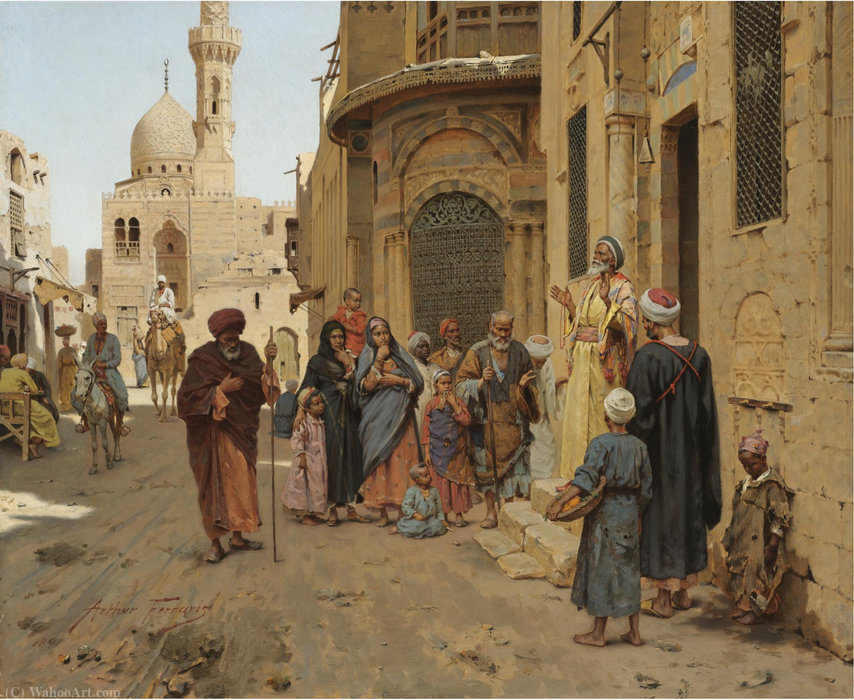
A captive audience, cairo
 სრული ტექსტის ნახვა
ხელით შესრულებული ზეთის საღებავით რეპროდუქცია
ტილოზე შესრულებული ფერწერიანი ზეთប្រდათი, თქვენთვის სასურველი ზომისა და ჩარჩოსთვის, ჩვენი ხელოვანების მიერ შეკვეთის საფუძველზე დამზადებული. ( გადართვა ბეჭდვის რეჟიმზე გადასვლა ციფრულ გამოსახულებაზე)




































აირჩიეთ ჩვენს მიერ წინასწარ განსაზღვრული ზომებიდან, რომლებიც ნაწარმოების ორიგინალურ პროპორციებს შეესაბამება.

თქვენ შეგიძლიათ მიუთითოთ თქვენთვის სასურველი ზომები კონკრეტული ჩარჩოს ან სივრცის შესაბამისად. თუ თქვენ მიერ არჩეული ზომა არ შეესაბამება ორიგინალი გამოსახულების პროპორციებს, ჩვენ ან შევაჭრებთ ნაწარმოებს, ან ტილოზე დავამატებთ ხელით მოხატულ ელემენტებს. წარმოების დაწყებამდე, დასამტკიცებლად გამოგეგზავნებათ ციფრული მაკეტი.
გთხოვთ, გაითვალისწინოთ, რომ ეკრანზე ნაჩვენები წინასწარი შეხედულება არ ასახავს რეალურ შეჭრას ან გაფართოებას. საბოლოო კომპოზიციას ზუსტად მხოლოდ მაკეტი წარმოაჩენს.
მიუხედავად იმისა, რომ შესაძლებელია ინდივიდუალური ზომების შერჩევა, ორიგინალური პროპორციების შენარჩუნებისათვის გირჩევთ, გამოიყენოთ წინასწარ განსაზღვრული სიის ზომები.
შეკვეთის შემდეგ, OriginalUniqueArt.com გუნდი დაგიკავშირდებათ ელექტრონული ფოსტით ინსტრუქციებისთვის და გამოგიგზავნით წინასწარ ნახაზს (mockup).
მიწოდება მსოფლიო მასშტაბით -ში 3/4 კვირაში, სტანდარტული 5 კვირის ნაცვლად. (25 სექტემბერი). ხარისხზე კომპრომისის გაკეთება არ მოხდება.

უფასო ექსპრეს მიწოდება მთელ მსოფლიოში

მაღალი ხარისხის ტილო

ტრანსპორტირების სრული დაზღვევა

საბაჟო გადასახადების დაბრუნების გარანტია

ფერების სრული შესაბამისობის გარანტია

დაბრუნების 100-დღიანი პერიოდი (მხოლოდ წარმოების დეფექტის შემთხვევაში)

100% თანხის სრული დაბრუნების გარანტია

ფასდაკლება დიდი რაოდენობით შეკვეთისას
 მინის ჩარჩოს არჩევანი ხელმისაწვდომია მხოლოდ 110 სმ-მდე ზომისთვის

A captive audience, cairo
რეპროდუქციის ტექნიკა
რეპროდუქციის ზომა
-


ჯამური ღირებულება
$ 300
მხატვრის ბიოგრაფია
Arthur von Ferraris: A Hungarian Visionary of the Orient
Arthur von Ferraris (1856-1936) emerged from Budapest, Hungary, as a painter captivated by the exotic allure of the East – specifically Egypt and Persia. His artistic journey wasn’t merely about depicting landscapes; it was an attempt to capture the soul of cultures vastly different from his own upbringing, reflecting a burgeoning fascination with anthropology and comparative religion during the late 19th century. Unlike many artists of his time focused on grand narratives or idealized representations, Ferraris sought authenticity, meticulously observing daily life and striving for nuanced portrayals that conveyed both visual splendor and psychological depth.- Early Life & Education: Born into a wealthy family with connections to the Austro-Hungarian Empire, Ferraris received a privileged education emphasizing classical studies alongside artistic pursuits. He initially studied at Budapest University before embarking on independent travels throughout Europe, absorbing influences from Impressionism and Academic painting.
- Cairo Inspirations: Ferraris’s breakthrough came during his expeditions to Egypt between 1890 and 1905. These voyages profoundly impacted his artistic vision, fueling a series of paintings that immortalized Cairo's vibrant marketplaces, bustling streets, and religious ceremonies. He skillfully employed atmospheric perspective and luminous color palettes—techniques championed by Impressionists like Claude Monet—to convey the sensory experience of these locations.
- Notable Works & Patronage: Ferraris gained recognition within Hungarian artistic circles and enjoyed patronage from prominent figures, including Emperor Franz Joseph I. His paintings graced the walls of royal residences and were exhibited at prestigious salons in Paris and Vienna. Among his most celebrated pieces are “Blind Man At The Mosque” and “The Blind Man,” which exemplify his dedication to portraying marginalized individuals with compassion and dignity.
- Legacy & Influence: Arthur von Ferraris’s contribution to Orientalist painting extends beyond mere aesthetic beauty. He championed a humanist approach, prioritizing observation and psychological insight over romanticized clichés. His work continues to inspire artists today who strive for truthful depictions of cultures outside the Western canon. Moreover, Ferraris's meticulous attention to detail and masterful use of color solidified his place as one of Hungary’s foremost painters of the Belle Époque—a period marked by artistic innovation and intellectual curiosity.

arthur von ferraris
1856 - 1936
მოკლე ფაქტები
- Artistic Movement Or Style: Orientalism
- Date Of Birth: 1856
- Date Of Death: 1936
- Full Name: Arthur von Ferraris
- Nationality: Hungarian
- Notable Artworks:
- Driving A Bargain
- Blind Man At The Mosque
- The Blind Man
- Place Of Birth: Hungary