ბეჭდვის რეჟიმზე გადართვა
 გააგრძელეთ კითხვა







































 ნებისმიერი მხარისთვის 105 სმ-ზე (დაახლოებით 41 ინჩი) მეტი ზომის ხელოვნებული ნამუშევრების ან რეპროდუქციებისთვის, ჩარჩო მოგზავნდება დაშლილ კომპლექტში. ეს მეთოდი უზრუნველყოფს უსაფრთხო მიწოდებას და თავიდან აგაცილებთ ტრანსპორტირებისას შესაძლო დაზიანებას.


Waterfall – Exploring Emotion Through Fluid Form
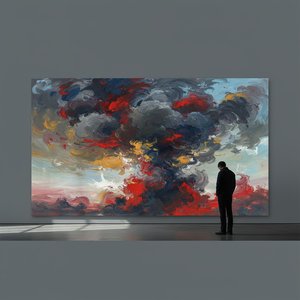
Arshile Gorky’s “Waterfall,” painted in 1943, stands as an arresting testament to the burgeoning Abstract Expressionist movement and its profound engagement with psychological depth. Measuring 97 x 24 cm, this canvas transcends mere visual representation; it's a deliberate invitation into a landscape of feeling—a realm where subconscious impulses coalesce into striking chromatic harmonies.
Stylistic Innovation: Beyond Literal Depiction
Unlike traditional landscapes that strive for accurate depiction, Gorky abandons realism altogether. Instead, he harnesses the expressive power of fluid lines and biomorphic shapes to conjure the dynamism inherent in flowing water—a concept deliberately chosen to circumvent conventional artistic conventions. The fragmented composition isn’t merely accidental; it reflects a broader cultural preoccupation with instability and displacement.
Technique & Materiality: Layered Texture and Gestural Brushstrokes
Executed in oil paints on canvas, “Waterfall” showcases Gorky's masterful command of texture and layering. Thick impasto areas juxtapose delicate washes of color, creating a rich visual tapestry that emphasizes the physicality of the painting process itself. Visible brushstrokes ripple across the surface—a testament to Gorky’s intuitive approach and his unwavering belief in capturing emotion through spontaneous gesture.
Historical Context: Trauma and Artistic Vision
Painted during a period marked by global conflict and personal anguish—specifically, following the harrowing experience of witnessing the Armenian Genocide—Gorky's artistic vision is profoundly shaped by these underlying emotions. The painting embodies vulnerability, fragmentation, and a palpable sense of disorientation—mirroring the anxieties prevalent in postwar Europe.
Symbolic Resonance: Fluidity as Embodiment of Emotion
The deliberate abstraction employed in “Waterfall” transcends literal representation, prioritizing symbolic resonance over precise visual accuracy. The flowing lines and amorphous shapes evoke not merely water but also concepts of movement, transformation, and perhaps even the subconscious—underscoring Gorky’s ambition to communicate profound psychological truths.
- Artist: Arshile Gorky
- Year: 1943
- Medium: Oil Paint on Canvas
- Style: Abstract Expressionism
This artwork is a captivating exploration of emotion and artistic innovation—a cornerstone of the Abstract Expressionist canon.
კითხვები და პასუხები
რომელი მხატვარი და რომელი სტილი დგას „ცხოვრების ჩან흐ევარი“-ის უკან?
ცხოვრების ჩან흐ევარი შექმნილია არშილ გორკი-ის მიერ Abstract Expressionism სტილში. ავტორი და სტილი ნამუშევრის ტრადიციას განსაზღვრავს.
სად შემიძლია ვიყიდო არშილ გორკი-ის „ცხოვრების ჩან흐ევარი“-ის ხელით შესრულებული რეპროდუქცია?
არშილ გორკი-ის „ცხოვრების ჩან흐ევარი“-ის ხელით ნათესლიერი ასლების შეკვეთნა შეგიძლიათ ეს ვებსაიტი-ზე: ლენის ტილოზე შესრულებული ზეთწარმოთი, ხელით ნათესლით, მათი ხელით შესრულებული რეპროდუქცია გვერდიდან შეკვეთით.
არის თუ არა არშილ გორკი-ის „ცხოვრების ჩან흐ევარი“ Abstract Expressionism მიმდევრობის ერთ-ერთი ყველაზე მოთხოვნადი ნამუშევარი?
Abstract Expressionism მიმდინარეობის ფარგლებში, ნამუშევარი „ცხოვრების ჩან흐ევარი“ ხასიათდება აღიარებული პოპულარობით.
 წინასწარი ნახვა
 გაგზავნა
 გაზიარება
 დეტალები
 გზამკვლევი

 ჩამოტვირთვა
 მსგავსები
 რენტგენოგრაფიული კვლევა
 სლაიდშოუ
 კითხვა-პასუხი
 სტატისტიკა