
 ნახვა ინტერьерში
 გაგზავნა
 გაზიარება
 დეტალები
 გზამკვლევი

 ჩამოტვირთვა
 მსგავსები
 რენტგენოგრაფიული კვლევა
 სლაიდშოუ
 Q&A
Q&A სტატისტიკა
Self-Portrait

- 27.0 x 35.0 cm


 სრული ტექსტის ნახვა
გიკლე / ხელოვნების პრინტი
მუზეუმის დონის ჟიკლე ან ტილოზე ბეჭდვა სწრაფი წარმოებისა და დასრულების მოქნილი ვარიანტებით. ( შეიძინეთ ხელით შესრულებული ნახატი გადასვლა ციფრულ გამოსახულებაზე)




P118B ₾10

P118H ₾10

P118W ₾10

P438Z ₾10

P508JH ₾12

P508YH ₾12

P805H ₾10

P805Z ₾10

P919BZ ₾10

P919G ₾10

P919XJ ₾10

P959ZH ₾10

P968JZ ₾12

W106C ₾8

W218G ₾10

W218JH ₾8

W218Y ₾10

W307PJ ₾10

W316G ₾10

W316PJ ₾8

W316Y ₾10

W398PJ ₾8

W4111J ₾10

W500HY ₾15

W500JH ₾15

W692G ₾12

W849H ₾8

W940BG ₾15

W953PJ ₾8




აირჩიეთ ჩვენს მიერ წინასწარ განსაზღვრული ზომებიდან, რომლებიც ნაწარმოების ორიგინალურ პროპორციებს შეესაბამება.

შეიყვანეთ თქვენთვის საჭირო სიგანე და სიმაღლე, რათა იგი მოერგოს თქვენს ჩარჩოს ან კედელს. ბეჭდვისას შესაძლებელია მხოლოდ მისი შემცირება და არა გაზრდა, ამიტომ სხვა ფორმის ზომის შემთხვევაში გამოსახულება ნაწილობრივ იკარგება. სანამ რაიმეს დაბეჭდავთ, ჩვენ გამოგიგზავნით ციფრულ მაკეტს დასდასტურებლად. ამ გვერდზე ნაჩვენები სურათი არ ასახავს რეალურ ჭრას — ამას მხოლოდ მაკეტი გვიჩვენებს.
მიწოდება მთელ მსოფლიოში () 2 კვირაში, სტანდარტული 4/5 კვირის ნაცვლად. (2 ნოემბერი)

უფასო ექსპრეს მიწოდება მთელ მსოფლიოში

მაღალი ხარისხის ტილო

ტრანსპორტირების სრული დაზღვევა

საბაჟო გადასახადების დაბრუნების გარანტია

ფერების სრული შესაბამისობის გარანტია

დაბრუნების 100-დღიანი პერიოდი (მხოლოდ წარმოების დეფექტის შემთხვევაში)

100% თანხის სრული დაბრუნების გარანტია

ფასდაკლება დიდი რაოდენობით შეკვეთისას
 მინის ჩარჩოს არჩევანი ხელმისაწვდომია მხოლოდ 110 სმ-მდე ზომისთვის

Self-Portrait
გიკლე / ხელოვნების პრინტი
რეპროდუქციის ზომა
-


ჯამური ღირებულება
₾ 208
A Gaze Through Time: The Introspective Soul of Schoenberg
In the quiet, monochromatic depths of Arnold Schoenberg’s 1918 Self-Portrait, we encounter more than just a likeness; we meet a mind in the midst of a revolution. This striking black and white drawing captures the composer at a pivotal moment in his life and career. The subject, presented with a serious and contemplative expression, looks directly at the viewer, establishing an immediate, almost unsettling intimacy. His short hair, neatly groomed mustache, and formal attire—a suit and tie—suggest a man of discipline and intellect, yet there is an undeniable vulnerability beneath the surface. The composition focuses intensely on the face, stripping away all environmental distractions to force a confrontation between the observer and the observed.
The technique employed in this work speaks to the raw, unadorned honesty that characterized much of the era's avant-garde spirit. Through delicate linework and masterful use of tonal contrast, the artist breathes life into the shadows that contour his features. The absence of color serves a profound purpose, directing our attention toward the texture of the skin, the light reflecting in the eyes, and the somber weight of the subject's gaze. It is a study in restraint, where every stroke contributes to an atmosphere of psychological depth, mirroring the complex, often dissonant layers found within his groundbreaking musical compositions.
The Intersection of Music and Image
To understand this portrait, one must consider the historical landscape of 1918. As a central figure of the Second Viennese School, Schoenberg was actively dismantling the traditional structures of tonality, much like how this drawing dismantles the need for decorative flourish to convey meaning. There is a profound symmetry between his musical innovations—such as the development of atonality—and the stark, structural clarity of this self-portrait. Just as his music sought truth through the rejection of conventional harmony, this drawing seeks truth through the rejection of artifice.
For the collector or the interior designer, this piece offers a sophisticated anchor for a curated space. It possesses a timeless elegance that transcends the era in which it was created. The portrait does not merely decorate a wall; it commands attention and invites deep thought. Its monochromatic palette makes it an incredibly versatile choice for modern, minimalist, or classical interiors, providing a focal point of intellectual gravity. Whether placed in a quiet study, a contemporary gallery setting, or a grand salon, this reproduction serves as a window into the psyche of one of history's most influential creators, offering an enduring sense of prestige and profound emotional resonance.
კითხვები და პასუხები
რა არის არნოლდ შონბერგი-ის „Self-Portrait“-ის აღქმადი სიკაშკაშე?
ზოგადად, „Self-Portrait“-ის სინათლის დონე შეფასებულია როგორც brilliant. აღქმადი სიკაშკაშე აღწერს, თუ რამდენად ღია ან ბნელი ჩანს ნამუშევარი.
რომელი სივრცე შეესაბამება არნოლდ შონბერგი-ის „Self-Portrait“-ის ფერებს?
Neutrals პალიტრის წყალობით, არნოლდ შონბერგი-ის „Self-Portrait“ რეკომენდებულია Office-ისთვის. სწორედ ფერები განაპირობებს ამ რეკომენდაციას.
შემიძლება თუ არა არნოლდ შონბერგი-ის „Self-Portrait“-ის წინასწარ ნახვა შეკვეთამდე?
გვერდი წინასწარი ნახვა ნამუშევრის "Self-Portrait" საშუალებას გაძლევთ წინასწარ ნახოთ ხელოვნების ნიმუში შეკვეთამდე.
მხატვრის ბიოგრაფია
ადრეული ცხოვრება და მუსიკალური დასაწყისი
არნოლდ შონბერგი, ავსტრიელ-ამერიკელი კომპოზიტორი, 1874 წლის 13 სექტემბერს ვენაში, ავსტრიაში დაიბადა. მისი ადრეული წლები თავმდაბლად დაიწყო; მისი მამა ფეხსაცმლის მაღაზიის მფლობელი იყო. მიუხედავად ამისა, მუსიკისადმი შინაგანი ვნებამ მას იმედგო, რომ ამ სფეროში საკუთარი თავის განვითარება და თვითგანათლება მოახდინა.მუსიკალური ევოლუტიცია და გამორჩეული ნამუშევრები
შონბერგის ადრეული შემოქმედება, როგორიცაა verklärte nacht (1899), ბრამსისა და ვაგნერის სინთეზს წარმოაჩენდა. შემდგომი პროგრესის პარალელურად, ის გახდა მეორე ვენური სკოლის ცენტრალური ფიგურა ანტონ ვებერნთან და ალბან ბერგთან ერთად. მისმა კომპოზიციებმა, მათ შორის მე-2 სიმღერა კვარტეტი (1907–1908), erwartung (1909) და pierrot lunaire (1912), ატონალურობისადმი მისი ინოვაციური მიდგომა გამოკვეთა.მასწავლებლობა, ემ emigrationი და გვიანი წლები
1933 წელს, ნაცისტების ხელისუფლებაში მოსვლის გამო, შონბერგმა პრუსიის ხელოვნების აკადემიადან გადადგომაზე უარი თქვა, რადგან მათ მისი მუსიკა „დეგენერირებულად“ მიიჩნიეს. შემდგომ იგი აშშ-ში ასწავლიდა, მათ შორის კალიფორნიის უნივესიტეტში, ლოს-ანჯელესში (1936–1944), სადაც მისი სახელობის რესურსები არსებობს. [https://OriginalUniqueArt.com/@/arnold-schoenberg](აღმოაჩინეთ მეტი შონბერგის ცხოვრებისა და შემოქმედების შესახებ OriginalUniqueArt-ზე).- შონბერგმა გამოიკვლია კინომუსიკა და დაწერა უფრო ტონალური მუსიკა, რასაც მოჰყვა მისი მე-2 კამერული სიმფონია 1939 წელს.
- ბაირონის სტილში, მან ფაშისტური ტირანების სატირა შექმნა ნაპოლეონის ოდაში (1942).
- ომისშემდგომ ვენამ მას პატივი მიაგო და საპატიო მოქალაქედ გამოცხადდა, თუმცა კომპოზიტორი ავად იყო, რაც ასახულია მის სიმღერა ტრიოში (1946).
მემკვიდრეობა და გავლენა
როდესაც მსოფლიომ ჰოლოკოსტის შესახებ შეიტყო, შონბერგმა თავისი მსხვერპლშეწირულთა ხსნა უკვდავყო a survivor from warsaw (1947)-ში. 1951 წელს ისრაელის კონსერვატორიამ და მუსიკის აკადემიამ მისი პატივიცემად პრეზიდენტად აირჩია. [https://OriginalUniqueArt.com/@@/a@d3bqc7-the-museum-destroyed-by-fire-(united-states)](გაიგეთ მეტი მისი შემოქმედების გავლენის შესახებ OriginalUniqueArt-ზე). ძირითადი პუნქტები:- შონბერგის ინოვაციური მუსიკა მე-20 საუკუნის კლასიკური მუსიკის ყველაზე გავლენიანი და პოლემიკური ნაწარმი იყო.
- კომპოზორთა სულ მცირე სამმა თაობამ განავითარა მისი ფორმალური პრინციპები.
- მისი ესთეტიკურმა და მუსიკალურ-ისტორიულმა ხედვებმა გავლენა მოახდინა მუსიკოლოგებზე, თეოდორ ადორნოზე და კარლ დალჰაუსზე.

არნოლდ შონბერგი
1874 - 1951 , ავსტრია
მოკლე ფაქტები
- Artistic Movement Or Style: Dუეულტ tone-ური ტექნიკა; ექსპრესიონიზმი
- Artists Or Movements Influenced By This Artist:
- Anton Webern
- Alban Berg
- Artists Who Influenced This Artist:
- Johannes Brahms
- Richard Wagner
- Date Of Birth: 13 სექტემბერი, 1874
- Date Of Death: 1951
- Full Name: Arnold Schoenberg
- Nationality: ავსტრიელი-ამერიკელი
- Notable Artworks:
- Suite, op. 29
- Music Typewriter
- Staffliner
- Place Of Birth: ვენა, ავსტრია
მსგავსი სტატიები

Monochrome Visions: Exploring the Aesthetic & Historical Significance of Black & White Photography
Explore the rich history & artistic power of black and white photography. From early techniques to iconic masters like Ansel Adams, discover why monochrome continues to captivate art lovers today. Expert insights for collectors.

Dark Masterpieces: 10 Iconic Paintings Dominated by Black Tones |
Explore 10 iconic paintings dominated by black tones, from Rembrandt’s chiaroscuro to Goya's dark expressions. Discover the stories behind these masterpieces & find museum-quality art reproductions for your home at .

White on Canvas: 10 Masterpieces & Timeless Elegance for Your Home Decor
Explore 10 iconic white paintings by Monet, Whistler & Rothko! Discover the stories behind these serene masterpieces and their impact on art history. Find museum-quality reproductions for your home decor at .
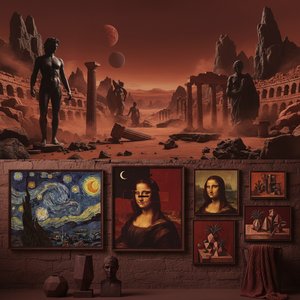
Mars Black Masterpieces: 10 Iconic Paintings & Timeless Art Decor Ideas
Delve into the power of 'Mars Black' with 10 iconic paintings by masters like Rembrandt & Caravaggio. Explore dramatic chiaroscuro, gothic art, and timeless beauty. Find museum-quality reproductions & elevate your home decor on .

Shadow & Soul: Why Black & White Photography Remains the Ultimate Power Move in Modern Art
Discover why black & white photography remains a powerful force in contemporary art. Explore the impact of light, shadow, and texture through a visual journey of monochrome mastery and learn how to elevate your space with timeless grayscale aesthetics.


