
 გაგზავნა
 გაზიარება
 დეტალები
 გზამკვლევი

 ჩამოტვირთვა
 მსგავსები
 სლაიდშოუ
 კითხვა-პასუხი
 სტატისტიკა
Erwartung, op. 17

- 36.0 x 28.0 cm


 გააგრძელეთ კითხვა
გიკლე / ხელოვნების პრინტი
მუზეუმის დონის ჟიკლე ან ტილოზე ბეჭდვა სწრაფი წარმოებისა და დასრულების მოქნილი ვარიანტებით. ( შეიძინეთ ხელით შესრულებული ნახატი გადართვა ციფრულ გამოსახულებაზე)




































აირჩიეთ ჩვენს მიერ წინასწარ განსაზღვრული ზომებიდან, რომლებიც ნაწარმოების ორიგინალურ პროპორციებს შეესაბამება.

შეიყვანეთ თქვენთვის საჭირო სიგანე და სიმაღლე, რათა გამოსახულებამ თქვენს ჩარჩოს ან კედელს ზუსტად მოერგოს. ბეჭდვისას შესაძლებელია მხოლოდ მისი შემცირება და არა გაზრდა, ამიტომ სხვა ფორმის ზომის შემთხვევაში სურათი ნაწილობრივ იკარგება. სანამ რაიმეს დაბეჭდავთ, ჩვენ გამოგიგზავნით ციფრულ მაკეტს დასდასტურებლად. ამ გვერდზე ნაჩვენები სურათი არ ასახავს რეალურ ჭრას — ამას მხოლოდ მაკეტი გვიჩვენებს.
მიწოდება მთელ მსოფლიოში () 2 კვირაში, სტანდარტული 4/5 კვირის ნაცვლად. (8 ნოემბერი)

უფასო ექსპრეს მიწოდება მთელ მსოფლიოში

მაღალი ხარისხის ტილოს ქსოვილი

ტრანსპორტირების სრული დაზღვევა

საბაჟო გადასახადების დაბრუნების გარანტია

ფერების სრული შესაბამისობის გარანტია

დაბრუნების 100-დღიანი პოლიტიკა (მხოლოდ დეფექტის შემთხვევაში)

100% თანხის სრული დაბრუნების გარანტია

ფასდაკლება დიდი რაოდენობით შეკვეთისას
 მინის ჩარჩოს არჩევანი შესაძლებელია მხოლოდ 110 სმ-მდე ზომისთვის

Erwartung, op. 17
გიკლე / ხელოვნების პრინტი
რეპროდუქციის ზომა
-


საბოლოო ღირებულება
₾ 211
A Fragment of Anxiety: Schoenberg's "Erwartung" – A Window into Musical Angst
This meticulously crafted hand-painted reproduction offers an unparalleled glimpse into the genesis of Arnold Schoenberg’s groundbreaking monodrama, “Erwartung” (Expectation), composed in 1909. More than just a musical score, it is a tangible embodiment of intense creative struggle and a profound exploration of human emotion – a testament to Schoenberg's revolutionary approach to composition. The image captures the very document upon which this pivotal work was born, revealing the raw, almost frantic energy that fueled its creation.
- The Score as Canvas: The reproduction faithfully replicates the original score, a chaotic yet meticulously organized collection of notes, symbols, and handwritten annotations. Schoenberg’s characteristic use of short scores – a technique designed to capture fleeting moments of heightened emotion – is strikingly evident.
- A Moment Frozen in Time: The inclusion of two clocks within the image adds another layer of significance. These aren't merely decorative elements; they represent the relentless passage of time, a key thematic concern within “Erwartung,” where suspense and anticipation build to unbearable tension.
- Technical Detail: Notice the varying levels of detail – fully notated pitches and rhythms alongside fragmented dynamics and phrasing, reflecting Schoenberg’s initial approach. This reveals the composer's iterative process, constantly refining his vision as he wrestled with translating psychological states into musical form.
The Birth of Atonality: Contextualizing "Erwartung"
"Erwartung," created in Steinakirchen (Lower Austria), marked a radical departure from traditional tonal music. Schoenberg, alongside Alban Berg and Anton Webern, spearheaded the development of atonality – a system where no single note held inherent harmonic significance. This wasn't simply about discarding established rules; it was an attempt to represent the subjective experience of emotion with unprecedented directness. The monodrama’s narrative, centered around a woman’s increasingly paranoid and unsettling wait for a lover, perfectly mirrored this new musical landscape.
Schoenberg himself articulated his intent brilliantly: “I have written something for the theatre: a monodrama. By that I mean a piece in which only one person appears…” This focus on singular experience, amplified by the dramatic tension of the score, is central to understanding "Erwartung’s" enduring power.
Symbolism and Emotional Resonance
The black-and-white aesthetic of the original photograph lends itself powerfully to the drama unfolding within the score. The stark contrast emphasizes the fragmented nature of the musical ideas and the unsettling atmosphere of anticipation. The handwritten annotations, often corrections or fleeting thoughts, contribute to a sense of vulnerability and intellectual struggle – mirroring the protagonist’s descent into paranoia.
The image isn't just a representation of music; it is an invitation to experience the raw emotional core of Schoenberg’s masterpiece. It speaks to themes of anxiety, isolation, and the fragility of human perception—themes that continue to resonate with audiences today.
Specifications
Title: Erwartung, op. 17 Description: As detailed in the artwork information. Size: 36 x 28 cm Date: 1909 Artist: Arnold Schoenberg Birth Year: 1874 Death Year: 1951კითხვები და პასუხები
რამდენი წლის იყო არნოლდ შონბერგი, როდესაც „Erwartung, op. 17“ შეიქმნა?
არნოლდ შონბერგი 35 წლის იყო, როდესაც 1909 წელს შექმნა „Erwartung, op. 17“. ასაკი გამოთვლილია ხელოვანის დაბადების წლის, 1874, საფუძველზე.
რა ეპოქას მიეკუთვნება "Erwartung, op. 17"?
არნოლდ შონბერგი-ის „Erwartung, op. 17“-ის ისტორიული პერიოდია 19th Century. ეს კლასიფიკაცია ნამუშევარს ხელოვნების ისტორიაში განსაზღვრავს.
რა არის არნოლდ შონბერგი-ის „Erwartung, op. 17“-ის დომინანტური ფერი?
Putty (#e8cda1) არის არნოლდ შონბერგი-ის „Erwartung, op. 17“-ის დომინანტური ფერი.
მხატვრის ბიოგრაფია
ადრეული ცხოვრება და მუსიკალური დასაწყისი
არნოლდ შონბერგი, ავსტრიელ-ამერიკელი კომპოზიტორი, 1874 წლის 13 სექტემბერს ვენაში, ავსტრიაში დაიბადა. მისი ადრეული წლები თავმდაბლად დაიწყო; მისი მამა ფეხსაცმლის მაღაზიის მფლობელი იყო. მიუხედავად ამისა, მუსიკისადმი შინაგანი ვნებამ მას იმედგო, რომ ამ სფეროში საკუთარი თავის განვითარება და თვითგანათლება მოახდინა.მუსიკალური ევოლუტიცია და გამორჩეული ნამუშევრები
შონბერგის ადრეული შემოქმედება, როგორიცაა verklärte nacht (1899), ბრამსისა და ვაგნერის სინთეზს წარმოაჩენდა. შემდგომი პროგრესის პარალელურად, ის გახდა მეორე ვენური სკოლის ცენტრალური ფიგურა ანტონ ვებერნთან და ალბან ბერგთან ერთად. მისმა კომპოზიციებმა, მათ შორის მე-2 სიმღერა კვარტეტი (1907–1908), erwartung (1909) და pierrot lunaire (1912), ატონალურობისადმი მისი ინოვაციური მიდგომა გამოკვეთა.მასწავლებლობა, ემ emigrationი და გვიანი წლები
1933 წელს, ნაცისტების ხელისუფლებაში მოსვლის გამო, შონბერგმა პრუსიის ხელოვნების აკადემიადან გადადგომაზე უარი თქვა, რადგან მათ მისი მუსიკა „დეგენერირებულად“ მიიჩნიეს. შემდგომ იგი აშშ-ში ასწავლიდა, მათ შორის კალიფორნიის უნივესიტეტში, ლოს-ანჯელესში (1936–1944), სადაც მისი სახელობის რესურსები არსებობს. [https://OriginalUniqueArt.com/@/arnold-schoenberg](აღმოაჩინეთ მეტი შონბერგის ცხოვრებისა და შემოქმედების შესახებ OriginalUniqueArt-ზე).- შონბერგმა გამოიკვლია კინომუსიკა და დაწერა უფრო ტონალური მუსიკა, რასაც მოჰყვა მისი მე-2 კამერული სიმფონია 1939 წელს.
- ბაირონის სტილში, მან ფაშისტური ტირანების სატირა შექმნა ნაპოლეონის ოდაში (1942).
- ომისშემდგომ ვენამ მას პატივი მიაგო და საპატიო მოქალაქედ გამოცხადდა, თუმცა კომპოზიტორი ავად იყო, რაც ასახულია მის სიმღერა ტრიოში (1946).
მემკვიდრეობა და გავლენა
როდესაც მსოფლიომ ჰოლოკოსტის შესახებ შეიტყო, შონბერგმა თავისი მსხვერპლშეწირულთა ხსნა უკვდავყო a survivor from warsaw (1947)-ში. 1951 წელს ისრაელის კონსერვატორიამ და მუსიკის აკადემიამ მისი პატივიცემად პრეზიდენტად აირჩია. [https://OriginalUniqueArt.com/@@/a@d3bqc7-the-museum-destroyed-by-fire-(united-states)](გაიგეთ მეტი მისი შემოქმედების გავლენის შესახებ OriginalUniqueArt-ზე). ძირითადი პუნქტები:- შონბერგის ინოვაციური მუსიკა მე-20 საუკუნის კლასიკური მუსიკის ყველაზე გავლენიანი და პოლემიკური ნაწარმი იყო.
- კომპოზორთა სულ მცირე სამმა თაობამ განავითარა მისი ფორმალური პრინციპები.
- მისი ესთეტიკურმა და მუსიკალურ-ისტორიულმა ხედვებმა გავლენა მოახდინა მუსიკოლოგებზე, თეოდორ ადორნოზე და კარლ დალჰაუსზე.

არნოლდ შონბერგი
1874 - 1951 , ავსტრია
მოკლე ინფორმაცია
- Artistic Movement Or Style: Dუეულტ tone-ური ტექნიკა; ექსპრესიონიზმი
- Artists Or Movements Influenced By This Artist:
- Anton Webern
- Alban Berg
- Artists Who Influenced This Artist:
- Johannes Brahms
- Richard Wagner
- Date Of Birth: 13 სექტემბერი, 1874
- Date Of Death: 1951
- Full Name: Arnold Schoenberg
- Nationality: ავსტრიელი-ამერიკელი
- Notable Artworks:
- Suite, op. 29
- Music Typewriter
- Staffliner
- Place Of Birth: ვენა, ავსტრია
დაკავშირებული სტატიები
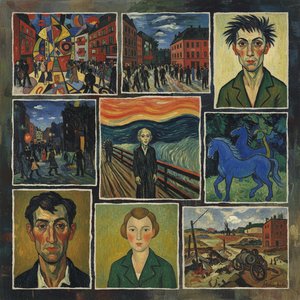
Expressionist Painting: 10 Masterpieces That Defined a Movement | OriginalUniqueArt
Explore 10 Expressionist paintings that revolutionized art! Discover Munch, Kirchner & Kandinsky's iconic works. Find museum-quality reproductions and vibrant canvas prints to elevate your home decor on OriginalUniqueArt.com.
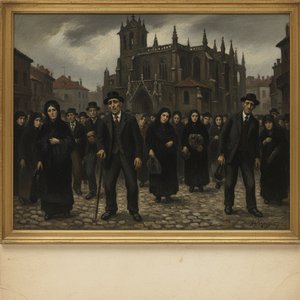
José Gutiérrez Solana: A Chronicle of Spanish Society Through Expressionist Vision
Explore the captivating world of José Gutiérrez Solana, a pivotal Spanish Expressionist painter. Discover his haunting depictions of early 20th-century Spain, influenced by Goya & El Greco. Learn about his key works and lasting legacy.
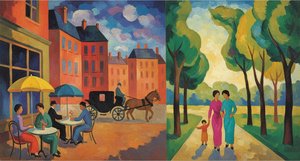
August Macke: Expressionist Visions of Harmony & Modern Life
Explore the vibrant Expressionist paintings of August Macke (1887-1914). Discover his key role in Der Blaue Reiter, Fauvist influences, and captivating depictions of modern life. A comprehensive guide for art enthusiasts & collectors.

The Visceral Self: Exploring Emotion & Identity in Expressionist Portraiture
Explore the powerful world of Expressionist portraiture with OriginalUniqueArt. Discover how artists captured raw emotion & identity through bold color and distortion. Expert insights for collectors.
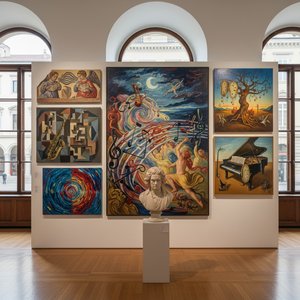
Harmonies on Canvas: Exploring the Visual Representation of Music in Art History
Explore the fascinating history of music's visual representation in art! From ancient symbolism to modern abstraction, discover how artists have captured sound and emotion on canvas. Expert insights & stunning examples.


