

 ნახვა ინტერьерში
 გაგზავნა
 გაზიარება
 დეტალები
 გზამკვლევი

 ჩამოტვირთვა
 მსგავსები
 რენტგენოგრაფიული კვლევა
 სლაიდშოუ
 სტატისტიკა
Blue Gaze
 Oil On Board
- Expressionist Abstraction
 1910
1910- Modern
 23.0 x 20.0 cm
 Arnold Schönberg Center
 სრული ტექსტის ნახვა
გიკლე / ხელოვნების პრინტი
მუზეუმის დონის ჟიკლე ან ტილოზე ბეჭდვა სწრაფი წარმოებისა და დასრულების მოქნილი ვარიანტებით. ( შეიძინეთ ხელით შესრულებული ნახატი გადასვლა ციფრულ გამოსახულებაზე)




P118B ₾10

P118H ₾10

P118W ₾10

P438Z ₾10

P508JH ₾12

P508YH ₾12

P805H ₾10

P805Z ₾10

P919BZ ₾10

P919G ₾10

P919XJ ₾10

P959ZH ₾10

P968JZ ₾12

W106C ₾8

W218G ₾10

W218JH ₾8

W218Y ₾10

W307PJ ₾10

W316G ₾10

W316PJ ₾8

W316Y ₾10

W398PJ ₾8

W4111J ₾10

W500HY ₾15

W500JH ₾15

W692G ₾12

W849H ₾8

W940BG ₾15

W953PJ ₾8




აირჩიეთ ჩვენს მიერ წინასწარ განსაზღვრული ზომებიდან, რომლებიც ნაწარმოების ორიგინალურ პროპორციებს შეესაბამება.

შეიყვანეთ თქვენთვის საჭირო სიგანე და სიმაღლე, რათა იგი მოერგოს თქვენს ჩარჩოს ან კედელს. ბეჭდვისას შესაძლებელია მხოლოდ მისი შემცირება და არა გაზრდა, ამიტომ სხვა ფორმის ზომის შემთხვევაში გამოსახულება ნაწილობრივ იკარგება. სანამ რაიმეს დაბეჭდავთ, ჩვენ გამოგიგზავნით ციფრულ მაკეტს დასდასტურებლად. ამ გვერდზე ნაჩვენები სურათი არ ასახავს რეალურ ჭრას — ამას მხოლოდ მაკეტი გვიჩვენებს.
მიწოდება მთელ მსოფლიოში () 2 კვირაში, სტანდარტული 4/5 კვირის ნაცვლად. (23 ოქტომბერი)

უფასო ექსპრეს მიწოდება მთელ მსოფლიოში

მაღალი ხარისხის ტილო

ტრანსპორტირების სრული დაზღვევა

საბაჟო გადასახადების დაბრუნების გარანტია

ფერების სრული შესაბამისობის გარანტია

დაბრუნების 100-დღიანი პერიოდი (მხოლოდ წარმოების დეფექტის შემთხვევაში)

100% თანხის სრული დაბრუნების გარანტია

ფასდაკლება დიდი რაოდენობით შეკვეთისას
 მინის ჩარჩოს არჩევანი ხელმისაწვდომია მხოლოდ 110 სმ-მდე ზომისთვის

Blue Gaze
გიკლე / ხელოვნების პრინტი
რეპროდუქციის ზომა
-


ჯამური ღირებულება
₾ 209
A Glimpse into the Mind of a Revolutionary: Arnold Schoenberg’s “Blue Gaze”
“Blue Gaze,” painted in 1910 by the titan of musical innovation, Arnold Schoenberg, is more than just a portrait; it's a visceral manifestation of artistic struggle and a testament to the burgeoning power of abstraction. Created during a pivotal period in Schoenberg’s life – a time when he was simultaneously wrestling with the radical new techniques of atonality in music and exploring the uncharted territories of visual expression – this small oil-on-board painting (23 x 20 cm) offers an intimate, unsettling glimpse into his creative process. The work's impact extends beyond its aesthetic qualities, profoundly influencing public perception of Schoenberg himself, as documented by Egon Wellesz’s insightful account.
- Subject: The painting depicts a distorted human face, dominated by an intensely blue gaze.
- Colors: A striking contrast is created between the cool blues and the warm orange hues of the background.
- Dimensions: 23 x 20 cm – a manageable size that belies the profound ideas it contains.
Schoenberg’s foray into painting, driven by an almost obsessive need to translate his musical innovations onto another medium, is remarkable. He abandoned the harmonic structures he had so meticulously crafted in music, seeking instead to capture a raw, emotional essence – a “color vision,” as he termed it. The deliberate distortion of the face suggests a rejection of conventional representation, mirroring the challenges inherent in Schoenberg’s revolutionary musical approach. It's a visual echo of his compositional techniques, pushing boundaries and demanding an active engagement from the viewer.
Technique and Materials: A Window into Schoenberg’s Process
Executed in oil on board, “Blue Gaze” demonstrates Schoenberg’s surprisingly adept skill as a painter. The brushwork is loose and expressive, prioritizing emotional impact over meticulous detail. The layering of orange hues creates an atmospheric depth that complements the intensity of the blue gaze. The choice of oil paint allowed for rich color saturation and blending – crucial elements in conveying the complex emotions Schoenberg sought to capture. This intimate medium reflects his dedication to a direct, unmediated artistic expression.
- Medium: Oil on Board
- Brushwork: Loose and expressive, prioritizing emotional impact.
- Color Palette: Contrasting blues and oranges create a dynamic visual effect.
Historical Context and Symbolism
Painted in 1910, “Blue Gaze” exists within the context of Schoenberg’s groundbreaking musical work – particularly his exploration of atonality. The painting can be interpreted as an attempt to externalize the anxieties and complexities associated with this radical shift in musical thought. The blue gaze itself is a potent symbol: often associated with melancholy, introspection, or even madness, it reflects the internal turmoil that Schoenberg was experiencing during this period. The orange background could represent passion, energy, or perhaps the vibrant hues of his musical imagination.
Furthermore, the painting’s exhibition at Heller’s Art Gallery in 1910 proved to be a watershed moment. It elevated Schoenberg from a composer to a cultural figure, demonstrating the power of abstract art to provoke thought and challenge conventional perspectives – a phenomenon that would continue to shape the 20th century.
Collecting “Blue Gaze”: A Statement of Artistic Appreciation
Today, this remarkable painting is housed at the Arnold Schönberg Center in Vienna. A hand-painted reproduction offers an unparalleled opportunity to own a piece of art history – a tangible connection to one of the most influential composers of all time. This artwork’s evocative power and historical significance make it a compelling addition to any discerning collection, offering both aesthetic pleasure and intellectual stimulation. Its dimensions (23 x 20 cm) make it suitable for a wide range of interior design settings, from small studies to larger living spaces. Code: ART-SCHOENBERG-BLUEGAZE
კითხვები და პასუხები
ზოგადად, რამდენად ნათელია "Blue Gaze"?
აღქმული სიკაშკაშის თვალსაზრისით, არნოლდ შონბერგი-ის „Blue Gaze“ არის bright.
რომელი მხატვარი და რომელი სტილი დგას „Blue Gaze“-ის უკან?
არნოლდ შონბერგი-მა შექმნა „Blue Gaze“ Expressionist Abstraction სტილის ფარგლებში.
როგორ ერთიანდება მოძრაობა და ეპოქა არნოლდ შონბერგი-ის „Blue Gaze“-ში?
"Blue Gaze" მიეკუთვნება Expressionist Abstraction სტილს, მისი ავტორი კი თანამედროვე ეპოქა ეპოქაში მოღვაწეობდა.
მხატვრის ბიოგრაფია
ადრეული ცხოვრება და მუსიკალური დასაწყისი
არნოლდ შონბერგი, ავსტრიელ-ამერიკელი კომპოზიტორი, 1874 წლის 13 სექტემბერს ვენაში, ავსტრიაში დაიბადა. მისი ადრეული წლები თავმდაბლად დაიწყო; მისი მამა ფეხსაცმლის მაღაზიის მფლობელი იყო. მიუხედავად ამისა, მუსიკისადმი შინაგანი ვნებამ მას იმედგო, რომ ამ სფეროში საკუთარი თავის განვითარება და თვითგანათლება მოახდინა.მუსიკალური ევოლუტიცია და გამორჩეული ნამუშევრები
შონბერგის ადრეული შემოქმედება, როგორიცაა verklärte nacht (1899), ბრამსისა და ვაგნერის სინთეზს წარმოაჩენდა. შემდგომი პროგრესის პარალელურად, ის გახდა მეორე ვენური სკოლის ცენტრალური ფიგურა ანტონ ვებერნთან და ალბან ბერგთან ერთად. მისმა კომპოზიციებმა, მათ შორის მე-2 სიმღერა კვარტეტი (1907–1908), erwartung (1909) და pierrot lunaire (1912), ატონალურობისადმი მისი ინოვაციური მიდგომა გამოკვეთა.მასწავლებლობა, ემ emigrationი და გვიანი წლები
1933 წელს, ნაცისტების ხელისუფლებაში მოსვლის გამო, შონბერგმა პრუსიის ხელოვნების აკადემიადან გადადგომაზე უარი თქვა, რადგან მათ მისი მუსიკა „დეგენერირებულად“ მიიჩნიეს. შემდგომ იგი აშშ-ში ასწავლიდა, მათ შორის კალიფორნიის უნივესიტეტში, ლოს-ანჯელესში (1936–1944), სადაც მისი სახელობის რესურსები არსებობს. [https://OriginalUniqueArt.com/@/arnold-schoenberg](აღმოაჩინეთ მეტი შონბერგის ცხოვრებისა და შემოქმედების შესახებ OriginalUniqueArt-ზე).- შონბერგმა გამოიკვლია კინომუსიკა და დაწერა უფრო ტონალური მუსიკა, რასაც მოჰყვა მისი მე-2 კამერული სიმფონია 1939 წელს.
- ბაირონის სტილში, მან ფაშისტური ტირანების სატირა შექმნა ნაპოლეონის ოდაში (1942).
- ომისშემდგომ ვენამ მას პატივი მიაგო და საპატიო მოქალაქედ გამოცხადდა, თუმცა კომპოზიტორი ავად იყო, რაც ასახულია მის სიმღერა ტრიოში (1946).
მემკვიდრეობა და გავლენა
როდესაც მსოფლიომ ჰოლოკოსტის შესახებ შეიტყო, შონბერგმა თავისი მსხვერპლშეწირულთა ხსნა უკვდავყო a survivor from warsaw (1947)-ში. 1951 წელს ისრაელის კონსერვატორიამ და მუსიკის აკადემიამ მისი პატივიცემად პრეზიდენტად აირჩია. [https://OriginalUniqueArt.com/@@/a@d3bqc7-the-museum-destroyed-by-fire-(united-states)](გაიგეთ მეტი მისი შემოქმედების გავლენის შესახებ OriginalUniqueArt-ზე). ძირითადი პუნქტები:- შონბერგის ინოვაციური მუსიკა მე-20 საუკუნის კლასიკური მუსიკის ყველაზე გავლენიანი და პოლემიკური ნაწარმი იყო.
- კომპოზორთა სულ მცირე სამმა თაობამ განავითარა მისი ფორმალური პრინციპები.
- მისი ესთეტიკურმა და მუსიკალურ-ისტორიულმა ხედვებმა გავლენა მოახდინა მუსიკოლოგებზე, თეოდორ ადორნოზე და კარლ დალჰაუსზე.

არნოლდ შონბერგი
1874 - 1951 , ავსტრია
მოკლე ფაქტები
- Artistic Movement Or Style: Dუეულტ tone-ური ტექნიკა; ექსპრესიონიზმი
- Artists Or Movements Influenced By This Artist:
- Anton Webern
- Alban Berg
- Artists Who Influenced This Artist:
- Johannes Brahms
- Richard Wagner
- Date Of Birth: 13 სექტემბერი, 1874
- Date Of Death: 1951
- Full Name: Arnold Schoenberg
- Nationality: ავსტრიელი-ამერიკელი
- Notable Artworks:
- Suite, op. 29
- Music Typewriter
- Staffliner
- Place Of Birth: ვენა, ავსტრია
მსგავსი სტატიები

Oil on Canvas: A Historical & Technical Exploration of a Timeless Artistic Medium
Explore the rich history & enduring techniques of oil painting on canvas. Discover the science behind its longevity, conservation practices, and contemporary relevance. Expert insights for art enthusiasts.

Slate Blue Masterpieces: 10 Iconic Paintings & Timeless Home Decor Ideas
Immerse yourself in the captivating world of slate blue! Explore 10 iconic paintings by Monet, Van Gogh & Renoir. Discover their stories, techniques & find museum-quality art reproductions for your home at .

The Enduring Legacy of Oil on Canvas: Technique, History & Aesthetic Impact
Explore the rich history & techniques of oil painting – from Renaissance masters to Impressionism. Discover pigments, layering methods, and why this timeless medium endures. Expert insights for artists & art enthusiasts.
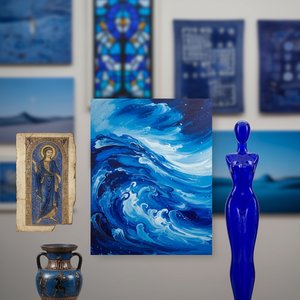
The Allure of Azure: Exploring the Symbolic & Aesthetic Depths of Blue in Art History
Explore the rich history of blue in art! Discover its symbolism, from ancient pigments to modern masterpieces by Kandinsky & Seurat. Uncover the psychological impact and cultural meanings behind this captivating hue.

The Enduring Power of Painting: A Historical & Contemporary Exploration of Form and Emotion
Explore the rich history & enduring techniques of oil painting with OriginalUniqueArt. Discover masterpieces, learn about art collecting, and find authentic handmade reproductions crafted by skilled artists.


