Symbolist Painting · 1879
Spring Evening (არნოლდ ბიოკლინi, 1879)
არნოლდ ბიოკლინi (1827–1901)-მა შექმნა Spring Evening. ის შექმნილ არის 1879 წელს. ის Symbolist Painting მიძღვნილ სტილს მიეკუთვნება. შესრულებულია Oil On Panel-ით. ნახატი დაცულია Szépművészeti Múzeum-ში, ბუდაპეშტი, უნგრეთი-ში. ზომა არის 67 × 129 cm.
- 1879
- Oil On Panel
- 67 × 129 cm
- Szépművészeti Múzeum, ბუდაპეშტი

 წინასწარი ნახვა

 ხელით შესრულებული ზეთប្រეწერი
 გაგზავნა
 გაზიარება
 სპეცფიკაცია


 ჩამოტვირთვა
 მსგავსები
 რენტგენოგრაფიული კვლევა
 სლაიდშოუ
 კითხვა-პასუხი

 სტატისტიკა
Spring Evening, მოკლედ
- სათაური
- Spring Evening
- ავტორი
- არნოლდ ბიოკლინi (1827–1901)
- ხატვის წელი და ადგილი
- ბაზელი, შვეიცარია
- თარიღი
- 1879
- ტექნიკა
- Oil On Panel
- ზომები
- 67 × 129 cm
- სად ნახვა შეგიძლიათ
- Szépművészeti Múzeum, ბუდაპეშტი, უნგრეთი
- მოძრაობა
- Symbolist Painting
- სუბიექტი
- mythology, nymphs, pan, forest, evening, landscape
რა არის გამოსახული Spring Evening-ში?
The Ethereal Embrace of Spring Evening
Arnold Böcklin’s “Spring Evening,” painted in 1879, isn't merely a depiction of a woodland scene; it’s an immersion into a realm of melancholic beauty and profound symbolism. Created during his time in Florence – a city that profoundly shaped his artistic vision – the painting captures a fleeting moment of enchantment, steeped in the atmosphere of late Romanticism and foreshadowing the rise of Symbolism. The canvas breathes with a quiet intensity, dominated by muted greens, blues, and browns, creating an almost dreamlike quality that immediately draws the viewer into its hushed world.
At the heart of the composition stands a woman, her posture suggesting both contemplation and vulnerability. Her hand gently resting on her head is a gesture simultaneously of yielding and quiet strength – she’s not passively observing but actively engaged with the scene unfolding before her. Beside her sits a man, seemingly lost in thought as he peruses a book, his presence offering a grounding element to the ethereal atmosphere. A bear, rendered with surprising tenderness, interacts playfully with both figures, blurring the lines between human and animal, nature and civilization. This carefully orchestrated tableau speaks of harmony, connection, and the delicate balance of the natural world.
A Symphony of Symbolism
Böcklin’s work is deeply rooted in mythology and folklore, drawing heavily on ancient Greek and Roman traditions. The central figure, often interpreted as Pan – the god of nature, shepherds, and wild music – plays his pipes, summoning a chorus of unseen nymphs from the surrounding forest. These dryads, with their flowing hair and graceful movements, represent the spirit of the woods, embodying both beauty and danger. The bear itself is a potent symbol, frequently associated with strength, wisdom, and primal instincts—a reminder of humanity’s connection to the earth.
The painting's muted palette contributes significantly to its symbolic weight. The cool blues and greens evoke a sense of melancholy and introspection, while the browns ground the scene in the tangible reality of the forest floor. The lighting is soft and diffused, creating an atmosphere of twilight—a liminal space between day and night, representing transition, mystery, and perhaps even mortality. Böcklin masterfully uses color not to simply depict a landscape but to convey complex emotions and ideas.
Technique and Artistic Influences
“Spring Evening” exemplifies Böcklin’s distinctive artistic style, characterized by meticulous detail, rich textures, and an almost obsessive attention to the natural world. He employed a technique of layering thin glazes of oil paint, building up color gradually to achieve remarkable depth and luminosity. The brushwork is subtle yet expressive, conveying both the smoothness of the forest floor and the intricate details of the foliage.
Böcklin’s artistic journey was profoundly influenced by his time in Düsseldorf, where he studied under Schirmer and became associated with the Düsseldorf School of Painting. However, it was in Florence that he truly developed his unique Symbolist vision, drawing inspiration from the city's rich cultural heritage and its connection to antiquity. The painting also reflects the influence of Romanticism, particularly the emphasis on emotion, imagination, and the sublime beauty of nature—themes central to the movement.
A Timeless Resonance
“Spring Evening” continues to resonate with viewers today because it taps into universal themes of longing, connection, and the search for meaning. Its evocative atmosphere and symbolic richness invite contemplation and offer a glimpse into the artist’s deeply personal vision. The painting's enduring appeal lies in its ability to transport us to another time and place—a world where myth and reality intertwine, and where the beauty of nature is inextricably linked to the mysteries of the human soul.
რომელ მუზეუმში ინახება Spring Evening?
Szépművészeti Múzeum
ბუდაპეშტი, უნგრეთი
Origins and History of Szépművészeti Múzeum The establishment of the Szépművészeti Múzeum was formalized by the Millennium Law of 1896. This legislative decision sought to create a dedicated institution for fine arts within Budapest, Hungary. The chosen site for this purpose was the location previously occupied by the Rotunda pavilion, a structure built to display the Feszty-körkép.


Spring Evening-ის მაღალი გარ Auflხ resolución-ის გამოსახულებები

საჯარო საკუთრება: მხატვარი გარდაიცვალა 1901 წელს.
სხვა ზომები, კადრისრები და ციტირება →არნოლდ ბიოკლინi, Spring Evening (1879), Szépművészeti Múzeum. საჯარო საკუთრება
კითხვები Spring Evening-ზე, პასუხები
სად შემიძლია ვნახო არნოლდ ბიოკლინi-ის „Spring Evening“ ორიგინალი?
ორიგინალი არნოლდ ბიოკლინi-ის „Spring Evening“ Szépművészeti Múzeum, ბუდაპეშტი, უნგრეთი-ში ინახება. რესპროდუქცია კი საშუალებას გაძლევთ, ეს ნამუშევარი თქვენს სახლში გამოფენოთ.
რა წელს შეიქმნა არნოლდ ბიოკლინi-ის „Spring Evening“?
Spring Evening შექმნილია 1879 წელს. ეს თარიღი ნამუშევარს არნოლდ ბიოკლინi-ის შემოქმედებითი კარიერისა და იმ ეპოქის კონტექსტში ათავსებს.
რა ტექნიკით არის შექმნილი "Spring Evening"?
"Spring Evening" შესრულებულია Oil On Panel-ით.
რა ზომისაა ორიგინალი "Spring Evening"?
ორიგინალი არნოლდ ბიოკლინi-ის „Spring Evening“ ზომავს 67 x 129 cm-ს.
რა არის გამოსახული არნოლდ ბიოკლინi-ის „Spring Evening“-ში?
სურათის "Spring Evening" თემებს წარმოადგენს mythology, nymphs, pan, forest, evening, landscape, symbolism, böcklin.
შეიძლება თუ არა არნოლდ ბიოკლინi-ის „Spring Evening“-ის გამოსახულების თავისუფლად რეპროდუცირება?
ავტორული უფლებების სტატუსი ნამუშევრისთვის არნოლდ ბიოკლინi-ის „Spring Evening“: ნამუშევარი არის საჯარო საკუთრებაშია — საავტორო უფლებები ამოწდა. ეს განსაზღვრავს, შესაძლებელია თუ არა გამოსახულების რეპროდუქციის თავისუფლად წარმოება.
რომელ ხელოვანს მიეწერება "Spring Evening"?
„Spring Evening“ მიკუთვნებულია არნოლდ ბიოკლინi-ს.
რომელ მხატვრულ მიმდევრობას წარმოადგენს არნოლდ ბიოკლინi-ის „Spring Evening“?
არნოლდ ბიოკლინi-ის „Spring Evening“-თან დაკავშირებული ხელოვნების მიმდინარეობა არის Symbolist Painting. ეს კლასიფიკაცია ნამუშევარს მსგავს ხელოვანთა და ქსნეულობათა წრეში ათავსებს.
არნოლდ ბიოკლინi-ის შემოქმედების რომელ პერიოდს მიეკუთვნება „Spring Evening“?
"Spring Evening" წარმოადგენს არნოლდ ბიოკლინi-ის შემოქმედებით პერიოდს: Late Period.
ხელပاتარში: არნოლდ ბიოკლინi
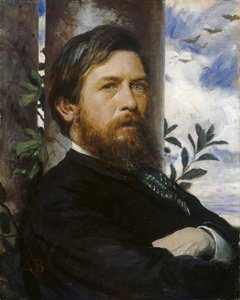
1827–1901, შვეიცარია
არნოლდ ბიოკლინi
The Shadow of the Isle Basel, Switzerland, provides the starting point for a life defined by the tension between the tangible and the spectral. Born on October 16, 1827, to Christian Frederick Böcklin and Ursula Lippe, the young man would eventually move beyond the silk trade of his father to the rigorous halls of the Düsseldorf Academy. Under the guidance of Schirmer, he began to absorb the language of landscape, a skill that would later be used to map the geography of the human soul. He did not merely paint scenery; he constructed realms where the classical and the macabre collide.
არნოლდ ბიოკლინi-ის შესახებ არნოლდ ბიოკლინi-ის გამორჩეული ნამუშევრები
ასევე არნოლდ ბიოკლინi-ის მიერ
 მ死 კუნძული (პირველი ვერსია)1880
 ავტოპორტრეტი სიკვდილთან, რომელიც ვიოლინს უკრავს
 ომი1896
 მკვდრుల კუნძული (ვერსია 5)1886

ესეები Spring Evening-ის შესახებ
 French artworks of the 1880sFrench Impressionist masterpieces by Claude Monet, Pierre-Auguste Renoir, and Georges Seurat. Find museum-quality reproductions on Original…
 Symphony of Sunlight: The Luminous Legacy of Pine Tree Landscapes in Art HistoryExplore the luminous history of pine landscapes through Sorolla and Shishkin. Discover the magic of forest art today.
 En Plein Air Serenity: Exploring the Luminous Beauty of Impressionist Garden ArtExplore the luminous history of Impressionist garden art through Monet and Van Gogh. Discover the magic of plein air painting today.