
 ნახვა ინტერьерში
 გაგზავნა
 გაზიარება
 დეტალები
 გზამკვლევი

 ჩამოტვირთვა
 მსგავსები
 რენტგენოგრაფიული კვლევა
 სლაიდშოუ
 Q&A
Q&A სტატისტიკა
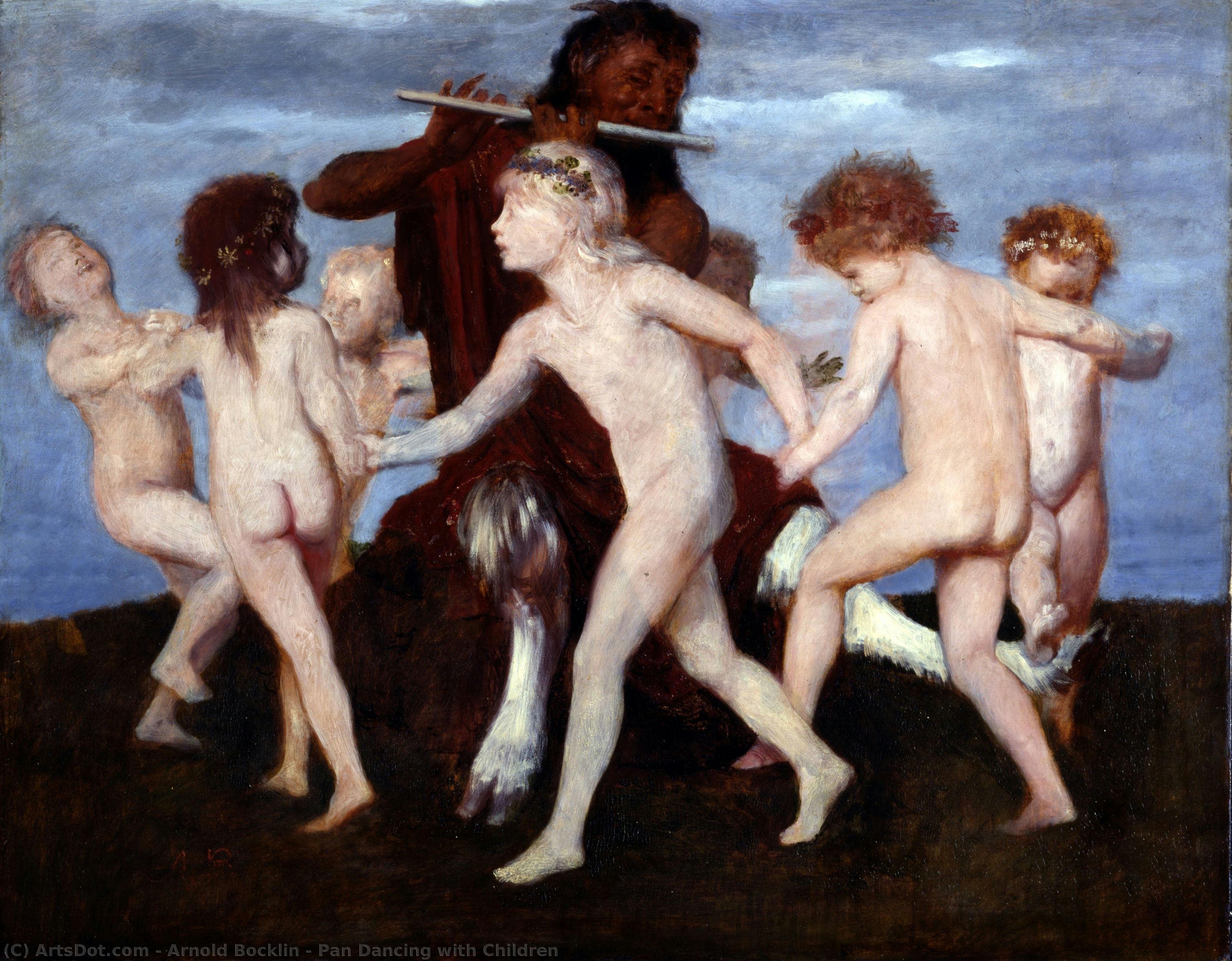
Pan Dancing with Children


 სრული ტექსტის ნახვა
გიკლე / ხელოვნების პრინტი
მუზეუმის დონის ჟიკლე ან ტილოზე ბეჭდვა სწრაფი წარმოებისა და დასრულების მოქნილი ვარიანტებით. ( შეიძინეთ ხელით შესრულებული ნახატი გადასვლა ციფრულ გამოსახულებაზე)




P118B ₾10

P118H ₾10

P118W ₾10

P438Z ₾10

P508JH ₾12

P508YH ₾12

P805H ₾10

P805Z ₾10

P919BZ ₾10

P919G ₾10

P919XJ ₾10

P959ZH ₾10

P968JZ ₾12

W106C ₾8

W218G ₾10

W218JH ₾8

W218Y ₾10

W307PJ ₾10

W316G ₾10

W316PJ ₾8

W316Y ₾10

W398PJ ₾8

W4111J ₾10

W500HY ₾15

W500JH ₾15

W692G ₾12

W849H ₾8

W940BG ₾15

W953PJ ₾8




აირჩიეთ ჩვენს მიერ წინასწარ განსაზღვრული ზომებიდან, რომლებიც ნაწარმოების ორიგინალურ პროპორციებს შეესაბამება.

შეიყვანეთ თქვენთვის საჭირო სიგანე და სიმაღლე, რათა იგი მოერგოს თქვენს ჩარჩოს ან კედელს. ბეჭდვისას შესაძლებელია მხოლოდ მისი შემცირება და არა გაზრდა, ამიტომ სხვა ფორმის ზომის შემთხვევაში გამოსახულება ნაწილობრივ იკარგება. სანამ რაიმეს დაბეჭდავთ, ჩვენ გამოგიგზავნით ციფრულ მაკეტს დასდასტურებლად. ამ გვერდზე ნაჩვენები სურათი არ ასახავს რეალურ ჭრას — ამას მხოლოდ მაკეტი გვიჩვენებს.
მიწოდება მთელ მსოფლიოში () 2 კვირაში, სტანდარტული 4/5 კვირის ნაცვლად. (31 ოქტომბერი)

უფასო ექსპრეს მიწოდება მთელ მსოფლიოში

მაღალი ხარისხის ტილო

ტრანსპორტირების სრული დაზღვევა

საბაჟო გადასახადების დაბრუნების გარანტია

ფერების სრული შესაბამისობის გარანტია

დაბრუნების 100-დღიანი პერიოდი (მხოლოდ წარმოების დეფექტის შემთხვევაში)

100% თანხის სრული დაბრუნების გარანტია

ფასდაკლება დიდი რაოდენობით შეკვეთისას
 მინის ჩარჩოს არჩევანი ხელმისაწვდომია მხოლოდ 110 სმ-მდე ზომისთვის

Pan Dancing with Children
გიკლე / ხელოვნების პრინტი
რეპროდუქციის ზომა
-


ჯამური ღირებულება
₾ 208
The Enigmatic Dance: Arnold Böcklin’s “Pan Dancing with Children”
Arnold Böcklin's "Pan Dancing with Children," painted around 1884, isn’t merely a depiction of a pastoral scene; it’s an immersion into a realm of mythic beauty and unsettling serenity. This captivating work, currently residing within the Museum Folkwang in Essen, Germany, transcends simple representation, offering instead a profound meditation on childhood innocence, primal connection to nature, and the lingering presence of ancient spirits. Böcklin, a key figure in the Symbolist movement, masterfully employed a muted palette—primarily ochres, browns, and deep greens—to create an atmosphere thick with twilight and dreamlike suggestion. The figures themselves are rendered with a remarkable degree of detail, yet possess an almost ethereal quality, as if caught between worlds.
The painting’s composition is deliberately ambiguous. A central group of nude children, seemingly unburdened by adult concerns, frolic around Pan, the god of the wild, shepherds, and flocks. They are engaged in a variety of activities: playing musical instruments crafted from branches, holding hands in playful circles, and gazing upwards with an expression that blends curiosity and contentment. The inclusion of putti—small winged infants—further enhances the sense of otherworldly grace and innocence. Notice how Böcklin subtly integrates elements of classical mythology – the flute Pan holds is a direct reference to the god’s traditional instrument – alongside the rustic setting, creating a harmonious blend of ancient lore and contemporary observation.
A Glimpse into Symbolist Aesthetics
Böcklin's work firmly establishes him as a pivotal figure in the Symbolist movement, which sought to evoke emotions and ideas rather than simply depict reality. Rejecting the naturalism prevalent in earlier art movements, Symbolists like Böcklin prioritized subjective experience and explored themes of death, memory, and the subconscious. “Pan Dancing with Children” exemplifies this approach through its evocative atmosphere and symbolic imagery. The painting’s muted colors, soft lighting, and dreamlike quality contribute to a sense of melancholy and longing—a feeling that resonates deeply within the viewer.
The choice of nudity is particularly significant. It isn't presented in a provocative manner but rather as an embodiment of primal innocence and connection to nature. The children’s vulnerability underscores their purity, while their joyful dance suggests a liberation from worldly concerns. Böcklin’s meticulous attention to detail—from the texture of the children’s skin to the delicate folds of their clothing—further emphasizes their tangible presence within the scene.
Technique and Materials: A Masterful Blend
While often categorized as a painting, “Pan Dancing with Children” incorporates elements of mixed media. Böcklin skillfully combined oil paints with photographic techniques, creating a unique visual texture that blends the immediacy of photography with the depth and richness of traditional painting. This hybrid approach allowed him to capture fleeting moments of light and shadow, imbuing the scene with an unparalleled sense of realism. The use of layering and glazing—applying thin washes of paint over previous layers—contributes to the work’s luminous quality and creates a subtle interplay of colors.
The artist's background in Düsseldorf, associated with the school known for its emphasis on realistic depiction, is evident in the meticulous rendering of the figures and their surroundings. However, Böcklin departs from traditional academic techniques by prioritizing atmosphere and emotional impact over precise representation. This deliberate shift reflects his commitment to Symbolist principles and his desire to create a work that transcends mere visual observation.
Symbolism and Interpretation: Echoes of Ancient Myths
Beyond its aesthetic qualities, “Pan Dancing with Children” is rich in symbolic meaning. Pan himself represents the untamed spirit of nature—a force both benevolent and potentially dangerous. The children’s dance can be interpreted as a celebration of life, joy, and connection to the natural world. However, there's also an undercurrent of melancholy—a sense that this idyllic scene is fleeting and destined to fade away. The painting subtly evokes themes of mortality and the cyclical nature of time.
The inclusion of ancient myths – Pan’s role as a shepherd god, the presence of putti – connects the work to a broader cultural heritage, suggesting a timeless resonance between humanity and the natural world. Böcklin's masterful use of symbolism invites viewers to engage in their own interpretations, creating a deeply personal and emotionally resonant experience. Reproductions of this iconic artwork continue to captivate audiences with its haunting beauty and profound sense of mystery.
კითხვები და პასუხები
არნოლდ ბოკლინი-ის „Pan Dancing with Children“ ნათელი თუ ბნელი ნამუშევარია?
აღქმული სიკაშკაშის თვალსაზრისით, არნოლდ ბოკლინი-ის „Pan Dancing with Children“ არის balanced.
სად იკავებს არნოლდ ბოკლინი-ის „Pan Dancing with Children“ ადგილს ხელოვნების ისტორიაში?
ისტორიულად, „Pan Dancing with Children“ არის უფრო ფართო 19th Century ეპოქის Symbolist Painting ნამუშევარი.
როგორ არის რეკომენდებული "Pan Dancing with Children"-ის ბეჭდვა - რა ზომით და რა ორიენტაციით?
Medium ზომა, Landscape ორიენტაცია: ეს არის არნოლდ ბოკლინი-ის „Pan Dancing with Children“-ისთვის რეკომენდებული ბეჭდვის პარამეტრი.
მხატვრის ბიოგრაფია
ადრეული ცხოვრება და სწავლება
არნოლდ ბოკლინი, შვეიცარიელი სიმბოლისტი ფატორი, 1827 წლის 16 ოქტომბერს დაიბადა ბაზელში, შვეიცარიაში. მისი მამა, კრისტიან ფრედერიკ ბოკლინი, შაფჰაუზენის ძველი ოჯახიდან მომავალი იყო და রძის ვაჭრობით იყო დაკავებული. არნოლდის დედა, ურსულა ლიპე, იმავე ქალაქის მკვიდრი იყო. მან დიუსელდორფის აკადემიაში, შირმერის მეთვალყურეობის ქვეშ იმეცადნა, სადაც ანსელმ ფეერბახის მეგობარი გახდა. ბოკლინის შემოქმედება მჭიდროდ არის დაკავშირებული დიუსელდორფის სკოლის მხატვრობასთან.კრეატიული კარიერა და სიმბოლიზმი
ბოკლინის სახელ nghệობის მოგზაურობამ მას სხვადასხვა ქალაქში მიიყვანა, მათ შორის პარიზში, სადაც ლუვრში მუშაობდა, და რომში, სადაც ქალაქის ხედებმა მასზე დიდი გავლენა მოახდინა. მისი ნამუშევრები ხშირად ასახავდა ალეგორიულ და მითოლოგიურ ფიგურებს კლასიკური არქიტექტურის გარემოში, რაც სიკვდილისა და წარმავანობის თემებს იკვლევდა.- დიდი პარკი, მისი ერთ-ერთი ადრეული ნამუშევარი, ძველ მითოლოგიას წარმოაჩენდა.
- ნიამფა და სატირი (1858) და საფონ (1859) ამ პერიოდის გამორჩეული ნამუშევრები იყო.
- ბოკლინის პორტრეტი ჩემი თავი, როცა სიკვდილი ვიოლინოს უკრავს (1872) მისი უნიკალური სტილის საუკეთესო მაგალითი იყო.
მემკვიდრეობა და გავლენა
ბოკლინი ყველაზე მეტად ცნობილია მკვდართა კუნძულის ხუთი ვერსიით (1880-1886), რომელიც ფლორენციის ინგლისურ სასაფლაოს აღძვრევდა, სადაც მისი ქალიშვილი იყო დაკრძალული. მისმა შემოქმედებამ გავლენა მოახდინა ისეთ ახალგაზრდა ხელოვანებზე, როგორიცაა ჰანს თომა, და შთაგონების წყაროდ იქცა რამდენიმე გვიან-რომანტიკოს კომპოზიტორისთვის.- კლემენტ გრინბერგმა ბოკლინის შემოქმედება აღწერა, როგორც თავისი ეპოქის "ერთ-ერთი ყველაზე სრულყოფილი გამოხატულება".
- ბოკლინის სტილი პრერაფაელიტებთან გადაკვეთას ახდენდა, რაც ხაზს უსვამდა სიზმრებისა და მისტიციზმის სამყაროს.
მუზეუმები და კოლექციები
ბოკლინის ნამუშევრები წარმოდგენილია სხვადასხვა მუზეუმში, მათ შორის:- Öffentliche Kunstsammlung (ბაზელი, შვეიცარია)
- Kunstmuseum Basel (შვეიცარია)
- Museum Kunsthaus Zürich (ციურიხი, შვეიცარია)
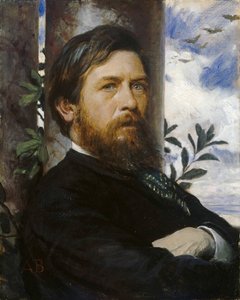
არნოლდ ბოკლინი
1827 - 1901 , შვეიცარია
მოკლე ფაქტები
- Artistic Movement Or Style: სიმბოლიზმი
- Artists Or Movements Influenced By This Artist:
- ჰანს თომა
- პრერაფაელიტები
- Artists Who Influenced This Artist:
- შირმერი
- ფოერბახი
- Date Of Birth: 16 ოქტომბერი, 1827
- Date Of Death: 16 იანვარი, 1901
- Full Name: არნოლდ ბოკლინი
- Nationality: შვისპერი
- Notable Artworks:
- მკვდართა კუნძული
- ნიამფა და სატირი
- საფო
- ჩემი პორტრეტი
- Place Of Birth: ბაზელი, შვეიცარია
მსგავსი სტატიები
Timeless Legends: A Curated Guide to the Eternal Allure of Mythological Masterpieces
Embark on a sophisticated journey through the eternal allure of mythological art. Discover how master painters breathe life into ancient legends, from Greek deities to Baroque masterpieces, and learn to curate these timeless narratives within your own exquisite art collection.
Echoes of Olympus: Mythological Narratives in Western Art Through the Ages
Explore the captivating history of mythological narratives in Western art! From ancient Greece to modern masterpieces, discover iconic artworks & symbolism. Expert analysis and high-quality reproductions at OriginalUniqueArt.
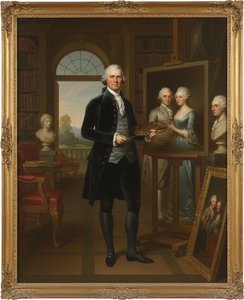
Sir Nathaniel Dance-Holland: Portraiture, Patronage & Georgian Identity
Explore the life & art of Sir Nathaniel Dance-Holland, a leading Georgian portraitist. Discover his masterful technique, influential patrons, and lasting impact on 18th-century British society. A guide for discerning collectors.
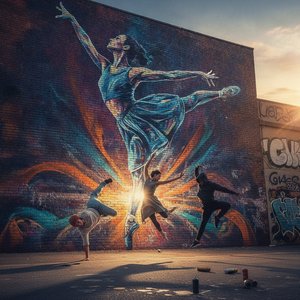
Move to the Beat: Bold & Iconic Dance Art to Electrify Your Space
Elevate your space with bold, iconic dance art. From street art vibes to Pop Art masterpieces, discover high-impact, hand-painted reproductions and custom commissions designed to move you. Transform your walls with the rhythm of contemporary culture.

Timeless Legends: The Eternal Allure of Mythological Figures in Masterpiece Art
Explore the profound beauty of mythological figures through the lens of art history. From Renaissance masterpieces to custom oil reproductions, discover how legendary tales of heroism and divinity are immortalized in fine art for discerning collectors.
