
 წინასწარი ნახვა
 გაგზავნა
 გაზიარება
 დეტალები
 გზამკვლევი

 ჩამოტვირთვა
 მსგავსები
 რენტგენოგრაფიული კვლევა
 სლაიდშოუ
 კითხვა-პასუხი
 სტატისტიკა
Ecce Homo


 გააგრძელეთ კითხვა
გიკლე / ხელოვნების პრინტი
მუზეუმის დონის ჟიკლე ან ტილოზე ბეჭდვა სწრაფი წარმოებისა და დასრულების მოქნილი ვარიანტებით. ( შეიძინეთ ხელით შესრულებული ნახატი გადართვა ციფრულ გამოსახულებაზე)




P118B ₾10

P118H ₾10

P118W ₾10

P438Z ₾10

P508JH ₾12

P508YH ₾12

P805H ₾10

P805Z ₾10

P919BZ ₾10

P919G ₾10

P919XJ ₾10

P959ZH ₾10

P968JZ ₾12

W106C ₾8

W218G ₾10

W218JH ₾8

W218Y ₾10

W307PJ ₾10

W316G ₾10

W316PJ ₾8

W316Y ₾10

W398PJ ₾8

W4111J ₾10

W500HY ₾15

W500JH ₾15

W692G ₾12

W849H ₾8

W940BG ₾15

W953PJ ₾8




აირჩიეთ ჩვენს მიერ წინასწარ განსაზღვრული ზომებიდან, რომლებიც ნაწარმოების ორიგინალურ პროპორციებს შეესაბამება.

შეიყვანეთ თქვენთვის საჭირო სიგანე და სიმაღლე, რათა გამოსახულებამ თქვენს ჩარჩოს ან კედელს ზუსტად მოერგოს. ბეჭდვისას შესაძლებელია მხოლოდ მისი შემცირება და არა გაზრდა, ამიტომ სხვა ფორმის ზომის შემთხვევაში სურათი ნაწილობრივ იკარგება. სანამ რაიმეს დაბეჭდავთ, ჩვენ გამოგიგზავნით ციფრულ მაკეტს დასდასტურებლად. ამ გვერდზე ნაჩვენები სურათი არ ასახავს რეალურ ჭრას — ამას მხოლოდ მაკეტი გვიჩვენებს.
მიწოდება მთელ მსოფლიოში () 2 კვირაში, სტანდარტული 4/5 კვირის ნაცვლად. (7 ნოემბერი)

უფასო ექსპრეს მიწოდება მთელ მსოფლიოში

მაღალი ხარისხის ტილოს ქსოვილი

ტრანსპორტირების სრული დაზღვევა

საბაჟო გადასახადების დაბრუნების გარანტია

ფერების სრული შესაბამისობის გარანტია

დაბრუნების 100-დღიანი პოლიტიკა (მხოლოდ დეფექტის შემთხვევაში)

100% თანხის სრული დაბრუნების გარანტია

ფასდაკლება დიდი რაოდენობით შეკვეთისას
 მინის ჩარჩოს არჩევანი შესაძლებელია მხოლოდ 110 სმ-მდე ზომისთვის

Ecce Homo
გიკლე / ხელოვნების პრინტი
რეპროდუქციის ზომა
-


საბოლოო ღირებულება
₾ 211
Antoine Étex’s Ecce Homo: A Testament to Neoclassical Grace Amidst Romantic Intrigue
Antoine Étex (1808-1888) stands as a pivotal figure in the transition from the rigid formalism of Neoclassicism to the expressive fervor of Romanticism within French art. While not a revolutionary innovator, Étex’s artistic legacy resides in his masterful ability to synthesize these opposing stylistic currents—a skill evident throughout his oeuvre and particularly poignant in “Ecce Homo,” a monumental marble sculpture group completed in 1856.
- Subject Matter: The artwork depicts Jesus Christ presented to the crowd (“Ecce Homo”), a scene directly drawn from Holy Scripture—a cornerstone of Christian iconography. This depiction embodies profound theological significance, conveying themes of humility, acceptance, and divine grace.
- Style & Technique: Étex’s approach firmly anchors itself in Neoclassical principles – symmetry, idealized forms, and meticulous attention to classical architectural references. However, subtle nuances betray a burgeoning Romantic sensibility, notably in the drapery of the angels which possesses an ethereal fluidity contrasting sharply with the sculpture's angular contours. The sculptor skillfully employed traditional carving techniques, utilizing marble dust and chisels to achieve remarkable detail and textural richness.
Architectural Context & Compositional Harmony
“Ecce Homo” isn’t merely a sculptural representation; it’s an integral part of Saint-Eustache Church in Paris, commissioned during the Second Empire—a period characterized by opulent patronage and ambitious architectural projects. The sculpture's placement within the arched basilica underscores its grandeur and reinforces the overarching sense of solemnity. Étex meticulously crafted the composition to achieve visual balance, centering Jesus’ figure amidst three angelic attendants. This deliberate arrangement reflects the humanist ideals prevalent in Neoclassical art while simultaneously conveying a spiritual depth characteristic of Romanticism.
Symbolic Resonance & Emotional Impact
The raised arms of Jesus are laden with symbolic weight—representing surrender to divine will and acceptance of suffering. The angels flanking Christ embody divine compassion and protection, reinforcing the artwork’s emotional core: reverence for faith and contemplation on themes of sacrifice and redemption. Étex's masterful manipulation of light and shadow enhances these emotive qualities, creating dramatic contrasts that illuminate Jesus’ face and upper body—a deliberate artistic choice designed to evoke a visceral response from the viewer.
A Legacy of Tradition Revisited
Ultimately, “Ecce Homo” exemplifies Étex's enduring contribution to French art history. He didn’t shatter conventions but skillfully adapted them to express the evolving spiritual and aesthetic sensibilities of his time—a testament to artistic integrity and a celebration of classical beauty infused with Romantic passion. Its enduring presence in Saint-Eustache Church serves as a tangible reminder of Étex's profound influence on French artistic culture.
კითხვები და პასუხები
ზუსტად რომელ ოთახშია რეკომენდებული Antoine Étex-ის „Ecce Homo“?
Antoine Étex-ის „Ecce Homo“ რეკომენდებულია Living Room-ისთვის. ეს შეფასება ეფუძნება ნამუშევრის თემატიკას, ფერებსა და განწყობას.
დაშვებულია თუ არა კანონიერად Antoine Étex-ის „Ecce Homo“-ის რეპროდუცირება, რომელიც სენ-ეუსტაშის ეკლესია-ში ინახება?
Antoine Étex-ის „Ecce Homo“-ის საავტორო უფლებების სტატუსი ნათელია: ნამუშევარი არის საჯარო საკუთრებაშია — საავტორო უფლებები ამოწდა. მისი ყოფნა სენ-ეუსტაშის ეკლესია-ში ამ სტატუსს არ ცვლის.
სად შემიძლია ვიპოვო სტატისტიკა Antoine Étex-ის „Ecce Homo“-ის შესახებ?
ნამუშევრის „Ecce Homo“თვის ხელმისაწვდომია სტატისტიკა გვერდი, სადაც წარმოდგენილია ამ ნამუშევრისა და ხელოვანის სხვა ნამუშევრების ყოველთვიური ნახვების სტატისტიკა, ქვეყნებისა და ენების მიხედვით.
მხატვრის ბიოგრაფია
A Life Bridging Worlds: Antoine Étex and the French Artistic Transition
Antoine Étex, born in Paris in 1808 and passing away in Chaville in 1888, occupies a fascinating, if sometimes overlooked, position within the landscape of 19th-century French art. He was an artist of remarkable versatility—a sculptor first and foremost, but also a painter and architect—who embodied the shifting currents that moved France from the formality of Neoclassicism toward the emotional intensity of Romanticism. Étex’s career wasn't defined by radical innovation, but rather by a skillful synthesis of tradition and emerging sensibilities, making his work a compelling reflection of its era. His early aptitude for the arts led him to formal training in sculpture, a discipline that would remain central to his artistic identity throughout his life, instilling within him a meticulous technique and deep understanding of classical forms.Early Recognition and Monumental Commissions
Étex first presented his work to the public at the prestigious Paris Salon in 1833, immediately signaling his arrival as a talent to watch. Two pieces were exhibited that year: a marble reproduction of *Death of Hyacinthus* and a plaster cast titled *Cain and His Race Cursed by God*. These early works demonstrated not only technical proficiency but also an ability to imbue mythological narratives and biblical scenes with dramatic weight and emotional resonance. However, it was a commission from Adolphe Thiers, then Minister of Public Works, that truly propelled Étex into the forefront of French artistic life. He was entrusted with creating the sculptural groups of *Peace* and *War* intended to adorn the east facade of the Arc de Triomphe. Completed between 1833 and 1837, these monumental sculptures were more than just decorative elements; they were statements of national identity and civic virtue, and their successful execution cemented Étex’s reputation as a leading sculptor of his generation. The scale and ambition of this project established him as an artist capable of handling large-scale public works with both technical skill and artistic vision.A Diverse Oeuvre: Sculpture, Painting, and Architecture
While best known for the Arc de Triomphe sculptures, Étex’s creative output was remarkably diverse. His oeuvre encompassed a wide range of sculptural groups exploring mythological and religious themes, demonstrating his continued engagement with classical subject matter. Beyond sculpture, he also undertook architectural projects, designing tombs and monuments that showcased his understanding of spatial relationships and decorative detail. Perhaps surprisingly to some, Étex also produced paintings, such as *Eurydice* and *The Martyrdom of Saint Sebastian*, revealing a versatility across different media that speaks to the breadth of his artistic interests. His style is characterized by a compelling blend of Neoclassical precision—evident in the anatomical accuracy and careful modeling of his figures—and Romantic expressiveness, which manifests in the dramatic narratives and heightened emotionality of his compositions. He didn’t abandon classical forms entirely, but infused them with a new sense of dynamism and psychological depth.A Poignant Tribute: The Tomb of Théodore Géricault
Among Étex's most poignant achievements is the tomb he designed for fellow artist Théodore Géricault in Père Lachaise Cemetery. This memorial stands as a powerful testament to both artistic skill and personal respect. It features a bronze figure of Géricault himself, gazing thoughtfully into the distance, alongside a low-relief depiction of his controversial masterpiece, *The Raft of the Medusa*. The choice to include this specific work is particularly significant; it acknowledges Géricault’s bold departure from academic conventions and his unflinching portrayal of human suffering. Étex's tomb isn’t merely a marker of death but a celebration of artistic courage and a poignant dialogue between two generations of French artists. It demonstrates Étex’s ability to capture complex emotions and translate them into enduring sculptural form.Legacy and Historical Significance
Antoine Étex was not solely dedicated to the practical execution of art; he also engaged with its intellectual underpinnings, authoring essays on subjects related to artistic theory and practice. This demonstrates a thoughtful engagement with the broader artistic discourse of his time. While perhaps not as widely celebrated today as some of his contemporaries, Étex’s contributions remain vital for understanding the development of 19th-century French sculpture and art. His work reflects the transitional period between Neoclassicism and Romanticism, bridging the gap between classical tradition and modern expression. He influenced subsequent generations of sculptors who sought to combine technical mastery with emotional depth, leaving behind a legacy that continues to resonate within the history of French art. His influence can be seen in the continued exploration of narrative sculpture and the integration of dramatic storytelling into monumental public works.
Antoine Étex
1808 - 1888 , France
მოკლე ინფორმაცია
- Full Name: Antoine Étex
- Nationality: French
- Date Of Birth: 1808
- Date Of Death: 1888
- Place Of Birth: Paris, France
- Notable Artworks:
- Peace
- War
- Géricault's Tomb
- Blanche de Castille
- Eurydice
- The Martyrdom of Saint Sebastian
- Artistic Movement Or Style: Neoclassical, Romanticism
დაკავშირებული სტატიები

Bronze Sculptures That Defined Art History | OriginalUniqueArt
Journey through art history with our Top 10 bronze sculptures! Explore masterpieces by Rodin, Michelangelo & more. Discover stories behind iconic statues and find museum-quality reproductions for your home decor at OriginalUniqueArt.com.

The Enduring Form: Exploring Themes & Techniques in Sculpture Across Historical Periods
Explore the rich history of sculpture from ancient masterpieces to contemporary innovations. Discover key techniques, influential artists & investment potential for discerning art collectors.
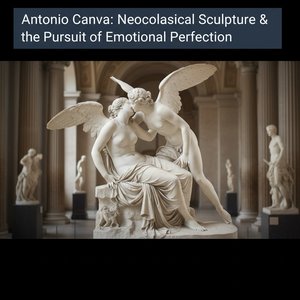
Antonio Canova: Neoclassical Sculpture & the Pursuit of Emotional Perfection
Explore the life & art of Antonio Canova, the greatest Neoclassical sculptor. Discover his masterpieces, innovative techniques, and lasting influence on fine art collecting. Expert insights for discerning investors.

Bronze Age to Modern Masters: 10 Sculptures That Redefined Art | OriginalUniqueArt
Journey through art history with 10 legendary bronze sculptures – from Michelangelo's David to Rodin’s Thinker. Explore the stories, techniques & timeless beauty of these masterpieces. Find museum-quality reproductions & elevate your home decor on OriginalUniqueArt.com.

The Enduring Form: Sculpture Across History, Technique & Emotional Resonance
Explore the rich history of sculpture with OriginalUniqueArt. Discover key techniques, influential artists & investment potential for discerning collectors. Expert insights into valuing and collecting timeless masterpieces.