

 ნახვა ინტერьерში
 გაგზავნა
 გაზიარება
 დეტალები
 გზამკვლევი

 ჩამოტვირთვა
 მსგავსები
 რენტგენოგრაფიული კვლევა
 სლაიდშოუ
 სტატისტიკა
Venus with a Satyr and Cupids
 Oil On Canvas
- WallArt
- Baroque
 1588
1588 112.0 x 142.0 cm
 Galleria degli Uffizi
 სრული ტექსტის ნახვა
გიკლე / ხელოვნების პრინტი
მუზეუმის დონის ჟიკლე ან ტილოზე ბეჭდვა სწრაფი წარმოებისა და დასრულების მოქნილი ვარიანტებით. ( შეიძინეთ ხელით შესრულებული ნახატი გადასვლა ციფრულ გამოსახულებაზე)




P118B ₾10

P118H ₾10

P118W ₾10

P438Z ₾10

P508JH ₾12

P508YH ₾12

P805H ₾10

P805Z ₾10

P919BZ ₾10

P919G ₾10

P919XJ ₾10

P959ZH ₾10

P968JZ ₾12

W106C ₾8

W218G ₾10

W218JH ₾8

W218Y ₾10

W307PJ ₾10

W316G ₾10

W316PJ ₾8

W316Y ₾10

W398PJ ₾8

W4111J ₾10

W500HY ₾15

W500JH ₾15

W692G ₾12

W849H ₾8

W940BG ₾15

W953PJ ₾8




აირჩიეთ ჩვენს მიერ წინასწარ განსაზღვრული ზომებიდან, რომლებიც ნაწარმოების ორიგინალურ პროპორციებს შეესაბამება.

შეიყვანეთ თქვენთვის საჭირო სიგანე და სიმაღლე, რათა იგი მოერგოს თქვენს ჩარჩოს ან კედელს. ბეჭდვისას შესაძლებელია მხოლოდ მისი შემცირება და არა გაზრდა, ამიტომ სხვა ფორმის ზომის შემთხვევაში გამოსახულება ნაწილობრივ იკარგება. სანამ რაიმეს დაბეჭდავთ, ჩვენ გამოგიგზავნით ციფრულ მაკეტს დასდასტურებლად. ამ გვერდზე ნაჩვენები სურათი არ ასახავს რეალურ ჭრას — ამას მხოლოდ მაკეტი გვიჩვენებს.
მიწოდება მთელ მსოფლიოში () 2 კვირაში, სტანდარტული 4/5 კვირის ნაცვლად. (28 ოქტომბერი)

უფასო ექსპრეს მიწოდება მთელ მსოფლიოში

მაღალი ხარისხის ტილო

ტრანსპორტირების სრული დაზღვევა

საბაჟო გადასახადების დაბრუნების გარანტია

ფერების სრული შესაბამისობის გარანტია

დაბრუნების 100-დღიანი პერიოდი (მხოლოდ წარმოების დეფექტის შემთხვევაში)

100% თანხის სრული დაბრუნების გარანტია

ფასდაკლება დიდი რაოდენობით შეკვეთისას
 მინის ჩარჩოს არჩევანი ხელმისაწვდომია მხოლოდ 110 სმ-მდე ზომისთვის

Venus with a Satyr and Cupids
გიკლე / ხელოვნების პრინტი
რეპროდუქციის ზომა
-


ჯამური ღირებულება
₾ 208
A Moment of Sensual Grace: Annibale Carracci’s “Venus with a Satyr and Cupids”
Annibale Carracci's "Venus with a Satyr and Cupids," painted in 1588, is more than just a depiction of the Roman goddess; it’s a vibrant tableau of desire, playful conflict, and the delicate balance between earthly pleasure and divine grace. This masterpiece, now residing within the hallowed halls of the Uffizi Gallery in Florence, offers a captivating glimpse into the burgeoning artistic landscape of late Mannerism and the nascent Baroque period – a time when artists sought to recapture the grandeur and naturalism of the High Renaissance while forging their own distinctive paths. The painting immediately draws the eye with its rich palette: deep reds and browns dominate, punctuated by shimmering golds and the blush of Venus’s skin. These warm tones create an intimate atmosphere, suggesting a private chamber where earthly delights intertwine with mythological narratives. Carracci masterfully employs chiaroscuro – the dramatic contrast between light and shadow – to sculpt the figures, lending them a palpable sense of volume and presence. The loose brushstrokes, characteristic of his Venetian-influenced style, contribute to a dynamic energy that seems to pulse beneath the surface of the composition.The Dance of Desire: Symbolism and Narrative
At the heart of "Venus with a Satyr and Cupids" lies a complex interplay of symbolism. Venus, reclining languidly on her side, embodies not just beauty but also fertility, love, and even divine power. Her pose is deliberately sensual, yet there’s an underlying sense of composure – she isn't merely yielding to desire; she seems to be observing it with a knowing detachment. The satyr, a mischievous woodland creature associated with Dionysus, represents the untamed instincts of passion and earthly pleasure. His playful advance towards Venus is tempered by the presence of the two cupids, who engage in a spirited game of chase and pursuit. One cupid, poised on the left, reaches out to touch her thigh, while the other, darting from right to left, attempts to restrain him – a visual representation of the eternal struggle between impulse and restraint. The inclusion of a wine glass subtly hints at the setting: a private chamber where indulgence is celebrated. The overall narrative isn’t simply a depiction of lust; it's an exploration of the tensions inherent in human desire, framed within the context of classical mythology.A Venetian Influence: Technique and Artistic Innovation
Carracci’s style in “Venus with a Satyr and Cupids” reveals a significant shift from the rigid formality of earlier Mannerism towards the more naturalistic approach championed by Venetian painters like Titian and Veronese. He adopts their masterful use of color, particularly the vibrant reds and browns that create a rich, luminous effect. The painting’s composition is dynamic and asymmetrical, reflecting the influence of Venetian perspective – a technique that emphasized depth and spatial illusion. Carracci's loose brushwork, a hallmark of his style, contributes to a sense of movement and immediacy, as if capturing a fleeting moment in time. Notably, the painting demonstrates an early adoption of Baroque techniques, foreshadowing the dramatic lighting and theatrical compositions that would define the era. The careful attention to detail, particularly in rendering the textures of skin, drapery, and foliage, showcases Carracci’s technical skill and his commitment to creating a visually compelling work.A Legacy of Beauty: Historical Context and Artistic Significance
Painted during a period of intense artistic experimentation and intellectual ferment, “Venus with a Satyr and Cupids” reflects the broader cultural shifts taking place in Italy at the end of the 16th century. The rise of humanism had fueled a renewed interest in classical antiquity, inspiring artists to draw inspiration from Greek and Roman mythology. Carracci’s work exemplifies this trend, seamlessly blending mythological themes with contemporary sensibilities. The painting's journey through history – initially displayed in the Medici collections, covered for moral reasons during the 18th century, and finally rediscovered – adds another layer of intrigue to its story. It stands as a testament to the enduring power of art to captivate and inspire across generations. Today, it remains a pivotal work in Carracci’s oeuvre and a significant example of the transition from Mannerism to Baroque painting.Bringing the Masterpiece Home: Reproductions and Interior Design
The allure of “Venus with a Satyr and Cupids” extends far beyond the walls of the Uffizi Gallery, making it an ideal subject for high-quality reproductions. A hand-painted reproduction captures the richness of Carracci’s color palette, the dynamism of his brushwork, and the emotional intensity of the scene. When incorporated into a carefully curated interior space, this artwork can serve as a focal point, injecting a touch of classical elegance and sensual drama. Consider pairing it with warm earth tones, luxurious fabrics, and antique furnishings to create an atmosphere of refined indulgence. The painting’s themes of love, desire, and the interplay between earthly pleasure and divine grace resonate deeply, making it a timeless addition to any discerning collection or sophisticated home.კითხვები და პასუხები
„Venus with a Satyr and Cupids“-ის ფერები მკვეთრია თუ რბილი?
ანნიბალე კარრაში-ის „Venus with a Satyr and Cupids“-ში შეფარებული ფერების ინტენსივობა არის Balanced.
შემიძლება შევუკვეთო "Venus with a Satyr and Cupids"-ის ზეთწარმოებული რეპროდუქცია?
"Venus with a Satyr and Cupids" ხელმისაწვდომია, როგორც ლენის ტილოზე შესრულებული ზეთწარმოთი, ხელით ნათესლით. შეკვეთის განთავსება და ზომების არჩევა შესაძლებელია მისი ხელით ნათესლიერი რეპროდუქცია გვერდის მეშვეობით.
რა ზომისაა ორიგინალი "Venus with a Satyr and Cupids"?
ორიგინალში „Venus with a Satyr and Cupids“ ზომას შეადგენს 112 x 142 cm. ორიგინალის ზომები სასარგებლო ორიგინალის რეპროდუქციის ზომის შერჩევისას.
მხატვრის ბიოგრაფია
ადრეული ცხოვრება და ბოლონიის ფესვები
ანნიბალე კარრაში დაიბადა ბოლონიაში, 1560 წლის 3 ნოემბერს, მხატვართა ოჯახში. მისი პირველი განათლება, სავარაუდოდ, ოჯახის სახელოსნოში გაიზარდა, რაც საფუძვლად დაედო კარიერას, რომელმაც იტალიური живописи ლანდშაფტი რადიკალურად შეცვალა. ბოლონია იმ დროს ინტელექტუალური და მხატვრული აფორიზმის ცენტრი იყო, თუმცა გარკვეულწილად მოწყვეტილი იყო რომისა და ვენეციის დომინანტი მიმდინარეობებისგან. ამ პროვინციალობის გრძნობამ ახალგაზდა მხატვართა ჯგუფს – ანნიბალეს, მის ძმას, აგოსტინოს და ბიძაშვილს, ლუდოვიკოს – უბიძგა ახალი გზის შექმნა, რომელიც იტალიური живописьს აღადგენდა მაღალი რენესანსის ოსტატებისკენ მიმრეკვობით, ხოლო ამავე დროს უფრო ნატურალისტული მიდგომის ჩართვით.
1582 წელს ამ მისწრაფებამ *Accademia degli Incamminati*-ს დაფუძნება გამოიწვია, თავდაპირველად ცნობილი როგორც Accademia dei Desiderosi. ეს მხოლოდ სახელოსნო არ იყო; ეს მხატვრული ინოვაციების ქვაბი იყო, სიცოცხლის ხატვისკენ მიძღვნილი სიძლიერე, ცხოველმყოფელი დებატები და კოლექტიური ძალისხმეობა მხატვრული სრულყოფილებისთვის. აკადემიის სახელწოდებამ თავად – “პროგრესორები” – აღნიშნა მათი მიზანი: მანერიზმის სტილისტურ კომპლექსობიდან გადახვევა და ახალი კურსის განსაზღვრა უფრო დამყარებული, ემოციურად რეზონანსული გამოხატვისკენ. Incamminati გახდა ხელოვნების აკადემიების მოდელი მთელ ევროპაში, სიცოცხლის მიხედვით დაკვირვებას ხატვის სწავლების საფუძვლად.
სტილების და გავლენების სინთეზი
კარაშის მხატვრული ხედვა ვაკუუმში არ შეიქმნა; იგი ფრთხილად იყო ჩამოყალიბებული წარსულის ოსტატების მემკვიდრეობის სიღრმისეულ ჩართულობით. მას ჰქონდა არაჩვეულებრივი უნარი სხვადასხვა გავლენის სინთეზი, რაც სტილს ქმნიდა, რომელიც ღრმად იყო ფესვდება ტრადიციაში და განსაცვიფრებლად ორიგინალური. მან გაიხსენა რაფაელისა და ანდრეა დელ სარტოს ხაზების სიცხადე და კომპოზიციის ბალანსი, მათი ელეგანტობისა და ჰარმონიის გამორჩეულობას ეძებდა. ამავე დროს მან ვენეციელი მხატვრების მიერ წარმოებული ფერის ძალა და ატმოსფერული ეფექტებიც აღიარა, საკუთარ ნამუშევრებს მკვეთავი სიცხადითა და ემოციური სიღრმით შეავსო.
კორრეჯოს გავლენა განსაკუთრებით ღრმა იყო, რაც კარაშის დინამიკურ კომპოზიციებში და ილუზიონისტურ ტექნიკაშია ნათელი – განსაკუთრებით მისი ფრესკებისშორის. მან არ უბრალოდ ასხია ეს ოსტატები; მან მათი სიძლიერე შეიწოვა და ახალი რამ შექმნა. ეს ექსლექტური შერწყმა გახდა ბოლონიის სკოლის მახასიათებელი, ბაროკოს მნიშვნელოვანი განშტოება, რომელმაც კლასიკურ იდეალებსა და ნატურალისტურ დაკვირვებას ხაზი გაუსვა. კარაშის გენიურობა მდგომარეობდა თითქოს ურთიერთწინააღმდეგობაში მყოფი ელემენტების შერეკვის უნარში, ჰარმონიული მთელის შექმნისკენ.
რომის ტრიუმფი: პალაცო ფარნეზესა და მის მიღმა
პალაცო ფარნეზესთან დეკორაციისთვის მიწვეობამ ანნიბალე კარაშის კარიერაში გადამწყვეტი მომენტი მოიტანა. ამ მონუმენტურმა შეკვეთამ – მითოლოგიური სცენების მასიური ფრესკის ციკლი – მას შეუდარებელი შესაძლებლობა მისცა მისი მხატვრული უნარის წარმოჩენა და მისი რეპუტაციის დამყარება დიდ მასშტაბში. *ბაქხოსისა და არიაანას ტრიუმფი*, ალბათ, მისი შედევრია, ილუზიონისტური ტექნიკის, დინამიკური კომპოზიციისა და მკვეთავი ფერის განსაცვიფრებელი ჩვენება. ფრესკები ხატვისა და რეალობის საზღვრებს არღვევს, მაყურებელს მითოლოგიური დიდების სამყაროში იძრობს.
*ტრიუმფის* პარალელურად კარაშმა *ღმერთების სიყვარული* დაიწყო პალაცო ფარნეზესთან, კიდევ უფრო შეისწავლა მითოლოგიისა და სიყვარულის თემები კლასიკური იდეალიზმის და მკვეთავი დაკვირვების შერწყმით. ეს ნამუშევრები მხოლოდ დეკორატიული არ იყო; ისინი ხელოვნების ძალის შესახებ განცხადებები იყვნენ ადამიანის სულის ამაღლება და ბუნებრივი სამყაროს სილამაზის აღნიშვნა. რომში წარმატებამ მისი პოზიცია გაამყარა, როგორც თავისი დროის ერთ-ერთი წამყვანი მხატვარი, შეკვეთების ნაკადი მოიზიდა და მომდევნო თაობების მხატვრებზე გავლენა მოახდინა.
მემკვიდრეობა და ისტორიული მნიშვნელობა
ანნიბალე კარაშის გავლენა ხელოვნების ისტორიაზე შეუზღუდავადია. მან გადამწყვეტი როლი ითამაშა მაღალი რენესანსისა და ბაროკოს პერიოდებს შორის ხიდის აშენებაში, მანერიზმის სტილისტურ კომპლექსობიდან უფრო დინამიკური, ემოციურად დამუხტული ესთეტიკისკენ გადასვლაში. სიცოცხლის ნატურალიზმზე – ფიგურების ანატომიური სიზუსტითა და ფსიქოლოგიური სიღრმეით გამოსახვა – მან გზა გაუ paved კარავაჯოს, რომელმაც იტალიური живописьს რევოლუციონერულად შეცვალა სინათლისა და ჩრდილის დრამატული გამოყენებით.
Accademia degli Incamminati, რომელიც კარაშმა და მისმა თანმკავლებებმა დააფუძნეს, ხელოვნების აკადემიების მოდელი გახდა მთელ ევროპაში, მხატვრული სწავლების ხელშეწყობა დაკვირვებაზე და კლასიკურ პრინციპებზე დაფუძნებული. მისი ფრესკები პალაცო ფარნეზესთან დღესაც ბაროკოს ილუზიონიზმისა და მხატვრული დიდების ხატია, საუკუნეების წინ შექმნილი, რომლებიც ათასწირებს თაყვანისმცემლობას.
კარაშის ნამუშევები მხოლოდ ტექნიკური უნარის შესახებ არ იყო; ეს ემოციების გადასაცემად, ისტორიების მოყოლისა და ადამიანური გამოცდილების აღნიშვნისთვის იყო
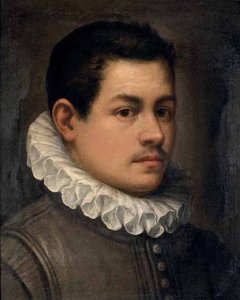
ანნიბალე კარრაში
1560 - 1609 , იტალია
მოკლე ფაქტები
- Artistic Movement Or Style: ბაროკო
- Artists Or Movements Influenced By This Artist:
- კარავաջო
- ბოლონიის სკოლა
- Artists Who Influenced This Artist:
- რაฟาელი
- ანდრეა დელ სარტო
- Date Of Birth: 3 ნოემბერი 1560
- Date Of Death: 15 ივლისი 1609
- Full Name: ანნიბალე კარრაში
- Nationality: იტალიელი
- Notable Artworks (List Of Titles):
- Triumph of Bacchus
- The Loves of the Gods
- Place Of Birth (City And Country): ბოლონია, იტალია
მსგავსი სტატიები

Italian Baroque Unlocked: High-Drama Art That Hits Hard
Dive into the high-drama world of Italian Baroque art. Discover how chiaroscuro, intense emotion, and theatrical lighting redefined aesthetics. Explore the visceral power of the Counter-Reformation through a modern lens with expert insights from OriginalUniqueArt.com.
Simon Vouet: A Baroque Master's Journey from Italian Influence to French Classicism
Explore the life & art of Simon Vouet, a pivotal French Baroque painter who introduced Italian styles to France. Discover his masterpieces and lasting influence on 17th-century art.
Annibale Carracci: Bridging Renaissance Ideals & Baroque Innovation
Explore the life & art of Annibale Carracci, a pivotal figure bridging Renaissance ideals with Baroque innovation. Discover his masterpieces and lasting influence on Italian painting.

ბაროკოს დრამა: ოპულენტურობის და ემოციების შემოტანა თანამედროვე ინტერიერებში
აღმოაჩინეთ ბაროკოს ხელოვნების ოპულენტურობა OriginalUniqueArt-ში! რეკონსტრუქციები, პორტრეტები და ინდივიდუალური შეკვეთები. პროფესიონალური კონსულტაცია თქვენი სახლისთვის.

ბարოკოს ეტალონები: 10 შედევრი, რომელმაც განსაზღვრა ეს სტილი | OriginalUniqueArt
აღმოფრთოვანდით ბაროკოს ეპოქის 10 უმშვენიერეს შედევრთან! კარავაჯო, რემბრანდტი და ვერმეერი – გი tanıtեք ამ დიდებულ ხელოვანებს. იხილეთ მათი საუკეთესო ნაშრომები და შექმენით თქვენი სახლისთვის უნიკალური დეკორი OriginalUniqueArt-თან!


