Baroque · 1592
Pan (ანნიბალე კარრაში, 1592)
ანნიბალე კარრაში (1560–1609)-მა შექმნა Pan. ის შექმნილ არის 1592 წელს. ის Baroque მიძღვნილ სტილს მიეკუთვნება. შესრულებულია Oil On Canvas-ით. ნახატი დაცულია National Gallery of Victoria-ში, მელბურნი, ავსტრალია-ში. ზომა არის 109 × 135 cm.
- 1592
- Oil On Canvas
- 109 × 135 cm
- National Gallery of Victoria, მელბურნი

 წინასწარი ნახვა

 ხელით ნაკletი ზეთწერილი
 გაგზავნა
 გაზიარება
 სპეცფიკაცია


 ჩამოტვირთვა
 მსგავსები
 რენტგენოგრაფიული კვლევა
 სლაიდშოუ
 კითხვა-პასუხი

 სტატისტიკა
Pan, მოკლედ
- სათაური
- Pan
- ავტორი
- ანნიბალე კარრაში (1560–1609)
- ხატვის წელი და ადგილი
- ბოლონია, იტალია
- თარიღი
- 1592
- ტექნიკა
- Oil On Canvas
- ზომები
- 109 × 135 cm
- სად ნახვა შეგიძლიათ
- National Gallery of Victoria, მელბურნი, ავსტრალია
- მოძრაობა
- Baroque
- სუბიექტი
- pan, greek god, mythology, carracci, foreshortening, renaissance
რა არის გამოსახული Pan-ში?
A Vision of Rustic Divinity: Annibale Carracci’s Pan
Annibale Carracci's "Pan," painted circa 1592, is not merely a depiction of the Greek god; it’s an embodiment of primal nature, a vibrant assertion of earthly delight rendered with breathtaking technical skill and imbued with the burgeoning spirit of the Bolognese school. This painting transcends simple portraiture, offering instead a glimpse into a world teeming with instinct, fertility, and the intoxicating allure of the wild. Commissioned by Cesare d'Este for his opulent Palazzo dei Diamanti in Ferrara – a palace itself reflecting the lavish tastes of the Renaissance court – “Pan” was intended to be part of a larger decorative scheme, a carefully orchestrated symphony of classical mythology designed to evoke grandeur and celebrate the power of the Este family.
Carracci’s genius lies in his masterful manipulation of perspective and color. The scene unfolds with a dramatic *di sotto in sù* foreshortening – a technique borrowed from earlier Renaissance masters but perfected by Carracci – that draws the viewer into the god's immediate presence. Pan, seated atop a ram or goat (the animal’s identity deliberately ambiguous), is presented not as an imposing deity, but as a youthful, almost mischievous figure. His pose is relaxed, his expression playful, and his limbs are rendered with a remarkable sense of naturalism that distinguishes this work from the more idealized depictions prevalent at the time. The rich palette – dominated by earthy reds, ochres, and greens – creates a tactile quality, inviting the viewer to almost feel the warmth of the Italian sun on Pan’s skin and the rough texture of his attire.
The Language of Symbolism
Pan, in Greek mythology, is the god of shepherds, flocks, wild animals, music, and revelry. He embodies the untamed spirit of nature, a force both alluring and potentially dangerous. Carracci’s portrayal captures this duality perfectly. The ram or goat beneath Pan isn't simply an animal; it represents fertility, abundance, and the cyclical rhythms of life and death – essential themes within the context of the Renaissance fascination with classical antiquity. The inclusion of the pipe, a traditional instrument associated with Pan, further reinforces his role as the patron of music and dance, suggesting a celebration of earthly pleasures.
Notably, the presence of the book or scroll in Pan’s hand hints at a deeper layer of meaning. While often depicted as a wild god, Pan was also associated with prophecy and knowledge – a connection that aligns with the intellectual climate of Renaissance Italy. The object could represent his ability to interpret the signs of nature, offering a glimpse into the mysteries of the world.
A Bridge Between Eras
“Pan” stands as a pivotal work in the transition from the High Renaissance to the Baroque period. Carracci’s embrace of naturalism and dramatic perspective – hallmarks of the Bolognese school – paved the way for the heightened emotional intensity and dynamic compositions that would characterize the Baroque style. His meticulous attention to detail, combined with his innovative use of *di sotto in sù* foreshortening, demonstrates a profound understanding of both classical principles and contemporary artistic trends. The painting’s placement within a larger decorative scheme further highlights its significance as a key element in the revival of classical art during the late 16th century.
A Timeless Appeal
More than four centuries after its creation, “Pan” continues to captivate viewers with its vibrant energy and evocative imagery. It’s a painting that speaks to our enduring fascination with nature, mythology, and the primal instincts that lie at the heart of human experience. Reproductions of this masterpiece offer an opportunity to bring this extraordinary vision into any setting, adding a touch of rustic divinity and timeless beauty to your home or office.
რომელ მუზეუმში ინახება Pan?
National Gallery of Victoria
მელბურნი, ავსტრალია
Origins and History of the National Gallery of Victoria The National Gallery of Victoria was established in 1861. Its founding occurred during the gold rush era, a period of rapid growth for the colony. The institution began as a modest repository for plaster casts, intended to provide a connection to established artistic traditions from Europe.


Pan-ის მაღალი გარ Auflხ resolución-ის გამოსახულებები

საჯარო საკუთრება: მხატვარი გარდაიცვალა 1609 წელს.
სხვა ზომები, კადრისრები და ციტირება →ანნიბალე კარრაში, Pan (1592), National Gallery of Victoria. საჯარო საკუთრება
კითხვები Pan-ზე, პასუხები
სად არის დღეს გამოფენილი ანნიბალე კარრაში-ის „Pan“?
ორიგინალი ანნიბალე კარრაში-ის „Pan“ National Gallery of Victoria, მელბურნი, ავსტრალია-ში ინახება. რესპროდუქცია კი საშუალებას გაძლევთ, ეს ნამუშევარი თქვენს სახლში გამოფენოთ.
რა წელში შეიქმნა "Pan"?
ანნიბალე კარრაში-ის „Pan“ შეიქმნა 1592 წელს.
რა ტექნიკა გამოიყენეს ანნიბალე კარრაში-ის „Pan“-ის შესაქმნელად?
ანნიბალე კარრაში-ის „Pan“-ის მასალა არის Oil On Canvas. რეპროდუქციების მიზანია ამ ტექნიკის ვიზუალური მხარის ზუსტი გადმოცემა.
რა არის ორიგინალი ანნიბალე კარრაში-ის „Pan“-ის ზომები?
ორიგინალი ანნიბალე კარრაში-ის „Pan“ ზომავს 109 x 135 cm-ს.
რას ეხება "Pan"?
სურათის "Pan" თემებს წარმოადგენს pan, greek god, mythology, carracci, foreshortening, renaissance, baroque, deity.
შეიძლება თუ არა ანნიბალე კარრაში-ის „Pan“-ის გამოსახულების თავისუფლად რეპროდუცირება?
ავტორული უფლებების სტატუსი ნამუშევრისთვის ანნიბალე კარრაში-ის „Pan“: ნამუშევარი არის საჯარო საკუთრებაშია — საავტორო უფლებები ამოწდა. ეს განსაზღვრავს, შესაძლებელია თუ არა გამოსახულების რეპროდუქციის თავისუფლად წარმოება.
რომელ ხელოვანს მიეწერება "Pan"?
"Pan" შექმნილია ანნიბალე კარრაში-ის მიერ. ამ გვერდზე მოცემული ინფორმაცია აღწერს ანნიბალე კარრაში-ის ორიგინალურ ნამუშევარს.
რომელ სტილს მიეკუთვნება "Pan"?
"Pan" არის Baroque სტილის ნამუშევარი. აღნიშნული მიმდინარეობა ასახავს იმ მხატვრულ ტრადიციას, რომლის ნაწილიცაა ეს ნამუშევარი.
ანნიბალე კარრაში-ის შემოქმედებითი განვითარების რომელ ეტაპს წარმოადგენს „Pan“?
ანნიბალე კარრაში-ის შემოქმედების პერიოდში „Pan“ Mature Period-ს მიეკუთვნება. ეს ფაზა საშუალებას გვაძლევს, იგი ხელოვანის სხვა ნამუშევრებს შევადაროთ.
About the artist, ანნიბალე კარრაში
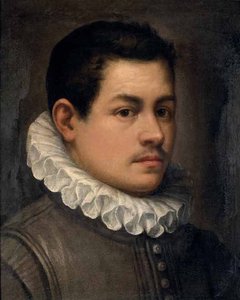
1560–1609, იტალია
ანნიბალე კარრაში
ადრეული ცხოვრება და ბოლონიის ფესვები ანნიბალე კარრაში დაიბადა ბოლონიაში, 1560 წლის 3 ნოემბერს, მხატვართა ოჯახში. მისი პირველი განათლება, სავარაუდოდ, ოჯახის სახელოსნოში გაიზარდა, რაც საფუძვლად დაედო კარიერას, რომელმაც იტალიური живописи ლანდშაფტი რადიკალურად შეცვალა. ბოლონია იმ დროს ინტელექტუალური და მხატვრული აფორიზმის ცენტრი იყო, თუმცა გარკვეულწილად მოწყვეტილი იყო რომისა და ვენეციის დომინანტი მიმდინარეობებისგან. ამ პროვინციალობის გრძნობამ ახალგაზდა მხატვართა ჯგუფს – ანნიბალეს, მის ძმას, აგოსტინოს და ბიძაშვილს, ლუდოვიკოს – უბიძგა ახალი გზის შექმნა, რომელიც იტალიური живописьს აღადგენდა მაღალი რენესანსის ოსტატებისკენ მიმრეკვობით, ხოლო ამავე დროს უფრო ნატურალისტული მიდგომის ჩართვით.
ანნიბალე კარრაში-ის შესახებ ანნიბალე კარრაში-ის გამორჩეული ნამუშევრები
ასევე ანნიბალე კარრაში-ის მიერ
 ლობიოსმჭამელი მზე
 ჰერაკლეს არჩევანი
 ჰერაქლის არჩევანი1596
 მდინარის სურათი1589

ესეები Pan-ის შესახებ
 The Language of Animals in Art: From Ancient Egypt to the RenaissanceExplore the profound history of animal symbolism from Egypt to the Renaissance. Trace these ancient motifs through art history now.
 Annibale Carracci: Bridging Renaissance Ideals & Baroque InnovationExplore the life & art of Annibale Carracci, a pivotal figure bridging Renaissance ideals with Baroque innovation. Discover his masterpiece…
 Divine Beauty: The 25 Most Iconic Masterpieces by Fra AngelicoJourney through the divine beauty of Fra Angelico's finest works. Explore 25 iconic Renaissance masterpieces, from ethereal frescoes to sac…