

 ნახვა ინტერьерში
 გაგზავნა
 გაზიარება
 დეტალები
 გზამკვლევი

 ჩამოტვირთვა
 მსგავსები
 რენტგენოგრაფიული კვლევა
 სლაიდშოუ
 სტატისტიკა
Confervae
 Watercolor
- WallArt
- Victorian Botanical Illustration
 1845
1845- 19th Century
 24.0 x 19.0 cm
 J. Paul Getty Museum
 სრული ტექსტის ნახვა
Get a print-ready file that goes far beyond the web preview. Every digital image we sell comes from a high-resolution master in our stock database — usually 5,000 to 15,000 pixels wide — so you can print large, crop tightly, or reproduce fine detail with confidence.
No file leaves our studio untouched. A digital expert checks the colors against the original painting and corrects them if needed, then improves clarity and detail with professional retouching tools — always staying faithful to the artist's brushwork and style. The result is an image that looks like the painting, not like a filtered scan.
You approve before you're done: our expert sends the image by e-mail within 72 hours for your review. Not satisfied? Ask for improvements or corrections, or request a refund if the quality falls short.
This is the quality relied on by publishers, design studios, galleries and print shops.
ციფრული გამოსახულება
ჩამოტვირთეთ მაღალი გარჩევადობის ფაილი პირადი გამოყენებისთვის, დასაბეჭდად და შემოქმედებითი პროექტებისთვის. ( გადართვა ბეჭდვის რეჟიმზე შეიძინეთ ხელით შესრულებული ნახატი)
ყოველ ციფრულ გამოსახულების შეკვეთაში შედის
გარანტირებული პროფესიონალური ციფრული მიწოდება
როდესაც ირჩევთ OriginalUniqueArt.com-ს, თქვენ მხოლოდ სურათს კი არ იღებთ, არამედ იღებთ პროფესიონალურად დამუშავებულ ციფრულ ნამუშევარს, რომელიც შექმნილია უზადო სიზუსტით და დაცულია კმაყოფილების გარანტიით. თქვენს შეკვეთას ავტომატურად მოჰყვება შემდეგი:

სწრაფი ელექტრონული მიწოდება
თქვენს მაღალი რეზოლუციის ციფრულ გამოსახულებას შეკვეთის დაწყებიდან 72 საათში ელექტრონული ფოსტით მიიღებთ — ის მზად იქნება დაუყოვნებლივი გამოყენებისთვის.

ხელოვნური ინტელექტით გაუმჯობესებული ციფრული ფაილი
თქვენი ხელოვნების ნიმუშები პროფესიონალურად არის ოპტიმიზებული მოწინავე AI ინსტრუმენტებისა და მექანიკური რედაქტირების მეშვეობით, რაც უზრუნველყოფს მაქსიმალურ დეტალიზაციას, სიცხადესა და ფერების სიზუსტეს.

ციფრული გამოსახულებების უფასო სამუდამო ხელახალი მიღება
ფაილი შემთხვევით წაიშალა ან დაკარგეთ? ნუបედავთ — ჩვენ მას ნებისმიერ დროს, უფასოდ ხელახლა გამოგეგზავნით.

იმპორტის გადასახადების გარეშე — ყოველთვის
ჭიდად ისიამოვნეთ თქვენი ნამუშევრით მყისიერად, საბაჟო გადასახადის, მოსაკრებლის ან მიწოდების ხარჯის გარეშე - ციფრული ჩამტვირთვისას ყოველთვის საგადასახადო თავისუფლებაა.

ფერების სიზუსტის გარანტია
პროფესიონალური ინსტრუმენტებისა და ფერების მართვის სისტემის გამოყენებით, ჩვენ უზრუნველყოფთ, რომ თქვენი ციფრული გამოსახულება მაქსიმალურად ზუსტად ასახავდეს ორიგინალურ ფერებს.

კმაყოფილების 100-დღიანი გარანტია
თუ თქვენ არ დაკმაყოფილებული ხართ თქვენი ციფრული გამოსახულებით, ჩვენ შევიტანთ მასში ცვლილებებს ან დაგიბრუნებთ 100% თანხას 100 დღის განმავლობაში — ყოველგვარი კითხვის დასმევის გარეშე.

100% თანხის დაბრუნების გარანტია
არ არის კმაყოფილი? მიიღეთ თანხის სრული დაბრუნება ციფრული ფაილის მიღებიდან 100 დღის განმავლობაში — ყოველგვარი დამატებითი კითხვების გარეშე.

ფასდაკლება დიდი რაოდენობით შეკვეთაზე
შეიძინეთ 3 გამოსახულება და მიიღეთ 10% ფასდაკლება - შეიძინეთ 5 და მიიღეთ 15% ფასდაკლება - შეიძინეთ 10+-ზე და მიიღეთ 20% ფასდაკლება. იდეალურია კრეატიული პროექტებისთვის, გალერეებისა და სააგენტოებისთვის.
Whispers of Botanical Science: Exploring "Confervae"
To gaze upon Anna Atkins' "Confervae" is to encounter a moment suspended between meticulous scientific observation and ethereal artistic poetry. This delicate watercolor, dating from 1845, does not merely depict a flower; it captures the very breath of botanical study at a pivotal juncture in human history. The subject itself—a bloom rendered with long, almost smoky petals—suggests a creature caught mid-drift, its form dissolving into shades of pale blue. It possesses an otherworldly quality, as if the pigment itself has been infused with the mist of dawn.
A Pioneer's Touch: Technique and Context
The technique employed here speaks volumes about Atkins’ genius. While appearing to be a watercolor, its slightly blurry, almost photographic quality hints at the revolutionary nature of her work. Anna Atkins is celebrated as a pioneer not only in botany but also in the nascent field of photography, making this piece a fascinating intersection of art and emerging science. In an era when scientific illustration was becoming increasingly precise, "Confervae" retains a delicate, watercolor softness that elevates it beyond mere documentation. The visible signature anchors us to her hand, reminding us that every stroke here is imbued with the dedication of a true scholar-artist.
Symbolism and the Ephemeral Beauty
The blue hue dominating the composition often carries connotations of melancholy, depth, and intellectual pursuit—qualities perfectly suited to Atkins’ groundbreaking career. The flower's structure, resembling smoke or fine hair, invites contemplation on transience. It speaks to the fleeting nature of beauty, a theme that resonates deeply with collectors who appreciate art for its ability to capture moments just before they vanish. Owning a reproduction of "Confervae" is acquiring not just an image, but a meditation on impermanence viewed through the lens of Victorian scientific curiosity.
Bringing Scientific Romance Home
For the discerning collector or designer whose aesthetic leans toward natural history, romanticism, or delicate academic pursuits, this piece offers unparalleled depth. Its subtle palette and intricate detail allow it to harmonize beautifully in spaces that value intellectual conversation—a library corner, a study, or an elegantly appointed drawing-room. Reproducing this work allows one to bring the quiet dignity of 19th-century scientific exploration into contemporary life, transforming a mere wall hanging into a treasured narrative piece.
კითხვები და პასუხები
რა არის ანა ეტკინსი, ენ დიქსონი-ის „Confervae“-ის შექმნის თარიღი და სტილი?
"Confervae" შეიქმნა 1845 წელს, Victorian Botanical Illustration მიმდევრობის ფარგლებში.
არსებობს თუ არა გაიდი ანა ეტკინსი, ენ დიქსონი-ის „Confervae“-ისთვის?
ანა ეტკინსი, ენ დიქსონი-ის „Confervae“-ისთვის ხელმისაწვდომია გზამკვლევი გვერდი: ამ ხელოვნების ნიმუშის შესახებ დასაბეჭდი ფაქტების ფურცელი, რომელიც შექმნილია სტუდენტებისა და სასწავლო პროცესისთვის.
როგორ შემიძლია ანა ეტკინსი, ენ დიქსონი-ის „Confervae“-ის რეპროდუქციის წინასწარი ნახვა?
გვერდი წინასწარი ნახვა ნამუშევრის "Confervae" საშუალებას გაძლევთ წინასწარ ნახოთ ხელოვნების ნიმუში შეკვეთამდე.
მხატვრის ბიოგრაფია
ფოტოგრაფიული ბოტანიკის პიონერი: ანა ატკინსის ცხოვრება და მემკვიდრეობა
ანა ატკინსი, რომელიც 1799 წელს, ქენტში, ტონბრიჯში დაიბადა (სახელით ანა ჩილდრზი), იყო პიროვნება, რომლის წვლილიც ბოტანიასა და ფოტოგრაფიაში გასაოცრად წინსვლად იყო დროის მიღმა. მისი ცხოვრება მზარდი სამეცნიერო კვლევებისა და მხატვრული ინოვაციების ფონზე ვითარდებოდა, თუმცა მან უნდა გაე navigire (გეცურვა) ისეთი სამყარო, სადაც ქალებისთვის შესაძლებლობები მკაცრად შეზღუდული იყო. დედის ადრეულმა დაკარგვამ განსაკუთრებით ახლო ურთიერთობა ჩამოუყალიბა მას მამასთან, ჯონ ჯორჯ ჩილდრსთან, რომელიც პატივსაცემი ქიმიკოსი, მინერალოგი და ზოოლოგი იყო — ეს კავშირი გადამწყვეტი აღმოჩნდა მისი ინტელექტუალური ტრაექტორიის ფორმირებაში. მან იმ ეპოქის ქალისთვის უჩვეულოდ ყოვლისმომცველი სამეცნიერო განათლება მიაკარწო, რამაც გააღვიძა ცნობისმოყვარეობა, რომელიც მოგვიანებით გამორჩეულ ნაშრომებში აისახა. ეს საფუძველი არ იყო მხოლოდ აკადემიური; იგი ღრმად პრაქტიკული იყო და ანას პირდაპირ ჩართავდა მამამისის კვლევებში, რაც ყველაზე თვალსაჩინო დგეირდა ნიჟარების დეტალური გრავიურებით, რომლებიც გამოიყენებოდა ლამარკის ნაშრომის, Genera of Shells, თარგმნის ილუსტრირებისთვის. ეს ადრეული მხატვრული მცდელობები არ იყო მხოლოდ ილუსტრაციული; მათ დახვეწეს ის მჭრელი დაკვირვების უნარი, რომელიც მისი შემდგომი ფოტოგრაფიული ექსპერიმენტების საფუძველი გახდა.ციანოტიპიური შთაბეჭდილებები: რევოლუცია სამეცნიერო დოკუმენტაციაში
1839 წელი გარდამტეხი მომენტი აღმოჩნდა არა მხოლოდ ატკინსისთვის, არამედ თავად ფოტოგრაფიის ახალშობილობისთვისაც. იგი არჩეულ იქნა ლონდონის ბოტანიკური საზოგადოების წევრად, რაც უჩვეულო პატივი იყო და ხაზს უსვამდა მის მზარდ რეპუტაციას სამეცნიერო წრეებში. ამავდემდე, იგი მოხიბლული დარჩა სერ ჯონ ჰერსშელის მიერ გამოგონებული ფოტოგრაფიული პროცესით — ციანოტიპით. ადრეული მეთოდებისგან განსხვავებით, ციანოტიპი გვთავაზობდა ფოტოგამოსახულებების შექმნის შედარებით მარტივ და ხელმისაწვდომ საშუალებას — ეს იყო ლურჯ ფერად ბლუპრინტს მსგავსი პროცესი, რომელიც იყენებდა სინათლისადმი მგრძნობიარე რკინის მარილებს გამორჩეული ლურჯი პრინტების შესაქმნელად. ატკინსი ამ ტექნიკას მხოლოდ არ დანერგა; მან იგი გარდაქმნა სამეცნიერო დოკუმენტაციის ინსტრუმენტად, რომელიც მანამდე არავისCRE (არავისთვის) შეხვედრილა. მან დაიწყო ბრიტანული წყალმცენედების კატალოგიზაციის ამბიციური პროექტი, რადგან მიხვდა, რომ ტრადიციული ხელით შესრულებული ილუსტრაციები ხშირად ვერ ახდენდნენ ამ ნაზი ნიმუშების რთული დეტალების გადმოცემას. მისი შედეგი, Photographs of British Algae: Cyanotype Impressions (1842-1853), არ იყო მხოლოდ ლამაზი გამოსახულებების კრებულী; იგი იყო ისტორიული მიღწევა — პირველი წიგნი, რომელიც ფოტოგრაფიით იყო ილუსტრირებული.მხატვრული ხედვა და სამეცნიერო სიზუსტე
ატკინსის ნაშრომის მნიშვნელობა ბევრად სცილდება მის ისტორიულ "პირველობას". იგი არ ახდენდა ბოტანიკური ნიმუშების უბრალოდ რეპროდუცირებას; იგი მათ წარადგენდა, როგორც ესთეტიკური სილამაზის ობიექტებს, საგულდაგულოდ აწყობდა წყალმცენედებს ციანოტიპიურ ქაღალდზე, რათა შეექმნა კომპოზიციები, რომლებიც ერთდროულად სამეცნიეროდ ზუსტი და ვიზუალურად მომხიდავებელი იყო. ეთერული ლურჯი ტონები და ნაზი ფორმები აღძრავს გაოცების გრძნობას, რაც სამეცნიერო დოკუმენტაციას ხელოვნების ფორმად გარდაქმნის. მხატვრული ხედვისა და სამეცნიერო სიზუსტის ეს შერწყმა განსაკუთრებით გასაოცარი იყო თავისი დროისთვის, რადგან ეჭვქვეშ აყენებდა ტრადიციულ წარმოდგენებს ხელოვნებასა და მეცნიერებას შორის არსებულ ურთიერთობაზე. მისი შემდგომი ნაშრომები წყალმცენედებით გასცდა და მოიცვა და蕨ოვანები და სხვა მცენარეული სამყარო, რაც დასტურდება ნაშრომით Cyanotypes of British and Foreign Plants and Ferns (1854), რაც კიდევ უფრო მეტად ადასტურებდა ციანოტიპის პროცესის მის დახვეწილ ფლობასა და ბოტანიკური დოკუმენტაციისადმი მის ერთგულებას. ენ დიქსონისთან მსგავს ფიგურებთან თანამშრომლობამ გააფართოვა მისი მხატვრული ძიებები, რამაც კომპოზიციებში ყვავილების, ბუმბულისა და ლეივის ელემენტებიც კი შეიტანა.აღმოაღწეული მემკადვეობა
მიუხედავად მისი პიონერული წვლილისა, ანა ატკინსის შემოქმედება მე-19 საუკუნის ბოლოს დიდწილად თვალს away (თვალს away) არიდებდა. მისი ალბომები 1889 წელს ისტორიკოს ვილিয়াম ლანგ უმცროსმა ბრიტანეთის მუზეუმში ხელახლა აღმოაჩინა, თუმცა მაშინაც კი, მისი როლი შემოქმედად გარკვეულწილად დაფარული დარჩა. მხოლოდ უფრო ახლო წარსულში დაიწყო მისი მნიშვნელობის სრული შეფასება. დღეს ატკინსი აღიარებულია, როგორც ვიზიონერი მხატვარი და მეცნიერი — ნამდვილი ინოვატორი, რომელმაც წინასწარ განსაზღვრა ფოტოგრაფიისა და ბოტანიკური ილუსტრაციის მრავალი განვითარების გზა. მისი შემოქმედება დღემდე შთაგონების წყაროა ხელოვანებისა და მეცნიერებისთვის, რაც გვახსენებს დაკვირვების, ექსპერიმენტისა და ბუნებრივი სამყაროს მარადიული სილამაზის ძალას. ისეთი ინსტიტუტები, როგორიცაა J. Paul Getty Museum, ინახავს მისი ციანოტიპიური ნიმუშების მაგალითებს — Cyanotypes of British and Foreign Ferns, Convalaria multiflora და Adiantum tenerum, Jamaica — რაც მისი ნიჭისა და თავდადების დასტურია. მისი მემკვიდრეობა არის ძლიერი შეხსენება იმისა, რომ ინოვაცია ხშირად მოულოდნელი გადაკვეთებიდან იბადება — ამ შემთხვევაში, ხელოვნების, მეცნიერებისა და ქალის ურდარდებადი ცნობისმოყვარეობის შერწყმიდან.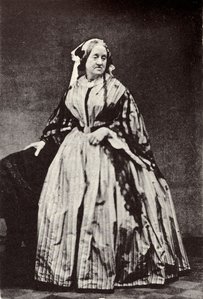
ანა ეტკინსი, ენ დიქსონი
1799 - 1871 , გაერთიანებული სამეფო
მოკლე მიმოხილვა
- Artistic Movement Or Style: ბოტანიკური ხელოვნება, ფოტოგრაფია
- Artists Or Movements Influenced By This Artist:
- ადრეული ფოტოგრაფია
- ბოტანიკური ილუსტრაცია
- Artists Who Influenced This Artist:
- ჯონ ჰერშელი
- ჟან-ბატისტ ლამარკი
- Date Of Birth: 16 მარტი, 1799
- Date Of Death: 1871
- Full Name: ანა ატკინსი (ენ დიქსონი)
- Nationality: ბრიტანელი
- Notable Artworks:
- ბრიტანული//ჯაჭვის ციანოტიპები
- Convalaria multiflora
- Adiantum tenerum, jamajka
- Place Of Birth: ტონბრიჯი, გაერთიანებული სამეფო