წინასწარი ნახვა
 გაგზავნა
 გაზიარება
 დეტალები

 ჩამოტვირთვა
 მსგავსები
 რენტგენოგრაფიული კვლევა
 სლაიდშოუ
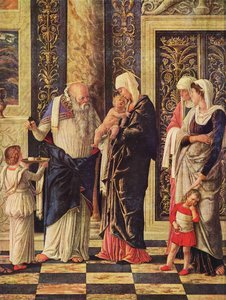
Triptic
 Acrylic On Canvas
- WallArt
- Renaissance Antiquity Style
 1464
1464 61.0 x 86.0 cm
 Galleria degli Uffizi
 გადასართად დაწვრილებით ნახეთ
გიკლე / ხელოვნების პრინტი
მუზეუმის დონის ჟიკლე ან ტილოზე ბეჭდვა სწრაფი წარმოებისა და დასრულების მოქნილი ვარიანტებით. ( შეიძინეთ ხელით შესრულებული ნახატი შეიძინეთ გამოსახულება)




P118B $10

P118H $10

P118W $10

P438Z $10

P508JH $12

P508YH $12

P805H $10

P805Z $10

P919BZ $10

P919G $10

P919XJ $10

P959ZH $10

P968JZ $12

W106C $8

W218G $10

W218JH $8

W218Y $10

W307PJ $10

W316G $10

W316PJ $8

W316Y $10

W398PJ $8

W4111J $10

W500HY $15

W500JH $15

W692G $12

W849H $8

W940BG $15

W953PJ $8




აირჩიეთ ჩვენს მიერ წინასწარ განსაზღვრული ზომებიდან, რომლებიც ნაწარმოების ორიგინალურ პროპორციებს შეესაბამება.

თქვენ შეგიძლიათ მიუთითოთ საკუთარი ზომები კონკრეტული ჩარჩოსთვის ან სივრცისთვის მოსარგებლებლად. თუ თქვენ მიერ არჩეული ზომა არ შეესაბამება ორიგინალი გამოსახულების პროპორციებს, ჩვენ ან დავჭრით ნამუშევარს, ან გავაფართოვებთ გამოსახულებას სარკული ან ერთფეროვანი კიდეებით. წარმოების დაწყებამდე თქვენს დასამტკიცებლად გამოგეგზავნებათ ციფრული მაკეტი.
გთხოვთ, გაითვალისწინოთ, რომ ეკრანზე ნაჩვენები წინასწარი ნახვა არ ასახავს რეალურ ჭრას ან გაფართოებას. მხოლოდ მაკეტზე იქნება ზუსტად წარმოდგენილი საბოლოო კომპოზიცია.
მიუხედავად იმისა, რომ ინდივიდუალური ზომები ხელმისაწვდომია, ორიგინალური პროპორციების შესანარჩუნებლად გირჩევთ, აირჩიოთ ზომა წინასწარ განსაზღვრული სიისგან.
მიწოდება მთელ მსოფლიოში () 2 კვირაში, სტანდარტული 4/5 კვირის ნაცვლად. (6 სექტემბერი)

უფასო ექსპრეს მიწოდება მთელ მსოფლიოში

საბამად მაღალი ხარისხის ტილო

სრული ტრანსპორტირების დაზღვევა

საბაჟო გადასახადების დაბრუნების გარანტია

ფერების სრული შესაბამისობის გარანტია

60-დღიანი დაბრუნების პოლიტიკა (მხოლოდ დეფექტის შემთხვევაში)

100% თანხის დაბრუნების გარანტია

ფასდაკლება დიდი რაოდენობით შეკვეთისას
 მინის ჩარჩოს არჩევანი ხელმისაწვდომია მხოლოდ 110 სმ-ზე ნაკლები ზომისთვის

Triptic
გიკლე / ხელოვნების პრინტი
რეკლამაციის ზომა
-


საბოლოო ფასი
$ 80
A Renaissance Echo: Exploring Andrea Mantegna’s Triptych
The painting “Triptic” by Andrea Mantegna, completed in 1464, isn't merely a depiction of biblical narrative; it’s a testament to the artist’s singular devotion to reviving the grandeur and precision of Roman antiquity. Born near Padua around 1431, Mantegna’s artistic trajectory wasn’t simply about adopting classical aesthetics—it was an ambitious undertaking fueled by a profound fascination with archaeological discovery. His formative years under Francesco Squarcione proved crucial, establishing him within an environment where the vestiges of Rome weren't just admired but meticulously studied, dissected, and recreated on canvas. This dedication to accuracy distinguishes Mantegna from many contemporaries who approached classical influences more superficially.- Subject Matter: The artwork portrays pivotal moments in Jesus Christ’s life – his baptism by John the Baptist, followed by the ascension of Jesus carrying the cross, and culminating in his crucifixion surrounded by mourners. These scenes are chosen not only for their religious significance but also for their ability to convey profound human emotion.
- Style: Mantegna’s style embodies the High Renaissance's commitment to illusionistic realism. He achieves this remarkable feat through masterful use of perspective—particularly atmospheric perspective—creating a convincing sense of depth and space that transports viewers into the scene. The figures themselves are sculpted with an almost sculptural quality, reflecting Mantegna’s unwavering admiration for Roman sculpture.
Technique: Sculptural Illusionism – A Revolutionary Approach
Mantegna's technique represents a radical departure from prevailing artistic conventions of the time. Rather than relying on traditional methods of representation—flattened surfaces and stylized figures—he employed techniques borrowed directly from Roman architectural models. He meticulously studied the contours and textures of marble statues, translating these observations into painting with astonishing fidelity. This painstaking process involved layering pigments to simulate shading and highlighting, creating an illusion of three-dimensionality that was unprecedented in its time. The artist’s meticulous attention to detail extends beyond mere visual accuracy; it embodies a deeper philosophical conviction—a belief that art should strive to emulate the natural world as closely as possible.- Material: Fresco – Mantegna utilized fresco, a technique involving applying pigment onto wet plaster, guaranteeing exceptional durability and preserving the artwork’s vibrant colors for centuries.
- Color Palette: The palette is restrained yet impactful, dominated by earthy tones—ochres, siennas, and umbers—reflecting the artist's preoccupation with Roman antiquities. However, subtle variations in color create a sense of luminosity and contribute to the overall dramatic effect.
Historical Context & Symbolism: Reclaiming Rome’s Legacy
“Triptic” emerged during a period of fervent artistic revival—the High Renaissance—marked by an outpouring of creativity inspired by rediscovered classical ideals. Mantegna's work served as a deliberate rebuke to the stylistic excesses of Mannerism, prioritizing clarity and anatomical correctness over ornamental embellishment. The imagery itself is laden with symbolism. Each panel underscores key theological concepts: baptism signifies purification and divine grace; the cross embodies sacrifice and redemption; and crucifixion represents humanity’s ultimate vulnerability before God. By referencing Roman sculpture—specifically the idealized figures of emperors—Mantegna subtly asserted the humanist values championed by Renaissance thinkers.Emotional Impact & Artistic Significance
Ultimately, “Triptic” transcends its religious subject matter to convey a profound sense of solemn contemplation and spiritual reverence. Mantegna’s masterful execution captures not only the visual details of biblical scenes but also their emotional core—the grief of mourners, the unwavering faith of witnesses, and the majesty of divine presence. This artwork stands as an enduring monument to Renaissance artistic innovation, demonstrating how meticulous observation, technical virtuosity, and intellectual conviction could converge to produce a masterpiece that continues to inspire awe and admiration today. Its reproduction offers collectors and interior designers alike the opportunity to experience the sublime beauty and psychological depth of Mantegna’s vision—a timeless testament to the power of art to illuminate the human condition.მხატვრის ბიოგრაფია
ანდრეა მანტეგნას სიცოცხლე და შემოქმედება: რენესანსის ერთ-ერთი უმნიშვნელოვანესი მხატვარი
ანდრეა მანტეგნა, რომლის დაბადების ზუსტი თარიღიცა კი სადავოა, თუმცა მიახლოებით 1431 წელს იზოლა დი კარტუროსთან ახლოს, პადუაში დაიბადა, რენესანსის ისტორიაში გამორჩეული ადგილი უკავია. მანტეგნა არ იყო მხოლოდ მხატვარი; იგი იყო ანტიკური სამყაროს აღმომჩენ-რეაბილიტატორი, რომელმაც თავისი ნიჭითა და შრომით განაცხადა რენესანსის იდეოლოგიური საფუძველი – კლასიკური ხელოვნების აღორძინება. მისი შემოქმედება ხასიათდება სკულპტურული ფორმებით, დრამატული პერსპექტივით და დეტალებზე უსაზღვრო ყურადღებით, რაც მას თანამედროცე მხატვრებს შორის გამორჩევს. მანტეგნას ადრეული წლები მოიცავს ფრანჩესკო სკوارციონის სახელოსნოში სწავლას, რომელსაც არქეოლოგიური კვლევები და ანტიკური ხელოვნების შესწავლა უდიდესი მნიშვნელობით ესახებოდა. სწორედ ამ გარემოში ჩამოყალიბდა მანტეგნას უნიკალური ხედვა – სამყაროს აღქმის მეთოდი, რომელშიც კლასიკური იდეალები ორგანულად ერწყმის რენესანსული ჰუმანიზმს.გონზაგების სასახლე და რეალობის ილუზია
მანტეგნას შემოქმედებითი პიკი მანტუაში, გონზაგების სამსახურში გატარებულ დროს მოიცავს. 1488 წლიდან მხატვარი ამ სახელოვანი გვარის კორტის ერთ-ერთ უმნიშვნელოვანეს წევრად იქცა, რაც მას ხელმისაწვდომი გახდა საუკეტესო პროექტებზეც. სწორედ მაშინ შეიქმნა მისი უდიდესი ნაწარმოები – *კამერა დეგლი სფოსის* (Bridal Chamber) ფრესკოები პალაცო დუუალეში. ეს ნამდვილი შედევრია, რომელიც არ არის მხოლოდ კედლის მხატვრობა; ეს არის მთელი სამყარო, შექმნილი ფერებითა და ხაზებით, სადაც რეალობა ილუზიასთან ევლება ერთმანეთს. ფრესკოს მოქცევები გონზაგების ოჯახის ცხოვრების სურათებს ასახავს, ხოლო ჭერის პანელი, რომელიც *di sotto in sù* (დაწოლილიდან ზემოთ) ტექნიკის გამოყენებითაა შესრულებული, ცასთან ანალოგიური განცდას ქმნის. მანტეგნამ ფერსპექტივის გენიალური გამოყენებით შექმნა ისეთი სიგრძე და სივრცე, რომელსაც ადრეული რენესანსის ხელოვნებაში ვერავინ შეხვდებოდა.პერფექტული ანატომია და კლასიკური იდეალების აღთქმის უნარი
მანტეგნა არ მხოლოდ ფერსპექტივის მოყვარულმა, არამედ ანატომიის შესწავლის მოწინავე მცველადაც უნდა ჩაითვალოს. მისი ფიგურები არა მარტო რეალისტურად გამოიყურება; ისინი სხეულის კუნთების დაโครงสร้างის დეტალური აღწერით გამოირჩევა, რაც იმ დროს რევოლუციური იყო. მანტეგნა არ აკმაყოფილებდა უბრალო ადამიანის გამოსახულებას; იგი ცდილობდა ანტიკური სკულპტურების იდეალურ ფორმებს მიეღწევოდა. მისი ნაწარმოებები, როგორიცაა "საგვერდო ტკივილი" (Agony in the Garden), ამას ცხადყოფენ: ფიგურები მკაცრი, სკულპტურული ხაზებითა და გამომხატველი სახეებით გამოირჩევა. მანტეგნას ეს უნიკალური შეგრძნება, კლასიკური ხელოვნებისადმი სიყვარული და ანატომიის შესწავლის სიღრმისეული ცოდნა, მას რენესანსის ერთ-ერთ ყველაზე მნიშვნელოვან მხატვრად აქცევს.მემკვიდრეობა და თანამედროცე ხელოვნელთათვის გავლენა
ანდრეა მანტეგნა გარდაიცვალა 1506 წელს, მაგრამ მისი შემოქმედება დღესაც აგრძელებს შთაბერვას. მანტეგნამ რენესანსის ხელოვნების განვითარებაში გადამწყვეტი როლი ითამაშა, კლასიკური ტრადიციები თანამედროცე ხელოვნებასთან შეაერთა და ახალი სტანდარტები დასვა. მისი ნოვატორი მიდგომა ფერსპექტივსთან, ანატომიასთან და კომპოზიციასთან დაკავშირებით, მომავალ თაობათა მხატვრებს შთაინთქმა შეუძლიათ, მათ შორის რაფაელსა და მიქელანჯელოს. მანტეგნას მემკვიდრეობა ილიუზიური სივრცის შექმნის უნიკალური უნარში, ანატომიური სიზუსტის მისაღწევად და კლასიკურ ხელოვნებასთან ორგანული კავშირის შენარჩუნებაში მდგომარეობს. მისი ნაშრომები დღეისთვის მსოფლიოს წამყვან მუზეუმებშია განთავსებული, სადაც ისინი აგრძელებენ დამთვალიერებლების აღფრთოვანებას და მოუთმინებლად ელოდნენ ახალ თაობას, რომელიც მისმა შემოქმედებამ შთაინთქმევინა.
ანდრეა მანტეგნა
1431 - 1506 , იტალია
მოკლე ინფორმაცია
- Artistic Movement Or Style: ადრეული რენესანსი
- Artists Or Movements Influenced By This Artist:
- რაფაელი
- მიქელანჯელო
- Artists Who Influenced This Artist:
- დონატელო
- ჯაკოპო ბელინი
- Date Of Birth: დაახლოებით 1431 წელი
- Date Of Death: 1506 წლის 13 სექტემბერი
- Full Name: ანდრეა მანტეგნა
- Nationality: იტალიური
- Notable Artworks:
- San Zeno Altarpiece
- Agony in the Garden
- Camera degli Sposi
- Triumphs of Caesar
- Place Of Birth: იზოლა დი კარტურო, იტალია