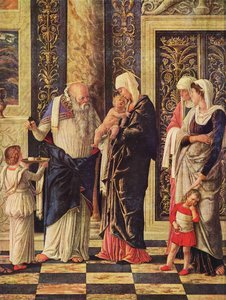
ნახვა ინტერьерში
 გაგზავნა
 გაზიარება
 დეტალები
 გზამკვლევი

 ჩამოტვირთვა
 მსგავსები
 რენტგენოგრაფიული კვლევა
 სლაიდშოუ
 სტატისტიკა
Christ as the Suffering Redeemer
 Oil On Canvas
- WallArt
- Early Renaissance
 1500
1500- Early Medieval
 48.0 x 78.0 cm
 National Gallery of Denmark
 სრული ტექსტის ნახვა
ხელით შესრულებული ზეთის საღებავით რეპროდუქცია
ტილოზე შესრულებული ფერწერიანი ზეთប្រდათი, თქვენთვის სასურველი ზომისა და ჩარჩოსთვის, ჩვენი ხელოვანების მიერ შეკვეთის საფუძველზე დამზადებული. ( გადართვა ბეჭდვის რეჟიმზე გადასვლა ციფრულ გამოსახულებაზე)




P118B $10

P118H $10

P118W $10

P438Z $10

P508JH $12

P508YH $12

P805H $10

P805Z $10

P919BZ $10

P919G $10

P919XJ $10

P959ZH $10

P968JZ $12

W106C $8

W218G $10

W218JH $8

W218Y $10

W307PJ $10

W316G $10

W316PJ $8

W316Y $10

W398PJ $8

W4111J $10

W500HY $15

W500JH $15

W692G $12

W849H $8

W940BG $15

W953PJ $8




აირჩიეთ ჩვენს მიერ წინასწარ განსაზღვრული ზომებიდან, რომლებიც ნაწარმოების ორიგინალურ პროპორციებს შეესაბამება.

თქვენ შეგიძლიათ მიუთითოთ თქვენთვის სასურველი ზომები კონკრეტული ჩარჩოს ან სივრცის შესაბამისად. თუ თქვენ მიერ არჩეული ზომა არ შეესაბამება ორიგინალი გამოსახულების პროპორციებს, ჩვენ ან შევაჭრებთ ნაწარმოებს, ან ტილოზე დავამატებთ ხელით მოხატულ ელემენტებს. წარმოების დაწყებამდე, დასამტკიცებლად გამოგეგზავნებათ ციფრული მაკეტი.
გთხოვთ, გაითვალისწინოთ, რომ ეკრანზე ნაჩვენები წინასწარი შეხედულება არ ასახავს რეალურ შეჭრას ან გაფართოებას. საბოლოო კომპოზიციას ზუსტად მხოლოდ მაკეტი წარმოაჩენს.
მიუხედავად იმისა, რომ შესაძლებელია ინდივიდუალური ზომების შერჩევა, ორიგინალური პროპორციების შენარჩუნებისათვის გირჩევთ, გამოიყენოთ წინასწარ განსაზღვრული სიის ზომები.
შეკვეთის შემდეგ, OriginalUniqueArt.com გუნდი დაგიკავშირდებათ ელექტრონული ფოსტით ინსტრუქციებისთვის და გამოგიგზავნით წინასწარ ნახაზს (mockup).
მიწოდება მსოფლიო მასშტაბით -ში 3/4 კვირაში, სტანდარტული 5 კვირის ნაცვლად. (25 სექტემბერი). ხარისხზე კომპრომისის გაკეთება არ მოხდება.

უფასო ექსპრეს მიწოდება მთელ მსოფლიოში

მაღალი ხარისხის ტილო

ტრანსპორტირების სრული დაზღვევა

საბაჟო გადასახადების დაბრუნების გარანტია

ფერების სრული შესაბამისობის გარანტია

დაბრუნების 100-დღიანი პერიოდი (მხოლოდ წარმოების დეფექტის შემთხვევაში)

100% თანხის სრული დაბრუნების გარანტია

ფასდაკლება დიდი რაოდენობით შეკვეთისას
 მინის ჩარჩოს არჩევანი ხელმისაწვდომია მხოლოდ 110 სმ-მდე ზომისთვის

Christ as the Suffering Redeemer
რეპროდუქციის ტექნიკა
რეპროდუქციის ზომა
-


ჯამური ღირებულება
$ 350
A Moment Frozen in Suffering: Andrea Mantegna’s “Christ as the Suffering Redeemer”
Andrea Mantegna's "Christ as the Suffering Redeemer," painted around 1500, isn’t merely a depiction of a biblical scene; it’s a profound meditation on pain, sacrifice, and the very essence of Christian theology. Emerging from the crucible of Renaissance humanism, this work represents a pivotal moment in Mantegna's artistic journey – a deliberate and deeply considered engagement with antiquity that sought to resurrect the grandeur and emotional resonance of Roman art within the burgeoning Italian landscape. Unlike many artists of his time who simply adopted classical forms, Mantegna’s vision was rooted in an almost obsessive pursuit of archaeological accuracy, fueled by his formative years spent under the tutelage of Francesco Squarcione, a painter and collector whose workshop functioned as a living museum dedicated to the study of Roman ruins. This immersion in fragments of a lost empire profoundly shaped Mantegna's approach – evident in the sculpture-like quality of Christ’s body, the dramatic use of perspective, and an overall sense of timelessness that transcends its specific historical context.
Composition and Technique: A Renaissance Masterclass
The painting immediately commands attention with its carefully orchestrated composition. Centering on a seated Christ, rendered in exquisite detail, the scene unfolds within a meticulously constructed landscape – rolling hills receding into a hazy distance, punctuated by the suggestion of distant buildings. The use of a stone sarcophagus as Christ’s throne anchors him firmly to the foreground, creating a powerful visual dialogue between earthly mortality and divine sacrifice. Mantegna masterfully employs linear perspective, drawing the viewer's eye deep into the scene and establishing a convincing sense of spatial depth. The artist’s technique is characterized by a remarkable control over oil paints; glazing and blending are used with breathtaking subtlety to achieve smooth transitions in tone and texture, lending an almost photographic realism to the figures and landscape. Note particularly the delicate rendering of Christ's drapery – each fold and crease meticulously defined, conveying both weight and movement.
Symbolism and Emotional Resonance: Pain, Hope, and Divine Presence
Beyond its technical brilliance, “Christ as the Suffering Redeemer” is rich in symbolic meaning. Christ’s posture, contorted with pain and vulnerability, speaks volumes about his sacrifice – a tangible representation of the immense suffering endured for humanity's salvation. The two angels flanking him are not merely decorative elements; they embody divine presence and offer a silent reassurance of hope amidst despair. The muted color palette—earthy browns, ochres, and subtle blues—contributes to the painting’s somber mood, while the stark contrast between Christ’s pale flesh tones and the darker hues of the landscape further emphasizes his vulnerability. The circular halos surrounding the angels' heads subtly reinforce their divine nature, creating a visual hierarchy that elevates Christ to a position of unparalleled importance. The very choice of a stone sarcophagus as his seat is laden with symbolism – referencing both death and resurrection, hinting at the promise of eternal life.
Historical Context and Artistic Legacy
Painted in 1500, “Christ as the Suffering Redeemer” reflects the broader artistic currents of the High Renaissance. Mantegna’s work stands as a bridge between the Early and High Renaissances, demonstrating a deep respect for classical antiquity while simultaneously forging his own distinctive style. His meticulous attention to detail, coupled with his innovative use of perspective and dramatic lighting, established him as one of the most influential artists of his era. The painting's focus on human anatomy and emotional expression aligns perfectly with the humanist ideals that were shaping artistic thought during this period. It’s a testament to Mantegna’s ability to not only faithfully reproduce classical forms but also to imbue them with profound spiritual meaning, ensuring that “Christ as the Suffering Redeemer” continues to resonate powerfully with viewers centuries later. A reproduction of this work offers a stunning glimpse into the heart of Renaissance artistry and a poignant meditation on themes of faith, suffering, and redemption.
მხატვრის ბიოგრაფია
ანდრეა მანტეგნას სიცოცხლე და შემოქმედება: რენესანსის ერთ-ერთი უმნიშვნელოვანესი მხატვარი
ანდრეა მანტეგნა, რომლის დაბადების ზუსტი თარიღიცა კი სადავოა, თუმცა მიახლოებით 1431 წელს იზოლა დი კარტუროსთან ახლოს, პადუაში დაიბადა, რენესანსის ისტორიაში გამორჩეული ადგილი უკავია. მანტეგნა არ იყო მხოლოდ მხატვარი; იგი იყო ანტიკური სამყაროს აღმომჩენ-რეაბილიტატორი, რომელმაც თავისი ნიჭითა და შრომით განაცხადა რენესანსის იდეოლოგიური საფუძველი – კლასიკური ხელოვნების აღორძინება. მისი შემოქმედება ხასიათდება სკულპტურული ფორმებით, დრამატული პერსპექტივით და დეტალებზე უსაზღვრო ყურადღებით, რაც მას თანამედროცე მხატვრებს შორის გამორჩევს. მანტეგნას ადრეული წლები მოიცავს ფრანჩესკო სკوارციონის სახელოსნოში სწავლას, რომელსაც არქეოლოგიური კვლევები და ანტიკური ხელოვნების შესწავლა უდიდესი მნიშვნელობით ესახებოდა. სწორედ ამ გარემოში ჩამოყალიბდა მანტეგნას უნიკალური ხედვა – სამყაროს აღქმის მეთოდი, რომელშიც კლასიკური იდეალები ორგანულად ერწყმის რენესანსული ჰუმანიზმს.გონზაგების სასახლე და რეალობის ილუზია
მანტეგნას შემოქმედებითი პიკი მანტუაში, გონზაგების სამსახურში გატარებულ დროს მოიცავს. 1488 წლიდან მხატვარი ამ სახელოვანი გვარის კორტის ერთ-ერთ უმნიშვნელოვანეს წევრად იქცა, რაც მას ხელმისაწვდომი გახდა საუკეტესო პროექტებზეც. სწორედ მაშინ შეიქმნა მისი უდიდესი ნაწარმოები – *კამერა დეგლი სფოსის* (Bridal Chamber) ფრესკოები პალაცო დუუალეში. ეს ნამდვილი შედევრია, რომელიც არ არის მხოლოდ კედლის მხატვრობა; ეს არის მთელი სამყარო, შექმნილი ფერებითა და ხაზებით, სადაც რეალობა ილუზიასთან ევლება ერთმანეთს. ფრესკოს მოქცევები გონზაგების ოჯახის ცხოვრების სურათებს ასახავს, ხოლო ჭერის პანელი, რომელიც *di sotto in sù* (დაწოლილიდან ზემოთ) ტექნიკის გამოყენებითაა შესრულებული, ცასთან ანალოგიური განცდას ქმნის. მანტეგნამ ფერსპექტივის გენიალური გამოყენებით შექმნა ისეთი სიგრძე და სივრცე, რომელსაც ადრეული რენესანსის ხელოვნებაში ვერავინ შეხვდებოდა.პერფექტული ანატომია და კლასიკური იდეალების აღთქმის უნარი
მანტეგნა არ მხოლოდ ფერსპექტივის მოყვარულმა, არამედ ანატომიის შესწავლის მოწინავე მცველადაც უნდა ჩაითვალოს. მისი ფიგურები არა მარტო რეალისტურად გამოიყურება; ისინი სხეულის კუნთების დაโครงสร้างის დეტალური აღწერით გამოირჩევა, რაც იმ დროს რევოლუციური იყო. მანტეგნა არ აკმაყოფილებდა უბრალო ადამიანის გამოსახულებას; იგი ცდილობდა ანტიკური სკულპტურების იდეალურ ფორმებს მიეღწევოდა. მისი ნაწარმოებები, როგორიცაა "საგვერდო ტკივილი" (Agony in the Garden), ამას ცხადყოფენ: ფიგურები მკაცრი, სკულპტურული ხაზებითა და გამომხატველი სახეებით გამოირჩევა. მანტეგნას ეს უნიკალური შეგრძნება, კლასიკური ხელოვნებისადმი სიყვარული და ანატომიის შესწავლის სიღრმისეული ცოდნა, მას რენესანსის ერთ-ერთ ყველაზე მნიშვნელოვან მხატვრად აქცევს.მემკვიდრეობა და თანამედროცე ხელოვნელთათვის გავლენა
ანდრეა მანტეგნა გარდაიცვალა 1506 წელს, მაგრამ მისი შემოქმედება დღესაც აგრძელებს შთაბერვას. მანტეგნამ რენესანსის ხელოვნების განვითარებაში გადამწყვეტი როლი ითამაშა, კლასიკური ტრადიციები თანამედროცე ხელოვნებასთან შეაერთა და ახალი სტანდარტები დასვა. მისი ნოვატორი მიდგომა ფერსპექტივსთან, ანატომიასთან და კომპოზიციასთან დაკავშირებით, მომავალ თაობათა მხატვრებს შთაინთქმა შეუძლიათ, მათ შორის რაფაელსა და მიქელანჯელოს. მანტეგნას მემკვიდრეობა ილიუზიური სივრცის შექმნის უნიკალური უნარში, ანატომიური სიზუსტის მისაღწევად და კლასიკურ ხელოვნებასთან ორგანული კავშირის შენარჩუნებაში მდგომარეობს. მისი ნაშრომები დღეისთვის მსოფლიოს წამყვან მუზეუმებშია განთავსებული, სადაც ისინი აგრძელებენ დამთვალიერებლების აღფრთოვანებას და მოუთმინებლად ელოდნენ ახალ თაობას, რომელიც მისმა შემოქმედებამ შთაინთქმევინა.
ანდრეა მანტეგნა
1431 - 1506 , იტალია
მოკლე ფაქტები
- Artistic Movement Or Style: ადრეული რენესანსი
- Artists Or Movements Influenced By This Artist:
- რაფაელი
- მიქელანჯელო
- Artists Who Influenced This Artist:
- დონატელო
- ჯაკოპო ბელინი
- Date Of Birth: დაახლოებით 1431 წელი
- Date Of Death: 1506 წლის 13 სექტემბერი
- Full Name: ანდრეა მანტეგნა
- Nationality: იტალიური
- Notable Artworks:
- San Zeno Altarpiece
- Agony in the Garden
- Camera degli Sposi
- Triumphs of Caesar
- Place Of Birth: იზოლა დი კარტურო, იტალია
მსგავსი სტატიები

The Enduring Power of Painting: A Historical & Contemporary Exploration of Form and Emotion
Explore the rich history & enduring techniques of oil painting with OriginalUniqueArt. Discover masterpieces, learn about art collecting, and find authentic handmade reproductions crafted by skilled artists.

The Enduring Legacy of Oil on Canvas: Technique, History & Aesthetic Impact
Explore the rich history & techniques of oil painting – from Renaissance masters to Impressionism. Discover pigments, layering methods, and why this timeless medium endures. Expert insights for artists & art enthusiasts.

ზეთის საღებავის მუდმივი მემკვიდრეობა: ტექნიკა, ისტორია და თანამედროვე პრაქტიკა
გაიგეთ ზეთის საღებავის ფერწერის ისტორია, ტექნიკა და თანამედროვე პრაქტიკა. პროფესიონალური მხატვრების რჩევები, ქართული ხელოვნების მიმოხილვა და ინსტრუქციები თქვენი შემოქმედებისთვის.

Oil on Canvas: A Historical & Technical Exploration of a Timeless Artistic Medium
Explore the rich history & enduring techniques of oil painting on canvas. Discover the science behind its longevity, conservation practices, and contemporary relevance. Expert insights for art enthusiasts.
ფრა ანჯელიკოს 25 შედევრი: ხელოვნების სილამაზე თქვენს სახლში | OriginalUniqueArt.com
აღმოაჩინეთ ფრა ანჯელიკოს 25 უნიკალური შედევრი! რენესანსის ფერწერა, სულიერი ხატები და იტალიური ხელოვნების სილამაზე OriginalUniqueArt.com-ზე. შეიძინეთ მუზეუმის ხარისხის რეპროდუქციები სახლის დეკორისთვის. Explore the full collection online!