ნახვა ინტერьерში
 გაგზავნა
 გაზიარება
 დეტალები
 გზამკვლევი

 ჩამოტვირთვა
 მსგავსები
 რენტგენოგრაფიული კვლევა
 სლაიდშოუ
 სტატისტიკა
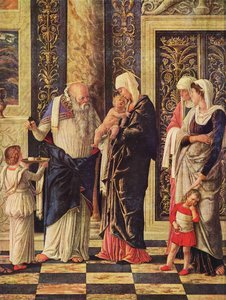
Ceiling Oculus
 Acrylic On Canvas
- WallArt
- Renaissance Mannerism
 1465
1465- Renaissance
 270.0 x 270.0 cm
 სრული ტექსტის ნახვა
გიკლე / ხელოვნების პრინტი
მუზეუმის დონის ჟიკლე ან ტილოზე ბეჭდვა სწრაფი წარმოებისა და დასრულების მოქნილი ვარიანტებით. ( შეიძინეთ ხელით შესრულებული ნახატი გადასვლა ციფრულ გამოსახულებაზე)




P118B ₾10

P118H ₾10

P118W ₾10

P438Z ₾10

P508JH ₾12

P508YH ₾12

P805H ₾10

P805Z ₾10

P919BZ ₾10

P919G ₾10

P919XJ ₾10

P959ZH ₾10

P968JZ ₾12

W106C ₾8

W218G ₾10

W218JH ₾8

W218Y ₾10

W307PJ ₾10

W316G ₾10

W316PJ ₾8

W316Y ₾10

W398PJ ₾8

W4111J ₾10

W500HY ₾15

W500JH ₾15

W692G ₾12

W849H ₾8

W940BG ₾15

W953PJ ₾8




აირჩიეთ ჩვენს მიერ წინასწარ განსაზღვრული ზომებიდან, რომლებიც ნაწარმოების ორიგინალურ პროპორციებს შეესაბამება.

შეიყვანეთ თქვენთვის საჭირო სიგანე და სიმაღლე, რათა იგი მოერგოს თქვენს ჩარჩოს ან კედელს. ბეჭდვისას შესაძლებელია მხოლოდ მისი შემცირება და არა გაზრდა, ამიტომ სხვა ფორმის ზომის შემთხვევაში გამოსახულება ნაწილობრივ იკარგება. სანამ რაიმეს დაბეჭდავთ, ჩვენ გამოგიგზავნით ციფრულ მაკეტს დასდასტურებლად. ამ გვერდზე ნაჩვენები სურათი არ ასახავს რეალურ ჭრას — ამას მხოლოდ მაკეტი გვიჩვენებს.
მიწოდება მთელ მსოფლიოში () 2 კვირაში, სტანდარტული 4/5 კვირის ნაცვლად. (22 ოქტომბერი)

უფასო ექსპრეს მიწოდება მთელ მსოფლიოში

მაღალი ხარისხის ტილო

ტრანსპორტირების სრული დაზღვევა

საბაჟო გადასახადების დაბრუნების გარანტია

ფერების სრული შესაბამისობის გარანტია

დაბრუნების 100-დღიანი პერიოდი (მხოლოდ წარმოების დეფექტის შემთხვევაში)

100% თანხის სრული დაბრუნების გარანტია

ფასდაკლება დიდი რაოდენობით შეკვეთისას
 მინის ჩარჩოს არჩევანი ხელმისაწვდომია მხოლოდ 110 სმ-მდე ზომისთვის

Ceiling Oculus
გიკლე / ხელოვნების პრინტი
რეპროდუქციის ზომა
-


ჯამური ღირებულება
₾ 209
A Celestial Vision: Unveiling Mantegna’s Oculus
This breathtaking fresco, measuring 270 x 270 cm and created in 1465 by the masterful Andrea Mantegna, is a captivating example of Renaissance artistry. The *Ceiling Oculus* isn't merely a decoration; it’s an immersive experience – a window into a meticulously constructed world of myth, divinity, and allegorical meaning.Style & Historical Context
Mantegna was a pivotal figure in the transition from Early to High Renaissance art. This oculus exemplifies his distinctive style—a blend of classical revival and innovative perspective techniques. The work leans heavily into *Mannerism*, characterized by elongated figures, dramatic poses, and an overall sense of heightened emotion. Born in 1431, Mantegna’s fascination with Roman archaeology profoundly influenced his art; he sought to recreate the grandeur and precision of antiquity. He was a contemporary of artists like Donatello and Piero della Francesca, but forged his own path through rigorous study of form and perspective. The oculus reflects the humanist ideals prevalent during the Renaissance – a renewed interest in classical learning and a celebration of human potential within a divine framework.Subject & Composition
The composition is densely populated with figures—angels, gods, and mythological creatures—arranged within the circular frame of the oculus. A vibrant blue sky serves as the backdrop, punctuated by swirling clouds and twinkling stars. The eye is immediately drawn to a prominent cloud formation at the center, featuring a majestic peacock – a symbol often associated with immortality and resurrection. Intriguing details like fruit baskets and architectural elements are interwoven into the design, enriching the narrative complexity. Mantegna masterfully employs curvilinear lines to emphasize the circularity of the composition and create a dynamic sense of movement. The perspective is deliberately flattened, an effect necessitated by the oculus format, yet it creates a compelling illusion of depth that draws the viewer upwards into this heavenly realm.Technique & Materials
Mantegna’s skill as a fresco painter is on full display here. The technique involves applying pigments mixed with water to wet lime plaster – a demanding process requiring speed and precision. The resulting surface boasts a remarkable luminosity and durability. He utilized primarily earth-based pigments, achieving a rich and varied palette. While appearing smooth in areas—particularly on the figures—closer inspection reveals subtle brushstrokes indicative of the fresco technique. The lighting is skillfully simulated through color variations, with brighter tones used for highlights and darker shades to create depth and shadow.Symbolism & Emotional Impact
The *Ceiling Oculus* is laden with symbolism. It evokes themes of divine grace, mythology, and potentially the cyclical nature of life. The peacock’s presence suggests hope and renewal, while the arrangement of figures hints at a celestial hierarchy. The overall effect is one of awe-inspiring beauty and power. Mantegna doesn't simply depict a scene; he creates an *experience* – inviting contemplation on humanity’s place within the cosmos. It’s a work that transcends mere decoration, becoming a spiritual focal point.For Collectors & Designers
This artwork is not only a historical treasure but also a source of enduring inspiration for interior design. A high-quality reproduction of the *Ceiling Oculus* can transform any space, adding a touch of Renaissance grandeur and intellectual depth. Its circular format makes it particularly well-suited for domed ceilings or as a striking focal point in smaller rooms. The rich color palette complements both traditional and contemporary interiors, offering a timeless aesthetic appeal. Whether you are an art collector seeking a masterpiece to admire or an interior designer aiming to create a truly exceptional space, Mantegna’s *Ceiling Oculus* is a compelling choice.კითხვები და პასუხები
რომელი მხატვარი და რომელი სტილი დგას „Ceiling Oculus“-ის უკან?
"Ceiling Oculus"-ის უკან დგას ანდრეა მანტეგნა და Renaissance Mannerism მიმდევრობა.
რა ეპოქას მიეკუთვნება "Ceiling Oculus"?
ანდრეა მანტეგნა-ის „Ceiling Oculus“ მიეკუთვნება Renaissance პერიოდს. ეს ეპოქა ნამუშევარს ისტორიულ კონტექსტს სძენს.
რა საერთო აქვს „Ceiling Oculus“-ს ანდრეა მანტეგნა-ის სხვა ნამუშევრებთან?
ანდრეა მანტეგნა-ის შემოქმედებაში „Ceiling Oculus“ Renaissance Mannerism სტილშია შესრულებული და roman antiquity influence, biblical allegory & grace, renaissance humanism themes, patronage & courtly display, ceiling ornamentation style, complex narrative composition, early renaissance ceiling art თემებს ეფუძნება.
მხატვრის ბიოგრაფია
ანდრეა მანტეგნას სიცოცხლე და შემოქმედება: რენესანსის ერთ-ერთი უმნიშვნელოვანესი მხატვარი
ანდრეა მანტეგნა, რომლის დაბადების ზუსტი თარიღიცა კი სადავოა, თუმცა მიახლოებით 1431 წელს იზოლა დი კარტუროსთან ახლოს, პადუაში დაიბადა, რენესანსის ისტორიაში გამორჩეული ადგილი უკავია. მანტეგნა არ იყო მხოლოდ მხატვარი; იგი იყო ანტიკური სამყაროს აღმომჩენ-რეაბილიტატორი, რომელმაც თავისი ნიჭითა და შრომით განაცხადა რენესანსის იდეოლოგიური საფუძველი – კლასიკური ხელოვნების აღორძინება. მისი შემოქმედება ხასიათდება სკულპტურული ფორმებით, დრამატული პერსპექტივით და დეტალებზე უსაზღვრო ყურადღებით, რაც მას თანამედროცე მხატვრებს შორის გამორჩევს. მანტეგნას ადრეული წლები მოიცავს ფრანჩესკო სკوارციონის სახელოსნოში სწავლას, რომელსაც არქეოლოგიური კვლევები და ანტიკური ხელოვნების შესწავლა უდიდესი მნიშვნელობით ესახებოდა. სწორედ ამ გარემოში ჩამოყალიბდა მანტეგნას უნიკალური ხედვა – სამყაროს აღქმის მეთოდი, რომელშიც კლასიკური იდეალები ორგანულად ერწყმის რენესანსული ჰუმანიზმს.გონზაგების სასახლე და რეალობის ილუზია
მანტეგნას შემოქმედებითი პიკი მანტუაში, გონზაგების სამსახურში გატარებულ დროს მოიცავს. 1488 წლიდან მხატვარი ამ სახელოვანი გვარის კორტის ერთ-ერთ უმნიშვნელოვანეს წევრად იქცა, რაც მას ხელმისაწვდომი გახდა საუკეტესო პროექტებზეც. სწორედ მაშინ შეიქმნა მისი უდიდესი ნაწარმოები – *კამერა დეგლი სფოსის* (Bridal Chamber) ფრესკოები პალაცო დუუალეში. ეს ნამდვილი შედევრია, რომელიც არ არის მხოლოდ კედლის მხატვრობა; ეს არის მთელი სამყარო, შექმნილი ფერებითა და ხაზებით, სადაც რეალობა ილუზიასთან ევლება ერთმანეთს. ფრესკოს მოქცევები გონზაგების ოჯახის ცხოვრების სურათებს ასახავს, ხოლო ჭერის პანელი, რომელიც *di sotto in sù* (დაწოლილიდან ზემოთ) ტექნიკის გამოყენებითაა შესრულებული, ცასთან ანალოგიური განცდას ქმნის. მანტეგნამ ფერსპექტივის გენიალური გამოყენებით შექმნა ისეთი სიგრძე და სივრცე, რომელსაც ადრეული რენესანსის ხელოვნებაში ვერავინ შეხვდებოდა.პერფექტული ანატომია და კლასიკური იდეალების აღთქმის უნარი
მანტეგნა არ მხოლოდ ფერსპექტივის მოყვარულმა, არამედ ანატომიის შესწავლის მოწინავე მცველადაც უნდა ჩაითვალოს. მისი ფიგურები არა მარტო რეალისტურად გამოიყურება; ისინი სხეულის კუნთების დაโครงสร้างის დეტალური აღწერით გამოირჩევა, რაც იმ დროს რევოლუციური იყო. მანტეგნა არ აკმაყოფილებდა უბრალო ადამიანის გამოსახულებას; იგი ცდილობდა ანტიკური სკულპტურების იდეალურ ფორმებს მიეღწევოდა. მისი ნაწარმოებები, როგორიცაა "საგვერდო ტკივილი" (Agony in the Garden), ამას ცხადყოფენ: ფიგურები მკაცრი, სკულპტურული ხაზებითა და გამომხატველი სახეებით გამოირჩევა. მანტეგნას ეს უნიკალური შეგრძნება, კლასიკური ხელოვნებისადმი სიყვარული და ანატომიის შესწავლის სიღრმისეული ცოდნა, მას რენესანსის ერთ-ერთ ყველაზე მნიშვნელოვან მხატვრად აქცევს.მემკვიდრეობა და თანამედროცე ხელოვნელთათვის გავლენა
ანდრეა მანტეგნა გარდაიცვალა 1506 წელს, მაგრამ მისი შემოქმედება დღესაც აგრძელებს შთაბერვას. მანტეგნამ რენესანსის ხელოვნების განვითარებაში გადამწყვეტი როლი ითამაშა, კლასიკური ტრადიციები თანამედროცე ხელოვნებასთან შეაერთა და ახალი სტანდარტები დასვა. მისი ნოვატორი მიდგომა ფერსპექტივსთან, ანატომიასთან და კომპოზიციასთან დაკავშირებით, მომავალ თაობათა მხატვრებს შთაინთქმა შეუძლიათ, მათ შორის რაფაელსა და მიქელანჯელოს. მანტეგნას მემკვიდრეობა ილიუზიური სივრცის შექმნის უნიკალური უნარში, ანატომიური სიზუსტის მისაღწევად და კლასიკურ ხელოვნებასთან ორგანული კავშირის შენარჩუნებაში მდგომარეობს. მისი ნაშრომები დღეისთვის მსოფლიოს წამყვან მუზეუმებშია განთავსებული, სადაც ისინი აგრძელებენ დამთვალიერებლების აღფრთოვანებას და მოუთმინებლად ელოდნენ ახალ თაობას, რომელიც მისმა შემოქმედებამ შთაინთქმევინა.
ანდრეა მანტეგნა
1431 - 1506 , იტალია
მოკლე ფაქტები
- Artistic Movement Or Style: ადრეული რენესანსი
- Artists Or Movements Influenced By This Artist:
- რაფაელი
- მიქელანჯელო
- Artists Who Influenced This Artist:
- დონატელო
- ჯაკოპო ბელინი
- Date Of Birth: დაახლოებით 1431 წელი
- Date Of Death: 1506 წლის 13 სექტემბერი
- Full Name: ანდრეა მანტეგნა
- Nationality: იტალიური
- Notable Artworks:
- San Zeno Altarpiece
- Agony in the Garden
- Camera degli Sposi
- Triumphs of Caesar
- Place Of Birth: იზოლა დი კარტურო, იტალია
მსგავსი სტატიები

OriginalUniqueArt.com F.A.Q.: Elevating Interiors with Bespoke Wall Murals & Masterpiece Frescoes
Discover the pinnacle of bespoke interior transformation with OriginalUniqueArt.com. Our master fresco artists create exquisite, hand-painted wall murals and ceiling masterpieces tailored to your estate. Elevate your architectural space with timeless, museum-quality artistry.