- მთავარი გვერდი

- ზეთის ტილოზე რეპროდუქცია
- ანდრე მასონი
- Montserrat
 ნაბეჭდის შეძენა გამოსახულების შეძენა
 გაგზავნა
 გაზიარება
 დეტალები
 დამატება ფავორიტებში

 ჩამოტვირთვა
 მსგავსები
 რენტგენოგრაფიული კვლევა
 სლაიდშოუ
Montserrat
 Acrylic On Paper
- Other
- Surrealist Movement
 1934
1934 47.0 x 63.0 cm
 Тate Модерн
 გადასართად დაწვრილებით ნახეთ
ხელით ნაკვეთი ზეთის ტილოს რეპროდუქცია
ტილოზე შესრულებული ფერწერიანი ზეთប្រდათი, თქვენთვის სასურველი ზომისა და ჩარჩოსთვის, ჩვენი ხელოვანების მიერ შეკვეთის საფუძველზე დამზადებული.




































აირჩიეთ ჩვენს მიერ წინასწარ განსაზღვრული ზომებიდან, რომლებიც ნაწარმოების ორიგინალურ პროპორციებს შეესაბამება.

თქვენ შეგიძლიათ მიუთითოთ თქვენთვის სასურველი ზომები კონკრეტული ჩარჩოს ან სივრცის შესაბამისად. თუ თქვენ მიერ არჩეული ზომა არ შეესაბამება ორიგინალი გამოსახულების პროპორციებს, ჩვენ ან შევაჭრებთ ნაწარმოებს, ან ტილოზე დავამატებთ ხელით მოხატულ ელემენტებს. წარმოების დაწყებამდე, დამტკიცებისთვის გამოგეგზავნებათ ციფრული მაკეტი.
გთხოვთ, გაითვალისწინოთ, რომ ეკრანზე ნაჩვენები წინასწარი შეხედულება არ ასახავს რეალურ შეჭრას ან გაფართოებას. საბოლოო კომპოზიციას ზუსტად მხოლოდ მაკეტი წარმოაჩენს.
მიუხედავად იმისა, რომ შესაძლებელია ინდივიდუალური ზომების შერჩევა, ორიგინალური პროპორციების შენარჩუნებისათვის გირჩევთ, გამოიყენოთ წინასწარ განსაზღვრული სიის ზომები.
შეკვეთის შემდეგ, OriginalUniqueArt.com გუნდი დაგიკავშირდებათ ელექტრონული ფოსტით ინსტრუქციებისთვის და გამოგიგზავნით წინასწარ ნახაზს (mockup).
მიწოდება მსოფლიო მასშტაბით -ში 3/4 კვირაში, სტანდარტული 5 კვირის ნაცვლად. (21 ივლისი). ხარისხზე კომპრომისის გაკეთება არ მოხდება.

უფასო ექსპრეს მიწოდება მთელ მსოფლიოში

საბამად მაღალი ხარისხის ტილო

სრული ტრანსპორტირების დაზღვევა

საბაჟო გადასახადების დაბრუნების გარანტია

ფერების სრული შესაბამისობის გარანტია

60-დღიანი დაბრუნების პოლიტიკა (მხოლოდ დეფექტის შემთხვევაში)

100% თანხის დაბრუნების გარანტია

ფასდაკლება დიდი რაოდენობით შეკვეთისას
 მინის ჩარჩოს არჩევანი ხელმისაწვდომია მხოლოდ 110 სმ-ზე ნაკლები ზომისთვის

Montserrat
რეკლამაციის ტექნიკა
რეკლამაციის ზომა
-


საბოლოო ფასი
-
ნაწარმოების აღწერა
André Masson’s “Montserrat”: A Journey Into the Subconscious
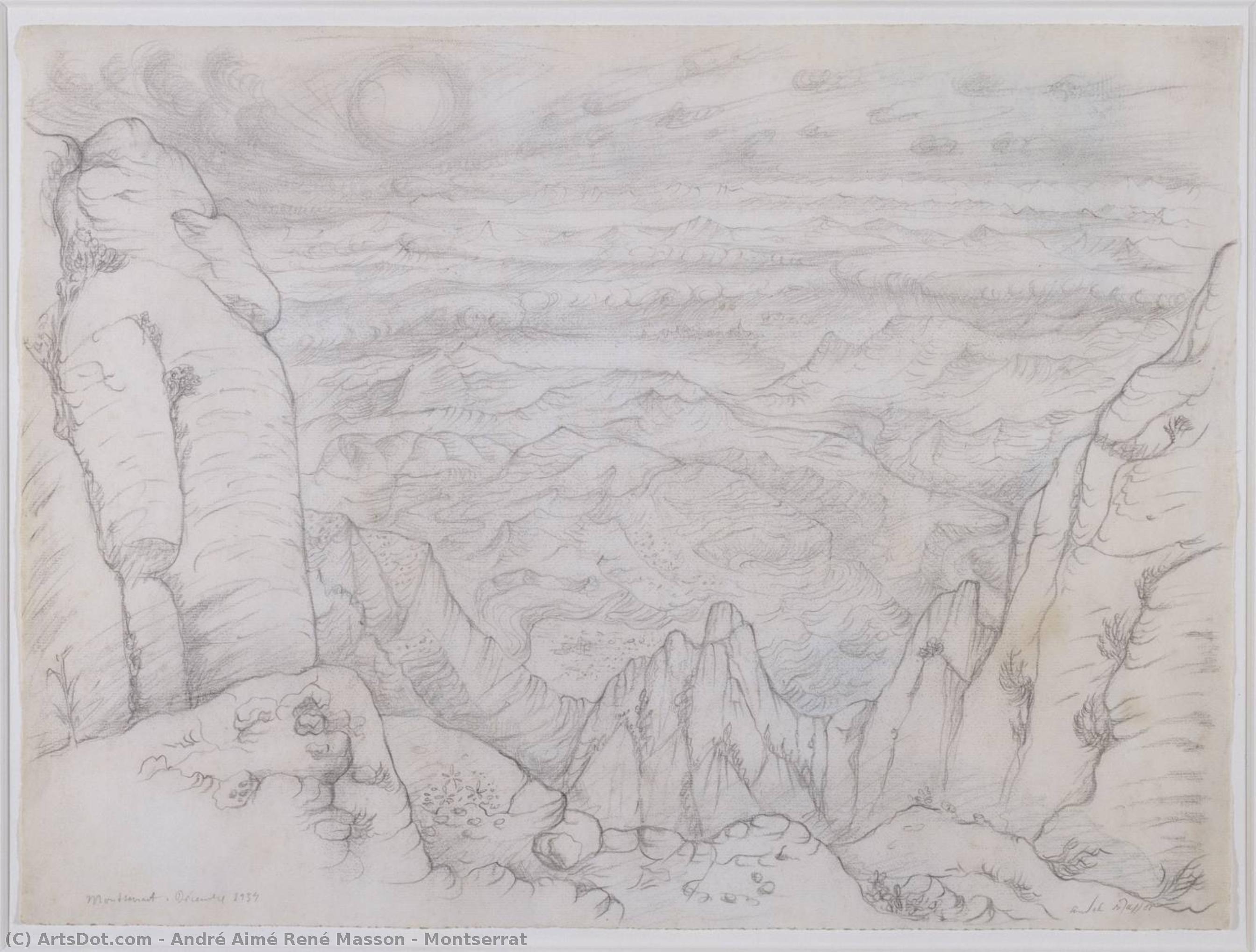
André Masson's "Montserrat," painted in 1934, isn’t merely a landscape; it’s an invitation into the heart of the Surrealist mind. This graphite and chalk drawing on paper captures a rugged, almost violently sculpted mountain range under a dramatic, circular sun – a scene that feels both familiar and profoundly unsettling. Masson, a key figure in the Surrealist movement, employed his signature technique of automatic drawing to create an image brimming with raw emotion and symbolic depth, reflecting a fascination with the subconscious and primal forces.
The genesis of “Montserrat” lies within Masson’s exploration of automatism – a method he embraced wholeheartedly, believing it bypassed conscious control and allowed the unconscious to dictate the artistic process. He often began by throwing sand and glue onto a canvas, then meticulously building upon the resulting shapes, allowing them to organically inform the composition. This technique is vividly apparent in “Montserrat,” where jagged peaks emerge from seemingly random lines, suggesting a landscape born not of observation but of internal feeling. The drawing’s loose, expressive lines eschew traditional perspective, instead prioritizing the immediate impact and emotional resonance of the scene.
Deconstructing the Landscape: Form, Color, and Technique
The color palette is deliberately restrained – primarily shades of grey, white, and beige against a creamy background. This monochromatic approach amplifies the drawing’s textural qualities, emphasizing the rough surfaces of the mountains and the dynamic interplay between light and shadow. Masson masterfully utilizes hatching and cross-hatching to build up volume and create a sense of depth, mimicking the appearance of rock formations and atmospheric conditions. The composition itself is asymmetrical, with peaks arranged in a way that feels both precarious and powerful – mirroring perhaps the inherent instability of the subconscious mind.
Notice the deliberate lack of detail; Masson isn’t striving for photographic realism. Instead, he focuses on capturing the *essence* of the mountain range, reducing it to its most fundamental forms. The lines are not precise but rather suggestive, creating a dreamlike quality that aligns perfectly with the Surrealist aesthetic. The circular sun, dominating the upper center, acts as a potent symbol – representing enlightenment, clarity, or perhaps even the overwhelming force of the unconscious itself.
Symbolism and Emotional Resonance
“Montserrat” is rich in symbolic potential. The jagged peaks can be interpreted as challenges, obstacles, or even the fragmented nature of memory. The vastness of the landscape evokes feelings of solitude and isolation, while the dramatic lighting creates a sense of drama and tension. Considering Masson’s interest in primal expression, one might also read the drawing as an attempt to tap into something deeper – a connection with the earth, with instinct, or even with the darker aspects of human experience.
The painting's emotional impact is undeniably powerful. It doesn’t simply depict a mountain range; it invites us to contemplate our own internal landscapes, to confront the uncertainties and anxieties that lie beneath the surface of consciousness. “Montserrat” stands as a testament to Masson’s ability to translate complex psychological states into a visually arresting and deeply evocative work of art – a timeless exploration of the human spirit.
André Masson: Context and Legacy
Born in Balagny-sur-Thérain, France, in 1896, André Masson’s artistic journey was shaped by early exposure to Cubism and a later embrace of Surrealism. He collaborated extensively with other prominent figures of the movement, including Antonin Artaud and Joan Miró, fostering a vibrant artistic community centered around automatic drawing. His work has been exhibited widely throughout Europe and America, influencing generations of artists. Masson’s legacy extends beyond his own paintings; he played a crucial role in shaping the direction of Surrealist art, leaving an indelible mark on 20th-century visual culture.
მხატვრის ბიოგრაფია
ანდრე მასონის ცხოვრება და შემოქმედება
ანდრე მასონი, ფრანგი მხატვარი, რომელიც დაიბადა 1896 წლის 4 იანვარს ბალაგნი-სюр-თერენში, წარმოადგენს XX საუკუნის ერთ-ერთ ყველაზე მნიშვნელოვან და ინოვაციურ ხელმძღვანელობას. მასონის შემოქმედება გამოირჩევა სიუჟეტების მრავალფეროვნებით, ტექნიკური ექსპერიმენტებითა და ფსიქოლოგიური სიღრმით. მისი გზა დაიწყო აკადემიური ხატვით, მაგრამ სწრაფად გადავიდა თანამედროვე ხელოვნების სხვადასხვა მიმართულების შესწავლაზე.
მასონის ადრეული ნამუშევრები Cubism-ის ინტერესებს ასახავს. თუმცა, მისი შემოქმედებითი ბუნება უფრო მეტს მოითხოვდა და მან Surrealism-ში იპოვა თავისი გამოხატვის უნიკალური საშუალება. 1920-იან წლებში მასონი აქტიურად ჩაერთო Surrealist მოძრაობაში, სადაც ავტომატიზმის ტექნიკის განვითარებაში მნიშვნელოვანი როლი შეასრულა. ეს ტექნიკა გულისხმობდა ხელოვნების შექმნას ყოველგვარი გაწონილოკონტროლის გარეშე, რაც მხატვარს საშუალებას აძლევდა, გამოეხატა ქვეცნობიერი აზრები და ემოციები. მასონის ავტომატიზმის სტილის ნახატები, შესრულებული კალმით, დღესაც აღფრთოვანებს თავისი ორიგინალობითა და სიუჟეტების სიმდიდრით.
მასონი მჭიდროდ თანამშრომლობდა Surrealist ინტელიგენციის წარმომადგენლებთან – ანტონენ არტო, მიშელ ლერი, ჟოან მირო, ჟორჟ ბატაი და სხვა. ამ პერიოდში მის შემოქმედებაში განსაკუთრებული ადგილი ეკავა ეროტულ და ძალადობრივ თემებს, რაც ტრადიციული ხელოვნების ჩარჩოების გარღვევის შედეგი იყო. მან ასევე განახორციელა უნიკალური ექსპერიმენტები ტილოზე ქვიშისა და წებოს გამოყენებით, რისი საშუალებითაც შექმნა განსაკუთრებული ხატები.
1920-იანი წლების ბოლოს მასონი Surrealism-დან თანდათანობით გადავიდა უფრო სტრუქტურირებული სტილისკენ. ამ პერიოდში მასზე დიდი გავლენა მოახდინა ანდრე დერენის ხელოვნებამ, რაც განსაკუთრებით შესამჩნელია მის ლანდშაფტურ ხატებში. მეორე მსოფლიო ომის დროს მასონის შემოქმედება ნაცისტებმა “დეგენერატულად” გამოაცხადეს. მხატვარი ამერიკის შეერთებულ შტატებში გაიქცა, სადაც მნიშვნელოვანი გავლენა მოახდინა Abstract Expressionism-ის წარმომადგენლებზე, განსაკუთრებით კი ჯექსონ პოლოკზე.
საფრანგეთში დაბრუნების შემდეგ მასონი Aix-en-Provence-ში დასახლდა და ლანდშაფტურ ხატვას მიემხრო. ამ პერიოდში მის შემოქმედებაში უფრო მეტად გამოიკვეთა ბუნებრივი მოტივები. ანდრე მასონის შემოქმედებითი გზა, რომელიც დაიწყო აკადემიური ხატვით და დამთავრდა Surrealism-ის პერიოდით, დღესაც აღფრთოვანებს ხელოვნების მოყვარულებს. მისი ავტომატიზმის ტექნიკის განვითარებამ და ქვეცნობიერში ჩაღრმავებულმა სიუჟეტებმა მნიშვნელოვანი კვალი დატოვა თანამედროვე ხელოვნებაზე. მასონის ექსპერიმენტული მიდგომა, ძალადობისა და ეროტიკის თემების შესწავლა, აგრეთვე ლანდშაფტური ხატვის სფეროში შეტანილი სიახლეები, მას XX საუკუნის ერთ-ერთ ყველაზე მნიშვნელოვან მხატვრად აქცევს. მასონის გავლენა დღესაც იგრძნობა ხელოვნების სხვადასხვა მიმართულებაში.
მნიშვნელოვანი ნამუშევრები
- Beyond
- Landscape with Rocks
- The metamorphosis of the lovers
- Pygmalion

ანდრე მასონი
1896 - 1987
მოკლე ინფორმაცია
- Artistic Movement Or Style:
- სურიალიზმი
- კუბიზმი
- Artists Or Movements Influenced By This Artist: ['ჯექსონ პოლოკი']
- Artists Who Influenced This Artist: ['ანდრე დერენი']
- Date Of Birth: 4 იანვარი 1896
- Date Of Death: 1987 წელი
- Full Name: ანდრე ეიმე რენე მასონი
- Nationality: ფრანგი
- Notable Artworks (List Of Titles):
- Beyond
- Landscape with Rocks
- Place Of Birth (City And Country): ბალანი-სურ-თერენი, საფრანგეთი
დაკავშირებული სტატიები
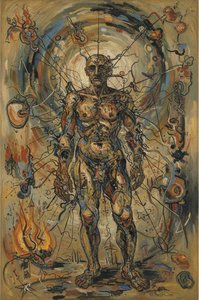
André Masson: Automatism, Surrealism & Primal Expression in 20th-Century Art
Explore the revolutionary art of André Masson – pioneer of automatism & Surrealist expression. Discover his powerful imagery, innovative techniques, and lasting influence on modern art. Learn more at OriginalUniqueArt.
William Trost Richards: Luminism, Spirituality & the American Landscape Tradition
Explore the captivating landscapes of William Trost Richards, a master of Luminism associated with both the Hudson River School & American Pre-Raphaelite movements. Discover his spiritual connection to nature and lasting influence on American art.
Fyodor Vasilyev: A Poetic Vision of Russian Landscape – Life, Legacy, and the Transience of Nature
Explore the captivating world of Fyodor Vasilyev, a pioneering Russian landscape painter. Discover his lyrical style, influential works like 'Clouds' & lasting legacy. Learn about his life, artistic journey & impact on Russian art history.

Beyond Reality's Grasp: Surrealism & Expressionism in 20th-Century Art
Explore the captivating interplay of Surrealism & Expressionism in 20th-century art. Discover key artists like Masson and Pollock, automatism techniques, and their lasting influence. Expert insights for art enthusiasts.
The Eloquent Line: Exploring the Artistic Significance of Sketches Across Movements and Media
Explore the profound artistic significance of sketches throughout history. From Renaissance masters to modern innovators like Van Gogh & Guston, discover how these foundational works reveal technique, emotion, and vision. Learn more at OriginalUniqueArt.

