Fauvism
Cassis (ანდრე დერენი)
ანდრე დერენი (1880–1954)-მა შექმნა Cassis. ის Fauvism მიძღვნილ სტილს მიეკუთვნება. შესრულებულია Oil On Canvas-ით.
- Oil On Canvas

 წინასწარი ნახვა

 ხელით შესრულებული ზეთប្រეწერი
 გაგზავნა
 გაზიარება
 გზამკვლევი


 ჩამოტვირთვა
 მსგავსები
 რენტგენოგრაფიული კვლევა
 სლაიდშოუ
 კითხვა-პასუხი

 სტატისტიკა
Cassis: ძირითადი ფაქტები
- სათაური
- Cassis
- ავტორი
- ანდრე დერენი (1880–1954)
- ხატვის წელი და ადგილი
- შატუ, საფრანგეთი
- ტექნიკა
- Oil On Canvas
- მოძრაობა
- Fauvism
- ეპოქა
- Modern
- სუბიექტი
- village, trees, church, house, people, buildings
რა არის გამოსახული Cassis-ში?
Identification of the Landscape at Cassis
The artwork titled Cassis, also known as Landscape at Cassis, is an oil on canvas painting. This work was executed by the French artist André Derain in 1907. The subject matter focuses on a landscape setting located in Cassis, France.
The painting depicts a village scene characterized by various structures and natural elements. A church occupies a central position within the town. Surrounding this central building are numerous trees. The composition includes a house with a red roof and a building resembling a barn. Several people are positioned throughout the scene, appearing to move through or observe the village environment.
Visual Composition and Subject Matter
The composition centers on a hillside landscape where a house with a red roof sits among various trees. This structure is positioned on an incline, surrounded by dense vegetation. Several people are scattered throughout the scene, appearing as small figures engaged in activities or observing the view. The arrangement of the terrain and the placement of the buildings create a sense of a settled village environment.
The natural elements are rendered as a dense web of stylized forms. These shapes are distributed across a smooth surface, creating a patterned effect within the landscape. The trees and the surrounding greenery form a complex network of lines and colors that define the topography of the hillside. The presence of the church and the barn adds structural variety to the village setting, contrasting with the organic shapes of the foliage.
Artistic Style and Technique
The work exemplifies the essence of Fauvism through its use of vivid colors and energetic brushstrokes. The application of paint involves thick black outlines that define the various structures and natural elements within the scene. These heavy contours create a sharp separation between the buildings, the trees, and the sky. The color palette relies on stark contrasts to establish form and depth. This approach moves away from naturalistic shading in favor of direct, unmixed hues.
The composition occupies a position halfway between Fauvism and Cubism. While the color application remains bold and non-representational, there is an emerging interest in structure and form. The artist uses a dense web of stylized natural elements across the surface. These elements are rendered with a controlled, almost geometric quality that suggests a transition toward more structured compositions. The brushwork remains visible and rhythmic, contributing to the overall sense of movement within the landscape.
Related Works by André Derain
The artist's exploration of the French coastline includes The Cypresses at Cassis and Landscape near Cassis (Paysage aux environs de Cassis). These works focus on the specific light and topography of the region. In the latter, the composition features a house with a red roof situated on a hillside, surrounded by trees and figures. The palette in these studies often utilizes the intense colors associated with the Fauvist movement, employing bold and non-naturalistic hues to define the landscape.
During a period of travel to the United Kingdom, Derain produced a series of thirty paintings focused on the urban environment of London. These works move away from the quietude of the French countryside to capture the structural weight of the city and the movement of the Thames. His later output also includes Harlequin and Pierrot, a work from 1924 that reflects a shift in his stylistic direction following his earlier experimental years.
- The Cypresses at Cassis
- Landscape near Cassis (Paysage aux environs de Cassis)
- Harlequin and Pierrot
Where to See This Artwork Today
The oil on canvas painting is currently held within the collection of the New Orleans Museum of Art. This institution maintains the work as part of its permanent holdings. Visitors seeking to observe the piece in person can find it within this specific museum setting.
The provenance and ownership of the work involve the Hermann und Margrit Rupf-Stiftung, Kunstmuseum Bern. This association links the painting to the collection at the Kunstmuseum Bern. Additionally, the artist's broader body of work is represented in the Musee d'art moderne Andre Malraux, which houses other pieces by the same hand.
Cassis მაღალი გარ Auflხ résoudre-ში

ანდრე დერენი, Cassis. საჯარო საკუთრება
ციფრული ექსპერტი ადარებს ფერებს ორიგინალ ნაწერს და ამუშავებს ფაილს, რაც სრულად შეესაბამება მხატვრის ტექნიკას.
შეიძინეთ მაღალი გარ Auflusionის გამოსახულებაკითხვები Cassis-ის შესახებ
რა ტექნიკა გამოიყენეს ანდრე დერენი-ის „Cassis“-ის შესაქმნელად?
ანდრე დერენი-მა „Cassis“-ის შესაქმნელად Oil On Canvas ტექნიკა გამოიყენა. აღნიშნული ტექნიკა განსაზღვრავს ორიგინალი ნამუშევრის მატერიალურ ბუნებას.
რას ეხება "Cassis"?
ანდრე დერენი-ის „Cassis“-ში წარმოდგენილი თემები მოიცავს village, trees, church, house, people, buildings, red roof-ს, რაც ერთობლიობაში ასახავს ნამუშევრის შინაარსს.
არის თუ არა "Cassis" საავტორო უფლებებისგან თავისუფალი?
ანდრე დერენი-ის „Cassis“ არის საჯარო საკუთრებაშია — საავტორო უფლებები ამოწდა. ეს სტატუსი განსაზღვრავს, თუ როგორ შეიძლება ნამუშევრის გამოსახულების რეპროდუცირება.
ვინ შექმნა "Cassis"?
ნამუშევრის „Cassis“ ავტორი არის ანდრე დერენი. ნამუშევარი დატრიალებულია ანდრე დერენი-ის სახელით.
რომელ მხატვრულ მიმდევრობას წარმოადგენს ანდრე დერენი-ის „Cassis“?
ანდრე დერენი-ის „Cassis“-თან დაკავშირებული ხელოვნების მიმდინარეობა არის Fauvism. ეს კლასიფიკაცია ნამუშევარს მსგავს ხელოვანთა და ქსნეულობათა წრეში ათავსებს.
ანდრე დერენი-ის შემოქმედების რომელ პერიოდს მიეკუთვნება „Cassis“?
ანდრე დერენი-ის შემოქმედების პერიოდში „Cassis“ Fauvist Period-ს მიეკუთვნება. ეს ფაზა საშუალებას გვაძლევს, იგი ხელოვანის სხვა ნამუშევრებს შევადაროთ.
არის თუ არა ანდრე დერენი-ის ნამუშევარი „Cassis“ საჯარო საკუთრებაში და რატომ?
ანდრე დერენი-ის ნამუშევარი „Cassis“ არის საჯარო საკუთრებაშია — საავტორო უფლებები ამოწდა. საავტორო უფლებების ვადა ითვლება ხელოვანის გარდაცვალებიდან; ანდრე დერენი კი 1954 წელს გარდაიცვალა.
რა საერთო აქვს „Cassis“-ს ანდრე დერენი-ის შემოქმედების სხვა ნაწილით?
"Cassis" ანდრე დერენი-ის Fauvism სტილის ნამუშევარია, რომლის ძირითად თემებს შორის არის influenced by matisse, influenced by cézanne, fauvist movement essence, key fauvist work."
არის თუ არა "Cassis" იმის ტიპური ნიმუში, რასაც ანდრე დერენი ჩვეულებრივ ქმნიდა?
"Cassis" ასახავს village, trees, church, house, people, buildings, red roof-ს, მაშინ როდესაც ანდრე დერენი-ის შემოქმედებაში დაფიქსირებული თემებია influenced by matisse, influenced by cézanne, fauvist movement essence, key fauvist work. ამ ორი კომპონენტის შედარება გვიჩვენებს, თუ როგორ უკავშირდება ეს ნამუშევარი ხელოვანისთვის დამახასიათებელ საკצועებს.
ხელပاتარში: ანდრე დერენი
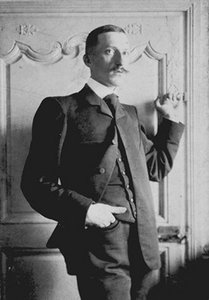
1880–1954, საფრანგეთი
ანდრე დერენი
Early Life, Family and Training In the year 1880, André Derain entered the world in Chatou, a village nestled within the Yvelines region of France. His early years were shaped by the quiet landscapes of the Île-de-France, where a natural curiosity for the surroundings began to take root. By 1895, he had already commenced studying on his own, seeking to understand the visual world through his own eyes rather than through formal instruction. This period of self-directed exploration allowed him to develop a personal way of seeing before the rigors of an academy could impose their will upon him.
ანდრე დერენი-ის შესახებ ანდრე დერენი-ის გამორჩეული ნამუშევრები
ასევე ანდრე დერენი-ის მიერ
 bathers1907
 London Bridge1906
 Charing Cross from sw1906
 Landscape at L'Estaque1906
ესეები Cassis-ის შესახებ
 Fauvism and Cubism: Distinguishing Color Revolution from Spatial AnalysisMaster the core differences between Fauvism and Cubism through expert analysis. Discover how color and space redefined modern art today.
 French artworks of the 1870sFrench Impressionist masterpieces by Claude Monet, Pierre-Auguste Renoir, and Édouard Manet define the 1870s. View the full collection on O…
 Early Netherlandish Painting vs. Italian Renaissance: A Comparative StudyMaster the differences between Netherlandish detail and Renaissance perspective. Explore this expert comparative study now.