

 ნახვა ინტერьерში
 გაგზავნა
 გაზიარება
 დეტალები
 გზამკვლევი

 ჩამოტვირთვა
 მსგავსები
 რენტგენოგრაფიული კვლევა
 სლაიდშოუ
 სტატისტიკა
General interrogating a mobile guard, supporting an injured lieutenant


 სრული ტექსტის ნახვა
ხელით შესრულებული ზეთის საღებავით რეპროდუქცია
ტილოზე შესრულებული ფერწერიანი ზეთប្រდათი, თქვენთვის სასურველი ზომისა და ჩარჩოსთვის, ჩვენი ხელოვანების მიერ შეკვეთის საფუძველზე დამზადებული. ( გადართვა ბეჭდვის რეჟიმზე გადასვლა ციფრულ გამოსახულებაზე)




P118B ₾10

P118H ₾10

P118W ₾10

P438Z ₾10

P508JH ₾12

P508YH ₾12

P805H ₾10

P805Z ₾10

P919BZ ₾10

P919G ₾10

P919XJ ₾10

P959ZH ₾10

P968JZ ₾12

W106C ₾8

W218G ₾10

W218JH ₾8

W218Y ₾10

W307PJ ₾10

W316G ₾10

W316PJ ₾8

W316Y ₾10

W398PJ ₾8

W4111J ₾10

W500HY ₾15

W500JH ₾15

W692G ₾12

W849H ₾8

W940BG ₾15

W953PJ ₾8




აირჩიეთ ჩვენს მიერ წინასწარ განსაზღვრული ზომებიდან, რომლებიც ნაწარმოების ორიგინალურ პროპორციებს შეესაბამება.

შეიყვანეთ თქვენთვის საჭირო სიგანე და სიმაღლე, რათა ნახატი მოერგოს თქვენს ჩარჩოს ან კედელს. ვინაიდან ეს ნამუშევარი ხელით არის შესრულებული, სხვა ფორმის ზომის შემთხვევაში, მხატვარმა შესაძლოა სურათის გარშემო ოდნავ მეტი დატოვოს ან შეამციროს — არჩევანი თქვენზეა. დაწყებამდე, დასამტკიცებლად, ჩვენ გამოგიგზავნით ციფრულ მაკეტს. ამ გვერდზე ნაჩვენები სურათი არ ასახავს რეალურ შედეგს — რეალური სახე მხოლოდ მაკეტზე ჩანს.
შეკვეთის შემდეგ, OriginalUniqueArt.com გუნდი დაგიკავშირდებათ ელექტრონული ფოსტით ინსტრუქციებისთვის და გამოგიგზავნით წინასწარ ნახაზს (mockup).
მიწოდება მსოფლიო მასშტაბით -ში 3/4 კვირაში, სტანდარტული 5 კვირის ნაცვლად. (24 ოქტომბერი). ხარისხზე კომპრომისის გაკეთება არ მოხდება.

უფასო ექსპრეს მიწოდება მთელ მსოფლიოში

მაღალი ხარისხის ტილო

ტრანსპორტირების სრული დაზღვევა

საბაჟო გადასახადების დაბრუნების გარანტია

ფერების სრული შესაბამისობის გარანტია

დაბრუნების 100-დღიანი პერიოდი (მხოლოდ წარმოების დეფექტის შემთხვევაში)

100% თანხის სრული დაბრუნების გარანტია

ფასდაკლება დიდი რაოდენობით შეკვეთისას
 მინის ჩარჩოს არჩევანი ხელმისაწვდომია მხოლოდ 110 სმ-მდე ზომისთვის

General interrogating a mobile guard, supporting an injured lieutenant
რეპროდუქციის ტექნიკა
რეპროდუქციის ზომა
-


ჯამური ღირებულება
₾ 978
A Frozen Moment of Command: Alphonse de Neuville’s “General Interrogating a Mobile Guard Supporting an Injured Lieutenant”
Alphonse de Neuville's "General Interrogating a Mobile Guard Supporting an Injured Lieutenant," painted in 1879, is more than just a depiction of a military scene; it’s a meticulously crafted tableau of tension, duty, and the lingering weight of conflict. The painting transports us to a bleak, snow-swept landscape – likely inspired by the aftermath of the Franco-Prussian War – where a seasoned general, radiating authority, engages in a serious conversation with a young lieutenant bearing the visible wounds of battle. The scene isn’t one of triumphant victory, but rather a quiet assessment amidst the ruins of war, a moment suspended between interrogation and judgment.
De Neuville's artistic lineage is deeply rooted in the Romantic tradition, particularly influenced by Eugène Delacroix’s dramatic use of color and composition. This influence manifests powerfully here through the carefully orchestrated arrangement of figures against the stark backdrop. The triangular structure, anchored by the central interaction between the general and the lieutenant, draws the viewer’s eye directly to this pivotal exchange. The horses, rendered with a remarkable sense of realism – their coats gleaming faintly beneath the overcast sky – contribute significantly to the painting's dynamic energy, suggesting movement and urgency even within the stillness of the scene.
A Palette of Winter: Color, Light, and Atmosphere
The color palette is deliberately restrained, dominated by a muted range of grays, whites, and browns that perfectly capture the harshness and desolation of the winter landscape. Subtle hints of warmer tones – in the uniforms of the officers and the horse coats – provide a delicate contrast, preventing the scene from becoming entirely bleak. De Neuville masterfully employs atmospheric perspective; distant figures are rendered with increasing softness and detail loss, creating an illusion of depth that anchors the viewer within this frozen world. The diffused lighting, characteristic of overcast days, casts a soft, even illumination across the canvas, eliminating strong shadows and contributing to the painting’s somber mood.
The Language of Line and Texture
De Neuville's technique is firmly rooted in academic painting, evident in his skillful rendering of form and detail. Visible brushstrokes – particularly prominent in the depiction of the snow-covered ground and the textures of clothing – add a tactile quality to the work, inviting the viewer to almost feel the cold wind and rough fabric. Lines are used strategically to define shapes and create a sense of realism, while also subtly conveying the tension within the scene. The musculature of the horses is particularly well-defined, adding to their powerful presence. The artist’s attention to detail extends to the subtle nuances of facial expressions – the general's stern gaze, the lieutenant’s wounded composure – revealing a profound understanding of human psychology.
Symbolism and Emotional Resonance
Beyond its realistic depiction of military life, “General Interrogating a Mobile Guard Supporting an Injured Lieutenant” is rich in symbolic meaning. The injured lieutenant represents sacrifice and loss—a tangible reminder of the brutal cost of war. The general’s questioning posture suggests responsibility, authority, and perhaps even regret. The scene evokes feelings of uncertainty, duty, and the lingering trauma of conflict. It's a poignant meditation on leadership, accountability, and the enduring consequences of violence. The painting doesn’t offer easy answers or heroic narratives; instead, it presents a complex and emotionally resonant portrait of a moment caught between action and reflection.
A Legacy in Oil: Materials and Historical Context
Created using traditional oil paints on canvas, this artwork stands as a testament to de Neuville's mastery of his medium. The choice of oil paint allowed for layering and blending, contributing to the painting’s rich textures and nuanced color palette. Painted during the late 19th century, it reflects the artistic and political climate of France following the Franco-Prussian War – a period marked by nationalistic fervor and a desire to commemorate military achievements. De Neuville's work served as both a historical record and a powerful expression of patriotic sentiment. The painting’s acquisition by the Musée de l’Armée in Paris underscores its significance within French art history.
კითხვები და პასუხები
სად შემიძლება მსგავსი ნამუშევრების პოვნა, როგორიცაა ალფონს დე ნევილი-ის „General interrogating a mobile guard, supporting an injured lieutenant“?
ალფონს დე ნევილი-ის „General interrogating a mobile guard, supporting an injured lieutenant“-ის მსგავსი ნამუშევრები თავმოყრილია ამ ნამუშევრის მსგავსი ნამუშევრები გვერდზე.
რა ფერების გაჯერებულობა აქვს ალფონს დე ნევილი-ის „General interrogating a mobile guard, supporting an injured lieutenant“-ს?
„General interrogating a mobile guard, supporting an injured lieutenant“-ის პალიტრის ფერების გაჯერებულობა არის Muted.
ალფონს დე ნევილი-ის „General interrogating a mobile guard, supporting an injured lieutenant“ ტიპის ნამუშევარია: ფერწერილობა, ნახატი თუ გრავიურა?
ალფონს დე ნევილი-ის „General interrogating a mobile guard, supporting an injured lieutenant“ კლასიფიცირებულია როგორც WallArt. ეს კატეგორია აღწერს ორიგინალის ტიპს, რომელსაც ეს ნამუშევარი წარმოადგენს.
მხატვრის ბიოგრაფია
ალფონს დე ნევილის ცხოვრება და შემოქმედება: კონფლიქტის აღბეჭდილი სამყარო
ალფონს-მარი-ადოლფ დე ნევილი, XIX საუკუნის საფრანგეთის დრამატული პერიოდის სახელი, დაიბადა 1835 წელს სან-ომერში. მისი მოკლე, ორმოცდაცხრაწლიანი სიცოცხლე განვითარდა იმპერიული ამბიციების, დამანგრეველი ომებისა და ახალი ეროვნული იდენტობების ფონზე. თავდაპირველად საზღვაო კარიერაზე იყო ორიენტირებული, მაგრამ მისი მხატვრული მიდრეკილობა უფრო ძლიერი აღმოჩნდა და ის პარიზის სტუდიებში გადავიდა. მან თავდაპირველად აკადემიური სისტემის ხელმძღვანელობით განათლება მიიღო, მოკლედ სწავლობდა ლორიენის საზღვაო სკოლაში, სანამ ფორმალურ მომზადებას საფრანგეთის სახელოვანი მხატვრის, ფრანსუა-ედუარდ პიკოს ზედამხედველობის ქვეშ დაიწყებდა. თუმცა, ევჟენ დელაკრუას გავლენა, რომანტიზმის ოსტატი და მისი დინამიური კომპოზიციისა და ემოციური ინტენსივობის მოყვარული, ნამდვილად ჩამოაყალიბა დე ნევილის მხატვრული ხედვა. ამ მენტორმა მას გაუმძაფრა დრამატული სიუჟეტების მიმართ ინტერესი და უნარი შესთავაზა ისტორიული მოვლენების გადატანა ტილოზე მომხიბლავი ძალით.გამოჩენილი რეპუტაციის ჩამოყალიბება ომისა და ილუსტრაციის გზით
დე ნევილმა სწრაფად მოიპო სახელი მხატვრად, რომელიც თავისი ეპოქის კონფლიქტებში იყო ჩართული. მან არ უბრალოდ აღწერა ომი; ის საკუთარ რეალობაში ჩაეფლო, პირადი გამოცდილებიდან – მათ შორის ფრანკო-პრუსიული ომში მონაწილეობიდან – ნამდვილობის შესასატყისი ინფორმაცია მოიტანა თავის ნამუშევრებში. ამ რეალიზმისადმი ერთგულებამ, კონფლიქტის ადამიანურ ზარალზე ყურადღების მიპყრობის უნართან ერთად, მას პოპულარობა შესძინა. ადრეულ წარმატებებს მოჰყვა კრიმსკის ომის ბრძოლების აღწერა და იტალიაში გარibaldiის კამპანიების ეპიზოდების ილუსტრაცია. თუმცა, ჟიულ ვერნთან თანამშრომლობამ უფრო მეტი აღიარება მოუტანა მას. მისმა *ოცდაათ ათასი ლიგა წყლის ქვეშ* ილუსტრაციებმა ვერნის ფანტასტიკურ სამყაროს ვიზუალური დინამიკა შესძინა, მკითხველებს გააოგონა და დე ნევილის რეპუტაცია მრავალმხრივი მხატვრის სახით განამტკიცა, რომელსაც შეეძლო ისტორიული სიზუსტის და წარმოსახვითი თხრობის კომბინირება. ეს ილუსტრაციები ტექსტის მხოლოდ თანმდევობა არ იყო; ისინი მნიშვნელოვანი კომპონენტები იყვნენ ვერნის მიწინააღმდეგობის რომანის საზოგადოებრივი აღქმის ჩამოყალიბებაში.სამხედრო მოთხრობების ოსტატი: ძირითადი ნამუშევრები და მხატვრული სტილი
დე ნევილის მხატვრული სიძლიერე ისტორიული მოვლენების ემოციურად რეზონანსულ მოთხრობებად გარდაქმნის უნარში მდგომარეობდა. მისი ნახატები ბრძოლების ჩანაწერები არ იყო; ისინი ფრთხილად აგებული დრამები იყვნენ, მომხიბლავი პერსონაჟებით და ხასიათის შესაბამისი სიახლის გრძნობით. “სინათლის ბრიგადის შეტევა” (1860), კრიმსკის ომის დამანგრეველი კავალერიის შეტევის აღწერა, ამ მიდგომას მაგალითობს. ნახატი არ გადიდებს ომს, მაგრამ გადასცემს ჯარისკაცების სიმამაციესა და უძლურებას, რომლებიც კონფლიქტის ცეცხლში მოყვნენ. ასევე, "პალმა მაჟორის თავდაცვა” (1875), რომელიც ზულუს ომის შემზარავი ეპიზოდების ილუსტრირებს, დე ნევილის დრამატული კომპოზიციის დაახლოებული ბრძოლის ინტენსივობის აღწერის უნარს წარმოაჩენს. მისი სტილი მeticulous დეტალებით, ფორმის რეალისტური პორტრეტებითა და განათებისა და ჩრდილების გამოყენებით ხასიათდება ატმოსფეროს შესაქმნელად და ემოციური ზემოქმედების გასაძლიერებლად. მას არც გრანდიოზული ალეგორიები დაარჩენია, არც იდეალიზებული героიზმი, პირიქით, მან ჯარისკაცების ინდივიდუალური გამოცდილებაზე ყურადღება გაამახვილა - მათ სიმამაციეზე, შიშზე და ტანჯვაზე.მემკვიდრეობა და მარადიული მიმზიდველობა
ალფონს დე ნევილის იმდროინდელი გარდაცვალებამ ხელოვნების სამყაროს მნიშვნელოვანი ნიჭი წაართვა. თუმცა, მისი მემკვიდრეობა დღესაც ცოცხალია მისი მრავალი ნახატის მეშვეობით, რომლებიც აგრძელებენ აუდიტორიას გატაცებას. მისი ნამუშევრები პატივმოყვარე კოლექციებში ინახება, როგორიცაა სანკტ-პეტერბურგის ერმიტაჟი და ნიუ-იორკის მეტროპოლიტენის მუზეუმი, რაც მათი მხატვრული ღირსებისა და ისტორიული მნიშვნელობის მოწმობაა. ამ ინსტიტუციონალური შეკრების გარდა, დე ნევილის ხელოვნებას ფართო პოპულარობით სარგებლობს, XIX საუკუნის სამხედრო ისტორიაში ახალი ინტერესისა და წარსულის კონფლიქტის ავთენტური აღწერებისადმი სწრაფვის გამო. დღეს, მაღალი ხარისხის რეპროდუქციები – ხელმისაწვდომი OriginalUniqueArt-ის მსგავს პლატფორმებზე – ხელოვნების მოყვარულებს საშუალებას აძლევს დე ნევილის შედევრი მასტერპიესების დრამა და ისტორიული სიღრმე საკუთარ სახლებში შეიტანონ. მისი ნახატები არა მხოლოდ მხატვრული მიღწევებია, არამედ ძლიერი შეხსენებებია ომის ადამიანურ ზარალზე და ბრძოლაში მონაწილეების მარადიულ სულზე.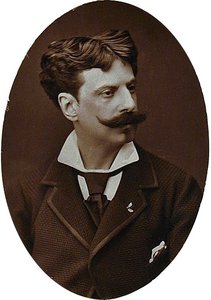
ალფონს დე ნევილი
1835 - 1885 , საფრანგეთი
მოკლე ფაქტები
- Artistic Movement Or Style: აკადემიური ხატვა
- Artists Who Influenced This Artist:
- Eugène Delacroix
- François-Edouard Picot
- Date Of Birth: 1835
- Date Of Death: 1885
- Full Name: ალფონს-Marie-Adolphe de Neuville
- Nationality: ფრანგი
- Notable Artworks (List Of Titles):
- The Charge of the Light Brigade
- The Defense of Palma Major
- Place Of Birth (City And Country): Saint-Omer, საფრანგეთი
მსგავსი სტატიები
Beyond the Fabric: Decoding Identity, Authority, and Symbolism in the Art of Military Uniforms
Explore the profound symbolism of military uniforms in art history. From Victorian portraits to realistic lithographs, discover how artists capture power, identity, and historical legacy through the intricate details of martial regalia and command.

ფრანცისკო გოიას 25 შედევრი: ხელოვნების ისტორიაში გამორჩეული ნაწარმოებები | OriginalUniqueArt.com
გაიცანით ფრანცისკო გოიას 25 გამორჩეული შედევრი! რომანტიზმის ბრწყინვალე წარმომადგენლის ტილოები, ისტორიული სიღრმე და განსაცვიფრებელი სილამაზე. შეიძინეთ ხელოვნების რეკონსტრუქციები OriginalUniqueArt.com-ზე და შექმენით თქვენი ოცნების ინტერიერი.

Willem de Kooning: Abstraction, Gesture & the Evolution of Post-War American Painting
Explore the evolution of Willem de Kooning's iconic Abstract Expressionist paintings. Discover his signature style, key themes & investment potential with expert insights for discerning art collectors.

About Us
Discover our story! We bring world-class art into your life through expert curation, personalized creations, and free previews. Trusted by individuals and businesses since 2000.

William Owen: A Poetic Vision of War & Landscape in British Modernism
Explore the poignant war poetry of Wilfred Owen, a key figure in British Modernism. Discover his innovative style, themes of loss & camaraderie, and lasting impact on 20th-century literature. Analysis & historical context included.