

 ნახვა ინტერьерში
 გაგზავნა
 გაზიარება
 დეტალები
 გზამკვლევი

 ჩამოტვირთვა
 მსგავსები
 რენტგენოგრაფიული კვლევა
 სლაიდშოუ
 Q&A
Q&A სტატისტიკა
George III (1738–1820)
 Oil On Canvas
- WallArt
- Neoclassicism
 214.0 x 150.0 cm
 ჩელსის სამეფო ჰოსპიტალი
 სრული ტექსტის ნახვა
ხელით შესრულებული ზეთის საღებავით რეპროდუქცია
ტილოზე შესრულებული ფერწერიანი ზეთប្រდათი, თქვენთვის სასურველი ზომისა და ჩარჩოსთვის, ჩვენი ხელოვანების მიერ შეკვეთის საფუძველზე დამზადებული. ( გადართვა ბეჭდვის რეჟიმზე გადასვლა ციფრულ გამოსახულებაზე)




P118B ₾10

P118H ₾10

P118W ₾10

P438Z ₾10

P508JH ₾12

P508YH ₾12

P805H ₾10

P805Z ₾10

P919BZ ₾10

P919G ₾10

P919XJ ₾10

P959ZH ₾10

P968JZ ₾12

W106C ₾8

W218G ₾10

W218JH ₾8

W218Y ₾10

W307PJ ₾10

W316G ₾10

W316PJ ₾8

W316Y ₾10

W398PJ ₾8

W4111J ₾10

W500HY ₾15

W500JH ₾15

W692G ₾12

W849H ₾8

W940BG ₾15

W953PJ ₾8




აირჩიეთ ჩვენს მიერ წინასწარ განსაზღვრული ზომებიდან, რომლებიც ნაწარმოების ორიგინალურ პროპორციებს შეესაბამება.

შეიყვანეთ თქვენთვის საჭირო სიგანე და სიმაღლე, რათა ნახატი მოერგოს თქვენს ჩარჩოს ან კედელს. ვინაიდან ეს ნამუშევარი ხელით არის შესრულებული, სხვა ფორმის ზომის შემთხვევაში, მხატვარმა შესაძლოა სურათის გარშემო ოდნავ მეტი დატოვოს ან შეამციროს — არჩევანი თქვენზეა. დაწყებამდე, დასამტკიცებლად, ჩვენ გამოგიგზავნით ციფრულ მაკეტს. ამ გვერდზე ნაჩვენები სურათი არ ასახავს რეალურ შედეგს — რეალური სახე მხოლოდ მაკეტზე ჩანს.
შეკვეთის შემდეგ, OriginalUniqueArt.com გუნდი დაგიკავშირდებათ ელექტრონული ფოსტით ინსტრუქციებისთვის და გამოგიგზავნით წინასწარ ნახაზს (mockup).
მიწოდება მსოფლიო მასშტაბით -ში 3/4 კვირაში, სტანდარტული 5 კვირის ნაცვლად. (28 ოქტომბერი). ხარისხზე კომპრომისის გაკეთება არ მოხდება.

უფასო ექსპრეს მიწოდება მთელ მსოფლიოში

მაღალი ხარისხის ტილო

ტრანსპორტირების სრული დაზღვევა

საბაჟო გადასახადების დაბრუნების გარანტია

ფერების სრული შესაბამისობის გარანტია

დაბრუნების 100-დღიანი პერიოდი (მხოლოდ წარმოების დეფექტის შემთხვევაში)

100% თანხის სრული დაბრუნების გარანტია

ფასდაკლება დიდი რაოდენობით შეკვეთისას
 მინის ჩარჩოს არჩევანი ხელმისაწვდომია მხოლოდ 110 სმ-მდე ზომისთვის

George III (1738–1820)
რეპროდუქციის ტექნიკა
რეპროდუქციის ზომა
-


ჯამური ღირებულება
₾ 781
A Regal Portrait: Allan Ramsay’s George III
Allan Ramsay's portrait of King George III, completed around 1761-2, is more than just a likeness; it’s a carefully constructed embodiment of power, authority, and the nascent complexities of the British monarchy. This masterful work, rendered in oil on canvas, transcends mere representation to become a window into the era's political climate and artistic sensibilities – specifically, the rise of Neoclassicism within portraiture. The painting immediately commands attention with its dramatic lighting, a key element that draws the viewer’s eye directly to the King’s face, imbuing him with an almost palpable sense of presence.
Ramsay, a leading figure in 18th-century Scottish art, expertly employs linear perspective to create a sense of depth and spatial arrangement. The throne, rendered as a robust square, anchors the composition while the draped fabric behind George III flows into a dark, indistinct background – a deliberate choice that serves to highlight the subject’s importance and elevate his status. The use of geometric shapes—squares for the throne, rectangles for the robes—contrasts with the more organic curves of the King's face, suggesting a balance between rigid formality and human warmth.
A Study in Neoclassical Detail
Examining the brushwork reveals Ramsay’s meticulous technique. Layered glazes build up color depth and luminosity, particularly noticeable in the rich textures of the royal robes – a testament to his ability to capture the sheen of velvet and the weight of heavy fabrics. The artist skillfully renders skin tones with subtle variations, avoiding overly smooth surfaces; instead, he introduces a slight roughness that lends a sense of realism and immediacy. The careful attention to detail extends to the rendering of the King’s attire: the intricate embroidery, the gleaming gold accents, and the precise folds of his garments all speak to the immense wealth and power associated with the monarchy.
The painting's palette is restrained yet sophisticated, dominated by deep reds, blues, and browns – colors traditionally linked with royalty and authority. The lighting, originating from a strong left-hand source, casts dramatic shadows that sculpt George III’s features, emphasizing his brow, cheekbones, and the solemnity of his expression. This chiaroscuro effect not only adds visual interest but also contributes to the overall sense of gravitas and dignity.
Symbolism and Historical Context
George III reigned from 1760 until his death in 1820, a period marked by significant political and military upheaval. The portrait itself is deeply symbolic, reflecting the King’s role as head of state during a time of considerable change. The crown, prominently displayed, represents sovereignty and divine right – concepts that were increasingly challenged during George III's reign. The robes, rich in color and ornamentation, symbolize his wealth and status, while the scepter and orb further reinforce his authority.
Ramsay’s work was commissioned during a pivotal moment in British history—the early years of George III’s rule. The King's reign coincided with the Seven Years’ War and the subsequent American Revolution, events that profoundly shaped the course of British history. The portrait, therefore, can be interpreted as an attempt to project an image of stability and strength at a time of considerable uncertainty. It is also important to note that this particular painting was one of many commissioned by the King, reflecting his desire to solidify his position and assert his authority.
A Legacy of Elegance
Allan Ramsay’s portrait of George III stands as a remarkable achievement of Neoclassical portraiture. It is a testament to the artist's technical skill, his understanding of symbolism, and his ability to capture the essence of a historical figure. Reproductions of this iconic image continue to resonate with viewers today, offering a glimpse into the grandeur and complexities of 18th-century Britain. The painting’s enduring appeal lies not only in its aesthetic beauty but also in its ability to evoke a sense of history, power, and timeless elegance.
კითხვები და პასუხები
რა არის გამოსახული ალან რამსეი-ის „George III (1738–1820)“-ში?
ალან რამსეი-ის „George III (1738–1820)“-ში წარმოდგენილი თემები მოიცავს royal portraiture, 18th century britain, george iii, king, neoclassical art, scottish nobility, portrait painting, regal authority-ს. ისინი ერთობლიობაში შეჯამებენ ნამუშევრის შინაარსს.
რა გამოყენება და სივრცეა რეკომენდებული ალან რამსეი-ის „George III (1738–1820)“-ისთვის?
ალან რამსეი-ის „George III (1738–1820)“ რეკომენდებულია Statement-ისთვის, იდეალურ შემთხვევაში კი Living Room-ში დასამონტაჟებლად. გამოყენების დანიშნულება და სივრცე ერთობლივად განსაზღვრავს, თუ სად მოუხდება რეკრედუქცია საუკეთესოდ განთავსებას.
რა საერთო აქვს „George III (1738–1820)“-ს ალან რამსეი-ის სხვა ნამუშევრებთან?
ალან რამსეი-ის შემოქმედებაში „George III (1738–1820)“ Neoclassicism სტილშია შესრულებული და classical ideals, roman influence, royal power, british identity, political authority, monarchy, ramsay's aristocratic portraits, scottish nobility depiction თემებს ეფუძნება.
მხატვრის ბიოგრაფია
ალან რამსეი: ელეგანტურობისა და ხელოვნების ცხოვრება
1713 წლის 13 ოქტომბერს, ედინბურგში დაბადებული ალან რამსეი გამოირჩა შოტლანდიელ პორტრეტისტად, რომლის ნამუშევრებმაც თავისი ეპოქის ელეგანტურობა და სილამაზე ასახა. მისი სამხატვრო მოგზაურობა ოცი წლის ასაკში დაიწყო ლონდონში გამგზავრებით, შვედი მხატვრის ჰანს ჰიზინგის ხელოსნობაში შესასწავლად, რასაც მიყვა ინსტრუქცია სენტ-მარტინს-ლეინის აკადემიაში. ამ ფუნდამენტალურმა მომზადებამ მას უზრუნველყო მყარი ბაზა ტექნიკაში და კომპოზიციაში.
იტალიური გავლენები და სამხატვრო განვითარება
რამსეის სამხატვრო განვითარებამ მნიშვნელოვანი გარდაქმნა განიცადა რომსა და ნაპოლში მოგზაურობით, სადაც მან 1736-1738 წლებში სამი წელი გაატარა ფრანჩესკო სოლიმენას და იმპერიალის (ფრანჩესკო ფერნანდის) ხელმძღვანელობით. ამ იტალიელოსტატებმა მნიშვნელოვნად გავლენა მოახდინეს მის სტილზე, გააღრმავეს კლასიკური პრინციპების გაგება და გააძლიერეს მისი უნარი ასახულიყო მსგავსება და ხასიათი. მან შეითვისა ამჟამინდელი როკოკოს ესთეტიკა, ხოლო პარალელურად განავითარა ნეოკლასიკური იდეალების appreciation.
ვაჭრობადი კარიერა და მნიშვნელოვანი ნამუშევრები
1738 წელს ბრიტანეთში დაბრუნებულმა რამსეიმ სწრაფად დაამყარა წარმატებული კარიერა პორტრეტისტად. მისმა უნარმა წარმოეჩინოს თავისი სუბიექტები სიზუსტით და ელეგანტურობით მალევე მოიპოვა განმასხვავებელი მომხმარებლები. მისი ყველაზე მნიშვნელოვანი ნამუშევრებია:
- დედოფალი შარლოტის (1744-1818) პორტრეტი ორ უფროს ვაჟთან ერთად (Royal Collection, London): მეფის დიდება წარმოადგენს დედოფლის დედალიკური თანაარსებობის გამოხატულებას.
- მერი დეგი, ლედი რობერტ მენერსი (Scottish National Gallery, Edinburgh): ელეგანტური პორტრეტი, რომელიც აჩვენებს რამსეის უნარს ასახულიყო არისტოკრატიული სილამაზე.
- დანკან ფორბესის თავი კალედონიიდან: ეს ადრეული ნამუშევარი მიიპყრო დიუკ არგაილის ყურადღება და მოგვიანებით გამოჩნდა Royal Bank of Scotland-ის ბანკნოტებზე.
სამეფო დანიშვნა და უმაღლესი მიღწევა
რამსეის კარიერაში გადამწყვეტი მომენტი 1761 წელს მოვიდა, როდესაც იგი დაინიშნა გეორგი III-ის მთავარ მხატვრად. ამ პრესტიჟულმა თანამდებობამ გაამყარა მისი სტატუსი ხელოვნებისელიტაში და უზრუნველყო სამეფო ოჯახისა და მაღალი საზოგადოების მიერ შეკვეთების მუდმივი ნაკადი. იგი გახდა *ეპოქის* პორტრეტისტი.
გვიანი ცხოვრება და მემკვიდრეობა
რამსეის გვიან ცხოვრებას თან ახლდა ლიტერატურული ძალისხმევა, რაც ასახავს მის ფართო ინტელექტუალურ ინტერესებს. თუმცა, პირადი ტრაგედიები - მარჯვენა ხელის შემთხვევით dislocation და მეორე ცოლის გარდაცვალება 1782 წელს - გავლენა მოახდინა მის ჯანმრთელობაზე და პროდუქტიულობაზე. იგი 1784 წელს გარდაიცვალა.
ამ გამოწვევების მიუხედავად, რამსეიმ მემკვიდრეობა დატოვა როგორც შოტლანდიის ერთ-ერთმა ყველაზე სახელგანთქმულმა პორტრეტისტმა. როგორც სემიუელ ჯონსონი აღნიშნავდა, “მე მიყვარს რამსეი. თქვენ ვერ იხილავთ ადამიანს, რომლის საუბარში მეტი ინსტრუქცია, მეტი ინფორმაცია და მეტი ელეგანტურობა იყოს, ვიდრე რამსეისას.” მისი ნამუშევრები დღესაც აღფრთოვანებენ თავისი ტექნიკური უნარით, გა refinementებული ესთეტიკით და 18-ე საუკუნის საზოგადოების ღრმა პორტრეტებით.
ისტორიული მნიშვნელობა
ალან რამსეის წვლილი მისი სამხატვრო ნიჭის მიღმაც ვრცელდება. მან გადამწყვეტი როლი ითამაშა შოტლანდიის ვიზუალური კულტურის ჩამოყალიბებაში მნიშვნელოვანი სოციალური და პოლიტიკური ცვლილებების პერიოდში. მისი პორტრეტები ღირებულ ინფორმაციას აწვდის შოტლანდიელი არისტოკრატებისა და გენტილების ცხოვრებაზე, მოდებზე და ღირებულებებზე. მისი ნამუშევრები შეიძლება ნახოთ ადგილებში, როგორიცაა Ayr Town Hall და Scottish National Portrait Gallery.
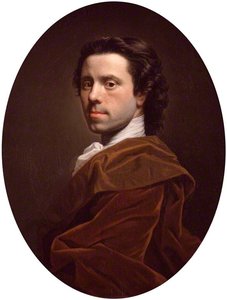
ალან რამსეი
1713 - 1784 , გაერთიანებული სამეფო
მოკლე ფაქტები
- გავლენის წყაროები:
- ჰანს ჰიზინგი
- ფრანჩესკო სოლიმენა
- გარდაცვალების თარიღი: 1784
- დაბადების ადგილი: ედინბურგი, გაერთიანებული სამეფო
- დაბადების თარიღი: 1713 წლის 13 ოქტომბერი
- ეროვნება: შოტლანდიელი
- მნიშვნელოვანი ნაწარმოებები:
- დედოფალი შარლოტი
- მერი დეგი
- დუნკან ფორბესი
- სრული სახელი: ალან რამსი
- ხელოვნების მიმდევრობა: როკოკო, ნეოკლასიკური
მსგავსი სტატიები

Allen Ramsay: Portraiture, Patronage & Shaping Georgian Identity
Explore the life & work of Allen Ramsay, pivotal portraitist to George III. Discover his Rococo style, influence on Georgian society, and lasting legacy in British art history. Learn about his key works & patronage.

ჟორჟ ბრაკის 25 შედევრი: ხელოვნების ისტორიაში გამორჩეული ნაწარმოებები | OriginalUniqueArt.com
გაიცანით ჟორჟ ბრაკის 25 გამორჩეული შედევრი! კუბიზმის ისტორია, ფერწერის სტილი და ხელოვნების უნიკალური სამყარო OriginalUniqueArt.com-ზე. ნახატების რეპროდუქციები თქვენი სახლისთვის - ექსკლუზიური დეკორი და ინტერიერის იდეები. აღმოაჩინეთ მთელი კოლექცია ონლაინ!

Neoclassical Portraiture: The Timeless Elegance of Order, Grace, and Academic Mastery
Explore the refined world of Neoclassical portraiture. Discover the mastery of line, light, and order through an expert exploration of academic art history, from Jacques-Louis David to Jean-Antoine Houdon. Immerse yourself in the timeless elegance of classical realism.

ჟორჟ პიერ სეურას 25 საუკეთესო შედევრი: ფერების სიმფონია თქვენს სახლში | OriginalUniqueArt.com
გაიცანით ჟორჟ სეურას 25 საუკეთესო შედევრი! პუანტილიზმის გენიოსი, იმპრესიონიზმის ფერები და XIX საუკუნის ხელოვნების სიმდიდრე. შეიძინეთ უმაღლესი ხარისხის რეკრეაციები OriginalUniqueArt.com-ზე და შექმნით თქვენი სახლისთვის განსაკუთრებული ინტერიერი. აღმოაჩინეთ სეურას მთელი კოლექცია ონლაინ!

Majesty on Canvas: A Definitive Guide to Iconic Royal Portraits Through Art History
Explore the profound history of royal portraiture. From Baroque grandeur to Victorian elegance, discover how master artists captured power and lineage on canvas through the timeless medium of oil painting.