
 ნახვა ინტერьерში
 გაგზავნა
 გაზიარება
 დეტალები
 გზამკვლევი

 ჩამოტვირთვა
 მსგავსები
 რენტგენოგრაფიული კვლევა
 სლაიდშოუ
 Q&A
Q&A სტატისტიკა
Two Quinces

- 41.0 x 51.0 cm


 სრული ტექსტის ნახვა
ამ გვერდზე წარმოდგენილი ნამუშევარი დაცულია საავტორო უფლების შესახებ კანონმდებლობით, რაც იმას ნიშნავს, რომ ჩვენ არ გვაქვს მისი იდენტური რეპროდუქციის შექმნის ან გაყიდვის სამართლებრივი უფლება. აღნიშნული დაცვა უზრუნველყოფილია ისეთი საერთაშორისო შეთანხმებებით, როგორიცაა ბერნის კონვენცია და ეროვნული კანონმდებლობით, მათ შორის იმ კანონებით, რომლებიც დეტალურად არის გაწერილი აშშ-ის საავტორო უფლების შესახებ კანონი - თავი 17.
ეს მეთოდი სრულად შეესაბამება საავტორო უფლებების რეგულაციებს, რადგან ის არ გულისხმობს დაცული ნამუშევრის კოპირებას ან დუბლირებას. ამგვარად, ეს წარმოადგენს შემოქმედებით რეინტერპრეტაციას — ახალ ნახატს, რომელიც შთაგონებითაა განპირობებული ორიგინალით, თუმცა არ არის მის იდენტურ ასლს.
გიკლე / ხელოვნების პრინტი
მუზეუმის დონის ჟიკლე ან ტილოზე ბეჭდვა სწრაფი წარმოებისა და დასრულების მოქნილი ვარიანტებით. ( შეიძინეთ ხელით შესრულებული ნახატი გადასვლა ციფრულ გამოსახულებაზე)




P118B ₾10

P118H ₾10

P118W ₾10

P438Z ₾10

P508JH ₾12

P508YH ₾12

P805H ₾10

P805Z ₾10

P919BZ ₾10

P919G ₾10

P919XJ ₾10

P959ZH ₾10

P968JZ ₾12

W106C ₾8

W218G ₾10

W218JH ₾8

W218Y ₾10

W307PJ ₾10

W316G ₾10

W316PJ ₾8

W316Y ₾10

W398PJ ₾8

W4111J ₾10

W500HY ₾15

W500JH ₾15

W692G ₾12

W849H ₾8

W940BG ₾15

W953PJ ₾8




აირჩიეთ ჩვენს მიერ წინასწარ განსაზღვრული ზომებიდან, რომლებიც ნაწარმოების ორიგინალურ პროპორციებს შეესაბამება.

შეიყვანეთ თქვენთვის საჭირო სიგანე და სიმაღლე, რათა იგი მოერგოს თქვენს ჩარჩოს ან კედელს. ბეჭდვისას შესაძლებელია მხოლოდ მისი შემცირება და არა გაზრდა, ამიტომ სხვა ფორმის ზომის შემთხვევაში გამოსახულება ნაწილობრივ იკარგება. სანამ რაიმეს დაბეჭდავთ, ჩვენ გამოგიგზავნით ციფრულ მაკეტს დასდასტურებლად. ამ გვერდზე ნაჩვენები სურათი არ ასახავს რეალურ ჭრას — ამას მხოლოდ მაკეტი გვიჩვენებს.
მიწოდება მთელ მსოფლიოში () 2 კვირაში, სტანდარტული 4/5 კვირის ნაცვლად. (3 ნოემბერი)

უფასო ექსპრეს მიწოდება მთელ მსოფლიოში

მაღალი ხარისხის ტილო

ტრანსპორტირების სრული დაზღვევა

საბაჟო გადასახადების დაბრუნების გარანტია

ფერების სრული შესაბამისობის გარანტია

დაბრუნების 100-დღიანი პერიოდი (მხოლოდ წარმოების დეფექტის შემთხვევაში)

100% თანხის სრული დაბრუნების გარანტია

ფასდაკლება დიდი რაოდენობით შეკვეთისას
 მინის ჩარჩოს არჩევანი ხელმისაწვდომია მხოლოდ 110 სმ-მდე ზომისთვის

Two Quinces
გიკლე / ხელოვნების პრინტი
რეპროდუქციის ზომა
-


ჯამური ღირებულება
₾ 208
A Study in Simplicity: The Quiet Radiance of Two Quinces
In the vast landscape of late twentieth-century Lithuanian art, few works capture the profound beauty of the mundane as intimately as Algimantas Švėgžda’s Two Quinces. Created in 1991, a period of immense transition and reflection, this still life serves as a masterclass in minimalist observation. At first glance, the composition appears deceptively simple: two ripe fruits resting against an ethereal, neutral backdrop. Yet, beneath this surface lies a sophisticated dialogue between light, form, and color. Švėgžda invites the viewer into a meditative space where the distractions of the modern world fall away, leaving only the tactile presence of nature’s bounty.
The technique employed in this piece reflects the artist's unique ability to blend elements of Pop Art clarity with a delicate, almost pointillist sensitivity. The vibrant, warm hues of the quinces—ranging from deep golds to soft ochres—create a striking visual tension against the stark, clean white background. This deliberate use of negative space is not merely an absence of subject, but a structural element that pushes the fruit forward, making the textures feel almost palpable. One can almost sense the weight and the slightly textured skin of the fruit, a testament to Švėgžda’s mastery over light and shadow.
Symbolism and the Essence of Existence
Beyond its aesthetic appeal, Two Quinces carries a deeper emotional resonance rooted in the artist's biography. Growing up in Kelmė, shaped by a father who understood the theatricality of scenery and a mother who valued the precision of teaching, Švėgžda developed an eye for the essential. The quince, often a symbol of fertility, longevity, and the sweetness of life, acts here as a vessel for memory and permanence. In a world characterized by rapid socio-political change, this painting offers a sanctuary of stillness. The placement of the two fruits—one slightly elevated above the other—creates a subtle rhythmic movement that guides the eye in a gentle loop, mirroring the cyclical nature of life and the seasons.
For the discerning collector or interior designer, this artwork represents more than just a decorative element; it is an anchor of tranquility. The painting’s ability to harmonize with diverse environments makes it a versatile choice for modern, minimalist, or classical interiors alike. Whether placed in a sun-drenched breakfast nook or a sophisticated gallery-style living room, the piece brings a sense of organic warmth and intellectual depth. It serves as a reminder that true elegance is often found in the most understated moments, making this reproduction an exquisite investment for those who seek to surround themselves with art that speaks of quiet strength and timeless beauty.
კითხვები და პასუხები
რა ასაკში შექმნა Algimantas Svegzda-მა „Two Quinces“?
Algimantas Svegzda 50 წლის იყო, როდესაც 1991 წელს შექმნა „Two Quinces“. ასაკი გამოთვლილია ხელოვანის დაბადების წლის, 1941, საფუძველზე.
რა ფსევდონიმებით ან ალტერნატიული სახელებით არის ცნობილი Algimantas Svegzda?
Algimantas Svegzda ასევე ცნობილია როგორც Algimantas Švėgžda, A. Švėgžda.
როგორ შეიძლება Algimantas Svegzda-ის „Two Quinces“ გამოყენებული იქნას სახლის დეკორში?
Algimantas Svegzda-ის „Two Quinces“ რეკომენდებულია Neutral-ისთვის, იდეალურ შემთხვევაში კი Dining Room-ში დასამონტაჟებლად. გამოყენების დანიშნულება და სივრცე ერთობლივად განსაზღვრავს, თუ სად მოუხდება რეკრედუქცია საუკეთესოდ განთავსებას.
მხატვრის ბიოგრაფია
A Life Rooted in Lithuanian Soil: The Art of Algimantas Švėgžda
Algimantas Švėgžda, born in 1941 in the small town of Kelmė, Lithuania, emerged as a significant figure in the landscape of post-war Lithuanian art. His life and work were deeply intertwined with the socio-political currents of his time, evolving from early explorations influenced by Western European movements to a uniquely personal expression rooted in minimalist observation and a profound connection to nature. Švėgžda’s journey wasn't one of immediate acclaim but rather a gradual unfolding of artistic vision, marked by periods of experimentation, teaching, and ultimately, a quiet dedication to capturing the essence of existence through his art. His mother’s profession as a teacher instilled in him a value for learning and observation, while his father, a scenic designer, sparked an early appreciation for visual aesthetics. These formative influences laid the groundwork for a career that would span painting, graphic arts, and drawing, all unified by a distinctive sensibility.Early Influences and Artistic Development
Švėgžda’s formal artistic training began at the Lithuanian State Institute of Art in Vilnius from 1961 to 1967, where he studied under Antanas Gudaitis and Vladas Karatajus. This period was crucial in shaping his technical skills and introducing him to a broader range of artistic possibilities. However, it was during the 1970s that Švėgžda truly began to find his voice, becoming associated with an informal group known as “Ketverti” – alongside artists D. Dereškevičius, A. Kuras, and A. Šaltenis. This collective challenged the established norms of Lithuanian art, pushing boundaries and experimenting with new forms of expression. He was also among the first to embrace photographic realism in Lithuania, a technique that demanded meticulous attention to detail and a keen eye for capturing objective reality. His early work reflected the impact of Pop Art and Pointillism, movements that were gaining prominence internationally, but Švėgžda never simply replicated these styles; he adapted them, infusing them with his own unique perspective and a distinctly Lithuanian sensibility.A Shift Towards Minimalism and Nature
The 1980s marked a turning point in Švėgžda’s artistic trajectory. Due to health concerns, he relocated to Berlin, Germany, a move that profoundly influenced his work. While maintaining strong ties with Lithuania through frequent returns and cultural exchanges, his time in Germany led him towards a more minimalist aesthetic. He increasingly focused on natural forms – trees, branches, leaves, berries – rendered with painstaking detail and an almost meditative quality. This wasn’t merely representation; it was an attempt to understand the underlying structure of life itself. His drawings, often executed in colored pencil, became particularly significant during this period, serving as a means of both observation and contemplation. He saw plants and humans as interconnected, sharing experiences of growth, maturity, and aging. This pantheistic worldview permeated his art, imbuing it with a sense of transcendence.Teaching and Legacy
Beyond his own artistic practice, Švėgžda dedicated himself to education, teaching drawing at the Lithuanian State Institute of Art from 1978 to 1981. He later influenced generations of artists as a professor at the Vilnius Academy of Fine Arts. His impact extended beyond the classroom; he also worked with young students at the Vilnius Children's Art School (now the J. Vienožinskis Art School). Švėgžda’s generosity and dedication to fostering artistic talent left an indelible mark on the Lithuanian art community. Upon his death in 1996, he bequeathed his entire creative legacy to Lithuanian museums and the Academy, ensuring that his work would continue to inspire future generations.Historical Significance and Enduring Appeal
Algimantas Švėgžda’s historical significance lies in his ability to navigate complex artistic currents while remaining true to his own vision. He bridged the gap between Western European influences and a distinctly Lithuanian aesthetic, challenging conventional norms and paving the way for new forms of expression. His work is characterized by its meticulous detail, minimalist sensibility, and profound connection to nature. His drawings, in particular, stand as testaments to his unwavering dedication to observation and contemplation. Today, Švėgžda’s art continues to resonate with audiences, offering a quiet yet powerful reflection on the beauty and fragility of life. He is remembered not only as a skilled artist but also as a dedicated teacher and a generous mentor who helped shape the landscape of contemporary Lithuanian art. His paintings offer more than just visual representations; they invite viewers to slow down, observe closely, and connect with the natural world on a deeper level.
Algimantas Svegzda
1941 - 1996 , Lithuania
მოკლე ფაქტები
- Full Name: Algimantas Švėgžda
- Nationality: Lithuanian
- Date Of Birth: 1941
- Date Of Death: 1996
- Place Of Birth: Kelmė, Lithuania
- Artistic Movement Or Style: Pop Art, Minimalism
მსგავსი სტატიები
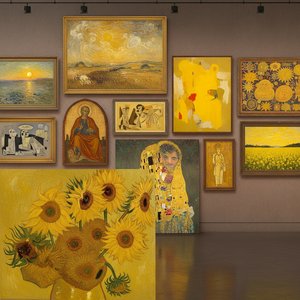
Golden Hues: 10 Masterpieces Dominated by Chrome Yellow | OriginalUniqueArt
Immerse yourself in golden light! Explore 10 famous paintings dominated by 'Chrome Yellow', from Van Gogh’s Sunflowers to Monet's Haystacks. Discover the stories behind these iconic Impressionist & Post-Impressionist masterpieces and find museum-quality art reproductions at OriginalUniqueArt.com.

White on Canvas: 10 Masterpieces & Timeless Elegance for Your Home Decor
Explore 10 iconic white paintings by Monet, Whistler & Rothko! Discover the stories behind these serene masterpieces and their impact on art history. Find museum-quality reproductions for your home decor at .
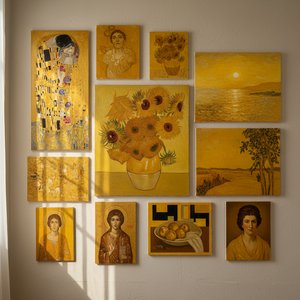
Golden Hues: Top 10 Paintings Dominated by Yellow Ochre |
Explore 10 iconic paintings bathed in golden yellow ochre! From Van Gogh's sunflowers to Monet’s haystacks, discover the stories behind these masterpieces. Find museum-quality art reproductions & elevate your home decor on .

The Bountiful Still Life: Symbolism & Artistic Representation of Fruit Across Art History
Explore the rich history of still life painting & the symbolism of fruit across art movements. Discover masterpieces from Caravaggio to Cézanne with OriginalUniqueArt – expert guidance & museum-quality reproductions.

პოლ სეზანის 25 შედევრი: ხელოვნების ისტორიაში გამორჩეული ნაწარმოებები | OriginalUniqueArt.com
აღმოაჩინეთ პოლ სეზანის 25 გამორჩეული შედევრი! იმპრესიონიზმი, პოსტიმპრესიონიზმი და კუბიზმის წინასწარმეტყველი. ნახატების ისტორია, ტექნიკა და შთაგონება OriginalUniqueArt.com-ზე. 🖼️ ხელოვნების ბეჭვრა მუზეუმის ხარისხით.