

 ნახვა ინტერьерში
 გაგზავნა
 გაზიარება
 დეტალები
 გზამკვლევი

 ჩამოტვირთვა
 მსგავსები
 რენტგენოგრაფიული კვლევა
 სლაიდშოუ
 სტატისტიკა
Autumn Flowers


 სრული ტექსტის ნახვა
ხელით შესრულებული ზეთის საღებავით რეპროდუქცია
ტილოზე შესრულებული ფერწერიანი ზეთប្រდათი, თქვენთვის სასურველი ზომისა და ჩარჩოსთვის, ჩვენი ხელოვანების მიერ შეკვეთის საფუძველზე დამზადებული. ( გადართვა ბეჭდვის რეჟიმზე გადასვლა ციფრულ გამოსახულებაზე)




P118B ₾10

P118H ₾10

P118W ₾10

P438Z ₾10

P508JH ₾12

P508YH ₾12

P805H ₾10

P805Z ₾10

P919BZ ₾10

P919G ₾10

P919XJ ₾10

P959ZH ₾10

P968JZ ₾12

W106C ₾8

W218G ₾10

W218JH ₾8

W218Y ₾10

W307PJ ₾10

W316G ₾10

W316PJ ₾8

W316Y ₾10

W398PJ ₾8

W4111J ₾10

W500HY ₾15

W500JH ₾15

W692G ₾12

W849H ₾8

W940BG ₾15

W953PJ ₾8




აირჩიეთ ჩვენს მიერ წინასწარ განსაზღვრული ზომებიდან, რომლებიც ნაწარმოების ორიგინალურ პროპორციებს შეესაბამება.

თქვენ შეგიძლიათ მიუთითოთ თქვენთვის სასურველი ზომები კონკრეტული ჩარჩოს ან სივრცის შესაბამისად. თუ თქვენ მიერ არჩეული ზომა არ შეესაბამება ორიგინალი გამოსახულების პროპორციებს, ჩვენ ან შევაჭრებთ ნაწარმოებს, ან ტილოზე დავამატებთ ხელით მოხატულ ელემენტებს. წარმოების დაწყებამდე, დასამტკიცებლად გამოგეგზავნებათ ციფრული მაკეტი.
გთხოვთ, გაითვალისწინოთ, რომ ეკრანზე ნაჩვენები წინასწარი შეხედულება არ ასახავს რეალურ შეჭრას ან გაფართოებას. საბოლოო კომპოზიციას ზუსტად მხოლოდ მაკეტი წარმოაჩენს.
მიუხედავად იმისა, რომ შესაძლებელია ინდივიდუალური ზომების შერჩევა, ორიგინალური პროპორციების შენარჩუნებისათვის გირჩევთ, გამოიყენოთ წინასწარ განსაზღვრული სიის ზომები.
შეკვეთის შემდეგ, OriginalUniqueArt.com გუნდი დაგიკავშირდებათ ელექტრონული ფოსტით ინსტრუქციებისთვის და გამოგიგზავნით წინასწარ ნახაზს (mockup).
მიწოდება მსოფლიო მასშტაბით -ში 3/4 კვირაში, სტანდარტული 5 კვირის ნაცვლად. (3 ოქტომბერი). ხარისხზე კომპრომისის გაკეთება არ მოხდება.

უფასო ექსპრეს მიწოდება მთელ მსოფლიოში

მაღალი ხარისხის ტილო

ტრანსპორტირების სრული დაზღვევა

საბაჟო გადასახადების დაბრუნების გარანტია

ფერების სრული შესაბამისობის გარანტია

დაბრუნების 100-დღიანი პერიოდი (მხოლოდ წარმოების დეფექტის შემთხვევაში)

100% თანხის სრული დაბრუნების გარანტია

ფასდაკლება დიდი რაოდენობით შეკვეთისას
 მინის ჩარჩოს არჩევანი ხელმისაწვდომია მხოლოდ 110 სმ-მდე ზომისთვის

Autumn Flowers
რეპროდუქციის ტექნიკა
რეპროდუქციის ზომა
-


ჯამური ღირებულება
₾ 784
A Portrait of a Moment: The Enigmatic Beauty of *Autumn Flowers*
Alfred Stevens’s *Autumn Flowers*, painted in 1867, isn't merely a depiction of a woman amidst flowers; it’s an exquisitely crafted meditation on stillness, light, and the subtle poetry of everyday life. At first glance, the painting presents a seemingly simple arrangement: a seated lady, her posture suggesting quiet contemplation, surrounded by a still-life tableau of fabrics, blossoms, and a delicately rendered table. Yet, beneath this surface lies a profound exploration of form, color, and the very essence of observation – a hallmark of Stevens’s unique artistic vision.
Stevens, a pivotal figure in 19th-century Belgian art, deliberately eschewed the prevailing trends of his time. Rejecting the fleeting effects of Impressionism's vibrant light and atmosphere, he instead focused on capturing an immutable quality – the frozen gesture, the fixed expression, the enduring presence of the subject. This deliberate choice is powerfully evident in *Autumn Flowers*. The woman’s hand, poised as if about to touch a flower, isn’t caught in motion; it's suspended, imbued with a sense of timelessness. Her gaze, directed slightly off-canvas, invites us into her private world, suggesting an inner life beyond the immediate scene.
The Language of Color and Texture: Stevens’s Masterful Technique
What immediately draws the eye is Stevens's extraordinary command of color and texture. He employs a remarkably restrained palette – primarily shades of grey, black, and muted browns – punctuated by flashes of pastel pink, chestnut brown, and the glossy sheen of the table cover. This deliberate limitation isn’t a sign of restraint but rather a strategic choice to emphasize form and light. The artist masterfully utilizes chiaroscuro, creating dramatic contrasts between light and shadow that sculpt the figures and objects with remarkable precision. Notice how the highlights on the woman's chignon and the delicate folds of her dress draw our attention while simultaneously deepening the shadows around her face, lending a sense of mystery and depth.
Stevens’s technique is equally noteworthy for its meticulous detail. He employs a smooth, almost polished surface – reminiscent of 17th-century Dutch masters like Rembrandt and Vermeer – achieved through careful layering of paint and the use of a knife to blend colors seamlessly. This creates an illusion of tactile reality, inviting us to reach out and touch the fabrics, feel the texture of the flowers, and appreciate the subtle variations in color and tone. The artist’s attention to detail extends beyond mere representation; it's a deliberate attempt to capture the *essence* of each element within the composition.
Symbolism and the Portrait of Modernity
Beyond its technical brilliance, *Autumn Flowers* is rich in symbolic meaning. The woman herself represents a type of modern femininity – poised, elegant, and seemingly detached from the bustle of Parisian life. Her attire, with its jet frills and flounces, speaks to the fashionable trends of the era while simultaneously conveying a sense of quiet dignity. The surrounding still-life elements—the fabrics, flowers, and table—are not merely decorative; they function as a carefully constructed visual language, hinting at themes of luxury, domesticity, and the fleeting beauty of life.
Stevens’s comparison to Gustave Vanzype – that the painting is a still life composed of the fabrics in which she is dressed and the things around her – reveals a deeper intention. He wasn't simply depicting a woman; he was creating a miniature world, a carefully orchestrated tableau that captures a specific moment in time and reflects the values and aesthetics of his era. The reference to Whistler’s ambition to “use colours to compete with the musician who uses sounds” underscores Stevens’s own desire to elevate color from mere decoration to an expressive element within the painting.
A Legacy of Stillness: Stevens's Enduring Appeal
*Autumn Flowers* stands as a testament to Alfred Stevens’s singular artistic vision. It is a painting that rewards careful observation, inviting us to linger and contemplate its subtle nuances. Its enduring appeal lies not in dramatic gestures or fleeting effects but in its quiet beauty, its masterful technique, and its profound exploration of the human condition. Reproductions of this captivating work offer a window into a bygone era, capturing the elegance and sophistication of 19th-century Parisian life while simultaneously reminding us of the timeless power of stillness and observation.
კითხვები და პასუხები
შესაძლებელია თუ არა ალფრედ სტივენსი-ის „Autumn Flowers“-ის ნახვა ჩემს საკუთარ კედელზე ყიდვამდე?
„Autumn Flowers“-ს აქვს augmented reality (AR) წინასწარი ნახვის ფუნქცია: ნამუშევრის AR წინასწარი ნახვა გვერდი მას თქვენს საკუთარ სივრცეში, თავსებად მოწყობილობაზე აჩვენებს.
რამდენი წლის იყო ალფრედ სტივენსი, როდესაც 1867 წელს შექმნა „Autumn Flowers“?
ალფრედ სტივენსი 44 წლის იყო, როდესაც 1867 წელს შექმნა „Autumn Flowers“. ასაკი გამოთვლილია ხელოვანის დაბადების წლის, 1823, საფუძველზე.
როგორ აბალანსებს "Autumn Flowers" სინათლესა და სიმბნელეს?
ალფრედ სტივენსი-ის „Autumn Flowers“-ის სიკაშკაშე დაფიქსირებულია როგორც deep_shadow, ხოლო მისი განათების დონე შეადგენს Dark-ს.
ვინ არის „Autumn Flowers“-ის ავტორი?
სამ 작품ის „Autumn Flowers“ ავტორი არის ალფრედ სტივენსი. ნამუშევარი დატრიალებულია ალფრედ სტივენსი-ის სახელით.
რა წელს შეიქმნა ალფრედ სტივენსი-ის „Autumn Flowers“?
ალფრედ სტივენსი-ის „Autumn Flowers“ შეიქმნა 1867 წელს.
არის ალფრედ სტივენსი-ის „Autumn Flowers“ პორტრეტული, პეიზაჟური თუ კვადრატული კომპოზიცია?
ალფრედ სტივენსი-ის „Autumn Flowers“ არის Portrait კომპოზიცია.បრিনტის ზომის შერჩევამდე ღირს პროპორციების გადამოწმება.
არსებობს თუ არა მსგავსი ნამუშევრები, როგორც "Autumn Flowers"?
ნამუშევრებთან მსგავსი ნამუშევრები, როგორიცაა „Autumn Flowers“, მოცემულია ამ ნამუშევრის მსგავსი ნამუშევრები გვერდზე.
მხატვრის ბიოგრაფია
ადრეული ცხოვრება და სწავლა
ალფრედ ემილე ლეოპოლდ სტევენსი, აღიარებული ბელგიელი ფატორი, 1823 წლის 11 მაისს ბრიუსელში დაიბადა. მისი ოჯახი მჭიდროდ იყო დაკავშირებული ვიზუალურ ხელოვნებასთან: მისი უფროსი ძმა ჯოზეფი (1816–1892) და ვაჟი ლეოპოლდი (1866–1935) მხატვრები იყვნენ, ხოლო სხვა ძმა არტური (1825–99) ხელოვნების დილერისა და კრიტიკოსის როლს ასრულებდა.კარიერა ხელოვნებაში
სტევენსმა თავისი შემოქმედებითი გზა ბრიუსელის ლაკომAcadémie Royale des Beaux-Arts-ში დაიწყო, სადაც ნეოკლასიკოსი ფატორი ფრანსუა ნავეზის მეთვალყურეობის ქვეშ სწავლობდა. 1843 წელს იგი პარიზში გადავიდა, შეერთდა ძმას, ჯოზეფს და მიიღო ადმისიის უფლება École des Beaux-Arts-ში. მიუხედავად იმისა, რომ კვლავაც დავის საგანია, იყო თუ არა ის ჟან- ऑगस्ट დომინიკ ინგრესის მოწრე, სტევენსის ადრეული ნამუშევრები, როგორიცაა პატიება ან აპოსტოლური აღიარება (ერმიტაჟი, სანტ-პეტერბურგი), დგმავს მის ოსტატობას ტრადიციულ ნატურალისტურ სტილში, რაც საგრძნობლად იყო დამოკიდებული XVII საუკუნის ჰოლანდიური ჟანრული ფერწერით.სამუდამო აღიარება
სტევენსის შემოქმედება პირველად საჯაროდ 1851 წელს ბრიუსელის სალონში გამოფენდა, რამაც მოგვიანებით 1853 წელს პარიზის სალონზე მესამე კლასის მედლის მოპოვება და 1855 წელს პარიზის მსოფლიო გამოფენაზე მეორე კლასის მედლის დაჯილდოება მოუტანა. მისმა ტილომ, „რასაც ვაკბანდობას უწოდებენ“ (ორსეს მუზეუმი, პარიზი), ნაპოლეონ III-ის ყურადღება მიიპყრო, რამაც მნიშვნელოვანი ცვლილებები გამოიწვია ღარიბთაადმი მოპყრობის სოციალურ პოლიტიკაში.შემოქმედებითი მემკვიდრეობა
- „ქალი ვარდისფერ კაბაში“ (ბელგიის სამეფო ლამაზ나 ხელოვნების მუზეუმები, ბრიუსელი), რომელიც 1866 წელს დაიხატა, სტევენსის ამ პერიოდის შემოქმედების საუკეთესო ნიმუშია, სადაც ელეგანტურად ჩაცმული ქალი და იაპონური საგვარების დეტალური შესწავლა იდეალურად ერწყმის ერთმანეთს.
- სტევენსი საფრანგეთის მთავრობის მიერ 1863 წელს დაჯილდოვდა ღირსების ჯვრით (Chevalier), ხოლო 1867 წელს ღირსების ორდენის ოფიცრის წოდება მიიღო.

ალფრედ სტივენსი
1823 - 1906 , ბელგია
მოკლე ფაქტები
- Artistic Movement Or Style: აკადემიური რეალიზმი
- Artists Who Influenced This Artist:
- ჟან- ऑगस्ट დომინიკ ინგრესი
- დაბერძენებული ოსტატები
- Date Of Birth: 11 მაისი, 1823
- Date Of Death: 1906
- Full Name: ალფრედ ემილ ლეოპოლდ სტევენსი
- Nationality: ბელგიელი
- Notable Artworks:
- La Dame en Rose
- სტუდიის მონახულება
- წინასწარი ნახაზი 'საუკუნის პანორამისთვის', 'იმპერატრიცა ჟოზეფი და მისი ქურო
- Place Of Birth: ბრუსელი, ბელგია
მსგავსი სტატიები

Sir Alfred Munnings' Masterpieces: 25 Paintings That Define Equine Art | OriginalUniqueArt
Explore 25 iconic Sir Alfred Munnings paintings! Discover the beauty of British Impressionism, equine art & rural England. Find museum-quality reproductions and elevate your home decor with OriginalUniqueArt. Explore the full collection online.

Alfred Stevens: Capturing Parisian Life with Intimate Realism & Symbolist Flair
Explore the captivating world of Alfred Stevens, a pioneer of intimate realism & Symbolist painting. Discover his elegant portraits of Parisian women and learn about his Dutch influences & lasting legacy. Art history insights at OriginalUniqueArt.
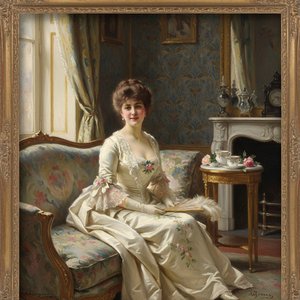
Alfred Stevens: Capturing Parisian Elegance & Fin-de-Siècle Intimacy
Discover the captivating world of Alfred Stevens, master of Parisian elegance & intimate portraiture. Explore his techniques, influences, and legacy – a prized collection for discerning art enthusiasts.

Romantic Realism's Finest: 10 Masterpieces for Your Home | OriginalUniqueArt
Explore 10 defining masterpieces of Romantic Realism! Discover Courbet, Millet & Daumier's powerful paintings—capturing emotion and social realities. Find museum-quality reproductions for your home at OriginalUniqueArt.com.
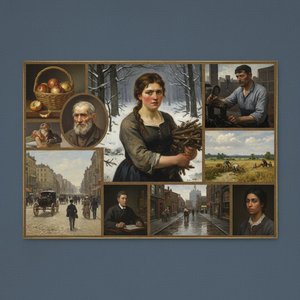
Realism's Masters: 10 Artworks That Capture Life's Essence | OriginalUniqueArt
Explore 10 iconic realism artworks by Courbet, Millet & more! Discover the stories behind these masterpieces of 19th-century painting. Find museum-quality art reproductions and elevate your home decor with OriginalUniqueArt.com.