
 ნახვა ინტერьерში
 გაგზავნა
 გაზიარება
 დეტალები
 გზამკვლევი

 ჩამოტვირთვა
 მსგავსები
 რენტგენოგრაფიული კვლევა
 სლაიდშოუ
 კითხვა-პასუხი
 სტატისტიკა
Spring


 სრული ტექსტის ნახვა
გიკლე / ხელოვნების პრინტი
მუზეუმის დონის ჟიკლე ან ტილოზე ბეჭდვა სწრაფი წარმოებისა და დასრულების მოქნილი ვარიანტებით. ( შეიძინეთ ხელით შესრულებული ნახატი გადასვლა ციფრულ გამოსახულებაზე)




P118B ₾10

P118H ₾10

P118W ₾10

P438Z ₾10

P508JH ₾12

P508YH ₾12

P805H ₾10

P805Z ₾10

P919BZ ₾10

P919G ₾10

P919XJ ₾10

P959ZH ₾10

P968JZ ₾12

W106C ₾8

W218G ₾10

W218JH ₾8

W218Y ₾10

W307PJ ₾10

W316G ₾10

W316PJ ₾8

W316Y ₾10

W398PJ ₾8

W4111J ₾10

W500HY ₾15

W500JH ₾15

W692G ₾12

W849H ₾8

W940BG ₾15

W953PJ ₾8




აირჩიეთ ჩვენს მიერ წინასწარ განსაზღვრული ზომებიდან, რომლებიც ნაწარმოების ორიგინალურ პროპორციებს შეესაბამება.

შეიყვანეთ თქვენთვის საჭირო სიგანე და სიმაღლე, რათა იგი მოერგოს თქვენს ჩარჩოს ან კედელს. ბეჭდვისას შესაძლებელია მხოლოდ მისი შემცირება და არა გაზრდა, ამიტომ სხვა ფორმის ზომის შემთხვევაში გამოსახულება ნაწილობრივ იკარგება. სანამ რაიმეს დაბეჭდავთ, ჩვენ გამოგიგზავნით ციფრულ მაკეტს დასდასტურებლად. ამ გვერდზე ნაჩვენები სურათი არ ასახავს რეალურ ჭრას — ამას მხოლოდ მაკეტი გვიჩვენებს.
მიწოდება მთელ მსოფლიოში () 2 კვირაში, სტანდარტული 4/5 კვირის ნაცვლად. (6 ნოემბერი)

უფასო ექსპრეს მიწოდება მთელ მსოფლიოში

მაღალი ხარისხის ტილო

ტრანსპორტირების სრული დაზღვევა

საბაჟო გადასახადების დაბრუნების გარანტია

ფერების სრული შესაბამისობის გარანტია

დაბრუნების 100-დღიანი პერიოდი (მხოლოდ წარმოების დეფექტის შემთხვევაში)

100% თანხის სრული დაბრუნების გარანტია

ფასდაკლება დიდი რაოდენობით შეკვეთისას
 მინის ჩარჩოს არჩევანი ხელმისაწვდომია მხოლოდ 110 სმ-მდე ზომისთვის

Spring
გიკლე / ხელოვნების პრინტი
რეპროდუქციის ზომა
-


ჯამური ღირებულება
₾ 210
A Portrait of Emotion: Exploring Spring by Alexej von Jawlensky
The world of art holds moments that transcend mere visual perception—pieces like “Spring” by Alexej Georgewitsch Von Jawlensky possess the ability to resonate deeply within us, prompting contemplation and stirring feelings long after we’ve turned away from their canvas. Painted in 1912 during the fervent crucible of Expressionism, this artwork isn't simply a depiction of nature; it’s an audacious attempt to distill the very essence of human experience into pigment and brushstroke—a courageous endeavor that cemented Jawlensky’s place as one of the movement’s foremost innovators.The Expressionist Vision: Beyond Representation
Expressionism emerged from the anxieties and uncertainties of early twentieth-century Europe, rejecting the conventions of Impressionism's serene observation in favor of confronting raw emotion. Artists like Hilma Af Klint and Ernst Ludwig Kirchner sought to bypass rational thought altogether, channeling inner turmoil directly onto the canvas. Jawlensky’s approach mirrored this ethos perfectly—he eschewed meticulous realism, prioritizing instead a subjective interpretation of reality. The distorted forms and jarring color palette characteristic of Expressionism served as conduits for conveying feelings of unease, longing, and spiritual yearning—qualities that permeate every inch of “Spring.”A Woman Illuminated: Symbolism Within the Frame
At the heart of the painting resides a woman with striking red hair, her gaze fixed intently upon the viewer. This figure isn’t merely presented as an individual; she embodies a broader symbolic language familiar to Expressionist artists. The crimson hue of her hair—a color often associated with passion, vitality, and even danger—immediately draws attention and establishes a palpable tension. Her facial expression is deliberately ambiguous, hinting at profound inner conflict yet simultaneously radiating a quiet resilience. The scarf draped around her neck adds another layer of complexity, concealing her face while simultaneously emphasizing the vulnerability inherent in human emotion.Technique and Texture: Jawlensky's Distinctive Style
Jawlensky’s mastery lay not only in his conceptual vision but also in his meticulous execution. He employed oil on panel—a medium that allowed for exceptional textural richness—creating a surface imbued with palpable depth and luminosity. Thick impasto strokes dominate the background, conveying a sense of turbulent energy and mirroring the emotional landscape depicted within. The artist’s deliberate layering of colors—primarily shades of pink, yellow, and red—further amplifies this visual dynamism. This technique wasn't merely aesthetically pleasing; it served as an integral component of Expressionism’s expressive impulse, translating inner feelings into tangible form.A Legacy Enduring: Spring in the Museum Collection
“Spring” currently resides within the St. Louis Art Museum’s collection—a testament to its enduring appeal and recognition by art historians worldwide. Its presence underscores the significance of Jawlensky's contribution to Expressionism and confirms his ability to capture the complexities of human psychology with unparalleled sensitivity. For those seeking a connection to this seminal artwork, high-quality reproductions are available at OriginalUniqueArt.com—offering an opportunity to experience the transformative power of art history firsthand. Let “Spring” inspire you to contemplate beauty alongside vulnerability, emotion alongside intellect—a timeless reminder that true artistic achievement lies in conveying not just what we see but what we feel.კითხვები და პასუხები
რას გამოსახავს "Spring"?
სურათის "Spring" თემებს წარმოადგენს spring.
რა განწყობას შემოიტანს "Spring" სივრცეში?
თავისი Dramatic განწყობით, „Spring“ რეკომენდებულია Living Room-ისთვის.
ზოგადად, რამდენად ნათელია "Spring"?
აღქმული სიკაშკაშის თვალსაზრისით, ალექსეი იავლენსკი-ის „Spring“ არის brilliant.
მხატვრის ბიოგრაფია
ალექსეი იავლენსკის სამყარო: ფერის, ემოციის და სულიერი ძ力的 გზა
ალექსეი გიორგის ძე იავლენსკი (1864-1941) რუსი მხატვარი იყო, რომელმაც მნიშვნელოვანი როლი ითამაშა ადრეული ოკროს ხანის ექსპრესიონიზმში. მისი ცხოვრება და შემოქმედება მჭიდროდაა დაკავშირებული ცვლილებებთან, მოგზაურობებთან და სხვადასხვა კულტურასთან ურთიერთობასთან, რაც მის ხელოვნებაზეც აისახება. დაიბადა ტორჟოკში, რუსეთში, ალექსეი თავიდან სამხედრო კარიერას მიჰყოფილიყო, მაგრამ მოსკოვის მსოფლიო გამოფენაზე ხელოვნების ხილვამ მისი ბედი გადაანაწილა. სწავლობდა სანკტ-პეტერბურგის სამხატვრო აკადემიაში, პარალელურად 군사적 მოვალეობებს ასრულებდა. სწორედ ამ პერიოდში გაიცნო ილია რეპინი, გამოჩენილი რუსი რეალისტი მხატვარი, და მარიანე ფონ ვერეფკინი, რომელიც მისი მასწავლის გამდიდრებული ხელოვნების მოგზაურობაში მნიშვნელოვანი როლი ითამაშა.მინხენი და ექსპრესიონიზმის ჩასახვა
1894 წელს მიუნხენში გადასვლის შემდეგ, იავლენსკის ცხოვრება ახალ ეტაპზე გადავიდა. ანტონ აიზბეს კერძო სკოლაში სწავლობდა, სადაც გაეცნობა ავანგარდის იდეებს და დაიწყებს ექსპერიმენტებს. ეს პერიოდი მისი შემოქმედების მნიშვნელოვანი ნაწილი იყო, რადგან მან აქტიური მონაწილეობა მიიღო „ახალი მუნხენელი მხატვრების გაერთიანებაში“ (Neue Künstlervereinigung München), რომელიც მოგვიანებით „ლურჯი ოსტატი“-ს (Der Blaue Reiter) საფუძვლად გახდა. იავლენსკის ადრეული ნამუშევრები ხასიათდება ფერადი, მდიდრული პალიტრის გამოყენებით, თუმცა მოგვიანებით მისი სტილი უფრო დახვეწილი და ემოციური გახდა, რაც გამოხატავდა მის შინაგანი სამყაროს."მისტერიული თავები": სულისკერძო პორტრეტების ციკლი
1909 წელს იავლენსკიმ „მისტერიული თავების“ (Mystical Heads) გამორჩეული ციკლის შექმნა, რომელიც მის ყველაზე ცნობილ ნამუშევრად ჩაითվა. ეს პორტრეტები, რომლებიც ხშირად გამოხატავს ადამიანის ემოციურ მდგომარეობას და სულიერ არსებას, არა მარტო ფიზიკური მსგავსების აღწერილია, არამედ შინაგანი სამყაროს გადმოცემის მცელობაცაა. მისი ნამუშევრები, როგორიცაა „შოკო წითელი ქუდით“ და „ალექსანდერ სახაროვის პორტრეტი“, წარმოადგენენ ფერის და კომპოზიციის ჰარმონიულ ერთიანობას, რომელიც მკითხველს ემოციურ გადმოცემას უბრუნებს. იავლენსკი თავებს 단순화ებული ფორმებით აღწერდა, რაც მის ხელოვნებას სიმკონცენტრირებულობასა და გამომხატველი ძალას მატებდა.გადასახლება, მოღწეული შედეგები და მემკვიდრეობა
პირველ მსოფლიო ომის დროს იავლენსკი გერმანიიდან გააძევეს რუსული წარმოშობის გამო, რის შემდეგაც იგი შვეიცარიაში გადაინتقلა. აქ მან შეხვდა ემი შეიერს, რომელიც მისი ნაშრომების 열렬한 მხარდამჭერი გახდა და ამერიკის შეერთებულ Штаტებში მათი პოპულარიზაციას უწყობდა ხელს. მიუხედავად იმისა, რომ იგი თანდათანობითი ფიზიკური პრობლემების წინაშე აღმოჩნდა, იავლენსკი მხატვრობას განაგრძობდა სიცოცხლის ბოლომდე. მისი შემოქმედება დღესდღეობით მსოფლიოს წამყვან მუზეუმებშია წარმოდგენილი და ის ექსპრესიონიზმის ერთ-ერთ ყველაზე მნიშვნელოვან ფიგურად აღიარებულია. იავლენსკის მემკვიდრეობა განაგრძობს შთაგონებას მომავალი თაობების მხატვრებისთვის, რომელიც მისი ხელოვნების გადმომცემი უნიკალური ხედვის 증거ა.
ალექსეი იავლენსკი
1864 - 1941 , რუსეთი
მოკლე ფაქტები
- Artists Or Movements Influenced By This Artist: ['Der Blaue Reiter']
- Artists Who Influenced This Artist:
- ილია რეპინი
- მარიანე ვონ ვერეფკინი
- ფერდინანდ ჰოდლერი
- დაბადების თარიღი: 1864 წლის 13 მარტი
- ერის მოქალაქეობა: რუსეთი
- ზოჸინელო შხვა ნახანდი:
- შოკკო წითა თავსახატით
- იViolet Turban
- Self-Portrait
- კünstlerische Bewegung Oder Stil: გჷმომხილალიშვილური
- მުޅავი სახელი: ალექსეი ვონ იავლენსკი
მსგავსი სტატიები

German Expressionism's 10 Defining Masterpieces | Art for Your Home
Explore 10 defining German Expressionism masterpieces – from Munch's 'The Scream' to Kandinsky’s abstracts. Discover the artists, stories & bold colors behind this powerful art movement. Find museum-quality reproductions at OriginalUniqueArt.com.

The Raw Emotion of Expressionism: A Deep Dive into its History, Characteristics & Enduring Influence
Explore the raw emotion of Expressionism with OriginalUniqueArt. Discover its history, key artists like Kirchner & Munch, and lasting influence on modern art. Expert insights for collectors & enthusiasts.

Crimson Threads of Narrative: Exploring Symbolism & Representation in Artworks Featuring the Red Dress
Explore the rich symbolism of the red dress in art history! From ancient power displays to iconic portraits like Cézanne’s 'Madame Cezanne', discover the cultural and artistic significance behind this captivating color. Expert analysis & insights.
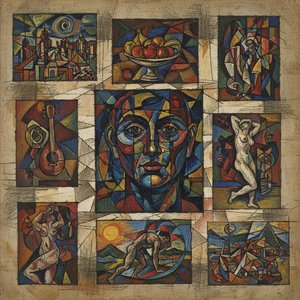
Cubist Expressionism's 10 Defining Masterpieces | Art for Your Home
Explore 10 defining Cubist Expressionism masterpieces by Picasso, Braque & more. Discover the stories behind these bold, geometric paintings and bring museum-quality art to your home with OriginalUniqueArt.com. Explore the full collection online.

მარკ როთკოს 25 საუკეთესო შედევრი: ფერების სიმღერა თქვენს სახლში | OriginalUniqueArt.com
აღმოაჩინეთ მარკ როთკოს 25 საუკეთესო შედევრი! გაიგეთ აბსტრაქტული ექსპრესიონიზმის ისტორია, ფერების სიმღერა და მათი გავლენა თანამედროვე ხელოვნებაზე. ხარისხიანი რეპროდუქციები OriginalUniqueArt.com-ზე. Explore the full collection online!


