

 ნახვა ინტერьерში
 გაგზავნა
 გაზიარება
 დეტალები
 გზამკვლევი

 ჩამოტვირთვა
 მსგავსები
 რენტგენოგრაფიული კვლევა
 სლაიდშოუ
 სტატისტიკა
Deposition
 Oil On Canvas
- WallArt
- Mannerist Elegance
 1565
1565 350.0 x 235.0 cm
 Galleria dell’Accademia
 სრული ტექსტის ნახვა
გიკლე / ხელოვნების პრინტი
მუზეუმის დონის ჟიკლე ან ტილოზე ბეჭდვა სწრაფი წარმოებისა და დასრულების მოქნილი ვარიანტებით. ( შეიძინეთ ხელით შესრულებული ნახატი გადასვლა ციფრულ გამოსახულებაზე)




P118B ₾10

P118H ₾10

P118W ₾10

P438Z ₾10

P508JH ₾12

P508YH ₾12

P805H ₾10

P805Z ₾10

P919BZ ₾10

P919G ₾10

P919XJ ₾10

P959ZH ₾10

P968JZ ₾12

W106C ₾8

W218G ₾10

W218JH ₾8

W218Y ₾10

W307PJ ₾10

W316G ₾10

W316PJ ₾8

W316Y ₾10

W398PJ ₾8

W4111J ₾10

W500HY ₾15

W500JH ₾15

W692G ₾12

W849H ₾8

W940BG ₾15

W953PJ ₾8




აირჩიეთ ჩვენს მიერ წინასწარ განსაზღვრული ზომებიდან, რომლებიც ნაწარმოების ორიგინალურ პროპორციებს შეესაბამება.

შეიყვანეთ თქვენთვის საჭირო სიგანე და სიმაღლე, რათა იგი მოერგოს თქვენს ჩარჩოს ან კედელს. ბეჭდვისას შესაძლებელია მხოლოდ მისი შემცირება და არა გაზრდა, ამიტომ სხვა ფორმის ზომის შემთხვევაში გამოსახულება ნაწილობრივ იკარგება. სანამ რაიმეს დაბეჭდავთ, ჩვენ გამოგიგზავნით ციფრულ მაკეტს დასდასტურებლად. ამ გვერდზე ნაჩვენები სურათი არ ასახავს რეალურ ჭრას — ამას მხოლოდ მაკეტი გვიჩვენებს.
მიწოდება მთელ მსოფლიოში () 2 კვირაში, სტანდარტული 4/5 კვირის ნაცვლად. (23 ოქტომბერი)

უფასო ექსპრეს მიწოდება მთელ მსოფლიოში

მაღალი ხარისხის ტილო

ტრანსპორტირების სრული დაზღვევა

საბაჟო გადასახადების დაბრუნების გარანტია

ფერების სრული შესაბამისობის გარანტია

დაბრუნების 100-დღიანი პერიოდი (მხოლოდ წარმოების დეფექტის შემთხვევაში)

100% თანხის სრული დაბრუნების გარანტია

ფასდაკლება დიდი რაოდენობით შეკვეთისას
 მინის ჩარჩოს არჩევანი ხელმისაწვდომია მხოლოდ 110 სმ-მდე ზომისთვის

Deposition
გიკლე / ხელოვნების პრინტი
რეპროდუქციის ზომა
-


ჯამური ღირებულება
₾ 209
Agnolo Bronzino’s “Deposition”: A Study in Reserved Elegance
“Deposition,” painted in 1565 by the Florentine master Agnolo Bronzino, is not merely a religious scene; it's a meticulously crafted tableau of restrained emotion and profound psychological depth. Commissioned for the Observant Monastery in Cosmopoli, this work transcends simple narrative to become a meditation on grief, loss, and the delicate balance between earthly sorrow and divine grace. Bronzino, renowned for his “reserved elegance,” achieved this through an almost unnervingly controlled composition, favoring subtle gestures and averted gazes over overt displays of feeling – a hallmark of the Mannerist style that defined his career.
The scene depicts the immediate aftermath of Christ’s removal from the cross. Mary Magdalene, rendered with exquisite detail in her flowing robes, gently lowers the lifeless body of Jesus into the arms of Nicodemus, a figure identified by his distinctive cloak and posture. The figures surrounding them are not presented as dramatically distraught but rather as individuals caught in a moment of quiet contemplation. Note the careful positioning – some stand closer to Christ, their faces turned towards him in sorrowful reverence, while others remain further back, observing from a distance, creating a sense of layered grief and shared humanity. The inclusion of several other figures—including John the Evangelist, Joseph of Arimathea, and even a young soldier in green – adds to the scene’s complexity, suggesting a community united in mourning.
Mannerism and Bronzino's Signature Style
Bronzino’s mastery lies not in dramatic brushstrokes or vibrant color palettes, but in his precise rendering of form and texture. Executed primarily in oil on panel, the painting showcases his signature technique: a cool, polished surface achieved through painstaking layering of thin glazes. This creates an almost sculptural effect, emphasizing the smooth contours of the figures’ bodies and clothing. The dark background serves to heighten the luminosity of the subjects, drawing the viewer's eye directly to their faces – each subtly conveying a complex range of emotions without resorting to overt expressions.
The composition itself is deliberately static, reflecting the principles of Mannerism. Figures are arranged in carefully calculated poses, often with elongated limbs and stylized gestures. This deliberate artificiality contrasts sharply with the more naturalistic depictions favored by earlier Renaissance artists like Leonardo da Vinci and Raphael. Bronzino’s approach prioritized intellectual elegance over emotional immediacy, creating a work that demands careful observation and interpretation.
Symbolism and Context
Beyond its religious subject matter, “Deposition” is rich in symbolic detail. The presence of Nicodemus, a figure often associated with wisdom and knowledge, suggests the importance of intellectual understanding in confronting grief. The young soldier’s green cloak, a symbol of Roman authority, subtly references the sacrifice of Christ within the context of imperial power. The careful arrangement of hands—Mary Magdalene's gently cradling Jesus’ head, Nicodemus’ supporting his body—underscores the profound tenderness and respect with which he is being received.
Painted during a period of political instability in Florence – the Medici family’s grip on power was increasingly challenged – “Deposition” can be interpreted as a subtle commentary on mortality and the fragility of human existence. Bronzino, serving as court painter to Cosimo I de' Medici, skillfully navigated the complexities of patronage while maintaining his artistic independence, producing works that were both aesthetically refined and subtly imbued with intellectual and emotional resonance. The painting’s placement in a monastery underscores its intended purpose: a visual meditation on faith, loss, and the enduring power of compassion.
A Reproduction for Your Space
OriginalUniqueArt offers meticulously hand-painted reproductions of Agnolo Bronzino's “Deposition,” capturing the artist’s signature style with exceptional fidelity. Each reproduction is created using traditional techniques and archival-quality materials, ensuring that it will retain its beauty and vibrancy for generations to come. Whether you are a collector of Renaissance art, an admirer of Mannerist elegance, or simply seeking a piece that evokes a sense of quiet contemplation, this reproduction offers a stunning tribute to one of Florence’s most influential artists. Consider how the painting's cool palette and restrained emotion can complement your interior design scheme – creating a space of serene beauty and intellectual depth.
კითხვები და პასუხები
არის თუ არა ანგელო ბრონზინო-ის „Deposition“ Mannerist Elegance მიმდევრობის ერთ-ერთი ყველაზე მოთხოვნადი ნამუშევარი?
Mannerist Elegance მიმდინარეობის ფარგლებში, ნამუშევარი „Deposition“ ფლობს Iconic პოპულარობის დონეს.
ანგელო ბრონზინო-ის შემოქმედების რომელი პერიოდის ნაწილია "Deposition"?
"Deposition" ეკუთვნის ანგელო ბრონზინო-ის შემოქმედებითი კარიერის Late Mannerism პერიოდს. ეს კლასიფიკაცია ნამუშევარს ხელოვანის შემოქმედებითი განვითარების ეტაპთან აკავშირებს.
რამდენად ინტენსიურია ანგელო ბრონზინო-ის „Deposition“-ის ფერები?
ანგელო ბრონზინო-ის „Deposition“-ში შეფარებული ფერების ინტენსივობა არის Balanced.
მხატვრის ბიოგრაფია
ფლორენციული მასტერი, განმზადებული ელეგანტურობით
აგნოლო დი კოსიმო, რომელიც ისტორიაში ბრონცინოდ არის ცნობილი, გაჩნდა რენესანსული ფლორენციის მკვ vibrancyულ მხატვრულ გარემოში 1503 წელს, პერიოდში, რომელიც უკვე გენიალობით იყო სავსე. მეტყევეის ვაჟი, მისი გზა მკვეთრად განსხვავდებოდა ოჯახური ვაჭრობიდან და მიჰყვვა თანდაყოლილ ტალენტს, რომელმაც იგი თავისი ეპოქის ყველაზე მოთხოვნადი პორტრეტისტად აქცია და მანერიზმის განმ definingdefining ფიგურად. მისი ადრეული მომზადება დაიწყო რაფაელინო დელ გარბოსთან, მაგრამ იაკოპო და პონტორმოს ხელმძღვანელობით ბრონცინოს მხატვრული მგრძნობელობა ნამდვილად ჩამოყალიბდა. პონტორმოს ინოვაციური სტილის ათვისებისას, მან საბოლოოდ საკუთარი უნიკალური ხმა შექმნა - რომელიც ხასიათდება მაგრი სიმშვიდე და გაწ refinementებული დეტალებით, რომელიც მკვეთრად განსხვავდება მასწავლებლის ხშირად ემოციურად დამუხტული ნამუშევრებისგან. ამ ადრეულ პერიოდში ასევე გავლენა მოახდინა ანდრეა დელ სარტოს შესწავლაზე, რომელმაც იგი მიხანგელოსა და ლეონარდო და ვინჩის მემკვიდრებას წარუდგინა - ფუნდამენტური გავლენები, რომლებიც რბილად შეაღწევს მის მომწიფებულ სტილს. ახალგაზრდა ბრონცინომ სწრაფად აჩვენა უნარი აღეწერა არა მხოლოდ ფიზიკური მსგავსება, არამედ გარკვეული ფსიქოლოგიური სიღრმე, თუნდაც თავისი ადრეული შეკვეთების დროს.ასვლა მედიჩის სასამართლოსთან
ბრონცინოს კარიერა დრამატულად გაიზარდა ტოსკანას ჰერცოგ კოზიმო I დე’ მედიჩის პატრონაჟით. ეს ურთიერთობა, რომელიც განმტკიცდა მას შემდეგ, რაც ბრონცინომ მნიშვნელოვანი წვლილი შეიტანა 1539 წელს კოზიმოსა და ელეონორა ტოლედოს ქორწინების აღნიშვნისას მდიდრული დეკორაციებში, შემოქმედებითად განმტკიცდა მისი პოზიცია მთელი ცხოვრების მანძილზე ოფიციალურ სასამართლო მხატვრად. ეს იყო როლი, რომელიც მან თავდაუზუსტებელი ერთგულობითა და გამორჩეული უნარით შეასრულა. ამ პერიოდის პორტრეტები მხოლოდ მსგავსებები არ არის; ისინი ფრთხილად აშენებული განცხადებებია ძალაუფლების, სტატუსისა და დინასტიური მისწრაფებების შესახებ. კოზიმო და ელეონორა ხშირად იყვნენ საგნები, მარადიულად გაი Immortalizedული ნამუშევრებში, რომლებიც გამოხატავდნენ არისტოკრატიულ განდგომილებასა და პოლირებული ელეგანტურობას. ეს ნამუშევრები არ ეხებოდა მხოლოდ ფიზიკური მსგავსების აღწერას, არამედ მედიჩის ავტორიტეტის მდგრადი სიმბოლოების შექმნას. ბრონცინოს უმაღლესი უნარი პორტრეტულად გადამეტებული იყო; მას დაევალა ელეონორასთვის მიძღვნილი კაპელის გაფორმება, პროექტი, რომელიც ორ ათწლეულს გასტანა და წარმოაჩინა მისი მრავალფეროვნება ფრესკული მხატვრის სახით. ამ ნამუშევრებში ჩადებული ზუსტი დეტალი და გაწ refinementებული ტექნიკა ბრონცინოს დაასახელა ფლორენციული სასამართლოს პრემიერმა მხატვარმა, მომდევნო თაობებისათვის ვიზუალური ძალაუფლების ენა ჩამოაყალიბა.მანერიზმის გაწ refinementებული ხელოვნება
ბრონცინოს მხატვრული სტილი ხასიათდება მანერიზმით - მოძრაობამ, რომელიც იტალიაში XVI საუკუნის შუა წლებში აყვავდა, როგორც რეაქცია მაღალი რენესანსის ნატურალიზმისა და ჰარმონიული ბალანსისკენ. მან მიიღო წაგრძელებული ფორმები, სტილიზებული პოზები და ხშირად მაგრი, მოწყვეტილი ემოციურობა. მისი ფიგურები იშვიათად აღმოჩნდება სპონტანური მოქმედების მომენტებში; ნაცვლად ამისა, ისინი ფრთხილად არის განლაგებული, თითქმის სკულპტურული თავიანთი უძრაობაში. ვენერა, კუპიოდონი, სიამხურვალე და დრო (c. 1544-45), შესაძლოა მისი ყველაზე ცნობილი ალეგორიული ნამუშევარი, მაგალითად მოჰყავს ეს მიდგომა. ნახატი არის სიმბოლიზმის რთული ტაფრალი, რომელიც იწვევს მრავალფეროვან ინტერპრეტირებას და ამავე დროს ინარჩუნებს enigmatic გან detachmentს. მისი პორტრეტები ცნობილია დეტალებისადმი ზუსტი ყურადღებით - ქსოვილების ტექსტურები, ძვირფას ქვევრებრ ბზინვარება, გამოხატულების ნატიფი ჩრდილები - ყველაფერი თითქმის ენამელის მსგავსი სიზუსტით არის რენდერირებული. ეს ზედაპირული გაწ refinementებისა და ინტელექტუალური კომპლექსობისადმი ერთგულება განასხვავებს ბრონცინოს ნამუშევრებს თანამედროვენებისგან. მას არ აინტერესებდა რეალობის უბრალოდ გამეორება; მან ისწრაფვა ხელოვნით ამაღლებოდა, სიარტყის და სტილის კონტროლით.მემკვიდრეობა და მდგრადი გავლენა
გამომავალი მისი პროლificული მხატვრის გამოშვება, ბრონცინოს მნიშვნელოვანი როლი ითამაშა ფლორენციულ მხატვრულ საზოგადოებაში. იგი იყო 1563 წელს დაარსებული Accademia delle Arti del Disegno-ს დამფუძნებელი წევრი, ინსტიტუტს, რომელიც ეძღვნება ხელოვნების შესწავლასა და მხატვრული უმაღლესობის განვითარებას. მისი გავლენა გაიზარდა ფლორენციას 넘어; მანევრიზმის პოპულარიზაცია მოახდინა ევროპაში თაობების განმავლობაში. მაგრი ელეგანტურობა და გაწ refinementებული ტექნიკა, რომელსაც იგი მიესადაგა არისტოკრატიული წარმომადგენლობის ნიშნები გახდა. მიუხედავად იმისა, რომ მისი სტილი გარკვეულ პერიოდებში ნაკლებად იყო პოპულარული, უფრო ემოციური ან ნატურალისტური მიდგომების პრიორიტეტიზაციის გამო, ბრონცინოს ნამუშევრებმა ბოლო ათწლეულებში აღფრთოვანება გამოიწვია. მეცნიერები ახლა აღიარებენ ინტელექტუალურ სიღრმესა და სტილისტურ ინოვაციას, რომელიც არის მის ხელოვნაში. იგი გარდაიცვალა ფლორენციაში 1572 წელს, დატოვა მემკვიდრეობა ერთ
ანგელო ბრონზინო
1503 - 1572 , საქართველო
მოკლე ფაქტები
- Artistic Movement Or Style: მანერიზმი
- Artists Or Movements Influenced By This Artist: ['ევროპული პორტრეტები']
- Artists Who Influenced This Artist:
- Pontormo
- Michelangelo
- Date Of Birth: 17 ნოემბერი 1503
- Date Of Death: 23 ნოემბერი 1572
- Full Name: Agnolo di Cosimo
- Nationality: იტალიელი
- Notable Artworks (List Of Titles):
- ვენერა, კუპიდონი...
- უგოლინო მარტელი
- წმინდა ოჯახი
- Place Of Birth (City And Country): ფლორენცია, იტალია
მსგავსი სტატიები
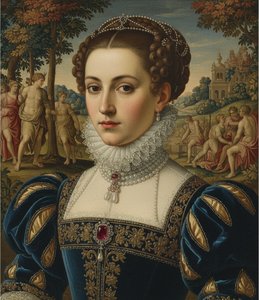
Agnolo Bronzino: Mastering Courtly Portraiture & the Enigmatic Gaze of Renaissance Florence
Explore the captivating world of Agnolo Bronzino, Renaissance master portraitist. Discover his elegant style, symbolic depth & lasting influence on art history. Expert insights for collectors.

ფლორენციის უფიცის გალერეის 25 შედევრი: რენესანსის საგანძური თქვენს სახლში
აღმოაჩინეთ ფლორენციის უფიცის გალერეის 25 შედევრი! ბოტტიჩელი, ლეონარდო და ვინჩი, მიქელანჯელო და სხვა რენესანსული გენიების ნახატები. სახლის დეკორი მუზეუმის ხარისხით OriginalUniqueArt.com-ზე.
ფრა ანჯელიკოს 25 შედევრი: ხელოვნების სილამაზე თქვენს სახლში | OriginalUniqueArt.com
აღმოაჩინეთ ფრა ანჯელიკოს 25 უნიკალური შედევრი! რენესანსის ფერწერა, სულიერი ხატები და იტალიური ხელოვნების სილამაზე OriginalUniqueArt.com-ზე. შეიძინეთ მუზეუმის ხარისხის რეპროდუქციები სახლის დეკორისთვის. Explore the full collection online!

Mannerism: Bridging Renaissance Harmony & Baroque Drama – A Study of Style & Affectation
Explore the fascinating world of Mannerism! Discover its key characteristics, pioneering artists like Pontormo & Bronzino, and its pivotal role in bridging Renaissance harmony to Baroque drama. A comprehensive guide for art enthusiasts.
Jacob Henricus Maris: A Master of Dutch Atmospheric Realism & the Intimate Landscape
Explore the captivating world of Jacob Henricus Maris, a leading figure of the Dutch Hague School. Discover his atmospheric landscapes, signature brushstrokes & lasting influence on 19th-century art. Learn more at OriginalUniqueArt.
