

 ნახვა ინტერьерში
 გაგზავნა
 გაზიარება
 დეტალები
 გზამკვლევი

 ჩამოტვირთვა
 მსგავსები
 რენტგენოგრაფიული კვლევა
 სლაიდშოუ
 სტატისტიკა
Self-Portrait
 Oil On Canvas
- WallArt
- Baroque Painting
 1699
1699- Contemporary
 81.0 x 66.0 cm
 Rijksmuseum
 სრული ტექსტის ნახვა
გიკლე / ხელოვნების პრინტი
მუზეუმის დონის ჟიკლე ან ტილოზე ბეჭდვა სწრაფი წარმოებისა და დასრულების მოქნილი ვარიანტებით. ( შეიძინეთ ხელით შესრულებული ნახატი გადასვლა ციფრულ გამოსახულებაზე)




P118B ₾10

P118H ₾10

P118W ₾10

P438Z ₾10

P508JH ₾12

P508YH ₾12

P805H ₾10

P805Z ₾10

P919BZ ₾10

P919G ₾10

P919XJ ₾10

P959ZH ₾10

P968JZ ₾12

W106C ₾8

W218G ₾10

W218JH ₾8

W218Y ₾10

W307PJ ₾10

W316G ₾10

W316PJ ₾8

W316Y ₾10

W398PJ ₾8

W4111J ₾10

W500HY ₾15

W500JH ₾15

W692G ₾12

W849H ₾8

W940BG ₾15

W953PJ ₾8




აირჩიეთ ჩვენს მიერ წინასწარ განსაზღვრული ზომებიდან, რომლებიც ნაწარმოების ორიგინალურ პროპორციებს შეესაბამება.

შეიყვანეთ თქვენთვის საჭირო სიგანე და სიმაღლე, რათა იგი მოერგოს თქვენს ჩარჩოს ან კედელს. ბეჭდვისას შესაძლებელია მხოლოდ მისი შემცირება და არა გაზრდა, ამიტომ სხვა ფორმის ზომის შემთხვევაში გამოსახულება ნაწილობრივ იკარგება. სანამ რაიმეს დაბეჭდავთ, ჩვენ გამოგიგზავნით ციფრულ მაკეტს დასდასტურებლად. ამ გვერდზე ნაჩვენები სურათი არ ასახავს რეალურ ჭრას — ამას მხოლოდ მაკეტი გვიჩვენებს.
მიწოდება მთელ მსოფლიოში () 2 კვირაში, სტანდარტული 4/5 კვირის ნაცვლად. (23 ოქტომბერი)

უფასო ექსპრეს მიწოდება მთელ მსოფლიოში

მაღალი ხარისხის ტილო

ტრანსპორტირების სრული დაზღვევა

საბაჟო გადასახადების დაბრუნების გარანტია

ფერების სრული შესაბამისობის გარანტია

დაბრუნების 100-დღიანი პერიოდი (მხოლოდ წარმოების დეფექტის შემთხვევაში)

100% თანხის სრული დაბრუნების გარანტია

ფასდაკლება დიდი რაოდენობით შეკვეთისას
 მინის ჩარჩოს არჩევანი ხელმისაწვდომია მხოლოდ 110 სმ-მდე ზომისთვის

Self-Portrait
გიკლე / ხელოვნების პრინტი
რეპროდუქციის ზომა
-


ჯამური ღირებულება
₾ 209
A Window into the Baroque Soul: Adriaen van der Werff’s Self-Portrait
Adriaen van der Werff's 1699 Self-Portrait is more than just a likeness; it’s a meticulously crafted window into the mind of a prominent Dutch artist during a pivotal era. Housed within the hallowed halls of the Rijksmuseum in Amsterdam, this oil on canvas painting transcends mere portraiture, offering a profound glimpse into the values, ambitions, and artistic sensibilities of 17th-century Europe. The work immediately commands attention with its dramatic use of chiaroscuro – the masterful interplay of light and shadow – which sculpts Van der Werff’s features and imbues the scene with an almost theatrical intensity. The artist doesn't simply present himself; he actively engages the viewer, inviting us into his world of artistic creation.
Van der Werff’s skill isn’t merely technical; it’s deeply rooted in a Baroque aesthetic that prized drama, emotion, and a heightened sense of realism. The composition itself is carefully orchestrated: the artist stands before a table laden with his tools – brushes, palettes, and a partially completed portrait of his wife and daughter – each element contributing to a narrative of dedication and artistic pride. The inclusion of this family portrait isn’t merely decorative; it speaks volumes about Van der Werff's life and priorities, suggesting a desire for domestic harmony alongside his professional pursuits. The gilt-framed miniature further emphasizes this familial connection, elevating the importance of his loved ones within his artistic world.
Decoding Baroque Techniques: Light, Shadow, and Detail
A closer examination reveals the intricate techniques that define Van der Werff’s style. The strong contrasts between light and dark – a hallmark of Baroque painting – aren't simply employed for visual effect; they serve to draw our attention to key focal points, particularly the artist himself. His face is rendered with an almost photographic precision, capturing every nuance of expression—a subtle hint of self-awareness mingled with quiet confidence. The meticulous detail extends beyond his features to encompass the textures of his clothing, the sheen of the gold trim, and even the delicate brushstrokes that define the miniature portrait.
Van der Werff’s mastery of color is equally noteworthy. He utilizes a rich palette of reds, browns, and golds, creating a sense of warmth and opulence. The dark background serves as a dramatic foil to these vibrant hues, further enhancing the impact of the figure in the foreground. The artist's use of sfumato – a subtle blurring technique – softens the edges of forms, lending an air of mystery and sophistication to the overall composition. This careful attention to detail and masterful manipulation of light and color are hallmarks of his distinctive style, setting him apart from many of his contemporaries.
A Reflection of its Time: Context and Symbolism
To fully appreciate Van der Werff’s Self-Portrait, it's essential to understand the historical context in which it was created. The Baroque period (roughly 1600-1750) witnessed a dramatic shift in artistic sensibilities, moving away from the restrained elegance of the Renaissance and embracing a more dynamic, emotional, and often theatrical style. The Catholic Church remained a significant patron of the arts during this time, commissioning works that celebrated religious themes and reinforced spiritual values. However, secular commissions also flourished, reflecting the growing wealth and influence of merchants and nobility.
Within the portrait itself, several symbolic elements contribute to its layered meaning. The artist’s pose—standing before his work—suggests a deliberate act of self-promotion and an assertion of artistic authority. The inclusion of his family underscores the importance of domesticity and legacy in 17th-century Dutch society. And the miniature portrait, depicting his wife and daughter, serves as a poignant reminder of the personal relationships that shaped his life and work. The overall impression is one of a man deeply connected to both his craft and his family—a testament to the values of his time.
Bringing Van der Werff’s Vision Home: A Reproduction for Today
OriginalUniqueArt offers meticulously crafted, hand-painted reproductions of Adriaen van der Werff's Self-Portrait, allowing you to experience this masterpiece in stunning detail. Our skilled artisans replicate the artist’s techniques with unparalleled accuracy, capturing the chiaroscuro, color palette, and nuanced expressions that define this iconic work. Whether displayed in a grand salon or a cozy study, our reproduction will serve as a beautiful reminder of the artistic brilliance of the Baroque era—a timeless piece of art that continues to inspire and captivate audiences today.
To explore more works by Adriaen van der Werff and delve deeper into his life and legacy, we invite you to visit our online gallery. For further insights into the Rijksmuseum’s collection, please see this resource.
კითხვები და პასუხები
მდებარეობს თუ არა ადრიან ვან დერ ვერფი-ის „Self-Portrait“ ხელოვანის სამშობლოში?
არა - ნამუშევარი საზღვარგარეთ ინახება. ნამუშევარი „Self-Portrait“ დაცულია Netherlands-ში, მაშინ როცა ადრიან ვან დერ ვერფი დაიბადა ნიდერლანდები-ში.
სად და რა დანიშნულებისთვის არის რეკომენდებული "Self-Portrait"?
ადრიან ვან დერ ვერფი-ის „Self-Portrait“ რეკომენდებულია Statement-ისთვის, იდეალურ შემთხვევაში კი Living Room-ში დასამონტაჟებლად. გამოყენების დანიშნულება და სივრცე ერთობლივად განსაზღვრავს, თუ სად მოუხდება რეკრედუქცია საუკეთესოდ განთავსებას.
რა ტექნიკითა და რა ზომის არის ორიგინალი ადრიან ვან დერ ვერფი-ის „Self-Portrait“?
"Self-Portrait" შესრულებულია Oil On Canvas ტექნიკით და თავის ორიგინალ ფორმაში ზომავს 81 x 66 cm-ს.
მხატვრის ბიოგრაფია
დახვეწილი ელეგანტურობის ოსტატი: ადრიან ვან დერ ვერფის ცხოვრება
ჰოლანდიური ოქროს ხანის დიდებულ ქსოვილში ცოტა ნაკსოვი ბრწყინავს ისეთი გაღმავალი სილამაზით, როგორც ადრიან ვან დერ ვერფის შემოქმედება. 1659 წელს ჰაგში დაბადებული მხატვარი ხელოვნებრივი ნიჭით გამორჩეული საგვარეულოს შვილი იყო; მჭევრმეტყველმა მამამისმა მას სინათლისა და ფორმის ნიუანსებთან ადრეული და ღრმა ნაცნობობა აჩუქა. მისი ფორმირების წლები ეგლონ ვან დერ ნერის მკაცრი მეთვალყნერების ქვეშ ჩამოყალიბდა — ეს იყო კოსტიუმებისა და დრაპერიის ოსტატი, რომლის გავლენა დღემდე იგრძნობა ვან დერ ვერფის შემდგომი კომპოზიციების დახვეწილ, রძევანებულ ტექსტურებში. ამ ადრეულმა სწავლებამ მას სიზუსტისადმი ერთგულება ჩაუყარა საფუძველი, რამაც მისი ფუნჯი ისეთ ინსტრუმენტად აქცია, რომელსაც შეეძლო კანისა და ქსოვილის ყველაზე ნაზი გადასვლების დაჭერა.
კარიერის განვითარებასთან ერთად, ვან დერ ვერფი ტექნიკურ ოსტატობას სცილდებოდა და მიაღწია ფსიქოლოგიური სიღრმისა, რომელმაც ევროპული არისტოკრატია მოხიბლა. თავის ძმასთან და მოწაფესთან, პიტერ ვან დერ ვერფისთან ერთად, მან როტერდამში ძლიერი სტუდია ჩამოაყალიბა. მხატვრობაში მისი აღსვლა აღინიშნა წმინდა ლუკას გილდიის ხელმძღვანელობით — ეს იყო უდიდესი პრესტიჟის მქონე პოზიცია, რომელმაც მას საშუალება მისცა, ეპოქის ყველაზე გავლენიანი მეწარმოეების ყურადღება მიეპყროთ. მისი შემოქმედება ხიდად იქცა ადრეული ჰოლანდიელი ოსტატების უხეშ რეალიზმსა და მზარდი როკოკოს მოძრაობის დახვეწილ, ელეგანტურ სენსიტიურობას შორის.
სინათლისა და მითის სიმფონია
ვან დერ ვერფის შემოქმედების ნამდვილი მაგია ანტიკური მითოლოგიური და ბიბლიური ნარატივების სიცოცხლის შემოტანაში მდგომარეობს. ის არ ახდენდა მხოლოდ ამბების ილუსტრირებას; იგი მათ დრამატული ინტენსივობით აცოცხლებდა, სადაც ქიაროსკუროს გამოყენება ღრმა ემოციების გამოსაწვევად ემსახურებოდა. ისეთ ნაშრომებში, როგორიცაა 'ლოტი და მისი ქალიშვილები', შესაძლებელია ჩრდილისა და სინათლის ოსტატური თამაშით აღფრთოვანება, სადაც სანთლის ყოველი ციმციმი სცენის დაძაბულობასა და სიმბოლურ სიმძიმეს ამძაფრებს. მისი ტილოები ხშირად კლასიკური ელეგანტურობის ფანჯრებად იქცევა, სადაც ადამიანის ფორმა ფარფათი სრულყოფილებით არის გამოსახული, რაც ერთდროულად ეფემერულსა და ხელშესახებად რეალურს გვაგრძნებინებს.
მისი ტექნიკური რესპერტუარი საოცრად მრავალფეროვანი იყო, რაც მას საშუალებას აძლევდა, პორტრეტისა და ნარატიული ფერწერის სხვადასხვა სტილში მოექცეოდა:
- მითოლოგიური დიდებულება: ღმერთებისა და გმირების გამოსახვა ხშირად მონუმენტურ კომპოზიციებს იყენებდა ძალისა და გრაციის გამოსახატად. <
- ინტიმური პორტრეტული ჟანრი: თავის 'ავტოპორტრეტში ის დაუძლეველ სიმართლეს ავლენდა, რაც დეტალების მეშვეობით სუბიექტის თავდაჯერებულობასა და ხასიათს ასახავდა.
- ჟანრული სცენები და ჯგუფური პორტრეტები: ისეთი ნამუშევრები, როგორიცაა 'ბავშვები ჰერკულესის ჯგუფის წინაშე თამაშობენ, წარმოაჩენს მის უნარს, საოჯახო სინაზე დაუკავშიროს კლასიკური ქანდაკების შთამბეჭდავი ყოფიერება და შექმნას უმანკოებისა და ანტიკურობის შეერთების მრავალშრიანი ნარატივი.
მემკვიდრეობა და ისტორიული მნიშვნელობა
ადრიან ვან დერ ვერფის გავლენა ნიდერლანდის საზღვრებს ბევრად სცილდებოდა. "დახვეწილ მხატვარად" აღიარებულმა სტატუსმა მას ევროპული სამეფო ოჯახების მხარდაჭერა მოუტანა, მათ შორის პალატინის ელექტორ იოანე ვილჰემს და დიდებულ ანა მარია ლუიზა დე' მედიჩის. ფლორენციის სამსახურისთვის მონუმენტური ნამუშევრების შეკვეთა მისი, როგორც ბაროკოს ეპოქის საერთაშორისო ფიგურის, დასტურია. მედიჩების ოჯახის დახვეწილ გემოვნებასთან მორგებადმა უნარმა განამტკიცა მისი მემკვიდრეობა, როგორც ხელოვანისა, რომელმაც შეძლო ჩრდილოური სიზუსტისა და სამხრეთური ელეგანტურობის შერწყმა.
საბოლოოდ, ვან დერ ვერფის მნიშვნელობა მის ტრანსფორმაციულ როლში მდგომარეობს. მან აიღო ჰოლანდიური რეალიზმის ფუნდამენტური ელემენტები — ტექსტურის, სინათლისა და ჭეშმარიტებისადმი შეპყრობილობა — და ისინი ამაღლდა დახვეწილ, სასახლო ენამდე, რომელმაც მოგვიანებით მე-18 საუკუნის ხელოვნების ტრაექტორიაზე მოახდინა გავლენა. მიუხედავად იმისა, რომ დიდი ჰოლანდიელი ოსტატების ეპოქა საბოლოოდ ახალ მოძრაობებს დაступиდა, ვან დერ ვერფის მიერ შექმნილი ნათელი და გაღმავალი სამყარო ბაროკოს ხელოვნების მწვერვალის მარადიულ მონუმენტად რჩება.

ადრიან ვან დერ ვერფი
1659 - 1722 , ნიდერლანდები
მოკლე ფაქტები
- Artistic Movement Or Style: ბაროკო
- Artists Or Movements Influenced By This Artist: ['დაბლუდის ოსტატები']
- Artists Who Influenced This Artist: ['ეგლონ ვან დერ ნეერი']
- Date Of Birth: ჰაგა, ნიდერლანდები (1659)
- Date Of Death: 1722
- Full Name: Adriaen van der Werff
- Nationality: დაბლუდის
- Notable Artworks:
- წმინდა მაღდალენა მარტოობაში მედიტაციაში
- ადამი და ევა
- სარა აბრაამს აგარის წარდგენა
- Place Of Birth: ჰაგა
მსგავსი სტატიები
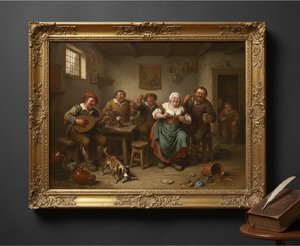
Adriaen van Ostade: A Master of Dutch Genre Painting & Social Commentary
Explore the life & work of Adriaen van Ostade, a leading Dutch Golden Age painter. Discover his realistic genre scenes, social commentary, and lasting influence on art history. Learn more at OriginalUniqueArt.
Early Netherlandish Masters: 10 Paintings That Revolutionized Art & Decor
Journey into the Early Netherlandish Renaissance! Explore 10 iconic paintings by Jan van Eyck, Rogier van der Weyden & more. Discover stunning detail, symbolism, and oil painting techniques. Find museum-quality art reproductions for your home at OriginalUniqueArt.com.

Hugo van der Goes: Devotion, Innovation & the Psychological Depth of Early Netherlandish Painting
Explore the revolutionary art of Hugo van der Goes – a master of Early Netherlandish painting renowned for his dramatic realism, psychological depth & profound influence on Renaissance artists. Discover his iconic works and lasting legacy.

Dutch Baroque Masters: 10 Paintings That Shaped an Era | OriginalUniqueArt
Journey through the Golden Age with our guide to the Top 10 Dutch Baroque masterpieces! Explore iconic paintings by Rembrandt, Vermeer & Frans Hals. Find museum-quality art reproductions and elevate your home decor at OriginalUniqueArt.com.

რემბრანდტის 25 შედევრი: ხელოვნების ისტორია თქვენს სახლში | OriginalUniqueArt
აღმოაჩინეთ რემბრანდტის 25 უნიკალური შედევრი! ოქროს ხანის ბაროკო ხელოვნება, ავტოპორტრეტები და ღამის თვალთუმაჩვილი – OriginalUniqueArt.com-ზე. შეიძინეთ მუზეუმის ხარისხის რეპროდუქციები სახლის დეკორისთვის. Explore the full collection online!


