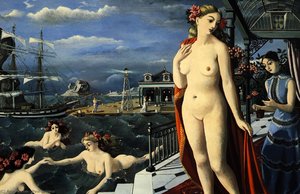
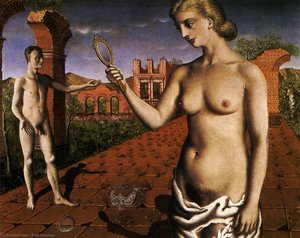
პოლ დელვო პორტრეტი

პოლ დელვო-ის ნახატები: 100 ყველაზე ცნობილი ნამუშევარი, গალერეის თcraftით

განახლდა ოქტომბერი 2026 · დალაგებულია ჩვენი პოპულარობის ქულების მიხედვით (ძიება, ნახვა და შეკვეთები თითოეული ნამუშწაროსთვის) · 294 ნამუშევარი პოლ დელვო ჩვენს კატალოგში

მოკლედ რომ ვთქვათ

გალერეის შეხედულებით, პოლ დელვო-ის ყველაზე ცნობილი ნამუშწაროა ძინთილი ვენუსი (1944), რომლის ორიგინალი Tate Gallery-ში, ლონდონი-ში hangs. მთვარეული მატარებელი (1947) და ძინთადი ვენუსი (1943) ქმნიან იმ ტრიოს, რომელიც ყველამ იცნობს. ჩვენს კატალოგში არსებული პოლ დელვო-ის 294 ნამუშწაროდან, გალერეა ქვემოთ წარმოგიდგენთ 100 ყველაზე ცნობილ მათგანს; თითოეული მათგანი არის ორიგინალი, რომლის აღწერა მოიცავს შემოქმედების წელს, მუზეუმს და იმ დეტალებს, რაც მას უნიკალურს ხდის.

1897 – 1994, იუი Surrealism ყველაზე მეტი ნამشევრი: Tate Gallery

გალერეის პოლ დელვო 10 საუკეთესო ნამი에도

1
ძინთილი ვენუსი (1944) ავტორის: პოლ დელვო

ძინთილი ვენუსი

1944 · ზეთი ტილოზე · Tate Gallery, ლონდონი

1944 წლის შედევრი, პაულ დელვოს "ძინთილი ვენერა", არის უფრო მეტად ვიდრე კლასიკური მითოლოგიის 단순한 გამოსახულება. ეს ნაწარმოები სიკვდილის, სასურველისა და ომისფორიან სამყაროში არსებული შიშების კომპლექსური შესწავლაა. დელვოუს ხელწერა, რომელიც თითქმის ყოველთვის ასოცირდება სუპერრეალიზმთან, ამ ტილოშიც სრულად წარმოჩენილია – მკითხველს გადაჰყავს ზომიერად შექმნილი ოცნებების სამყაროში, სადაც რეალობა იხრება ქვეცნობიერის კანონებს.

2
მთვარეული მატარებელი (1947) ავტორის: პოლ დელვო

მთვარეული მატარებელი

1947 · ზეთი ტილოზე

1947 წელს პოლ დელვოს მიერ შექმნილი "रात्रि მატარებელი" არის ბელგიელი მხატვრის ხელწერის ნამდვილი აღმანიშნებელი – კლასიკური ტექნიკის და სურეალისტური ფანტაზიის მომხიბლავი, თითქოს ოჩხვამოდებული შესაყარება. მისი შთამბეჭდავი ზომები (153 x 210 სმ) დამნაშვრებს გადაჰყავს ოცნებების სამყაროში, რომელიც ფსიქოლოგიური დაძაბვითა და არათანაბარი მოვლენებით არის სავსე. ეს ტილო არა მხოლოდ მხატვრის უნიკალური ხედვის გამოხატავადია, არამედ ეპოქის შიშებისა და 불안ობების ანარეკლიცაა.

3
ძინთადი ვენუსი (1943) ავტორის: პოლ დელვო

ძინთადი ვენუსი

1943 · ზეთი ტილოზე

პოლ დელვოს "ძინთილი ვენერა" (1943) არის ნამდვილი ხატვა, რომელიც დამნაშევრს გადაჰყავს ოცნებების სამყაროში, სადაც კლასიკური სილამაზე და რეალობის უსიამოვნო ელემენტები ერთმანეთში ერევა. ეს ტილო, შესრულებული ზეთის ფერებით, წარმოადგენს დელვოს შემოქმედების ერთ-ერთ ყველაზე გამორჩეულ ნიმას, რომელიც ხელოვნების მოყვარულებსა და კოლექციონერებს მუდამ აღფრთოვანებს. მისი უნიკალური სტილი, რომელსაც ხშირად ასოცირებენ სურრეალიზმთან, აერთიანებს ძველბერძნული მიθολογიის ელეგანტურობას და თანამედროვეს უსიამოვნო განცდებთან დაკავშირებულ გამოსახულებებს. შედეგი – მომხიალველი ნაწარმოები, რომელიც გვეპატიჟება ფანტაზიაში და საიდუმოებაში.

4
Small Train Station at Night (1959) ავტორის: პოლ დელვო

Small Train Station at Night

1959 · Oil

The Enigmatic Glow of Nighttime Transit Paul Delvaux’s "Small Train Station at Night" is not merely a depiction of architecture; it is an immersion into the subconscious landscape of memory and transition. The painting captures that liminal space—the moment between destinations, suspended in the velvet blackness of midnight. Here, the mundane reality of a train platform dissolves into something profoundly dreamlike. A single, luminous train cuts through the darkness, its…

5
The Deposition (1951) ავტორის: პოლ დელვო

The Deposition

1951 · Oil On Canvas

To stand before Paul Delvaux’s The Deposition is not merely to observe a painting; it is to step through a veil into a meticulously constructed dream. Created in 1951, this oil masterpiece captures the quintessential spirit of Surrealism—a movement that dared to map the uncharted territories of the subconscious mind. Delvaux, while deeply rooted in the visual language of fantasy, always maintained an unsettling undercurrent of classical structure, evident here…

6
The Garden (1971) ავტორის: პოლ დელვო

The Garden

1971 · Oil On Canvas

To gaze upon Paul Delvaux’s "The Garden" is to step through a veil into a meticulously crafted dreamscape, a place where the boundaries between waking life and subconscious reverie dissolve. This 1971 canvas captures more than just an outdoor gathering; it encapsulates a mood—a languid, almost melancholic serenity that has become synonymous with the master's unique vision. The scene unfolds within a lush, overgrown garden setting, populated by figures caught…

7
The Canape Vert (1944) ავტორის: პოლ დელვო

The Canape Vert

1944 · Oil On Canvas

To stand before Paul Delvaux's "The Canape Vert" is not merely to observe a painting; it is to step through a veil into a meticulously constructed, yet utterly dreamlike, subconscious space. This 1944 masterpiece captures the quintessential essence of Surrealism—a genre that delights in juxtaposing the familiar with the profoundly uncanny. The scene unfolds with an almost theatrical languor, presenting figures arranged around a central couch, all bathed in the…

8
Phases of the Moon (1939) ავტორის: პოლ დელვო

Phases of the Moon

1939 · Oil On Canvas

In 1939, Paul Delvaux produced Phases of the Moon, an oil on canvas that presents a nocturnal gathering. The scene is set outdoors under a dark sky, where a group of figures is positioned among various objects. Some individuals are seated in chairs while others remain standing. A woman appears nude as she sits upon a chair. Scattered throughout the arrangement are specific items: cups, bowls, vases, and books. A…

9
Pygmallion (1939) ავტორის: პოლ დელვო

Pygmallion

1939 · Acrylic On Canvas

Paul Delvaux’s 1939 painting, “Pygmalion,” is more than just a depiction of a woman interacting with statues; it’s a meticulously crafted exploration of desire, the unsettling beauty of the uncanny, and the enduring power of classical myth. Measuring 117 x 147 cm, this surrealist masterpiece immediately draws the viewer into its enigmatic world, populated by figures rendered in Delvaux's signature style – a precise, almost photographic realism that simultaneously elevates…

10
Nodes Rose (1937) ავტორის: პოლ დელვო

Nodes Rose

1937 · Acrylic On Canvas

“Nodes Rose,” painted in 1937 by the Belgian surrealist Paul Delvaux, is more than just a depiction of two nude women; it's an invitation to explore the unsettling beauty of the subconscious. Measuring 121 x 160 cm, this artwork embodies the core tenets of Surrealism – a deliberate exploration of dreams, anxieties, and the irrational – while showcasing Delvaux’s masterful command of meticulous realism within a profoundly strange context. The…

პოლ დელვო-ის ნახატები, რეიტინგით 11-დან 100-მდე

11Dawn of the Town (1940) ავტორის: პოლ დელვოDawn of the Town1940 12Birth of Venus (1947) ავტორის: პოლ დელვოBirth of Venus1947 13The Awakening of the forest (1939) ავტორის: პოლ დელვოThe Awakening of the forest1939 · ჩიკაგოს ხელოვნების ინსტიტუტი 14For the Brussels Luxembourg Station (1922) ავტორის: პოლ დელვოFor the Brussels Luxembourg Station1922 15Station Forestiere (1960) ავტორის: პოლ დელვოStation Forestiere1960 16Chest of Man (1929) ავტორის: პოლ დელვოChest of Man1929 17The Cortege (1963) ავტორის: პოლ დელვოThe Cortege1963 18Afternoon Mass (1937) ავტორის: პოლ დელვოAfternoon Mass1937 19Girls (1929) ავტორის: პოლ დელვოGirls1929 20At the Door ავტორის: პოლ დელვოAt the Door 21The Blue Sofa (1967) ავტორის: პოლ დელვოThe Blue Sofa1967 22The penalty Harlequin ავტორის: პოლ დელვოThe penalty Harlequin 23Night Sea (1976) ავტორის: პოლ დელვოNight Sea1976 24School of researchers (1958) ავტორის: პოლ დელვოSchool of researchers1958 25All the lights (1962) ავტორის: პოლ დელვოAll the lights1962 26Tumultuos Girls ავტორის: პოლ დელვოTumultuos Girls 27The Greeting ავტორის: პოლ დელვოThe Greeting 28Echo (1943) ავტორის: პოლ დელვოEcho1943 29Train in Evening (1957) ავტორის: პოლ დელვოTrain in Evening1957 30The Musee Spitzner (1943) ავტორის: პოლ დელვოThe Musee Spitzner1943 31Study for The Man in the street ავტორის: პოლ დელვოStudy for The Man in the street 32Genesis (1960) ავტორის: პოლ დელვოGenesis1960 33The Sabbath (1962) ავტორის: პოლ დელვოThe Sabbath1962 34Chrysis (1967) ავტორის: პოლ დელვოChrysis1967 35Pompei (1970) ავტორის: პოლ დელვოPompei1970 36The sleepwalker ავტორის: პოლ დელვოThe sleepwalker 37Sleep1 ავტორის: პოლ დელვოSleep1 38In Praise of Melancholy (1948) ავტორის: პოლ დელვოIn Praise of Melancholy1948 39The Joy of Life (1937) ავტორის: პოლ დელვოThe Joy of Life1937 40Shadows (1965) ავტორის: პოლ დელვოShadows1965 41Solitude ავტორის: პოლ დელვოSolitude 42The Viaduct ავტორის: პოლ დელვოThe Viaduct 43The Natural History Museum (1943) ავტორის: პოლ დელვოThe Natural History Museum1943 44The Tunnel (1978) ავტორის: პოლ დელვოThe Tunnel1978 45The entrance to the city (1940) ავტორის: პოლ დელვოThe entrance to the city1940 46The Village of the Sirens (1942) ავტორის: პოლ დელვოThe Village of the Sirens1942 47Girls by the sea (1928) ავტორის: პოლ დელვოGirls by the sea1928 48Dialogue (1974) ავტორის: პოლ დელვოDialogue1974 49Harmony (1927) ავტორის: პოლ დელვოHarmony1927 50Ancient City (1941) ავტორის: პოლ დელვოAncient City1941 51The Focus Tombs (1957) ავტორის: პოლ დელვოThe Focus Tombs1957 52Crucifixion (1957) ავტორის: პოლ დელვოCrucifixion1957 53The Annunciation (1955) ავტორის: პოლ დელვოThe Annunciation1955 54The Balcony (1948) ავტორის: პოლ დელვოThe Balcony1948 55pygmalion ავტორის: პოლ დელვოpygmalion 56Phases of the Moon I ავტორის: პოლ დელვოPhases of the Moon I 57The Fire ავტორის: პოლ დელვოThe Fire 58The skeleton and the shell ავტორის: პოლ დელვოThe skeleton and the shell 59The beach at St. Idesbald ავტორის: პოლ დელვოThe beach at St. Idesbald 60The Temptation of Saint Anthony (1945) ავტორის: პოლ დელვოThe Temptation of Saint Anthony1945 61Call (1944) ავტორის: პოლ დელვოCall1944 62The Rose, study ავტორის: პოლ დელვოThe Rose, study 63The Wedding Dress ავტორის: პოლ დელვოThe Wedding Dress 64Dawn Over the City ავტორის: პოლ დელვოDawn Over the City 65Hat ავტორის: პოლ დელვოHat 66The Rose ავტორის: პოლ დელვოThe Rose 67The Offering ავტორის: პოლ დელვოThe Offering 68The Great Sirens ავტორის: პოლ დელვოThe Great Sirens 69The Lady Rose (1934) ავტორის: პოლ დელვოThe Lady Rose1934 70The Courtesans (1943) ავტორის: პოლ დელვოThe Courtesans1943 71Woman in a Cave (1936) ავტორის: პოლ დელვოWoman in a Cave1936 72Belgian, ) (1897) ავტორის: პოლ დელვოBelgian, )1897 73Notebook2 ავტორის: პოლ დელვოNotebook2 74Notebook1 ავტორის: პოლ დელვოNotebook1 75The Beautiful Wanderers of Ephesus ავტორის: პოლ დელვოThe Beautiful Wanderers of Ephesus 76Notebook3 ავტორის: პოლ დელვოNotebook3 77Professor of Philosophy ავტორის: პოლ დელვოProfessor of Philosophy 78Stained-glass window ავტორის: პოლ დელვოStained-glass window 79The chair ავტორის: პოლ დელვოThe chair 80Grooming ავტორის: პოლ დელვოGrooming 81Page of a notebook ავტორის: პოლ დელვოPage of a notebook 82untitled (439) ავტორის: პოლ დელვოuntitled (439) 83untitled (2570) ავტორის: პოლ დელვოuntitled (2570) 84untitled (8360) ავტორის: პოლ დელვოuntitled (8360) 85Untitled (Woman in a hangar) ავტორის: პოლ დელვოUntitled (Woman in a hangar) 86Reclining Nude ავტორის: პოლ დელვოReclining Nude 87The Fan ავტორის: პოლ დელვოThe Fan 88untitled (3317) ავტორის: პოლ დელვოuntitled (3317) 89Woman with the lamp ავტორის: პოლ დელვოWoman with the lamp 90Burial ავტორის: პოლ დელვოBurial 91The Grand Museum Spitzner ავტორის: პოლ დელვოThe Grand Museum Spitzner 92Street of the Trams ავტორის: პოლ დელვოStreet of the Trams 93Silence ავტორის: პოლ დელვოSilence 94untitled (7270) ავტორის: პოლ დელვოuntitled (7270) 95Unknown ავტორის: პოლ დელვოUnknown 96One Man Band ავტორის: პოლ დელვოOne Man Band 97untitled (3895) ავტორის: პოლ დელვოuntitled (3895) 98The Garden1 ავტორის: პოლ დელვოThe Garden1 99The Conversation ავტორის: პოლ დელვოThe Conversation 100The Watcher II ავტორის: პოლ დელვოThe Watcher II

პოლ დელვო-ის ცნობილი სურათები, პერიოდების მიხედვით

Late Period

1960 – 1974 · 3 ნამუშწარwerks ამ სიაში

Modern

1967 · 3 ნამუშწარwerks ამ სიაში

სუბიექტები, რომლებმაც პოლ დელვო-ის ყურადღება მიიპყრო

ამ ორიგინალებში ყველაზე ხშირად განმეორებადი არის 네 თემა, რომელთაგან თითოეულს თავისი საუკეთესო ნიმუში წარმოგვიდგება.

მუზეუმები, სადაც პოლ დელვო-ის ორიგინალები ინახება

ამ გვერდზე წარმოდგენილი მხატვრობის შედეგების უმეტესობას 2 მუზეუმი ინახავს.

მუზეუმი ქალაქი პოლ დელვო შემოქმედებაలు ამ სიიდან მოპოვებული ნახატები
Tate Gallery, ლონდონიTate Gallery ლონდონი 1 ძინთილი ვენუსი
ჩიკაგოს ხელოვნების ინსტიტუტი, ჩიკაგოჩიკაგოს ხელოვნების ინსტიტუტი ჩიკაგო 1 The Awakening of the forest

პოლ დელვო, ერთი ავთენტური ნამუშწარები ათწლეულში

ნამუშევრები ათწლეულების მიხედვით

შეარჩიეთ ათწლეული, რათა ნახოთ ის ორიგინალი ნამუშევარი, რომელიც მას განსაზღვრავს.

პოლ დელვო-ის ნახატები: გალერეის პასუხები

რომელი პოლ დელვო ტილოა ყველაზე ცნობილი?გაამჟღავნეთ პასუხი

ძინთილი ვენუსი (1944), Tate Gallery, ლონდონი. შემდეგ მოდიან მთვარეული მატარებელი (1947) და ძინთადი ვენუსი (1943).

რამდენage იყო პოლ დელვო ძინთილი ვენუსი-ის დასრულებისას?გაამჟღავნეთ პასუხი

47 წლის: ძინთილი ვენუსი შექმნილია 1944 წელს, ხოლო პოლ დელვო დაიბადა 1897 წელს.

რომელია პოლ დელვო-ის 10 საუკეთესო ნამუშწარო?გაამჟღავნეთ პასუხი

ძინთილი ვენუსი, მთვარეული მატარებელი, ძინთადი ვენუსი, Small Train Station at Night, The Deposition, The Garden, The Canape Vert, Phases of the Moon, Pygmallion და Nodes Rose. ზემოთ მოცემული რეიტინგი ასახავს თითოეულის შემოქმედების წელსა და მუზეუმს.

რამდენიმე ნამუშწარები შექმნა პოლ დელვო-მა?გაამჟღავნეთ პასუხი

ჩვენს კატალოგში წარმოდგენილია 294 ნამუშწევრი პოლ დელვო-ისგან, დათარიღებული 1922-დან 1978-მდე.

სად hanging პოლ დელვო-ის ყველაზე ცნობილი ორიგინალები?გაამჟღავნეთ პასუხი

ძირითადად Tate Gallery (ლონდონი) და ჩიკაგოს ხელოვნების ინსტიტუტი (ჩიკაგო)-ში. ზემოთ მოცემულ მუზეუმების ცხრილში ისინი ყველა listed.

როდის შექმნა პოლ დელვო-მა ყველაზე ცნობილი სურათები?გაამჟღავნეთ პასუხი

1940s-ში: ამ გვერდზე წარმოდგენილი 100 ნამუშწარwerksიდან 17 შეიქმნა მაშინ, მათგან ძინთილი ვენუსი.

რომლებიც პოლ დელვო-ის ყველაზე ადრეული და ბოლო ცნობილი ნამუშევრებია?გაამჟღავნეთ პასუხი

ამ გვერდზე ყველაზე ადრეული არის For the Brussels Luxembourg Station (1922), ხოლო ყველაზე გვიანდელი — The Tunnel (1978).

რომელ თემებს მიმართავდა პოლ დელვო ყველაზე ხშირად?გაამჟღავნეთ პასუხი

Nudes (21), Nude figures (20) და Dreamscape (18), ამ გვერდზე წარმოდგენილ 100 ნამუშწარეს შორის.

რა ტექნიკით მუშაობდა პოლ დელვო ყველაზე ხშირად?გაამჟღავნეთ პასუხი

Oil On Canvas, ამ გვერდზე არსებული 100 ნამუშწაროსგან 27 ცალიდან.

რომელ მიძღვნასთან არის დაკავშირებული პოლ დელვო?გაამჟღავნეთ პასუხი

Surrealism, ამ გვერდზე წარმოდგენილი ორიგინალების მიხედვით.

პოლ დელვო: მხატვარი

The Life and Origins of Paul Delvaux

Paul Delvaux entered the world on 23 September 1897 in Antheit, a location within the Belgian province of Liège that has since become part of Wanze. Born the son of a lawyer, his early years were shaped by the quietude of his birthplace, though his family eventually settled in Brussels. This movement between the provincial landscape of Liège and the urban center of Brussels provided a foundational contrast to his later, more singular preoccupations. He lived a long life, remaining active in his pursuits until his death on 20 July 1994.

His origins were rooted in a certain intellectual discipline, influenced by the classical studies of his youth. The tension between the structured world of his father's profession and the imaginative realms found in the literature of his childhood would eventually manifest in his visual language. While his path was not initially set toward the canvas, the pull of the image proved stronger than the expectations of his lineage. He moved through the decades with a steady, singular focus, maintaining a presence in the Belgian art scene for much of the twentieth century.

Early Life, Family and Training

Born in Antheit, in the Belgian province of Liège, the young Delvaux was raised in an environment of structured learning. His early education was defined by the discipline of classical studies, specifically the study of Greek and Latin. This intellectual grounding was accompanied by the rhythmic precision of music lessons, providing a structured foundation before his creative inclinations began to diverge from his family's expectations. His parents, favoring a more stable and practical vocation, steered him toward the study of architecture. This direction led him to the Académie Royale des Beaux-Arts in Brussels, where he pursued architectural training despite his growing pull toward the canvas.

The tension between the rigid lines of architecture and the fluidity of painting eventually resolved into a dedicated artistic practice. While his formal training in architecture provided a deep understanding of perspective and form, his true focus shifted toward the fine arts. He sought the guidance of established figures, studying under Constant Montald, Alfred Bastien, and Jean Delville. These mentors helped refine his technical ability as he moved away from the naturalistic landscapes of his youth toward a more singular vision. By the time he completed a significant body of work between 1920 and 1925, the transition from student to a distinct painter was well underway.

Technique and Artistic Style

Delvaux’s visual language relied on a tension between the rational and the irrational. He employed a hyper-realistic styling and naturalistic landscapes to ground his scenes, yet he frequently paired this precision with the bizarre juxtapositions characteristic of surrealism. His technical approach was meticulous; he used oil to achieve smooth, porcelain textures on skin, a method that lent his figures a statuesque, almost artificial quality. This precision was not a tool for psychological decoding, as he maintained that his imagery emerged from personal memories and impressions rather than a conscious attempt to map the subconscious.

Light and shadow functioned as structural elements in his compositions. Through the use of chiaroscuro, he created dramatic lighting that cast long, heavy shadows across his settings. This technique helped to define the depth of his architectural spaces and the stillness of his subjects. Between 1945 and 1947, his approach underwent a subtle shift toward a flattened style, often utilizing distorted or forced perspective to unsettle the viewer's sense of space. This period allowed him to manipulate the viewer's perception of reality without abandoning his commitment to detailed, believable environments.

Key Works and Major Themes

Delvaux’s canvases are populated by a recurring vocabulary of the subconscious. His imagery frequently centers on the female nude, often placed within settings of classical architecture or desolate landscapes. These figures exist alongside a specific set of motifs: trains, railway stations, and skeletons. These elements create a sense of unease, where the presence of mortality is felt even in seemingly tranquil scenes. The tension between the orderly, permanent nature of stone columns and the transient, often anonymous presence of the human form defines much of his output.

The weight of the era often pressed upon his compositions. In 1941, he produced La ville inquiète, also known as The Anxious City, a work that reflects the chaotic worries and the uncanny routine of a world in upheaval. This sense of psychological tension is also present in The Man in the Street, painted in 1940. Even in his later years, the exploration of the irrational continued; Messaging, completed in 1980, presents a scene of formal, statuesque women on a sidewalk, using a mundane urban backdrop to amplify a sense of detachment.

His large-scale commissions and museum-held works reveal the breadth of his technical precision. La Carte littéraire de Belgique, a 3-by-5-metre oil painting from 1958, demonstrates his ability to map complex narratives across a vast surface. Meanwhile, The Sleeping Venus, held in the Tate Gallery in London, uses a muted palette of deep reds and somber blacks to stage a quiet encounter between classical beauty and the skeletal inevitability of death.

Circle, Rivals and Influences

Delvaux’s aesthetic development was shaped by a tension between the structured and the irrational. His early training under the symbolist painter Jean Delville provided a foundation in classical form, yet his mature vision drifted toward the metaphysical. The stark, enigmatic compositions of Giorgio de Chirico offered a way to marry architectural precision with a sense of profound unease. This encounter allowed him to move beyond the naturalistic landscapes of his youth and into a realm where the logic of the subconscious could take hold.

While he shared a certain kinship with the works of René Magritte, Delvaux remained a solitary figure. He was associated with the Surrealist movement, though he only briefly identified with its formal tenets, preferring to navigate his own dreamlike realism. His work often bypassed the political or ideological fervor of his contemporaries, focusing instead on the quiet, unsettling intersections of desire and mortality. This independence was marked by a refusal to adhere to the strictures of any single group, maintaining a distance that allowed his peculiar imagery to develop without constraint.

The weight of Flemish Expressionism also left its mark on his palette and brushwork. The influence of Constant Permeke and Gustave De Smet lent a somber intensity to his early explorations of the human form. By blending this heavy, expressive tradition with a meticulous, almost photographic technique, he created a visual language that felt both grounded and impossible. He occupied a space between the classical and the bizarre, using the tools of academic painting to render scenes that defied conventional reality.

Legacy and Lasting Influence

The institutional recognition of his career followed a steady ascent through the Belgian academic hierarchy. In 1958, he was elected as a member of the Royal Academy of Science, Letters and Fine Arts of Belgium. This professional standing preceded his appointment as director of the Académie Royale des Beaux-Arts in 1965. These roles reflected a career that, while often operating on the periphery of formal movements, commanded significant respect within the structured world of fine arts education and academic governance.

His influence persists in the contemporary landscape, particularly among artists who utilize the canvas to investigate the mechanics of memory and the complexities of desire. This resonance is not found in a specific school of thought, but in a shared interest in the psychological weight of the image. The Paul Delvaux Foundation, established in 1978, continues to manage his historical footprint, ensuring his specific visual language remains accessible to scholars and observers alike.

The physical weight of his output is preserved in Saint-Idesbald, Belgium, where the Paul Delvaux Museum houses the world's largest collection of his work. This repository maintains the scale of his vision, keeping his specific explorations of the subconscious within reach of the public. His presence in the art historical record is anchored by this central collection and the continued study of his unique, dreamlike realism.

Where to See the Works Today

For those seeking to encounter his visual language in its most concentrated form, the Paul Delvaux Museum in Saint-Idesbald, Belgium, remains the primary destination. This institution houses the largest collection of his output, preserving paintings and drawings from every stage of his career. The museum's footprint was expanded in 1996 with the addition of an underground extension, providing space to accommodate the breadth of his creative life.

Beyond the borders of Belgium, his presence is felt in several major international institutions. The Tate Gallery in London maintains his works within its permanent collection, offering a window into his particular brand of surrealism. Similarly, the Musee de Toyama in Japan holds pieces that reflect his unique approach to the human form and architectural space.