


1


განახლდა ნოემბერი 2026 · დალაგებულია ჩვენი პოპულარობის ქულების მიხედვით (ძიება, ნახვა და შეკვეთები თითოეული ნამუშწაროსთვის) · 13 ნამუშევარი Manuel Álvarez Bravo ჩვენს კატალოგში
მოკლედ რომ ვთქვათ
Manuel Álvarez Bravo-ის ყველა დატოვებული ორიგინალიდან ყველაზე ცნობილი The Sympathetic Nervous System (1929) არის. მისდაក្រោយ The Daughter of the Dancers (1933) და Salt Workers in Cuyutlán 3 (1938) მოდიან. ჩვენს კატალოგში Manuel Álvarez Bravo-ის 13 ნამუშწარებია; გალერეამ შეინافظა ის 13 ნამუშწარო, რომლებსაც მსოფლიო ყველაზე მეტად აღიარებს, რომელთაგან თითოეული წარმოდგენილია თვის, მუზეუმისა და ისტორიის თანხლებით.


In this 1955 composition, Manuel Álvarez Bravo moves beyond the photographic lens to explore the tactile possibilities of abstract painting. The work is anchored by a saturated red background that dictates the visual energy of the piece. Across this crimson expanse, geometric shapes and rhythmic lines intersect, weaving together shades of orange, deep purple, and luminous yellow. The arrangement suggests an underlying architectural precision, where lighter hues bleed into darker…


Parábola óptica (Optical Parable) is one of his most famous urban-themed photographs and forms part of the collection of several museums around the world. The negative dates back to 1931 andthe print, owned by the Museum of Art (MUSA), corresponds to the 1990s. He shows the sign of the shop La Óptica Moderna with the letters reversed. The image puts forward a wordplay between the eyes, modern vision, the written…


ამ ორიგინალებში ყველაზე ხშირად განმეორებადი არის 네 თემა, რომელთაგან თითოეულს თავისი საუკეთესო ნიმუში წარმოგვიდგება.
ამ გვერდზე წარმოდგენილი მხატვრობის შედეგების უმეტესობას 4 მუზეუმი ინახავს.
| მუზეუმი | ქალაქი | Manuel Álvarez Bravo შემოქმედებაలు | ამ სიიდან მოპოვებული ნახატები |
|---|---|---|---|
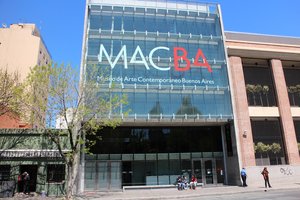 MACBA - Museum of Contemporary Art in Buenos Aires |
ბუენოს-აირესი | 2 | Painting, Center of the City |
 Museum of the Arts of the University of Guadalajara |
Guadalajara | 2 | Optical Parable, Quetzalcóatl |
 ბოკა რატონის ხელოვნების მუზეუმი |
Boca Raton | 1 | Retrato de lo Eterno [Portrait of the Eternal] |
 Gemäldegalerie |
ბერლინი | 1 | Coyoacan, Mexico, D.F |
შეარჩიეთ ათწლეული, რათა ნახოთ ის ორიგინალი ნამუშევარი, რომელიც მას განსაზღვრავს.
In this 1955 composition, Manuel Álvarez Bravo moves beyond the photographic lens to explore the tactile possibilities of abstract painting. The work is anchored by a saturated red background that dictates the visual energy of the piece. Across this crimson expanse, geometric shapes and rhythmic lines intersect, weaving together shades of orange, deep purple, and luminous yellow. The arrangement suggests an underlying architectural precision, where lighter hues bleed into darker…

The Sympathetic Nervous System (1929). შემდეგ მოდიან The Daughter of the Dancers (1933) და Salt Workers in Cuyutlán 3 (1938).
27 წლის: The Sympathetic Nervous System შექმნილია 1929 წელს, ხოლო Manuel Álvarez Bravo დაიბადა 1902 წელს.
The Sympathetic Nervous System, The Daughter of the Dancers, Salt Workers in Cuyutlán 3, The Good Reputation Sleeping, Painting, Recent Grave, Optical Parable, Retrato de lo Eterno [Portrait of the Eternal], Untitled და The Pinwheels. ზემოთ მოცემული რეიტინგი ასახავს თითოეულის შემოქმედების წელსა და მუზეუმს.
ჩვენს კატალოგში წარმოდგენილია 13 ნამუშწევრი Manuel Álvarez Bravo-ისგან, დათარიღებული 1929-დან 1975-მდე.
ძირითადად MACBA - Museum of Contemporary Art in Buenos Aires (ბუენოს-აირესი), Museum of the Arts of the University of Guadalajara (Guadalajara) და ბოკა რატონის ხელოვნების მუზეუმი (Boca Raton)-ში. ზემოთ მოცემულ მუზეუმების ცხრილში ისინი ყველა listed.
1930s-ში: ამ გვერდზე წარმოდგენილი 13 ნამუშწარwerksიდან 6 შეიქმნა მაშინ, მათგან The Daughter of the Dancers.
ამ გვერდზე ყველაზე ადრეული არის The Sympathetic Nervous System (1929), ხოლო ყველაზე გვიანდელი — Coyoacan, Mexico, D.F (1975).
Mexican art (2), Photography (2) და Abstract (2), ამ გვერდზე წარმოდგენილ 13 ნამუშწარეს შორის.
Painting, ამ გვერდზე არსებული 13 ნამუშწაროსგან 2 ცალიდან.
Surrealism, ამ გვერდზე წარმოდგენილი ორიგინალების მიხედვით.
Painting და Center of the City: MACBA - Museum of Contemporary Art in Buenos Aires, ბუენოს-აირესი-ში წარმოდგენილია ამ გვერდზე მოცემული ნამუშევრების 2 ცალი.
Manuel Álvarez Bravo stands as Mexico’s inaugural principal artistic photographer and remains the cornerstone of twentieth-century Latin American visual culture. Born in Mexico City on February 4, 1902, his creative journey began amidst a formative backdrop—the historic center of Mexico City nestled behind the cathedral, populated by former colonial buildings transformed into residences for the city’s burgeoning middle class. This environment instilled within him an early appreciation for observation and detail, mirroring the influence of his father, a teacher who pursued painting, photography, and writing, and his grandfather, a professional portrait maker. This lineage steeped in artistic tradition provided the fertile soil from which his unique vision would eventually grow.
From childhood, Bravo possessed an innate fascination with the camera, nurtured by witnessing his family’s dedication to visual arts. However, his path was not without hardship; he attended Patricio Sáenz boarding school until 1908 but was compelled to leave due to his father's untimely demise. Seeking employment beyond academia, he worked as a clerk at a French textile factory and later at the Mexican treasury department, supplementing his income with evening studies in accounting before pivoting towards artistic pursuits at the Academy of San Carlos. This multifaceted experience shaped his worldview and informed his photographic approach—a blend of practicality and intellectual curiosity that would define his career.
Bravo’s artistic breakthrough arrived during the turbulent years following the Mexican Revolution (1910–1920). The pervasive atmosphere of upheaval profoundly impacted him, exposing him to scenes of violence and loss as a young boy—experiences that would later permeate his photographic vision. Rejecting conventional picturesque aesthetics, Bravo deliberately avoided stereotyping, prioritizing subtlety and nuance in his compositions. He eschewed grand narratives, instead focusing on capturing the quiet moments of daily life through a lens that found the extraordinary within the ordinary.
While he took art classes at the Academia Nacional de Bellas Artes, much of his photography was self-taught, driven by an internal compulsion to document the shifting Mexican identity. His early work was rooted in European influences, but he soon became deeply moved by the Mexican muralism movement and the general cultural and political push to redefine the nation's soul. This evolution led him to a hallmark style: capturing images of the mundane in ironic or Surrealistic ways. He mastered the ability to find poetic tension in a street corner, a shadow, or a weathered object, creating a visual language that was simultaneously documentary and dreamlike.
The significance of Manuel Álvarez Bravo extends far beyond the borders of Mexico. His work, characterized by its ability to blend surrealist elements with stark realism, has earned him a permanent place in the global art canon. Throughout his career, which spanned from the late 1920s to the 1990s, he achieved numerous accolades, particularly after 1970, and his contributions were recognized by the inclusion of his work on UNESCO's Memory of the World International Register in 2017.
His impact can be summarized through several key artistic pillars:
Through works such as The Good Reputation Sleeping and The Daughter of the Dancers, Bravo invited the world to see Mexico not through a lens of exoticism, but through a lens of profound, quiet dignity. He remains an enduring icon, a photographer who taught us that the most profound truths are often hidden in plain sight, waiting for a sensitive eye to reveal them.


