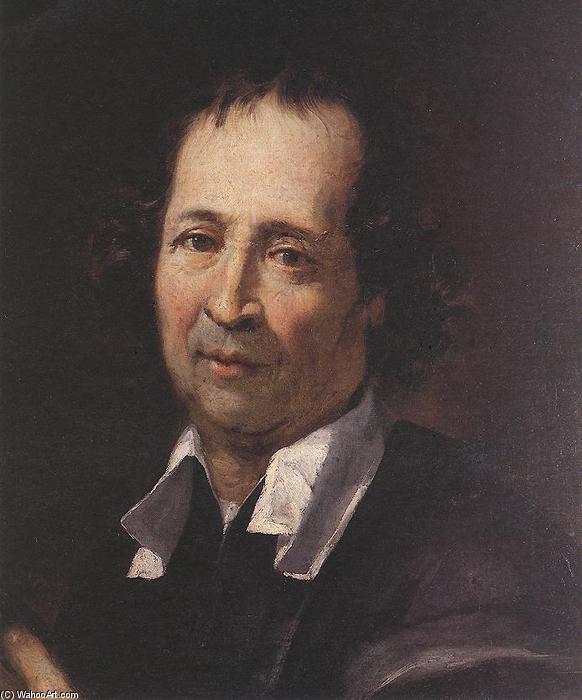
ピエール・プジェの肖像画

ギャラリー厳選、ピエール・プジェによる最も有名な70の絵画

10月 2026 更新 · 当サイトの人気スコア(各作品の検索数、閲覧数、注文数)に基づくランキング · 77点の ピエール・プジェの作品がカタログにあります

要約すると

ピエール・プジェが遺したオリジナル作品の中で最も有名なものは、パリのルーブル美術館に収蔵されているThe Meeting of Alexander the Great and Diogenes (1671)です。 それに次いで、Milo of Croton (1671)とThe Meeting of Alexander the Great and Diogenes (1671)が続きます。 ピエール・プジェによる77点の作品をカタログに掲載しています。当ギャラリーでは、世界が称賛する70点を選定し、制作年、所蔵美術館、そしてその背景にある物語とともにご紹介しています。

1620 – 1694, マルセイユ Baroque 最多収蔵館: ルーブル美術館

ピエール・プジェの代表作10選:ギャラリー厳選の作品集

1
The Meeting of Alexander the Great and Diogenes (1671) による ピエール・プジェ

The Meeting of Alexander the Great and Diogenes

1671 · Marble · ルーブル美術館, パリ

In the hallowed halls of art history, few encounters possess the dramatic tension found in Pierre Puget’s 1671 masterpiece, The Meeting of Alexander the Great and Diogenes. This monumental sculpture is far more than a mere historical reconstruction; it is a breathtaking theatrical performance frozen in marble. At its heart lies a profound confrontation between two opposing worlds: the boundless, imperial ambition of Alexander the Great and the radical, ascetic…

2
Milo of Croton (1671) による ピエール・プジェ

Milo of Croton

1671 · Marble · ルーブル美術館, パリ

In the hallowed halls of the Louvre Museum, one figure commands the space with a visceral, breathtaking intensity that transcends the cold stillness of marble. Pierre Puget’s Milo of Croton is not merely a sculpture; it is a profound psychological drama frozen in time. Completed between 1671 and 1682, this monumental work serves as a cornerstone of the Baroque era, capturing a moment where physical prowess meets unbearable suffering. The…

3
The Meeting of Alexander the Great and Diogenes (1671) による ピエール・プジェ

The Meeting of Alexander the Great and Diogenes

1671 · Sculpture · ルーブル美術館, パリ

In the hallowed halls of the Musée du Louvre, there exists a moment frozen in time, a theatrical confrontation that transcends the boundaries of mere sculpture to become a profound meditation on human existence. Pierre Puget’s 1671 masterpiece, The Meeting of Alexander the Great and Diogenes, is not simply a depiction of two historical figures; it is a breathtaking performance captured in alabaster. The work brings us face-to-face with the…

4
Self-portrait (1668) による ピエール・プジェ

Self-portrait

1668 · Oil On Canvas · グラン・ミュージアム, エクス=アン=プロヴァンス

The oil on canvas titled Self-portrait is a work by the artist Pierre Puget. Created in 1668, this portrait captures the artist in a moment of quiet observation. The medium of oil allows for a specific depth, anchoring the figure within the frame of the 47 x 38 cm surface.

5
View on the Sea (1670) による ピエール・プジェ

View on the Sea

1670 · Acrylic On Canvas · ルーブル美術館, パリ

Pierre Puget's "View on the Sea," created around 1670, isn’t merely a depiction of three ships navigating a hazy horizon; it’s a meticulously crafted tableau brimming with Baroque drama and an intimate understanding of human scale. Born in Marseille during a period of intense maritime activity, Puget’s life was inextricably linked to the sea – initially as a craftsman shaping the hulls of galleys, later as a celebrated sculptor, architect,…

6
ブスト オブ ユング オーガスト による ピエール・プジェ

ブスト オブ ユング オーガスト

大理石 · Museo di Sant'Agostino, ジェノヴァ

ピエール・プジェの「若いオーガスト像」について フランスのバロック芸術家、ピエール・プジェが制作した「若いオーガスト像」(約1689年)は、イタリアのサンタアゴスティノ美術館に収蔵されている傑作です。この彫刻は、ローマで活躍した彼の代表的な作品であり、その洗練された技術と表現力は見る者を魅了します。プジェは、イタリアでの芸術修行を経て、ローマでピエトロ・ダ・コルトーナの指導を受け、バロック様式の壮麗さを体験しました。この経験が彼の芸術に大きな影響を与え、特に人間性の美しさを追求する姿勢を確立させました。 主題: この彫刻は、ローマ皇帝オーガストの子である若い男性を描いています。彼は理想的な美しさを持つ人物として表現されており、バロック様式の特徴であるダイナミズムと感情豊かな表現が用いられています。 スタイル: プジェの作品は、バロック様式の中でも特に「ロマン主義」と呼ばれる傾向があります。これは、古典的な理想を追求するだけでなく、人間の感情や精神性を重視する芸術運動です。「若いオーガスト像」は、このロマン主義の影響を受け、繊細な表情と豊かな質感で見る人の心を捉えます。 技術: プジェは、イタリアで洗練された彫刻技法を習得しました。彼は主に白いイタリア産マールブーを使用し、その表面を滑らかに磨き上げました。この技術は、彫刻作品の美しさを最大限に引き出すためのものであり、「若いオーガスト像」の質感と光沢は見る人に感動を与えます。 歴史的背景: プジェの活動時期は、バロック芸術が盛期を迎える頃でした。この時代には、宗教的な熱情と権威主義が色濃く反映された芸術作品が多く制作されました。「若いオーガスト像」は、当時のバロック様式の影響を受けながらも、プジェ独自の表現力で新たな美しさを創造しました。 象徴性と感情: この彫刻は、人間の精神性を表現する上で重要な役割を果たしています。特に顔の表情は、平静と尊厳を表しており、見る人に感動と共感を引き起こします。「若いオーガスト像」は、プジェが追求した人間性の美しさを体現しており、その静謐な雰囲気は現代の人々にも深い感動を与えます。 この彫刻は、バロック芸術の頂点として高く評価されています。その美しいフォルムと繊細な表現力は、美術愛好家やコレクターだけでなく、インテリアデザイナーにとっても魅力的な選択肢となります。高品質な複製を通して、「若いオーガスト像」の美しさを日常に持ち帰り、豊かな感性を刺激することができます。

7
Hercules Standing (1660) による ピエール・プジェ

Hercules Standing

1660 · Terracotta · ベルリン国立博物館群, ベルリン

In Hercules Standing, Pierre Puget presents the legendary hero of Greek mythology through a lens of physical power and controlled movement. Created about 1660, the sculpture focuses on the attributes for which the figure is most recognized: immense strength and prowess. Rather than a static representation, the subject is captured in a dynamic contrapposto pose, where the weight shifts onto one leg while the other remains relaxed, creating a sense…

8
David Gazing at Goliath's Head (1671) による ピエール・プジェ

David Gazing at Goliath's Head

1671 · Oil · Musée de la civilisation, Quebec City

In this Baroque oil painting from 1671, a youthful, muscular man sits on the left side of the composition. He is draped in heavy blue fabric that falls in deep folds across his lap, where a layer of fur provides a textural contrast to his skin. His body is positioned in a way that emphasizes anatomical detail, particularly in the torso and limbs. To his right, resting upon a rough…

9
Great Vessel of War (1670) による ピエール・プジェ

Great Vessel of War

1670 · Ink On Paper · Musée Bonnat, Bayonne

The Great Vessel of War emerges from the shadows of history, a detailed illustration that captures a massive 17th-century warship amidst the churning sea. Created by Pierre Puget in 1670, this work presents a moment of maritime power and intricate naval architecture. The ship dominates the view, its complex rigging and heavy wooden hull rendered with a precision that brings the vessel to life. It exists as a silent witness…

10
Two Vessels under Sail (1674) による ピエール・プジェ

Two Vessels under Sail

1674 · Ink On Paper · Musée Bonnat, Bayonne

A monochrome study of maritime movement, this work captures two sailing vessels navigating a choppy sea. The composition is oriented horizontally, emphasizing the length of the hulls as they cut through the water. A primary ship dominates the central foreground, its rigging and sails rendered with meticulous detail, while a second vessel trails behind to the left. In the lower right corner, a smaller boat with figures provides a sense…

ピエール・プジェのセレクションが続きます、11から70まで

11Perseus and Andromeda (1678) による ピエール・プジェPerseus and Andromeda1678 · ルーブル美術館 12Christ Dying on the Cross による ピエール・プジェChrist Dying on the Crossルーブル美術館 13La Ravissement d による ピエール・プジェLa Ravissement dデトロイト美術館 14Door of the Hôtel de Ville at Toulon (1656) による ピエール・プジェDoor of the Hôtel de Ville at Toulon1656 · Musée Navale 15Ship at Marseille (1651) による ピエール・プジェShip at Marseille1651 · マルセイユ美術館 16Portrait of the Artist's Mother (1651) による ピエール・プジェPortrait of the Artist's Mother1651 · Private collection 17The Visitation (1659) による ピエール・プジェThe Visitation1659 · グラン・ミュージアム 18The Holy Family at the Palm-tree (1662) による ピエール・プジェThe Holy Family at the Palm-tree1662 · Private collection 19Navigation before a Promontory (1680) による ピエール・プジェNavigation before a Promontory1680 · ルーアン美術館 20Perseus and Andromeda (1678) による ピエール・プジェPerseus and Andromeda1678 · ルーブル美術館 21The Stoning of St Peter (1654) による ピエール・プジェThe Stoning of St Peter1654 · マルセイユ美術館 22The Education of Achilles by Chiron (1690) による ピエール・プジェThe Education of Achilles by Chiron1690 · マルセイユ美術館 23St Sebastian による ピエール・プジェSt Sebastian 24Homer による ピエール・プジェHomer 25Blessed Alessandro Sauli による ピエール・プジェBlessed Alessandro Sauli 26Self portrait Marble による ピエール・プジェSelf portrait Marble 27Philosopher による ピエール・プジェPhilosopherバイエルン州立絵画コレクション 28Immaculate Conception による ピエール・プジェImmaculate Conception 29Milon de Crotone detail による ピエール・プジェMilon de Crotone detail 30The Rape of Helen of Troy による ピエール・プジェThe Rape of Helen of Troy 31Atlas from the door of the Hôtel de Ville at Toulon による ピエール・プジェAtlas from the door of the Hôtel de Ville at Toulon 32View of the harbor of Toulon による ピエール・プジェView of the harbor of Toulon 33Virgin of the Immaculate Conception による ピエール・プジェVirgin of the Immaculate Conception 34Milo of Croton (detail) による ピエール・プジェMilo of Croton (detail) 35Assumption of the Virgin による ピエール・プジェAssumption of the Virgin 36Design for the decoration of a Warship による ピエール・プジェDesign for the decoration of a Warship 37Louis XIV による ピエール・プジェLouis XIV 38Hercules at Rest (detail) による ピエール・プジェHercules at Rest (detail) 39Le baptême de Clovis による ピエール・プジェLe baptême de Clovis 40LE BAPTEME DE CONSTANTIN による ピエール・プジェLE BAPTEME DE CONSTANTIN 41LE SOMMEIL DE L'ENFANT JESUS による ピエール・プジェLE SOMMEIL DE L'ENFANT JESUS 42LA VIERGE APPRENANT A LIRE A L'ENFANT JESUS による ピエール・プジェLA VIERGE APPRENANT A LIRE A L'ENFANT JESUS 43Milo of Croton による ピエール・プジェMilo of Croton 44View of a port with a facade and a trophy of arms による ピエール・プジェView of a port with a facade and a trophy of arms 45Galley and two ships sailing on による ピエール・プジェGalley and two ships sailing on 46Cannon fire at the port of Antibes による ピエール・プジェCannon fire at the port of Antibes 47A Frigate at Sea による ピエール・プジェA Frigate at SeaHet Scheepvaartmuseum 48Design for a Tabernacle による ピエール・プジェDesign for a Tabernacle 49Hercules at Rest (1661) による ピエール・プジェHercules at Rest1661 · ルーブル美術館 50Mediterranean Port with Men o' War による ピエール・プジェMediterranean Port with Men o' WarGovernment Art Collection 51Arm による ピエール・プジェArm 52Virgin and Child による ピエール・プジェVirgin and Child 53Vessel Firing a Salvo による ピエール・プジェVessel Firing a Salvo 54Sea view による ピエール・プジェSea view 55Alessandro Sauli による ピエール・プジェAlessandro Sauli 56A big storm on the sea による ピエール・プジェA big storm on the sea 57The Sacrifice of Noah による ピエール・プジェThe Sacrifice of Noah 58St Peter Holding the Key of the Paradise による ピエール・プジェSt Peter Holding the Key of the Paradise 59The faun terracotta による ピエール・プジェThe faun terracotta 60Hercules at Rest による ピエール・プジェHercules at Rest 61Three vessels with the brands of their dignity による ピエール・プジェThree vessels with the brands of their dignity 62The Faun (detail) による ピエール・プジェThe Faun (detail)マルセイユ美術館 63Door of the Hôtel de Ville at Toulon による ピエール・プジェDoor of the Hôtel de Ville at Toulon 64Salvator Mundi による ピエール・プジェSalvator Mundi 65The Visitation (detail) による ピエール・プジェThe Visitation (detail) 66The Faun による ピエール・プジェThe Faunマルセイユ美術館 67Self-portrait in Old Age による ピエール・プジェSelf-portrait in Old Age 68Study of a Horse による ピエール・プジェStudy of a Horseマルセイユ美術館 69Virgin Giving the Scapular to St Simon Stock による ピエール・プジェVirgin Giving the Scapular to St Simon Stockマルセイユ美術館 70Bust of Marcus Aurelius による ピエール・プジェBust of Marcus AureliusMuseo di Sant'Agostino

ピエール・プジェの代表作、時代別一覧

ピエール・プジェが心を惹かれた主題

これらのオリジナル作品に繰り返し描かれている4つの主題と、それぞれの最高傑作。

ピエール・プジェの原画を所蔵する美術館

このページに掲載されている絵画を最も多く所蔵している 8 の美術館

美術館 都市 ピエール・プジェの作品 このリストの絵画
ルーブル美術館, パリルーブル美術館 パリ 8 The Meeting of Alexander the Great and Diogenes, Milo of Croton, The Meeting of Alexander the Great and Diogenes
マルセイユ美術館, マルセイユマルセイユ美術館 マルセイユ 7 Ship at Marseille, The Stoning of St Peter, The Education of Achilles by Chiron
グラン・ミュージアム, エクス=アン=プロヴァンスグラン・ミュージアム エクス=アン=プロヴァンス 2 Self-portrait, The Visitation
Museo di Sant'Agostino, ジェノヴァMuseo di Sant'Agostino ジェノヴァ 2 ブスト オブ ユング オーガスト, Bust of Marcus Aurelius
Musée Bonnat, BayonneMusée Bonnat Bayonne 2 Great Vessel of War, Two Vessels under Sail
ベルリン国立博物館群, ベルリンベルリン国立博物館群 ベルリン 1 Hercules Standing
Musée de la civilisation, Quebec CityMusée de la civilisation Quebec City 1 David Gazing at Goliath's Head
デトロイト美術館, デトロイトデトロイト美術館 デトロイト 1 La Ravissement d

ピエール・プジェの年代別名作:各時代を象徴するオリジナル作品

年代別作品数

その時代を象徴する名作を見るために、年代を選択してください。

ピエール・プジェの絵画に関するコレクターからの質問

ピエール・プジェの代表作は何ですか?答えを見る

The Meeting of Alexander the Great and Diogenes (1671)(ルーブル美術館, パリ)。次いでMilo of Croton (1671)、The Meeting of Alexander the Great and Diogenes (1671)が続きます。

The Meeting of Alexander the Great and Diogenesが制作されたとき、ピエール・プジェは何歳でしたか?答えを見る

51歳:The Meeting of Alexander the Great and Diogenesは1671年の作品で、ピエール・プジェの生年は1620年です。

ピエール・プジェの最も有名な10作品とは?答えを見る

The Meeting of Alexander the Great and Diogenes, Milo of Croton, The Meeting of Alexander the Great and Diogenes, Self-portrait, View on the Sea, ブスト オブ ユング オーガスト, Hercules Standing, David Gazing at Goliath's Head, Great Vessel of War と Two Vessels under Sail。上記のランキングには、それぞれの制作年と所蔵美術館が記載されています。

ピエール・プジェが遺した作品数は?答えを見る

当カタログには、1651年から1690年にかけて制作されたピエール・プジェによる77点の作品が収められています。

ピエール・プジェの名作は、どの美術館に収蔵されていますか?答えを見る

主にルーブル美術館 (パリ), マルセイユ美術館 (マルセイユ) と グラン・ミュージアム (エクス=アン=プロヴァンス)に所蔵されています。上記の美術館一覧にすべて記載されています。

ピエール・プジェが最も有名な作品を多く描いたのは何年ですか?答えを見る

1670s年:このページにある全70作品のうち、9作品がその時期に制作されました。そのうちThe Meeting of Alexander the Great and Diogenes作品が含まれます。

ピエール・プジェによる最初と最後の代表的なオリジナル作品は何ですか?答えを見る

このページでは、最も古い作品はShip at Marseille (1651)、最新の作品はThe Education of Achilles by Chiron (1690)です。

ピエール・プジェ が最も多く描いた主題は何ですか?答えを見る

このページに掲載されている70点の作品におけるSculpture (7), Mythology (5) と Classical art (4)

ピエール・プジェ が最も多く使用した技法は何ですか?答えを見る

このページに掲載されている全70作品のうち、5作品のMarble

ピエール・プジェはどの芸術運動に属していますか?答えを見る

このページに掲載されているオリジナル作品から判断すると、Baroqueです。

ルーブル美術館にはどのピエール・プジェの作品が展示されていますか?答えを見る

The Meeting of Alexander the Great and Diogenes, Milo of Croton と The Meeting of Alexander the Great and Diogenes:ルーブル美術館, パリには、このページに掲載されている作品のうち8点が所蔵されています。

ピエール・プジェ:生涯と作品

ピエール・ピュジェ:芸術と工学が交差する生涯

  • 生年: フランス、マルセイユ(1620年)
  • 没年: 1694年

幼少期とイタリアでの薫陶

  • 徒弟修行: ピュジェのキャリアは14歳から始まりました。マルセイユで建造されるガレー船の装飾を彫り上げたこの経験が、後の芸術的探求の揺るぎない礎となったのです。
  • イタリアへの旅(1640年): さらなる研鑽を求め、彼はイタリアへと渡ります。リヴォルノを経てフィレンツェに至る旅の中で、木彫家および画家としての技量を磨き上げました。
  • 十分な経験を積んだ彼にとって、ローマでの出会いは決定的な転換点となりました。ピエトロ・ダ・コルトーナの庇護を受けたことで、彼はバローニ宮殿やピッティ宮殿の壮麗な天井画制作に携わり、ローマ・バロック芸術が持つダイナミズムと威厳をその身に吸収していったのです。
  • マルセイユへの帰還(1643年): イタリアでの3年間を経て、彼はイタリアの巨匠たちによって形作られた洗練された芸術的感性を携え、故郷マルセイユへと戻りました。

主要作品と芸術的発展

  • 初期の依頼: 帰国後のピュジェは、絵画や祭壇画の制作依頼を受け始めます。その作風には、アンニバレ・カラッチやルーベンスの影響を受けた進化の跡が見て取れます。
  • 彫刻への飛躍: 彼は次第に彫刻へと情熱を傾けていきました。フランス軍艦の船尾を飾るメダリオン制作などの仕事を通じ、形態と細部に対する卓越した支配力を示していったのです。
  • ヴォー・ル・ヴィコントヌ(1660年代): ニコラ・フーケの依頼により、ヴォー・ル・ヴィコントヌ城のために「ヘラクレス」像を彫り上げたことは、彼のキャリアにおける重要な節目であり、権力者たちからの厚い信頼を象徴する出来事でした。
  • ジェノヴァ時代: フーケの失脚後、ピュジェはジェノヴァへと移ります。そこで彼は、ルーヴル美術館に収蔵されている「ガリアのヘラクレス」や、サンタ・マリア・ディ・カリニャーノ教会などの宗教建築のための彫刻といった、名作を次々と生み出しました。
  • ヴェルサイユでの依頼: コルベールによってフランスへと呼び戻されたピュジェは、ヴェルサイユ宮殿の制作に従事します。なかでも「クロトンのミロ」や「ペルセウスとアンドロメダ」といった傑作群は、劇的な緊張感と表現豊かな写実主義を体現しています。

様式と影響

  • バロックのドラマ: ピュジェの様式は、動き、感情、そして演劇性を強調するバロックの伝統に深く根ざしています。
  • 古典へのインスピレーション: バロック特有のダイナミズムを追求しながらも、その作品には古典的な形態や理想に対する深い敬愛が込められています。
  • ミケランジェロとベルニーニ: 彼の彫刻には、ミケランジェロの力強い人体表現と、ベルニーニの躍動感あふれる構成の両面における影響が色濃く反映されています。
  • 独自の表現: こうした先人たちの影響を受けつつも、ピュジェは生々しいエネルギーと感情の激しさを湛えた独自のスタイルを確立しました。それが、彼を他の型にはまったバロック芸術家たちから際立たせているのです。

遺産と歴史的意義

  • 芸術と工学の融合: 芸術的才能と工学的スキルをこれほど見事に融合させた術は、彼にしか成し得なかった稀有なものです。造船建築や要塞建設における彼の仕事は、芸術的達成の傍らに、実用的な創意工夫が存在していたことを物語っています。
  • 苦悩する天才: テオフィル・ゴーティエが彼を「囚人たちの憂鬱な皇帝」と評した言葉は、彼の創造プロセスに内在していた激しさと、おそらくは拭い去ることのできない葛藤を象徴しています。
  • 永続的な影響: 「クロトンのミロ」や「ペルセウスとアンドロメダ」といった彫刻は、今なおフランス・バロック彫刻の象徴として語り継がれ、その表現力と技術的完成度は世界中の人々を魅了し続けています。
  • 現代における評価: 彼の作品はルーヴル美術館やマルセイユ美術館をはじめ、世界中の美術館で大切に展示されており、美術史における重要な人物としての地位を不動のものとしています。