Baroque
Self portrait Marble (ピエール・プジェ)
ピエール・プジェ (1620–1694)による作品『Self portrait Marble』 Baroque運動に属しています。 Stoneで制作されています。
- Stone

 手描き油彩画
 シェアする
 シェアする
 解説シート


 ダウンロード
 似ている作品
 スライドショーを表示
 Q&A

 統計情報
Self portrait Marbleの概要
- 作品名
- Self portrait Marble
- 作家
- ピエール・プジェ (1620–1694)
- 作家の生年
- マルセイユ, フランス
- 技法
- Stone
- 様式
- Baroque
- 制作年代
- Early Modern
- 主題
- portrait, sculpture, elderly, marble, baroque, classicism
Self portrait Marbleには何が描かれていますか?
Identification of the Self portrait Marble
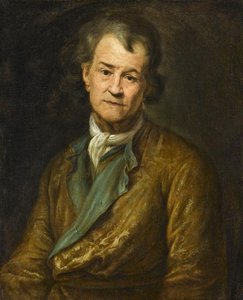
The Self portrait Marble by Pierre Puget presents a quiet confrontation with the passage of time. This work is a photographic reproduction of a sculpted portrait, capturing the likeness of an older man in the stillness of stone. The subject is a bust, focusing on the head and shoulders to anchor the viewer in a singular, unmoving gaze.
In this representation, the artist Pierre Puget turns the chisel toward his own changing features. The sculpture acts as a vessel for human aging and experience, recording the weight of years through the physical presence of the subject. It is a portrait of a man, stripped of movement, existing only in the permanence of his own likeness.
The image holds a steady, frontal view. It captures a moment of stillness that feels heavy and fixed. The stone carries the memory of the face it once held.
Visual Composition and Subject Matter
The composition centers on the head and shoulders of an elderly man, captured in a black and white bust. A simple frontal view meets the eye, stripped of unnecessary distraction. The perspective remains direct, focusing entirely on the subject's presence. Because of the photographic nature of the image, the depth remains limited, pulling the viewer into a shallow space where only the immediate form exists.
Lines define the topography of the face, tracing the paths of wrinkles and the individual strands of hair. These contours map the history of a life through the texture of the skin. Organic shapes dominate the work, following the natural, soft curves of the human head and its features. The light settles into the hollows, emphasizing the physical reality of the subject.
A shallow depth of field isolates the man, blurring the world beyond his immediate silhouette. This focus sharpens the details of the face, making the texture of the sculpture feel tangible. The subject remains still, a quiet study of aging and the weight of experience. The stone holds a steady, silent gaze.
Technique and Material Properties
The original work is a classical sculpture carved from stone, likely marble. This heavy, pale medium captures the weight of the subject's features. The surface is not smooth; instead, the texture appears rough and uneven. Shading and modeling techniques emphasize this tactile quality, pulling light across the ridges of the face and the deep recesses of the hair. Every line is a physical groove in the stone.
This image is a photographic reproduction of that sculpted form. The lens translates the three-dimensional carving into a two-dimensional plane of light and shadow. The technique relies on the interplay of dark and light to define the contours of the head and shoulders. It is a study of how light meets a hard, unyielding surface. The result is a sense of solemnity. The stone holds its stillness.
Self portrait Marbleの高解像度画像
ピエール・プジェ, Self portrait Marble. パブリックドメイン
Self portrait Marbleに関するよくあるご質問
ピエール・プジェ作「Self portrait Marble」 の技法(画材)は何ですか?
ピエール・プジェ作「Self portrait Marble」の技法はStoneです。複製画は、この技法の質感や風合いを再現することを目指しています。
「Self portrait Marble」はどのような内容の作品ですか?
「Self portrait Marble」に描かれている主題はportrait, sculpture, elderly, marble, baroque, classicism, time, memoryです。
「Self portrait Marble」はパブリックドメインですか?
ピエール・プジェ作「Self portrait Marble」 の著作権について:本作品はパブリックドメイン(著作権消滅)です。これにより、画像の複製が自由に行えるかどうかが決まります。
「Self portrait Marble」の作者は誰ですか?
「Self portrait Marble」の作者はピエール・プジェとされています。
ピエール・プジェ作「Self portrait Marble」は、どの芸術運動に属していますか?
ピエール・プジェ作「Self portrait Marble」に関連する芸術運動はBaroqueです。この分類により、本作は関連する他の芸術家や作品群の中に位置づけられます。
「Self portrait Marble」は、ピエール・プジェのキャリアにおけるどの時期の作品でしょうか?
ピエール・プジェの画業において、「Self portrait Marble」はMature Periodに制作されたものです。この時期の作品を知ることで、同アーティストの他の作品との比較検討が可能になります。
ピエール・プジェ作「Self portrait Marble」 の著作権状況の根拠を教えてください。
ピエール・プジェ作「Self portrait Marble」はパブリックドメイン(著作権消滅)です。著作権の保護期間は、1694年に亡くなった作家の没年から起算されます。
「Self portrait Marble」には、ピエール・プジェの他の作品群とどのような共通点が見られますか?
「Self portrait Marble」はピエール・プジェによるBaroqueの作品であり、その描かれたテーマにはclassical ideals, roman influence, baroque drama, emotional depth, portraiture tradition, realism, ageing, mortalityが含まれます。
「Self portrait Marble」の主題は、ピエール・プジェが普段扱うテーマとどのように関連していますか?
「Self portrait Marble」はportrait, sculpture, elderly, marble, baroque, classicism, time, memoryを描いていますが、ピエール・プジェのこれまでの主要なテーマはclassical ideals, roman influence, baroque drama, emotional depth, portraiture tradition, realism, ageing, mortalityです。この二つを比較することで、本作が作家の恒常的な主題とどのように結びついているかが浮き彫りになります。
アーティスト ピエール・プジェ について
1620–1694, フランス
ピエール・プジェ
ピエール・ピュジェ:芸術と工学が交差する生涯 生年: フランス、マルセイユ(1620年) 没年: 1694年 幼少期とイタリアでの薫陶 徒弟修行: ピュジェのキャリアは14歳から始まりました。マルセイユで建造されるガレー船の装飾を彫り上げたこの経験が、後の芸術的探求の揺るぎない礎となったのです。 イタリアへの旅(1640年): さらなる研鑽を求め、彼はイタリアへと渡ります。リヴォルノを経てフィレンツェに至る旅の中で、木彫家および画家としての技量を磨き上げました。 十分な経験を積んだ彼にとって、ローマでの出会いは決定的な転換点となりました。ピエトロ・ダ・コルトーナの庇護を受けたことで、彼はバローニ宮殿やピッティ宮殿の壮麗な天井画制作に携わり、ローマ・バロック芸術が持つダイナミズムと威厳をその身に吸収していったのです。 マルセイユへの帰還(1643年): イタリアでの3年間を経て、彼はイタリアの巨匠たちによって形作られた洗練された芸術的感性を携え、故郷マルセイユへと戻りました。 主要作品と芸術的発展 初期の依頼: 帰国後のピュジェは、絵画や祭壇画の制作依頼を受け始めます。その作風には、アンニバレ・カラッチやルーベンスの影響を受けた進化の跡が見て取れます。 彫刻への飛躍: 彼は次第に彫刻へと情熱を傾けていきました。フランス軍艦の船尾を飾るメダリオン制作などの仕事を通じ、形態と細部に対する卓越した支配力を示していったのです。 ヴォー・ル・ヴィコントヌ(1660年代): ニコラ・フーケの依頼により、ヴォー・ル・ヴィコントヌ城のために「ヘラクレス」像を彫り上げたことは、彼のキャリアにおける重要な節目であり、権力者たちからの厚い信頼を象徴する出来事でした。 ジェノヴァ時代: フーケの失脚後、ピュジェはジェノヴァへと移ります。そこで彼は、ルーヴル美術館に収蔵されている「ガリアのヘラクレス」や、サンタ・マリア・ディ・カリニャーノ教会などの宗教建築のための彫刻といった、名作を次々と生み出しました。 ヴェルサイユでの依頼: コルベールによってフランスへと呼び戻されたピュジェは、ヴェルサイユ宮殿の制作に従事します。なかでも「クロトンのミロ」や「ペルセウスとアンドロメダ」といった傑作群は、劇的な緊張感と表現豊かな写実主義を体現しています。 様式と影響 バロックのドラマ: ピュジェの様式は、動き、感情、そして演劇性を強調するバロックの伝統に深く根ざしています。 古典へのインスピレーション: バロック特有のダイナミズムを追求しながらも、その作品には古典的な形態や理想に対する深い敬愛が込められています。 ミケランジェロとベルニーニ: 彼の彫刻には、ミケランジェロの力強い人体表現と、ベルニーニの躍動感あふれる構成の両面における影響が色濃く反映されています。 独自の表現: こうした先人たちの影響を受けつつも、ピュジェは生々しいエネルギーと感情の激しさを湛えた独自のスタイルを確立しました。それが、彼を他の型にはまったバロック芸術家たちから際立たせているのです。 遺産と歴史的意義 芸術と工学の融合: 芸術的才能と工学的スキルをこれほど見事に融合させた術は、彼にしか成し得なかった稀有なものです。造船建築や要塞建設における彼の仕事は、芸術的達成の傍らに、実用的な創意工夫が存在していたことを物語っています。 苦悩する天才: テオフィル・ゴーティエが彼を「囚人たちの憂鬱な皇帝」と評した言葉は、彼の創造プロセスに内在していた激しさと、おそらくは拭い去ることのできない葛藤を象徴しています。 永続的な影響: 「クロトンのミロ」や「ペルセウスとアンドロメダ」といった彫刻は、今なおフランス・バロック彫刻の象徴として語り継がれ、その表現力と技術的完成度は世界中の人々を魅了し続けています。 現代における評価: 彼の作品はルーヴル美術館やマルセイユ美術館をはじめ、世界中の美術館で大切に展示されており、美術史における重要な人物としての地位を不動のものとしています。
ピエール・プジェのその他の作品
 アレクサンドロス大王とディオゲネスの邂逅1671
 クロトンのミロ1671
 The Meeting of Alexander the Great and Diogenes1671
 Self-portrait1668
Self portrait Marbleをめぐるエッセイ
 Eternal Stone: The History, Artistry, and Mastery of Marble SculptureExplore the profound history and technical mastery of marble sculpture. From Ancient Greek perfection to Baroque drama, discover how master…
 Masterpieces of Hans Baldung Grien: The Top 25 Essential ArtworksExplore 25 iconic works by Hans Baldung Grien. Discover German Renaissance masterpieces on OriginalUniqueArt.com.
 Pierre Puget: 25 Dynamic Sculptures and Paintings of the French Baroque EraExplore 25 iconic Pierre Puget works from the French Baroque. Discover museum-quality art and curated ideas on OriginalUniqueArt.com.