- ホーム

- 油絵の複製画
- zdzisław stanek
- Paintingform
 Preview
 プリントを購入
 シェアする
シェアする シェアする
シェアする
 詳細を見る
詳細を見る

 ダウンロード
 似ている作品
 X線調査
X線調査 スライドショー
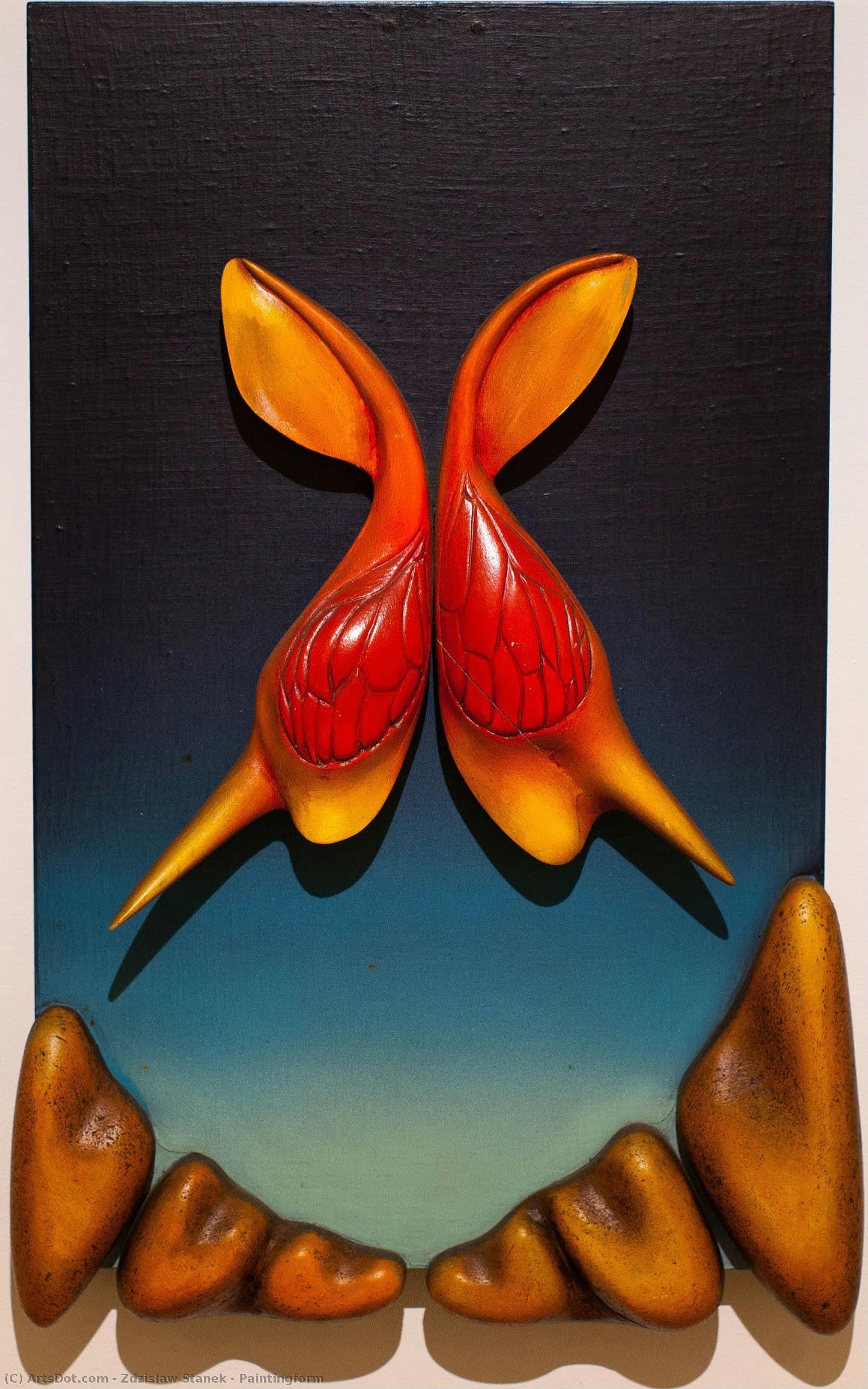
Paintingform
 Painting
- Geometric Abstraction
 1977
1977- Modern
 3.0 x 11.0 cm
 The Museum of Katowice History
 詳細を見る
詳細を見る




P118B $10

P118H $10

P118W $10

P438Z $10

P508JH $12

P508YH $12

P805H $10

P805Z $10

P919BZ $10

P919G $10

P919XJ $10

P959ZH $10

P968JZ $12

W106C $8

W218G $10

W218JH $8

W218Y $10

W307PJ $10

W316G $10

W316PJ $8

W316Y $10

W398PJ $8

W4111J $10

W500HY $15

W500JH $15

W692G $12

W849H $8

W940BG $15

W953PJ $8




作品のオリジナル比率に合わせた、当店の規定サイズからお選びください。

特定のフレームやスペースに合わせて、ご希望のサイズをご入力いただけます。選択されたサイズが元の画像の比率と異なる場合、アートワークをトリミングするか、手描きで要素を追加して絵画を拡張いたします。デジタルモックアップ を制作し、制作開始前にご確認(承認)をいただきます。
画面上のプレビューは、実際のトリミングや拡張を正確に反映しているものではありません。最終的な構図は、モックアップによってのみ正確にご確認いただけます。
カスタムサイズもご利用いただけますが、元の比率を維持するためには、あらかじめ用意されたリストからサイズを選択することをお勧めいたします。
ご注文後、OriginalUniqueArt.com チームより詳細な指示をお送りするとともに、仕上がりイメージ(モックアップ)をご提供いたします。


 ガラスオプションは、110cm未満のサイズでのみご利用いただけます。

Paintingform
複製技法
複製画のサイズ
-


合計金額
-
作品解説
A Symphony of Color and Form
In the quiet, evocative realm of mid-century Polish abstraction, Zdzisław Stanek’s Paintingform emerges as a profound meditation on the interplay between light and organic vitality. Created in 1977, this piece serves as a captivating window into an era where geometric precision met the soulful unpredictability of nature. At first glance, the viewer is struck by the striking contrast of two vibrant red flowers, positioned with delicate intention in the heart of the composition. Their long, slender stems reach upward, anchoring the visual weight against a deep, celestial blue background that seems to recede into an infinite, nocturnal space. This deliberate use of color creates a rhythmic tension, where the warmth of the crimson petals pushes forward, demanding attention, while the cool azure depths provide a serene, stabilizing atmosphere.
The technique employed in this work reflects Stanek’s deep-seated fascination with the theoretical legacies of Władysław Strzemiński. Rather than mere decoration, the painting functions as an exploration of light as a transformative force. The way the red pigment interacts with the dark blue field suggests a luminous quality, as if the flowers themselves are emitting a soft, internal glow. This mastery of tonal balance ensures that the composition remains dynamic; the black frame acts not just as a border, but as a structural boundary that contains the explosive energy of the floral subjects. For the discerning collector or interior designer, this piece offers a sophisticated focal point that bridges the gap between modern minimalism and romantic expressionism.
Historical Resonance and Emotional Depth
To understand Paintingform is to understand the broader narrative of Polish avant-garde experimentation during the latter half of the 20th century. Zdzisław Stanek was a pioneer who resisted the easy allure of fleeting trends, choosing instead to delve into the fundamental elements of perception. This specific work, dating from 1977, carries the weight of an artist who has spent decades refining his ability to manipulate geometric forms and light reliefs. There is a profound sense of solitude within the piece—a quiet, contemplative stillness that invites the observer to pause and reflect. The isolation of the two flowers against the vast blue expanse evokes themes of resilience and singular beauty amidst a boundless universe.
For those looking to integrate fine art into a contemporary living space, this reproduction offers more than just aesthetic appeal; it provides an emotional anchor. Whether placed in a minimalist gallery-style room or a richly textured study, the painting’s ability to command presence through subtle contrast is unparalleled. It serves as a testament to Stanek's enduring legacy, bringing a piece of Polish art history into the modern home. The work remains a timeless invitation to experience the magic of color and the enduring power of the abstract form, making it an essential acquisition for anyone dedicated to the pursuit of meaningful, high-quality artistic expression.
アーティストの略歴
The Luminous Legacy of Zdzisław Stanek
In the storied landscape of mid-20th-century Polish art, few names resonate with the same quiet intensity as Zdzisław Stanek. Born in 1925 in the industrial heart of Łódź, Stanek emerged not merely as a painter, but as a profound investigator of the very mechanics of sight. His life’s work was a continuous dialogue between the tangible and the ethereal, a pursuit driven by an almost scientific curiosity regarding how light interacts with form to shape human perception. To encounter a Stanek canvas is to step into a world where the boundaries between matter and radiance begin to dissolve, leaving the viewer suspended in a state of luminous contemplation.
The foundation of Stanek’s artistic identity was deeply rooted in the revolutionary theoretical frameworks established by Władmentsław Strzemiński. From his earliest years, Stanek was captivated by Strzemiński’s radical notion that light should not be treated as a mere external source of illumination, but as an active, transformative force capable of sculpting space and evoking deep psychological resonance. This intellectual lineage became the heartbeat of his practice. He embraced the idea that light could breathe life into geometric structures, turning static shapes into dynamic participants in a cosmic dance of color and shadow.
A Synthesis of Geometry and Light
As his career progressed, Stanek’s aesthetic language underwent a fascinating evolution, characterized by a refusal to be tethered to any single passing trend. While he drew significant inspiration from the structural rigor of Cubism, he infused these geometric foundations with an experimental spirit that bordered on the futuristic. His compositions frequently utilized the stark, clean lines of cubes and spheres, yet these were never cold or clinical. Instead, through a masterful application of vibrant pigments and layered textures, he achieved a sense of depth and dimensionality that felt almost organic.
His later explorations into Cyber Art and more abstract geometric forms demonstrated his ability to bridge the gap between classical painterly traditions and the burgeoning technological consciousness of the era. In these works, the interplay of form and color becomes a complex puzzle of light:
- The Role of Form: The use of spheres and cubes serves as an anchor for the eye, providing a structural stability that allows the more fluid elements of the painting to roam freely.
- Chromatic Vibrancy: Stanek utilized color not just for decoration, but as a tool to generate heat, coolness, and movement within the frame.
- Atmospheric Depth: Through subtle gradations, he created an illusion of infinite space, where light seems to emerge from deep within the canvas itself.
Historical Significance and Artistic Spirit
The historical importance of Zdzisław Stanek lies in his role as a bridge between the avant-garde traditions of early 20th-century Poland and the experimental movements that followed. In an era often defined by political and social upheaval, Stanek remained steadfast in his commitment to pure visual experimentation. He resisted the pressure to conform to more literal or propagandistic styles, choosing instead to focus on the universal language of light and geometry. This dedication ensured that his work remained timeless, transcending the specific historical moment of its creation.
Today, Stanek is remembered as a pioneer who dared to treat the canvas as a laboratory for perception. His ability to synthesize the rigid logic of geometric abstraction with the emotive power of light continues to inspire those who seek beauty in the intersection of science and art. His legacy remains etched in the luminous glow of his masterpieces, reminding us that even the most structured forms can be imbued with an eternal, breathing soul.

zdzisław stanek
1925 - 1996 , Poland
基本情報
- Artistic Movement Or Style: Cubism, Cyber art, Surrealism
- Artists Or Movements Influenced By This Artist: ['Cyber art']
- Artists Who Influenced This Artist: ['Władysław Strzemiński']
- Date Of Death: 1996
- Full Name: zdzisław stanek
- Nationality: Polish
- Notable Artworks:
- Still life with leeks bunch,
- Apples and cheese
- Lightnude II
- Place Of Birth: Poland
関連記事

幾何学的抽象絵画を定義した傑作10選|アート、アーティスト、インテリア装飾
モンドリアン、マレーヴィチ…幾何学的抽象絵画を代表する傑作10選。各作品の背景や色彩構成、アーティストの情熱に迫ります。美術館品質の複製画はOriginalUniqueArt.comで。オンラインでアートコレクションをご覧ください。

Kandinsky's Masterpieces: 25 Paintings That Define Abstract Art | OriginalUniqueArt
Journey through Wassily Kandinsky's 25 most iconic abstract paintings. Explore his revolutionary use of color, form & spiritual expressionism. Find museum-quality Kandinsky reproductions and elevate your home decor with OriginalUniqueArt.com. Discover all masterpieces on OriginalUniqueArt.com!

Slate Blue Masterpieces: 10 Iconic Paintings & Timeless Home Decor Ideas
Immerse yourself in the captivating world of slate blue! Explore 10 iconic paintings by Monet, Van Gogh & Renoir. Discover their stories, techniques & find museum-quality art reproductions for your home at .

抽象表現主義を定義する十大傑作:芸術と装飾の深遠な旅
抽象表現主義を定義する10の傑作。ポロック、ロスコら巨匠たちの情熱と色彩の世界へ。各作品に込められた物語と技法を紐解き、至高のアート体験を。OriginalUniqueArt.comで、ミュージアムクオリティの複製画や洗練されたインテリアアイデアを発見してください。

Beyond Form & Color: Geometric Abstraction's Evolution in 20th/21st Century Art
Explore the evolution of geometric abstraction from Cubism to contemporary art. Discover key artists like Malevich & Mondrian, investment insights, and expert collecting advice at OriginalUniqueArt.

