
 プレビュー
プレビュー
 プリントを購入
 シェアする
シェアする シェアする
シェアする
 詳細を見る
詳細を見る

 ダウンロード
 似ている作品
 X線調査
X線調査 スライドショー
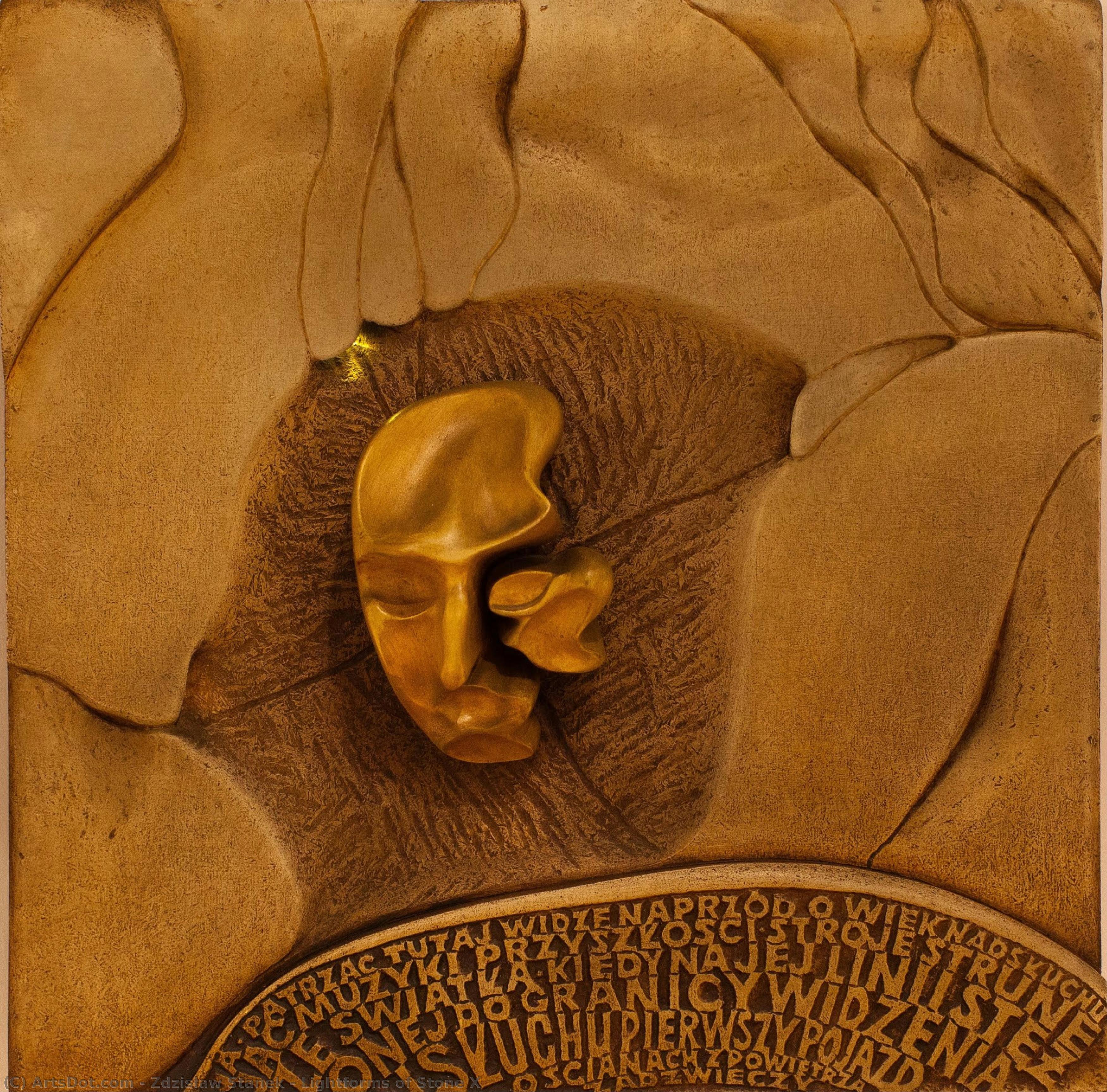
Lightforms of Stone X
 Painting
 1970
1970- Modern
 73.0 x 71.0 cm
 The Museum of Katowice History
 詳細を見る
詳細を見る




































作品のオリジナル比率に合わせた、当店の規定サイズからお選びください。

特定のフレームやスペースに合わせて、ご希望のサイズをご入力いただけます。選択されたサイズが元の画像の比率と異なる場合、アートワークをトリミングするか、手描きで要素を追加して絵画を拡張いたします。デジタルモックアップ を制作し、制作開始前にご確認(承認)をいただきます。
画面上のプレビューは、実際のトリミングや拡張を正確に反映しているものではありません。最終的な構図は、モックアップによってのみ正確にご確認いただけます。
カスタムサイズもご利用いただけますが、元の比率を維持するためには、あらかじめ用意されたリストからサイズを選択することをお勧めいたします。
ご注文後、OriginalUniqueArt.com チームより詳細な指示をお送りするとともに、仕上がりイメージ(モックアップ)をご提供いたします。


 ガラスオプションは、110cm未満のサイズでのみご利用いただけます。

Lightforms of Stone X
複製技法
複製画のサイズ
-


合計金額
$ 300
作品解説
A Visionary Encounter with Light and Matter
In the profound stillness of Zdzisław Stanek’s Lightforms of Stone X, we encounter a masterpiece that transcends the boundaries between sculpture and painting. Created in 1970, this evocative work serves as a mesmerizing bridge between the organic world and the abstract mind. At first glance, the viewer is drawn to the central, enigmatic face—a visage that appears carved from ancient wood or weathered stone, possessing a tactile presence that feels almost sculptural within its two-dimensional plane. The artist masterfully integrates a striking gold leaf effect upon the nose and mouth, a brilliant intervention of light that disrupts the earthy, somber tones of the composition. This shimmering metallic detail does more than catch the eye; it acts as a focal point of divinity and transformation, suggesting a sacred or ritualistic significance hidden within the textured surface.
The painting is an intricate tapestry of texture and cryptic communication. Surrounding the central figure, various inscriptions in a foreign language dance across the canvas, weaving a layer of mystery that invites deep contemplation. These linguistic elements, combined with the rugged, weathered appearance of the face, evoke the feeling of discovering a lost relic from a forgotten civilization. Stanek utilizes a technique that emphasizes the interplay of light and shadow, heavily influenced by the theoretical frameworks of Władysław Strzemiński. By treating light not merely as an external illumination but as an active, transformative force, Stanek allows the "lightforms" to emerge directly from the very grain of the stone-like subject, creating a sense of depth that is both physical and metaphysical.
The Legacy of Polish Geometric Abstraction
To understand the emotional weight of Lightforms of Stone X, one must look toward the rich history of mid-20th-century Polish modernism. Zdzisław Stanek was a pioneer who navigated the complex landscape of post-war abstraction with unparalleled courage. His work is deeply rooted in the concept of geometric experimentation, yet it avoids the coldness often associated with pure abstraction. Instead, he infuses his forms with a primal, humanistic energy. This specific piece reflects a period of intense exploration where Stanek sought to harmonize the rigid structures of geometry with the fluid, unpredictable nature of light and organic matter.
For the discerning collector or interior designer, this artwork offers a sophisticated narrative for any curated space. It is a piece that demands attention through its quiet intensity rather than through loud colors. The muted, earthy palette provides a grounding element to a room, while the sudden brilliance of the gold accents offers a luxurious, high-contrast spark that complements modern, minimalist, or even classical decor. Owning a reproduction of such a significant work is an opportunity to bring a fragment of art history into the contemporary home—a piece that serves as both a conversation starter and a meditative anchor, reminding us of the eternal dialogue between the permanence of stone and the fleeting beauty of light.
アーティストの略歴
The Luminous Legacy of Zdzisław Stanek
In the storied landscape of mid-20th-century Polish art, few names resonate with the same quiet intensity as Zdzisław Stanek. Born in 1925 in the industrial heart of Łódź, Stanek emerged not merely as a painter, but as a profound investigator of the very mechanics of sight. His life’s work was a continuous dialogue between the tangible and the ethereal, a pursuit driven by an almost scientific curiosity regarding how light interacts with form to shape human perception. To encounter a Stanek canvas is to step into a world where the boundaries between matter and radiance begin to dissolve, leaving the viewer suspended in a state of luminous contemplation.
The foundation of Stanek’s artistic identity was deeply rooted in the revolutionary theoretical frameworks established by Władmentsław Strzemiński. From his earliest years, Stanek was captivated by Strzemiński’s radical notion that light should not be treated as a mere external source of illumination, but as an active, transformative force capable of sculpting space and evoking deep psychological resonance. This intellectual lineage became the heartbeat of his practice. He embraced the idea that light could breathe life into geometric structures, turning static shapes into dynamic participants in a cosmic dance of color and shadow.
A Synthesis of Geometry and Light
As his career progressed, Stanek’s aesthetic language underwent a fascinating evolution, characterized by a refusal to be tethered to any single passing trend. While he drew significant inspiration from the structural rigor of Cubism, he infused these geometric foundations with an experimental spirit that bordered on the futuristic. His compositions frequently utilized the stark, clean lines of cubes and spheres, yet these were never cold or clinical. Instead, through a masterful application of vibrant pigments and layered textures, he achieved a sense of depth and dimensionality that felt almost organic.
His later explorations into Cyber Art and more abstract geometric forms demonstrated his ability to bridge the gap between classical painterly traditions and the burgeoning technological consciousness of the era. In these works, the interplay of form and color becomes a complex puzzle of light:
- The Role of Form: The use of spheres and cubes serves as an anchor for the eye, providing a structural stability that allows the more fluid elements of the painting to roam freely.
- Chromatic Vibrancy: Stanek utilized color not just for decoration, but as a tool to generate heat, coolness, and movement within the frame.
- Atmospheric Depth: Through subtle gradations, he created an illusion of infinite space, where light seems to emerge from deep within the canvas itself.
Historical Significance and Artistic Spirit
The historical importance of Zdzisław Stanek lies in his role as a bridge between the avant-garde traditions of early 20th-century Poland and the experimental movements that followed. In an era often defined by political and social upheaval, Stanek remained steadfast in his commitment to pure visual experimentation. He resisted the pressure to conform to more literal or propagandistic styles, choosing instead to focus on the universal language of light and geometry. This dedication ensured that his work remained timeless, transcending the specific historical moment of its creation.
Today, Stanek is remembered as a pioneer who dared to treat the canvas as a laboratory for perception. His ability to synthesize the rigid logic of geometric abstraction with the emotive power of light continues to inspire those who seek beauty in the intersection of science and art. His legacy remains etched in the luminous glow of his masterpieces, reminding us that even the most structured forms can be imbued with an eternal, breathing soul.

zdzisław stanek
1925 - 1996 , Poland
基本情報
- Artistic Movement Or Style: Cubism, Cyber art, Surrealism
- Artists Or Movements Influenced By This Artist: ['Cyber art']
- Artists Who Influenced This Artist: ['Władysław Strzemiński']
- Date Of Death: 1996
- Full Name: zdzisław stanek
- Nationality: Polish
- Notable Artworks:
- Still life with leeks bunch,
- Apples and cheese
- Lightnude II
- Place Of Birth: Poland
関連記事
Unveiling the Mystery: A Journey Through the World's Most Iconic Mask Artworks
Embark on a profound journey through the world's most iconic mask artworks. Explore the spiritual depth, intricate craftsmanship, and rich cultural heritage of global traditions, from Chhau to Gomira, in this expert-led exploration of ancestral artistry and symbolic beauty.

Golden Glow: How to Use Metallic Gold Artworks to Elevate Your Home Decor with Timeless Luxury
Discover how to elevate your home with the timeless elegance of metallic gold artworks. From sculptural metal pieces to gilded oil paintings, learn expert interior design tips for integrating luxurious gold accents into your space with sophistication and grace.
Golden Splendor: An Editorial Journey Through Art's Most Radiant Masterpieces
Embark on a visual journey through the world's most radiant masterpieces. Discover how gold leaf, impasto textures, and gilded tones define luxury in fine art, from Byzantine icons to modern abstracts. Explore the eternal allure of gold in curated, museum-quality art collections.
The Allure of Gold in Art History: Symbolism, Technique & Cultural Significance
Explore the rich history of gold in art! Discover symbolism, techniques & cultural significance from ancient civilizations to Klimt's masterpieces. Expert insights for collectors at OriginalUniqueArt.

幾何学的抽象絵画を定義した傑作10選|アート、アーティスト、インテリア装飾
モンドリアン、マレーヴィチ…幾何学的抽象絵画を代表する傑作10選。各作品の背景や色彩構成、アーティストの情熱に迫ります。美術館品質の複製画はOriginalUniqueArt.comで。オンラインでアートコレクションをご覧ください。

