

 設置イメージを確認
 送る
送る シェア
シェア
 詳細情報
詳細情報 ガイドを表示

 画像をダウンロード
 似ている作品
 X線調査
X線調査 スライドショー
 統計情報
統計情報Cows in India
 Oil On Canvas
- WallArt
 1939
1939 66.0 x 68.0 cm
 CAFA美術館
 続きを読む
続きを読む
ジークレー/アートプリント
スピーディーな制作と多彩な仕上げオプションが魅力の、ミュージアムクオリティなジークレー・キャンバスプリント。 ( 手描きの複製画を注文する デジタル画像販売へ切り替え)




P118B ¥10

P118H ¥10

P118W ¥10

P438Z ¥10

P508JH ¥12

P508YH ¥12

P805H ¥10

P805Z ¥10

P919BZ ¥10

P919G ¥10

P919XJ ¥10

P959ZH ¥10

P968JZ ¥12

W106C ¥8

W218G ¥10

W218JH ¥8

W218Y ¥10

W307PJ ¥10

W316G ¥10

W316PJ ¥8

W316Y ¥10

W398PJ ¥8

W4111J ¥10

W500HY ¥15

W500JH ¥15

W692G ¥12

W849H ¥8

W940BG ¥15

W953PJ ¥8




作品のオリジナル比率に合わせた、当店の規定サイズからお選びください。

額縁や壁のスペースに合わせて、ご希望の幅と高さを入力してください。プリントはカットすることは可能ですが、元の画像より大きくすることはできないため、異なる比率のサイズを選択された場合は、画像の一部が欠けることになります。印刷を開始する前に、内容を確認していただくためのデジタルモックアップをお送りいたします。このページに表示されている画像は、実際のカット後の状態を示すものではありません。実際の仕上がりはモックアップにてご確認ください。


 ガラスオプションは、110cm未満のサイズでのみご利用いただけます。

Cows in India
ジークレー/アートプリント
複製画サイズ一覧
-


合計金額
¥ 12695
A Serene Pastoral: Unveiling Xu Beihong’s “Cows in India”
Xu Beihong's "Cows in India," painted in 1939, is more than a simple depiction of bovine life; it’s a poignant meditation on rural harmony, cultural exchange, and the enduring spirit of the Indian countryside. Born into modest circumstances in Yixing, China, Xu’s artistic journey was one of constant evolution, driven by a desire to bridge Eastern tradition with Western innovation. This particular work exemplifies that synthesis beautifully – a masterful blend of meticulous Chinese ink techniques with the subtle nuances of oil painting, creating an image both deeply rooted in its subject matter and imbued with a sense of quiet contemplation.
The scene unfolds with remarkable detail: three substantial bulls repose peacefully on the earth near a gently flowing river. Each animal is rendered with a sensitivity that transcends mere representation; their forms are weighty, grounded, yet possess an undeniable grace. The composition isn’t merely observational; it's carefully constructed to evoke a feeling of tranquility and reverence. Notice how Xu subtly utilizes light and shadow – the warm glow illuminating the bulls contrasts sharply with the cooler tones of the riverbank, drawing the viewer’s eye and emphasizing the scene’s inherent serenity.
A Crossroads of Cultures: Historical Context
Understanding “Cows in India” requires acknowledging Xu Beihong's pivotal role as a pioneer in modern Chinese art. Following his studies in Europe, he returned to China with a renewed commitment to forging a distinctly ‘Chinese’ artistic identity while embracing the lessons learned from Western techniques. His time in India, specifically his appointment as a visiting professor at Rabindranath Tagore’s Visva-Bharati University, proved profoundly influential. This sojourn wasn't simply a research trip; it was an immersion into a culture where cattle held immense spiritual significance – revered as symbols of fertility, abundance, and the interconnectedness of all life.
The backdrop to this painting is rich with symbolism. The river, a recurring motif in Chinese art, represents fluidity, continuity, and the cyclical nature of existence. It’s a visual metaphor for the passage of time and the enduring connection between humanity and the natural world. Furthermore, Xu's deliberate choice to depict these bulls in repose speaks volumes about the values he admired – patience, humility, and a deep respect for the rhythms of rural life.
Technique and Artistic Style
Xu Beihong’s mastery is evident in every brushstroke. He skillfully employs oil on board, layering colors to create depth and texture while retaining the characteristic fluidity of ink painting. The rendering of the bulls' musculature is particularly impressive – a testament to his keen observation skills and his ability to capture both form and movement. The background landscape, painted with broad, confident strokes, establishes a sense of vastness and openness, anchoring the scene within its rural setting.
While rooted in traditional Chinese aesthetics, “Cows in India” demonstrates Xu’s willingness to experiment with Western techniques. The use of light and shadow, for instance, is reminiscent of Impressionist painters, adding a layer of atmospheric depth to the composition. This fusion of styles – Eastern sensibility combined with Western innovation – defines Xu Beihong's unique artistic vision.
A Legacy of Harmony: Emotional Impact
“Cows in India” transcends its subject matter to evoke a profound sense of peace and contemplation. It’s an invitation to slow down, appreciate the beauty of the natural world, and reflect on our relationship with the land and its creatures. The painting's quiet dignity and understated elegance speak to a deeper truth – a recognition that true beauty lies not in grand gestures or dramatic displays, but in the simple rhythms of everyday life. Reproductions of this work offer a window into a bygone era, capturing a moment of serene harmony between humanity and nature—a timeless reminder of the values held dear by rural communities across India.
よくあるご質問
徐悲鴻作「Cows in India」が醸し出す感情的なトーンはどのようなものでしょうか?
徐悲鴻作「Cows in India」は、Tranquilな情緒を伝えています。
「Cows in India」は、どのような色彩と感情を併せ持っているのでしょうか?
徐悲鴻作「Cows in India」のEarthyなパレットは、そのTranquilな情緒的トーンと見事に調和しています。色彩は、作品が感情を伝えるための重要な要素の一つです。
「Cows in India」のファインアートプリントは販売されていますか?
徐悲鴻作「Cows in India」のプリントをご希望の方は、こちらのファインアートプリントページよりご注文いただけます:コットンキャンバスまたはアーカイブ品質のキャンバスペーパーに施されたファインアートプリント。
アーティストについて
二つの世界を繋ぐ先駆者:徐悲鴻の生涯と芸術
1895年、江蘇省宜興の静かな町に生まれた徐悲鴻(本名:徐寿康)は、20世紀中国美術における不滅の巨星として君臨しています。彼の生涯は、まさに芸術的進化の壮大な物語でした。彼は、故郷の豊かな伝統と西洋美術の革新性を調和させ、中国画の新たな道を切り拓くことにその情熱を捧げました。画家としての苦闘の中にいた父、徐達章の指導のもと、古典的な学問と伝統的な筆致に深く浸った幼少期を過ごしましたが、その道のりは決して平坦なものではありませんでした。芸術的な才能の片鱗を見せると同時に、経済的な困窮にも直面したのです。しかし、この形成期こそが、彼に卓越した技術だけでなく、中国文化への深い敬愛と、その後のキャリアを決定づける強靭な精神を授けました。生活のために肖像画や風景画を描きながら各地を渡り歩いた家族の暮らしは、彼を中国農村部の現実へと向かい合わせ、芸術家とその地位を高めたいという初期の野心を燃え上がらせました。後に「悲しき雁」を意味する「悲鴻」という名を名乗ったことは、おそらく彼の若き日の不安と、高みを目指す志の反映であったのでしょう。ヨーロッパでの覚醒:新たな芸術的ヴィジョンの構築
知識への渇望と中国美術の近代化への願いに突き動かされ、徐悲鴻は1917年、変革をもたらすことになるヨーロッパへの旅へと踏み出しました。当初は東京で学び、その後、パリの名門エコール・デ・ボザールへの念願の奨学金を手にします。この時期は、彼の芸術哲学と技法を形作る上で決定的な意味を持つものとなりました。ヨーロッパ美術の核心に身を投じ、油彩画やデッサンを緻密に研究することで、遠近法、構図、そしてリアリズムといった西洋の原理を習得していったのです。こうした新しい技法を受け入れながらも、彼は当時の主流であった一部のモダニズム的な潮流に対しては批判的な視点を持ち続け、むしろそこで出会った古典的な伝統を重んじました。滞在中に「ジュ・ペオン」というフランス名を名乗ったことは、彼がいかにヨーロッパ文化に深く没入していたかを物語っています。しかし、彼が求めたのは単なる技術の習得ではありませんでした。西洋美術の根底にある原理を理解し、それを中国画の再興へと適応させること――そのヴィジョンは、後の著作や教えの中に鮮明に刻まれています。この時期こそが、東洋の美学と西洋の技法を見事に融合させた、彼独自の芸術スタイルの礎となったのです。象徴的なモチーフと芸術様式:東洋と西洋の融合
1927年に中国へ帰国した徐悲鴻は、激動する国家の精神を捉えた画期的な作品群によって、多作な画家としての地位を確立しました。彼は、馬や鳥をダイナミックに描くことで瞬く間にその名を馳せました。これらのモチーフは単なる写実を超え、力強さ、自由、そして民族の誇りを象徴するものとなりました。特に彼の描く馬は、筋肉の躍動感、エネルギー、そして表現力において称賛されており、荒々しい精神を宿して広大な風景の中を駆け抜ける姿がしばしば描かれます。彼の最も象徴的な作品である遺産と影響:近代中国美術教育の形成
徐悲鴻の影響は、彼自身の芸術作品の枠を遥かに超えて広がっています。彼はまた、近代中国における美術教育の発展を決定づけた先駆的な教育者でもありました。帰国後、彼は国立中央大学や北京大学といった名門大学で教鞭を執り、カリキュラム改革のために精力的に活動しました。西洋の素描や油彩技法を伝統的な中国美術のプログラムに取り入れることを提唱したのも彼であり、この融合こそが中国の芸術的表現を再活性化させるために不可欠であると信じて疑いませんでした。1949年の中華人民共和国成立後、彼は中央美術学院の院長や中国美協(中国芸術家協会)の会長に就任し、国家の芸術的景観における影響力をさらに強固なものにしました。彼が育て上げた世代の芸術家たちは、現代的でありながら文化的な根底を忘れないという彼のヴィジョンを受け継ぎ、中国美術界の主役となっていきました。芸術的観念(芸術構想)へのこだわり、人生経験の重要性、そして東洋と西洋の伝統の融合――これらは中国美術史に消えることのない足跡を残し、最も影響力のある人物の一人としての地位を不動のものにしました。彼の作品は今もなお世界中の芸術家を鼓舞し、観る者を魅了し続けています。それは、文化の架け橋となり、境界を超えていく芸術の不朽の力を、私たちに強く思い起こさせてくれるのです。
徐悲鴻
1895 - 1953 , 中国
アーティスト情報
- Artistic Movement Or Style: 中国近代絵画
- Artists Or Movements Influenced By This Artist: ['中国の近代芸術家']
- Date Of Birth: 1895年7月19日
- Date Of Death: 1953年9月26日
- Full Name: 徐悲鴻
- Nationality: 中国
- Notable Artworks:
- 奔馬
- 愚公...
- 母娘
- 徐の肖像
- 馬
- Place Of Birth: 中国、宜興
関連記事

油彩のキャンバス:技法、歴史、そして現代の実践 - 古典美術愛好家へ
油彩の技法、歴史、巨匠たちの秘密を徹底解説。古典美術愛好家向けに、初期フランドル絵画から現代の実践まで深く掘り下げます。OriginalUniqueArtで高品質な複製画やカスタムオーダーも承ります。
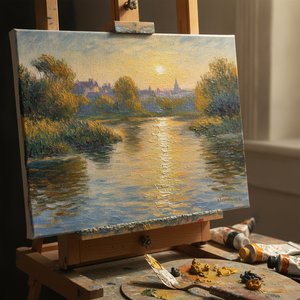
The Soul of Impressionism: Why Oil on Canvas Captures Eternal Light and Timeless Emotion
Discover the enchanting alchemy of Impressionism. Explore how the mastery of oil on canvas, through glazing and impasto, captures eternal light and emotion. Perfect for lovers of Monet and Van Gogh seeking the profound depth of hand-painted fine art.

The Enduring Power of Painting: A Historical & Contemporary Exploration of Form and Emotion
Explore the rich history & enduring techniques of oil painting with OriginalUniqueArt. Discover masterpieces, learn about art collecting, and find authentic handmade reproductions crafted by skilled artists.

Oil on Canvas: A Historical & Technical Exploration of a Timeless Artistic Medium
Explore the rich history & enduring techniques of oil painting on canvas. Discover the science behind its longevity, conservation practices, and contemporary relevance. Expert insights for art enthusiasts.

The Enduring Legacy of Oil on Canvas: Technique, History & Aesthetic Impact
Explore the rich history & techniques of oil painting – from Renaissance masters to Impressionism. Discover pigments, layering methods, and why this timeless medium endures. Expert insights for artists & art enthusiasts.
