
 設置イメージを表示
 シェアする
シェアする シェアする
シェアする
 詳細を見る
詳細を見る ガイドを表示

 ダウンロード
 似ている作品
 X線調査
X線調査 スライドショーを表示
 Q&A
Q&A 統計情報
統計情報Dressing for the Carnival

- 50.0 x 76.0 cm


 詳細を表示
詳細を表示
ウェブ上のプレビューを遥かに凌駕する、印刷に最適なファイルをご提供します。当サイトで販売しているすべてのデジタル画像は、弊社のデータベース内にある高解像度のマスターデータ(通常、幅5,000〜15,000ピクセル)から作成されています。そのため、大判印刷や大胆なクロップ、細部まで緻密な再現も、安心してお楽しみいただけます。
当スタジオから送り出される画像は、すべて丁寧に加工されています。デジタルエキスパートが原画と照らし合わせて色調を精査し、必要に応じて補正を行った上で、プロ仕様のリタッチツールを用いて鮮明さと細部を向上させます。その際、アーティストの筆致やスタイルに忠実であることを常に追求しています。その結果、単なるスキャン画像にフィルターをかけたようなものではなく、まるで本物の絵画を見ているかのような仕上がりを実現しています。
仕上がりをご確認いただいてから完了となります。専門スタッフが、ご確認用の画像を72時間以内にメールでお送りいたします。もしご満足いただけない場合は、修正や改善のご要望を承るほか、品質が基準に満たない場合には返金も可能です。
出版社、デザインスタジオ、ギャラリー、そして印刷所から信頼される品質です。
デジタルアート
個人での鑑賞、印刷、クリエイティブなプロジェクトにご利用いただける高解像度ファイルをダウンロードできます。 ( プリント版に切り替え 手描き複製画を注文する)
デジタル画像のご注文に付随する特典
確かな品質による、プロフェッショナルなデジタル配信
OriginalUniqueArt.com を選ぶことは、単に画像を手に入れることではありません。プロの手によって精密に仕上げられ、満足保証が付いた高品質なデジタルアートワークを受け取ることを意味します。ご注文いただいた際に自動的に付随する内容は、以下の通りです:

メールですぐにお届け
ご注文から72時間以内に、高解像度のデジタル画像ファイルをメールでお送りいたします。お手元に届き次第、すぐにご利用いただけます。

AI技術で最適化されたデジタルファイル
お客様の作品は、高度なAI技術と専門家による手作業を組み合わせてプロフェッショナルに最適化されており、細部のディテール、鮮明さ、そして正確な色再現性を最大限に引き出しています。

生涯無料の再送サービス
ファイルを誤って削除したり、紛失してしまったりしましたか?ご安心ください。いつでも無料で再送いたします。

輸入手数料は、いつでも一切かかりません
関税や手数料、配送料を気にすることなく、お気に入りのアートワークをすぐにお楽しみいただけます。デジタルダウンロードは常に免税です。

正確な色彩の保証
プロ仕様のツールとカラーマネジメント技術を用いることで、デジタル画像が元の色を最大限に忠実に再現することを保証いたします。

100日間満足保証
ご購入いただいたデジタル画像にご満足いただけない場合は、100日以内であれば、理由を問わず修正または100%の返金対応をさせていただきます。

100% 返金保証
ご満足いただけない場合は、デジタルファイルを受け取ってから100日以内であれば、理由を問わず全額返金いたします。

まとめ買い割引
3枚購入で10%OFF、5枚購入で15%OFF、10枚以上のご購入で20%OFF。クリエイティブなプロジェクトやギャラリー、エージェンシーに最適です。
A Moment of Transition: Winslow Homer’s “Dressing for the Carnival”
Winslow Homer's "Dressing for the Carnival," painted in 1877, isn’t merely a depiction of a festive gathering; it’s a poignant meditation on cultural displacement and the evolving spirit of America. This oil painting, measuring just over a foot square, immediately draws the viewer into a scene brimming with quiet anticipation – a snapshot frozen in time as a group prepares to celebrate the Fourth of July. Homer masterfully captures not the boisterous revelry often associated with such events, but rather a moment of focused preparation, imbued with a subtle undercurrent of melancholy and transformation.
The painting’s central figure is a man being adorned in elaborate costume – a Harlequin-like character reminiscent of European comic theater. Notice the deliberate layering of fabrics: strips of vibrant yellow, red, and blue are meticulously sewn onto his attire, drawing directly from African ceremonial dress and the traditions of Jonkonnu, a Caribbean festival celebrated by enslaved people in Virginia and North Carolina. This blending of influences is crucial to understanding Homer’s intent; he isn't simply portraying a party; he’s illustrating how elements of African culture were being integrated – sometimes awkwardly, sometimes with a sense of loss – into the burgeoning American identity following emancipation.
Realism in Detail: Technique and Composition
Homer’s signature Realist style is powerfully evident here. He eschews romanticized depictions, opting instead for an almost photographic level of detail. The textures of the fabrics—the rough weave of burlap, the delicate folds of silk—are rendered with astonishing accuracy. The artist's use of light and shadow creates a sense of depth and immediacy, pulling us into the scene as if we are witnesses to this intimate ritual. Observe how he subtly emphasizes the faces of the women involved in the dressing process – their expressions conveying both concentration and a quiet awareness of the historical context.
The composition itself is carefully orchestrated. The arrangement of figures—some clustered closely, others positioned further back—creates a dynamic sense of movement and interaction. A horse stands patiently in the background, adding to the lively atmosphere without dominating the scene. Homer’s strategic use of space directs our eye towards the central figure, reinforcing his importance within the narrative. The limited palette – dominated by earthy tones punctuated by bursts of color – further enhances the painting's visual impact.
Historical Context and Symbolic Weight
“Dressing for the Carnival” was originally titled “Sketch–4th of July in Virginia,” reflecting its origins during Homer’s time as an artist-correspondent documenting life in the South following the Civil War. This period was marked by profound social upheaval and a complex negotiation between Reconstruction ideals and the realities of racial inequality. The painting's creation coincided with a brief period of legal rights for African Americans, but also with widespread discrimination and violence. The inclusion of elements from Jonkonnu—a tradition rooted in African cultural heritage—highlights the displacement experienced by formerly enslaved people as they sought to maintain their traditions within a rapidly changing society.
Consider the symbolism of the Liberty Cap adorning the Harlequin figure’s head – a potent emblem of freedom and revolution. Yet, juxtaposed with the preparation for a celebratory event, it subtly suggests the ongoing struggle for true liberation. The painting isn't simply celebrating a holiday; it’s quietly acknowledging the complexities and contradictions inherent in America’s journey towards equality.
A Legacy of Observation: Relevance Today
“Dressing for the Carnival” remains remarkably relevant today, serving as a powerful reminder of the importance of cultural exchange and the enduring impact of historical events. Homer's ability to capture the essence of everyday life—and to imbue it with profound social commentary—continues to resonate with contemporary artists. The painting’s exploration of identity, displacement, and the blending of traditions offers valuable insights into our own increasingly diverse and interconnected world. It is a testament to Homer’s genius that this seemingly simple scene holds such depth and significance.
Q&A
American Realismの作品「Dressing for the Carnival」は、どのような感情を伝えていますか?
「Dressing for the Carnival」のAmerican Realism様式には、Melancholicな感情が添えられています。
「Dressing for the Carnival」は、どのような場所や用途での使用がおすすめですか?
「Dressing for the Carnival」はStatementに最適で、Living Roomへの飾るのがおすすめです。
「Dressing for the Carnival」の高解像度ダウンロード版は購入可能ですか?
「Dressing for the Carnival」は、高解像度デジタル画像にて直接ご購入いただける高解像度デジタル画像のダウンロードとしてご利用いただけます。
作家略歴
Winslow Homer: アメリカの魂を捉えた画家
ウィンズロー・ホマーは、1836年にボストンで生まれました。伝統的なヨーロッパの美術学院で形成された多くの同時代の画家とは異なり、彼は実践性と観察に基づいた、独特なアメリカ的経験から現れました。彼の旅は、壮大な歴史画ではなく、12歳という若さでハーパース・ウィークリーのために商業イラストレーターとしてキャリアをスタートさせたことから始まりました。この初期の修業は、明確さと詳細をもってシーンを捉える並外れた能力を培い、彼の成熟した作品の特徴となるスキルとなりました。彼はパリで遠近法を学んだのではなく、アメリカを見ることを学んだのです。賑やかなボストンの街並み、静かなニューイングランド地方の生活の尊厳 – これらが彼の最初の主題となり、印刷媒体の要求のために生まれた正確さをもって描かれました。この基盤が彼に絵画への転身を可能にし、最初は水彩で、その後油絵の表現力豊かな可能性を完全に受け入れました。牧歌的な風景から自然の生の力へ
ホマーの初期の絵画はしばしば、子供たちが遊んだり、農家が畑を耕したり、家庭生活の静かな瞬間を描いた牧歌的なシーンを描いていました。これらの作品は魅力的であると同時に、解き放たれるのを待つより深い芸術的感受性を暗示していました。この変革の触媒となったのは、間違いなく南北戦争でした。ハーパース・ウィークリーの戦場特派員として、ホマーは紛争の容赦ない現実を直接目撃しました。彼は英雄的な戦闘や壮大な戦略に焦点を当てず、兵士や一般市民の日々の生活、混沌とした中で悲しみと回復性の静かな瞬間を記録しました。この経験は彼の芸術的ビジョンを深く変えました。牧歌的な風景は、退役軍人のトラウマとの闘い、新たな世界を切り開く解放された奴隷、苦難に触れた風景の荒涼とした美しさなど、より挑戦的な主題へと姿を変えました。彼は闘争、孤立、そして人間が自然との不安定な関係性を探求し始めました。光、質感、アメリカの大地を制する
ウィンズロー・ホマーの芸術的技法は、その堅牢さと質感をすぐに認識できます。彼は一過性の印象を描くことに興味がなく、キャンバス上で具体的な現実感を作り上げることを目指しました。彼の油絵は、自信を持って塗られた層で特徴づけられ、深みと輝きを生み出しています。彼は太陽の眩しい光が海に降り注ぐ瞬間でも、田園風景の柔らかな夕暮れでも、光を捉える並外れた能力を持っていました。この技術は彼の水彩にも及び、鮮やかな色彩と繊細なウォッシュを通して素晴らしい大気効果を生み出しました。1876年に描かれたBreezing Up (A Fair Wind)は、そのスキルを体現したアメリカの海洋生活の典型的な描写であり、エネルギーと動きに満ちています。数十年後に制作されたThe Gulf Streamは、おそらく彼の最も象徴的な作品であり、自然の力との闘いを描いた力強く象徴的な人間の苦難の表現です。彼はただ目に見えるものを描いているのではなく、感情、人間状態についての真実を伝えていました。アメリカ的リアリズムの中で鍛えられた遺産
ホマーはバルビゾン派のようなヨーロッパの芸術家たちに影響を受け、彼らは田園生活を写実的に描写することで知られていますが、最終的には独自の独特なアメリカ的な道を切り開きました。彼は支配的な学術的慣習を拒否し、代わりに彼の国の精神を一貫して捉えることに焦点を当てました。彼の遺産は、ロマンチックにしたり理想化したりすることなく、正直さと本質性をもってアメリカを描く能力にあります。彼はヨーロッパのスタイルを模倣することに関心がなく、その風景、人々、そして課題を反映した、ユニークなアメリカ的芸術を生み出すことを目指していました。Innocenceは、自然の背景に設定された子供時代の感動的な描写であり、Man of Scienceは、人間の心理を捉える彼のスキルを示す作品です。これらの作品は、このコミットメントの証です。彼の影響は、彼ら自身の国を同様の直接性と感情的な深さで描こうとした後のアメリカ人画家たちの仕事に見られます。永続的な印象:ホマーの歴史的意義
ウィンズロー・ホマーの芸術は、19世紀のアメリカへの深い洞察を提供し、その時代における社会的、政治的、文化的景観に関する貴重な洞察を与えてくれます。彼の絵画は単に美しい表現ではありません。それは人間の回復力、自然の美しさ、そして力、アメリカ体験の複雑さについての強力な声明です。1910年に亡くなるまで、彼は今日でも聴衆に共鳴し続ける多作な作品を残しました。急速な変化を経験していた国の本質を捉える能力は、アメリカで最も重要かつ永続的な芸術家の一人としての彼の地位を確実なものとしています。彼は絵を描いているだけではありませんでした。彼は瞬間を記録し、世代のためにそれを保存していました。- 彼の作品は現代のアーティストにインスピレーションを与え続けています。
- ホマーはアメリカ的リアリズムの発展における重要な人物であり続けています。
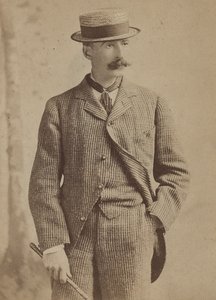
ウィンズロー・ホマー
1836 - 1910 , アメリカ合衆国
プロフィール概要
- フルネーム: ウィンスロー・ホマー
- 主な作品:
- ブリージング・アップ
- ガルフストリーム
- 無垢
- 科学者
- 出生地: ボストン、アメリカ合衆国
- 国籍: アメリカ合衆国
- 影響を与えたアーティスト: ['アメリカ人画家']
- 影響を受けたアーティスト:
- バルビゾン学派
- クールベ
- ミレット
- 死亡年月日: 1910年
- 生年月日: 1836年10月3日
- 芸術運動またはスタイル: アメリカン・リアリズム