
 設置イメージを表示
 シェアする
シェアする シェアする
シェアする
 詳細を見る
詳細を見る ガイドを表示

 ダウンロード
 似ている作品
 X線調査
X線調査 スライドショーを表示
 Q&A
Q&A 統計情報
統計情報Chickens (En Mangeant du Maiz)


 詳細を表示
詳細を表示
このページに掲載されている作品は著作権法によって保護されており、当社の許可なく同一の複製物を制作または販売することは法律で禁じられています。この保護は、以下のような国際条約に基づき執行されます。 ベルヌ条約 および、以下の条項に定められたものを含む各国の法律により、 米国著作権法 第17編。
この手法は、著作権で保護された作品の複製や複写を伴わないため、著作権法に完全に準拠しています。これは単なる模倣ではなく、創造的な再解釈です。元の作品からインスピレーションを受けつつも、それとは異なる、全く新しい絵画を生み出すものです。
ジークレー/アートプリント
スピーディーな制作と多彩な仕上げオプションが魅力の、ミュージアムクオリティなジークレー・キャンバスプリント。 ( 手描き複製画を注文する デジタル画像販売へ切り替え)




P118B ¥10

P118H ¥10

P118W ¥10

P438Z ¥10

P508JH ¥12

P508YH ¥12

P805H ¥10

P805Z ¥10

P919BZ ¥10

P919G ¥10

P919XJ ¥10

P959ZH ¥10

P968JZ ¥12

W106C ¥8

W218G ¥10

W218JH ¥8

W218Y ¥10

W307PJ ¥10

W316G ¥10

W316PJ ¥8

W316Y ¥10

W398PJ ¥8

W4111J ¥10

W500HY ¥15

W500JH ¥15

W692G ¥12

W849H ¥8

W940BG ¥15

W953PJ ¥8




作品のオリジナル比率に合わせた、当店の規定サイズからお選びください。

額縁や壁のスペースに合わせて、ご希望の幅と高さを入力してください。プリントはカットすることは可能ですが、元の画像より大きくすることはできないため、異なる比率のサイズを選択された場合は、画像の一部が欠けることになります。印刷を開始する前に、内容を確認していただくためのデジタルモックアップをお送りいたします。このページに表示されている画像は、実際のカット後の状態を示すものではありません。実際の仕上がりはモックアップにてご確認ください。


 ガラスオプションは、110cm未満のサイズでのみご利用いただけます。

Chickens (En Mangeant du Maiz)
ジークレー/アートプリント
複製画サイズ一覧
-


合計金額
¥ 12808
A Vibrant Symphony of Haitian Life
In the heart of Wilson Bigaud’s 1957 masterpiece, Chickens (En Mangeant du Maiz), we are invited into a moment of pure, unadulterated pastoral joy. This painting serves as a breathtaking window into the rhythmic simplicity of rural life, capturing a group of five chickens gathered around a bountiful pile of corn. The composition is anchored by a magnificent central figure, a large bird that commands the viewer's attention with its presence, while smaller companions flutter at its sides, creating a sense of natural movement and communal harmony. Through Bigaud’s lens, a mundane agricultural task is transformed into a vibrant spectacle of color and life, where every grain of corn and every feather seems to pulse with the energy of the Caribbean landscape.
The artistry of Bigaud is deeply rooted in his unique ability to blend sculptural depth with the fluid expressionism of Haitian painting. Having begun his journey as a sculptor, Bigaud brings an extraordinary sense of volume and materiality to this canvas. The chickens are not merely flat shapes; they possess a tactile quality that suggests weight and substance, as if one could reach out and feel the texture of their plumage. This technique, combined with a palette of rich, saturated hues, allows the foreground to pop against the soft, receding majesty of the distant mountains. The backdrop provides more than just depth; it offers a sense of permanence and peace, framing the lively feeding frenzy within the eternal embrace of the Haitian terrain.
The Soul of Caribbean Expressionism
To behold this work is to experience the essence of Caribbean Expressionism, a movement where color serves as the primary language of emotion. Bigaud utilizes light and pigment to evoke the warmth of the tropical sun, making the scene feel as though it is bathed in a perpetual afternoon glow. There is a profound symbolism found in the act of feeding; it represents abundance, fertility, and the interconnectedness of all living things within the natural order. For the collector or interior designer, this piece offers much more than mere decoration. It brings an infusion of vitality and warmth into any space, acting as a focal point that sparks conversation and invites contemplation.
For those seeking to adorn their homes with high-quality reproductions, Chickens (En Mangeant du Maiz) stands as an exemplary choice for creating an atmosphere of serenity and spirited charm. The painting’s ability to balance complex textures with a clear, engaging narrative makes it a versatile treasure for modern interiors. Whether placed in a sunlit gallery or a cozy living space, the artwork radiates a timeless quality, reminding us of the beauty found in life's simplest, most nourishing moments. It is an invitation to slow down, to observe the intricate dance of nature, and to celebrate the enduring spirit of Haitian creativity.
Q&A
現在、Wilson Biguad作「Chickens (En Mangeant du Maiz)」はどこで展示されていますか?
原画の「Chickens (En Mangeant du Maiz)」はHaitian Art Society, Washington, D.C., United States of Americaにてご覧いただけます。
Wilson Biguad作「Chickens (En Mangeant du Maiz)」の著作権による複製は許可されていますか?
「Chickens (En Mangeant du Maiz)」の原画はHaitian Art Societyに所蔵されており、本作品は著作権の保護対象ですです。
Wilson Biguad作「Chickens (En Mangeant du Maiz)」の明るさはどのように感じられますか?
Wilson Biguad作「Chickens (En Mangeant du Maiz)」の視覚的な明るさはbrilliantです。設置する空間の光の加減に合わせて調整することが可能です。
作家プロフィール
A Life Shaped by Clay and Canvas
Wilson Bigaud began his life in Port-au-Prince, Haiti, finding his first expression through the tactile world of sculpture. As a child, he worked with clay, molding figures that captured the weight and presence of the earth. This early focus on three-dimensional form gave him a unique way of seeing volume and light, a skill that would later define his paintings. His path changed when DeWitt Peters encouraged him to move away from carving and toward the two-dimensional surface of the canvas.
The legendary Hector Hyppolite played a significant role in bringing Bigaud into the Centre d'Art in 1946. Through this connection, he found himself part of a community where art was deeply tied to the rhythms of Haitian life. His work often drew from his own memories of the city, pulling from the sights and sounds of social gambling, Vodou ceremonies, and local melodramas. He did not merely paint scenes; he recorded the atmosphere of his surroundings.
The Weight of Color and Light
Bigaud developed a style that relied on thick layers of paint, known as impasto, to create surfaces you could almost feel. He had a particular way of using light and shadow to give his figures weight. While he was influenced by the techniques of artists like Edvard Munch and Oskar Kokoschka, his subject matter remained firmly rooted in the streets and traditions of Haiti. His palette often featured a specific, strange yellow light that bathed his scenes, from cemetery gatherings to village life.
His paintings often explored the tension between joy and hardship. He captured the energy of Carnival and the solemnity of religious life with equal intensity. Some of his most notable subjects included:
- The rituals of Vodou ceremonies
- Scenes of poverty and social gambling
- The movement of the rhythms of drums and rara
- Biblical narratives reimagined through a local lens
Recognition and Personal Struggles
In 1950, at the age of nineteen, Bigaud achieved international notice when his painting “Paradise” won second place at an International Exhibit in Washington, D.C. That same year, he worked on one of his most significant large-scale projects, a mural for the Holy Trinity Cathedral in Port-au-Prince depicting the wedding at Cana. This work allowed him to use scale to tell stories of faith and community.
However, the pressure of his success and the political shifts in Haiti took a heavy toll on his well-being. Between 1957 and 1961, Bigaud faced periods of acute depression and entered a mental institution. During these difficult years, he eventually retreated to Petit-Goave to find peace. When he returned to painting in the mid-sixties, some observers noted that the fire of his earlier work had changed, reflecting more of the fear and defeat he had experienced. Yet, even in these later years, works like “Village Wedding” showed a persistent spirit and an ability to reclaim the energy of his youth.

Wilson Biguad
1931 - 2010 , Haiti
プロフィール概要
- Artistic Movement Or Style: Caribbean Expressionism
- Artists Or Movements Influenced By This Artist: ['Contemporary Haitian artists']
- Artists Who Influenced This Artist:
- Hector Hyppolite
- Edvard Munch
- Oskar Kokoschka
- Full Name: Wilson Biguad
- Nationality: Haitian
- Notable Artworks:
- Paradise
- The Wedding at Cana
- Untitled (Guédés at the Cemetary)
- Place Of Birth: Port-au-Prince, Haiti
- Date Of Birth: 1931
- Date Of Death: 2010
関連記事

German Expressionism's 10 Defining Masterpieces | Art for Your Home
Explore 10 defining German Expressionism masterpieces – from Munch's 'The Scream' to Kandinsky’s abstracts. Discover the artists, stories & bold colors behind this powerful art movement. Find museum-quality reproductions at OriginalUniqueArt.com.

抽象表現主義を定義する十大傑作:芸術と装飾の深遠な旅
抽象表現主義を定義する10の傑作。ポロック、ロスコら巨匠たちの情熱と色彩の世界へ。各作品に込められた物語と技法を紐解き、至高のアート体験を。OriginalUniqueArt.comで、ミュージアムクオリティの複製画や洗練されたインテリアアイデアを発見してください。
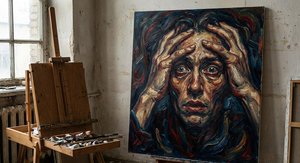
Figurative Expressionism: Emotional Intensity & Subjective Reality in 20th-Century Art
Explore the powerful world of Figurative Expressionism with OriginalUniqueArt. Discover key artists like Kirchner & Beckmann, understand its emotional depth, and learn how to collect this influential 20th-century art movement.

Unmasking Emotion: A Journey Through the Raw Power and Visceral Beauty of German Expressionism
Explore the raw emotional power of German Expressionism. From Kirchner to Die Brücke, discover how artists used distortion and vibrant color to unmask the human psyche. A deep dive into art history for the discerning collector and enthusiast.
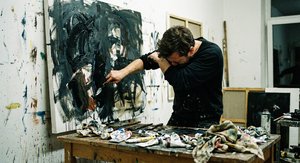
The Raw Emotion of Expressionism: A Deep Dive into its History, Characteristics & Enduring Influence
Explore the raw emotion of Expressionism with OriginalUniqueArt. Discover its history, key artists like Kirchner & Munch, and lasting influence on modern art. Expert insights for collectors & enthusiasts.