- ホーム

- 油絵の複製画
- william wordsworth
- William Wordsworth

 プレビュー
プレビュー
 シェアする
シェアする シェアする
シェアする
 詳細を見る
詳細を見る

 ダウンロード
 似ている作品
 X線調査
X線調査 スライドショー
William Wordsworth

 詳細を見る
詳細を見る
手描き油彩複製画
当社のアーティストが、お客様のご希望のサイズと額縁に合わせて、キャンバスに手描きで制作する油彩画です。 ( プリント版に切り替え 画像に切り替え)




































作品のオリジナル比率に合わせた、当店の規定サイズからお選びください。

特定のフレームやスペースに合わせて、ご希望のサイズをご入力いただけます。選択されたサイズが元の画像の比率と異なる場合、アートワークをトリミングするか、手描きで要素を追加して絵画を拡張いたします。デジタルモックアップ を制作し、制作開始前にご確認(承認)をいただきます。
画面上のプレビューは、実際のトリミングや拡張を正確に反映しているものではありません。最終的な構図は、モックアップによってのみ正確にご確認いただけます。
カスタムサイズもご利用いただけますが、元の比率を維持するためには、あらかじめ用意されたリストからサイズを選択することをお勧めいたします。
ご注文後、OriginalUniqueArt.com チームより詳細な指示をお送りするとともに、仕上がりイメージ(モックアップ)をご提供いたします。


 ガラスオプションは、110cm未満のサイズでのみご利用いただけます。

William Wordsworth
複製技法
複製画のサイズ
-


合計金額
$ 300
アーティストの略歴
François Boucher: The Architect of Rococo Grace
François Boucher, born in Paris around 1703 and passing away in 1850, stands as a towering figure in the history of French art, inextricably linked to the rise and flourishing of the Rococo style. While often overshadowed by his more flamboyant contemporaries like Watteau, Boucher’s influence on European decorative arts and painting is profound and enduring. He wasn't merely a painter; he was an orchestrator of beauty, a master of marketing, and a key figure in shaping the aesthetic sensibilities of the French court during the reigns of Louis XV and Madame de Pompadour. His career, spanning nearly five decades, exemplifies both artistic brilliance and shrewd commercial acumen.Early Years and Artistic Foundations
Boucher’s early life was marked by relative obscurity. He began his career as a printmaker and designer of book illustrations, a skill honed through apprenticeship and self-directed study. This foundational experience instilled in him an understanding of composition, line, and the meticulous rendering required for both graphic art and painting. Crucially, he gained employment around 1726–28 working for Jean de Jullienne, producing etchings after drawings by Antoine Watteau – a pivotal moment that cemented his connection to the nascent Rococo style. A trip to Italy in 1728 proved formative, exposing him to the grandeur of Baroque masters like Bernini and Caravaggio, as well as the delicate landscapes and atmospheric effects favored by Dutch painters of the seventeenth century. He also studied Venetian eighteenth-century painting, absorbing its rich color palettes and dramatic lighting. This diverse exposure informed his developing style, blending Italian dynamism with Dutch subtlety and Venetian opulence.The Royal Patronage and Rococo Mastery
Boucher’s talent quickly caught the attention of the French court, culminating in his *reçue* (formal acceptance) at the Royal Academy in 1734. This marked the beginning of a remarkably prolific career fueled by royal commissions and the patronage of influential figures like Madame de Pompadour, Louis XV's mistress. He became known for his ability to translate the court’s desires – often characterized by a preference for lighthearted themes, sensual beauty, and luxurious settings – into visually stunning works. Boucher’s subjects frequently revolved around mythological scenes, pastoral idylls, and allegorical representations of love and virtue. His most celebrated achievement was undoubtedly his reinvention of the pastoral genre, depicting idealized landscapes populated by elegantly dressed shepherds and shepherdesses engaged in scenes of erotic and sentimental romance. This style, closely tied to contemporary comic operas produced for the Foire theatre, exemplified the Rococo’s emphasis on pleasure, beauty, and escapism. His paintings for Madame de Pompadour's château at Bellevue, such as *The Toilette of Venus* and *The Interrupted Sleep*, are prime examples of this opulent and refined aesthetic.Technique and Style: A Painterly Surface
Boucher’s artistic style is characterized by a remarkable technical mastery and a distinctive painterly surface. He eschewed the heavy, sculpted forms of the Baroque in favor of softer, more fluid lines and a delicate handling of color. His palette favored blues and pinks – colors associated with luxury and sensuality – creating an atmosphere of ethereal beauty. He was particularly adept at using light to create dramatic effects, often employing chiaroscuro (contrast between light and dark) to highlight key figures and details. Boucher’s insistence on a painterly surface, achieved through meticulous layering of paint and the use of glazing techniques, resulted in works that shimmered with an almost palpable sense of luxury and refinement. His work was widely reproduced in prints, further disseminating his style throughout Europe.Legacy and Historical Significance
Despite facing criticism later in his career – notably from Denis Diderot who famously described him as “a man capable of everything—except the truth” – François Boucher remains a pivotal figure in art history. He was arguably the most influential artist in establishing the mature Rococo style, shaping its visual language and disseminating it across Europe. His work profoundly impacted decorative arts, influencing porcelain production, tapestry design, and furniture ornamentation. Boucher’s ability to seamlessly blend artistic skill with commercial savvy ensured his enduring success and cemented his place as one of France's most celebrated artists of the 18th century. His legacy continues to inspire admiration for his exquisite beauty, technical brilliance, and masterful orchestration of visual pleasure.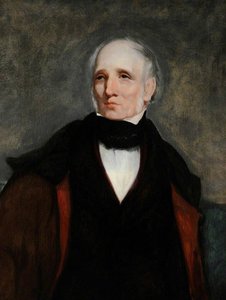
william wordsworth
1770 - 1850 , United Kingdom
基本情報
- Artistic Movement Or Style: Rococo
- Artists Or Movements Influenced By This Artist:
- Père David
- Rococo style
- Artists Who Influenced This Artist:
- Watteau
- Venetian painters
- Date Of Birth: 1703
- Date Of Death: 1850
- Full Name: François Boucher
- Nationality: French
- Notable Artworks:
- The Interrupted Sleep
- Toilette of Venus
- Les Metamorphoses
- Place Of Birth: Paris, France

