 設置イメージを確認
 送る
送る シェア
シェア
 詳細情報
詳細情報 ガイドを表示

 画像をダウンロード
 似ている作品
 X線調査
X線調査 スライドショー
 Q&A
Q&A 統計情報
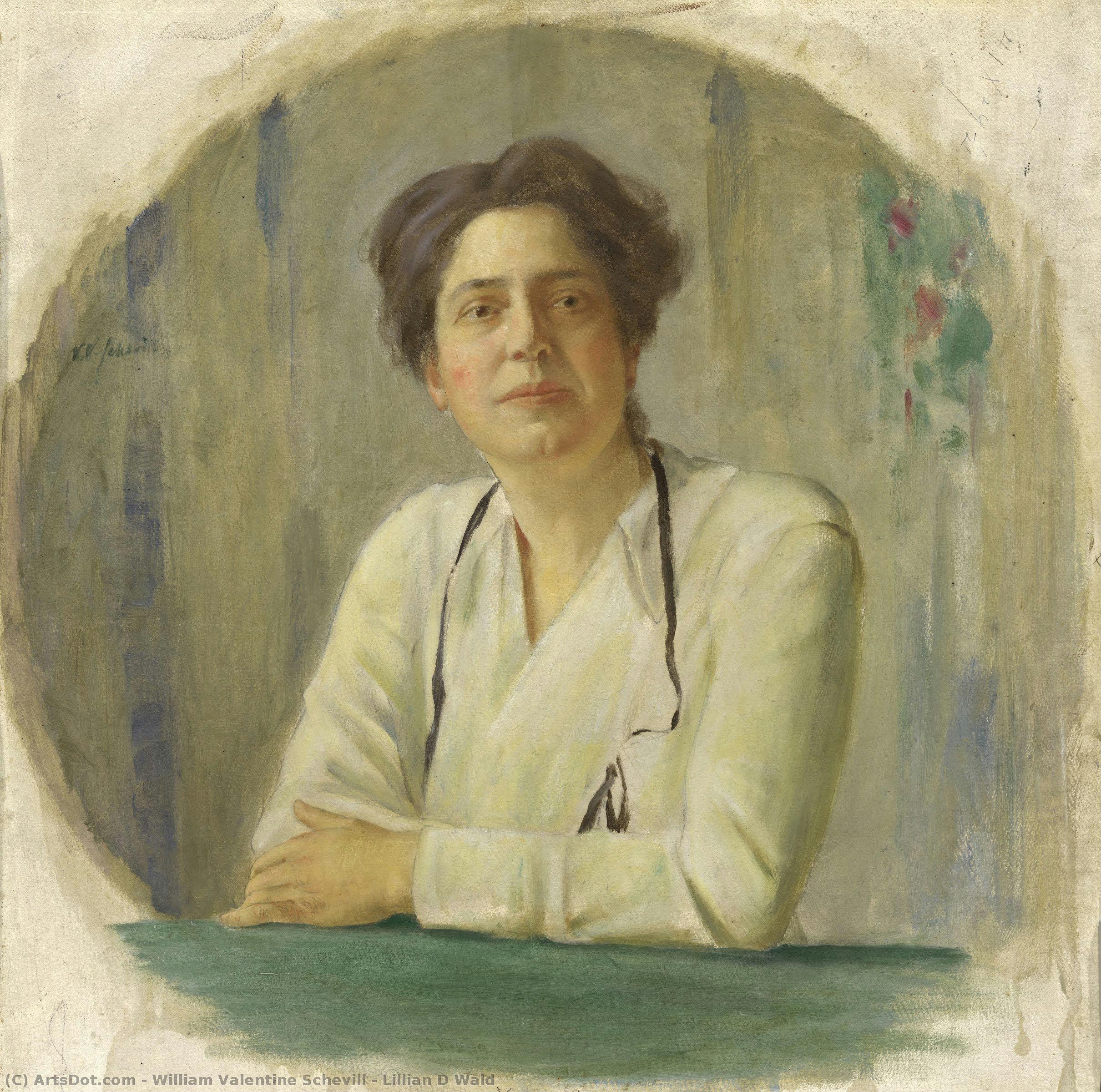
統計情報Lillian D Wald

- 72.0 x 72.0 cm


 続きを読む
続きを読む
ウェブ上のプレビューを遥かに凌駕する、印刷に最適なファイルをご提供します。当サイトで販売しているすべてのデジタル画像は、弊社のデータベース内にある高解像度のマスターデータ(通常、幅5,000〜15,000ピクセル)から作成されています。そのため、大判印刷やタイトなクロップ、細部まで緻密な再現も、安心してお楽しみいただけます。
当スタジオから送り出される画像は、すべて丁寧に加工されています。デジタルエキスパートが原画と照らし合わせて色調を精査し、必要に応じて補正を行った上で、プロ仕様のリタッチツールを用いて鮮明さと細部を向上させます。その際、アーティストの筆致やスタイルに忠実であることを常に追求しています。その結果、単なるスキャン画像にフィルターをかけたようなものではなく、まるで本物の絵画を見ているかのような仕上がりを実現しています。
仕上がりをご確認いただいてから完了となります。専門スタッフが、ご確認用の画像を72時間以内にメールでお送りいたします。もしご満足いただけない場合は、修正や改善のご要望を承るほか、品質が基準に満たない場合には返金も可能です。
出版社、デザインスタジオ、ギャラリー、そして印刷所から信頼される品質です。
デジタル画像
個人での鑑賞、印刷、クリエイティブなプロジェクトにご利用いただける高解像度ファイルをダウンロードできます。 ( プリント版に切り替え 手描きの複製画を注文する)
デジタル画像のご注文に付随する特典
プロフェッショナルなデジタル配信を、確かな品質で。
OriginalUniqueArt.com を選ぶことは、単に画像を手に入れることではありません。プロの手によって精密に仕上げられ、満足保証が付いた高品質なデジタルアートワークを受け取ることを意味します。ご注文いただいた際に自動的に付随する内容は、以下の通りです:

メールですぐにお届け
ご注文から72時間以内に、高解像度のデジタル画像ファイルをメールでお送りいたします。お手元に届き次第、すぐにご利用いただけます。

AI技術で最適化されたデジタルファイル
お客様の作品は、高度なAI技術と専門家による手作業を組み合わせてプロフェッショナルに最適化されており、細部のディテール、鮮明さ、そして正確な色再現性を最大限に引き出しています。

一生涯無料の再送サービス
ファイルを誤って削除したり、紛失してしまったりしましたか?ご安心ください。いつでも無料で再送いたします。

輸入手数料は、いつでも一切かかりません
関税や手数料、配送料を気にすることなく、お気に入りのアートワークをすぐにお楽しみいただけます。デジタルダウンロードは常に免税です。

正確な色彩の保証
プロ仕様のツールとカラーマネジメント技術を用いることで、デジタル画像が元の色を最大限に忠実に再現することを保証いたします。

100日間満足保証
ご購入いただいたデジタル画像にご満足いただけない場合は、100日以内であれば、理由を問わず修正または100%の返金対応をさせていただきます。

100% 返金保証
ご満足いただけない場合は、デジタルファイルを受け取ってから100日以内であれば、理由を問わず全額返金いたします。

まとめ買い割引
3枚購入で10%OFF、5枚購入で15%OFF、10枚以上のご購入で20%OFF。クリエイティブなプロジェクトやギャラリー、エージェンシーに最適です。
A Portrait of Compassion: Lillian D. Wald by William Valentine Schevill
William Valentine Schevill’s 1919 portrait of Lillian D. Wald is more than just a likeness; it's a poignant embodiment of social reform and the burgeoning spirit of American progressivism. The painting, rendered in a style that deftly balances German Impressionistic influence with the emerging realism of the early 20th century, captures not merely Wald’s physical appearance but also her unwavering dedication to improving public health and advocating for the underserved.
Wald herself was a transformative figure. Born into privilege within a prominent German-Jewish family in Cincinnati, Ohio, she defied societal expectations to become one of America's first registered nurses and a pioneer in public health nursing. Her work with immigrant communities in New York City during the late 19th and early 20th centuries exposed her to appalling conditions – rampant disease, overcrowding, and systemic neglect – fueling her commitment to social justice. Schevill’s portrait serves as a visual testament to this dedication; Wald's direct gaze conveys both strength and empathy, suggesting an individual deeply invested in the well-being of others.
The Language of Light and Shadow
Schevill’s technique is characterized by a masterful manipulation of light and shadow, hallmarks of his training under Frank Duveneck and further refined during his time studying at the Academy of Fine Arts Munich. The painting utilizes a muted palette—primarily greens, browns, and creams—to create a sense of quiet dignity and understated power. Notice how Schevill employs broken brushstrokes to capture the texture of Wald’s dress and the subtle nuances of her face. The diffused light, reminiscent of Impressionism, softens the features while simultaneously highlighting the intelligence and resolve in her eyes. The background is deliberately simple, allowing Wald's presence to dominate the composition and drawing the viewer’s attention directly to her compassionate expression.
Symbolic Elements and Historical Context
Beyond its technical brilliance, the painting is rich with symbolic elements reflecting the era. The stethoscope, prominently displayed around Wald’s neck, immediately identifies her profession and underscores her role as a healer. The potted plants flanking the figure – one on either side – can be interpreted as symbols of growth, care, and the nurturing environment she sought to create for those in need. The clock visible in the upper-middle section subtly references the relentless passage of time and the urgency of her work. Painted in 1919, shortly after World War I, the portrait reflects a nation grappling with profound social changes and striving towards a more equitable future – a future Wald was actively shaping.
A Legacy of Service and Artistic Merit
Lillian D. Wald’s legacy extends far beyond her pioneering nursing work; Schevill's painting immortalizes her spirit, offering a powerful visual reminder of the importance of social responsibility and compassionate action. The artwork is not merely a portrait but a historical document, capturing a pivotal moment in American history and celebrating the life of a woman who dedicated herself to serving humanity. Today, reproductions of this compelling image continue to resonate with audiences, reminding us of the enduring value of empathy, service, and artistic expression.
- Artist: William Valentine Schevill
- Year: 1919
- Size: 72 x 72 cm
- Medium: Oil on Canvas
Further Research: For more information about Lillian D. Wald and William Valentine Schevill, please refer to the links below:
- National Portrait Gallery - Lillian D. Wald
- Google Arts & Culture - Lillian D Wald – William Valentine Schevill
よくあるご質問
「Lillian D Wald」の技法は何ですか?
「Lillian D Wald」の技法はAcrylic On Canvasです。
William Valentine Schevillによる「Lillian D Wald」はパブリックドメインに含まれますか?また、その理由は何ですか?
William Valentine Schevill作「Lillian D Wald」はパブリックドメイン(著作権消滅)です。著作権の保護期間は、1951年に亡くなった作家の没年から起算されます。
William Valentine Schevill作「Lillian D Wald」には何が描かれていますか?
William Valentine Schevill作「Lillian D Wald」に描かれているテーマには、nurse, lillian wald, portrait, healthcare, early 20th, medicine, american artなどがあります。これらが合わさることで、本作の主題を構成しています。
アーティスト・プロフィール
The Soul of the Canvas: The Life and Legacy of William Valentine Schevill
In the grand tapestry of American art history, few threads weave together the disparate textures of European tradition and American spirit as gracefully as William Valentine Schevill. Born in the vibrant cultural cradle of Cincinnati, Ohio, on March 2nd, 1864, Schevill emerged from a lineage of artistic excellence that would eventually bridge the gap between the expressive dynamism of German Impressionism and the grounded, observant nature of American Realism. His journey was not merely one of personal growth, but a profound exploration of light, shadow, and the human condition, shaped by the prestigious academies of two continents.
The foundations of his mastery were laid at the Cincinnati Art Academy, where he studied under the legendary Frank Duveneck. It was here that Schevill first learned to manipulate the tonal qualities of paint to capture the fleeting essence of a moment. Seeking to expand his horizons, he ventured across the Atlantic to the Academy of Fine Arts Munich. Immersed in the rigorous yet expressive atmosphere of German training, he studied under luminaries such as Ludwig Löfftz, Max Lindenschmidt, and Nikolaos Gyzis. This period was transformative; it infused his brushwork with a certain European bravura, allowing him to blend meticulous detail with an atmospheric sensitivity that would become his hallmark.
A Mastery of Form and Emotion
Schevill’s oeuvre serves as a window into the shifting social and psychological landscapes of the late nineteenth and early twentieth centuries. He was a virtuoso of various genres, yet it is in his portraiture where his ability to capture the human psyche truly shines. His work does not merely record a likeness; it seeks to unveil the character beneath the skin. One of his most celebrated achievements, the portrait of Lillian D. Wald, currently held in the National Portrait Gallery in Washington D.C., stands as a testament to this skill. In this piece, he captures the compassionate spirit of the pioneering nurse through subtle tonal variations and a nuanced facial expression that resonates with profound empathy.
Beyond the intimate confines of portraiture, Schevill’s hand was equally adept at capturing the grandeur of the natural world and the weight of history. His landscapes are characterized by an expert command of atmospheric perspective, creating spaces that feel both vast and intimately reachable. Whether depicting the quiet dignity of a domestic scene, such as The Fondey Family, or evoking the monumental presence of historical figures like George Washington, his work maintains a consistent thread of truthfulness. His art was never about mere decoration; it was an act of profound observation.
An Enduring Artistic Presence
Throughout his long and prolific career, which spanned nearly nine decades, Schevill remained a vital participant in the international art dialogue. His presence at the Louisiana Purchase Exposition of 1904 provided him with a global stage, allowing his unique synthesis of styles to reach a diverse audience. As he moved through the artistic hubs of New York City, Boston, and eventually Los Angeles, his membership in prestigious organizations like the Salmagundi Club solidified his standing among the elite of the American art world.
The historical significance of William Valentine Schevill lies in his role as a stylistic conduit. He carried the lessons of the Munich school into the burgeoning American scene, enriching the local tradition with a sophisticated understanding of light and form. Today, his legacy is preserved not only in museum collections but in the very way we perceive the transition from the romanticism of the past to the realism of the modern era. To look upon a Schevill painting is to witness a master at work, forever capturing the ephemeral beauty of life through the enduring medium of oil and canvas.

William Valentine Schevill
1864 - 1951 , United States of America
略歴
- Full Name: William Valentine Schevill
- Nationality: American
- Date Of Birth: 1864
- Date Of Death: 1951
- Place Of Birth: Cincinnati, United States of America
- Notable Artworks:
- Lillian D Wald
- The Fondey Family
- George Washington
- Artistic Movement Or Style: German & US avant-garde
- Artists Who Influenced This Artist:
- Frank Duveneck
- Ludwig Löfftz
- Max Lindenschmitt
- Nikolaos Gyzis
- Artists Or Movements Influenced By This Artist: ['Louisiana Purchase Exposition']