

 設置イメージを確認
 送る
送る シェア
シェア
 詳細情報
詳細情報 ガイドを表示

 画像をダウンロード
 似ている作品
 X線調査
X線調査 スライドショー
 統計情報
統計情報The Wounded Hound


 続きを読む
続きを読む
手描き油彩複製画
当社のアーティストが、お客様のご希望のサイズと額縁に合わせて、キャンバスに手描きで制作する油彩画です。 ( プリント版に切り替え デジタル画像販売へ切り替え)




P118B ¥10

P118H ¥10

P118W ¥10

P438Z ¥10

P508JH ¥12

P508YH ¥12

P805H ¥10

P805Z ¥10

P919BZ ¥10

P919G ¥10

P919XJ ¥10

P959ZH ¥10

P968JZ ¥12

W106C ¥8

W218G ¥10

W218JH ¥8

W218Y ¥10

W307PJ ¥10

W316G ¥10

W316PJ ¥8

W316Y ¥10

W398PJ ¥8

W4111J ¥10

W500HY ¥15

W500JH ¥15

W692G ¥12

W849H ¥8

W940BG ¥15

W953PJ ¥8




作品のオリジナル比率に合わせた、当店の規定サイズからお選びください。

フレームや壁のスペースに合わせて、ご希望の幅と高さを入力してください。本作品は手描きのため、異なる比率のサイズをご希望の場合、絵画の周囲を少し広げて描くか、あるいは端を少しカットして調整することが可能です。お客様のご要望に合わせます。制作を開始する前に、仕上がりを確認するためのデジタルモックアップをお送りいたします。このページに表示されている画像は完成品の実物ではなく、あくまでモックアップによるイメージです。
ご注文後、OriginalUniqueArt.com チームより詳細な指示をお送りするとともに、仕上がりイメージ(モックアップ)をご提供いたします。


 ガラスオプションは、110cm未満のサイズでのみご利用いただけます。

The Wounded Hound
再現技法
複製画サイズ一覧
-


合計金額
¥ 47236
William Tylee Ranney: A Pioneer of American Genre
William Tylee Ranney (1813-1857) stands as an unexpectedly significant figure in the annals of 19th-century American art. He wasn’t nurtured by the gilded halls of European academies or propelled forward by established artistic lineages; rather, his artistic journey unfolded organically within the burgeoning spirit of a nation aggressively expanding westward—a landscape profoundly shaped by frontier encounters and evolving perceptions of the American experience. His formative years, spent relocating to Fayetteville, North Carolina, at age thirteen to reside with an uncle, witnessed him apprenticed as a tinsmith – a practical trade that instilled in Ranney a grounded sensibility and meticulous attention to detail, qualities which would subsequently become hallmarks of his distinctive artistic style. This period of craftsmanship honed observational skills and fostered a deep understanding of textures and forms inherent in everyday life—a foundation upon which he built his celebrated oeuvre. The irresistible pull of artistry ultimately superseded pragmatic considerations, leading him to Brooklyn in 183- Early Life & Apprenticeship: Ranney’s formative years instilled in him a keen eye for observation and craftsmanship honed through an apprenticeship as a tinsmith. This grounding experience profoundly influenced his artistic sensibilities.
- Brooklyn Residence: Moving to Brooklyn solidified Ranney's commitment to art, establishing him within a vibrant artistic milieu characterized by experimentation and innovation.
The Wounded Hound: A Portrait of Resilience “The Wounded Hound” exemplifies Ranney’s masterful command of American genre painting—a movement that sought to depict scenes from daily life with unflinching realism, capturing the essence of the era's social and psychological landscape. Executed in 1850, this oil on canvas portrays a man and woman seated upon a horse, accompanied by several dogs – notably one exhibiting visible signs of injury or demise. The composition is deliberately austere, prioritizing clarity of form and tonal harmony over elaborate ornamentation. Ranney’s technique—characterized by smooth brushstrokes and subtle gradations of color—creates an atmosphere of contemplative solemnity, reflecting the profound impact of wartime suffering on the human spirit.
Symbolism & Narrative Depth Beyond its surface depiction, “The Wounded Hound” resonates with symbolic significance rooted in the broader context of mid-century American culture. The horse represents strength and nobility—a cornerstone of the frontier ethos—while the dogs embody loyalty and companionship. However, the presence of a deceased canine serves as a poignant reminder of mortality and vulnerability—themes prevalent throughout Ranney’s artistic explorations. The inclusion of birds adds an element of serenity to the scene, juxtaposed against the palpable sorrow conveyed by the central figures.
Historical Context & Influence Ranney's work emerged during a period of intense national introspection following the Civil War—a time marked by profound social upheaval and a yearning for artistic expression that mirrored the anxieties and aspirations of the era. His stylistic innovations—particularly his embrace of tonal realism—anticipated developments in Impressionism, establishing him as a precursor to this transformative movement. “The Wounded Hound” stands as testament to Ranney’s ability to distill complex emotions into visual form—a feat achieved through meticulous observation and unwavering dedication to artistic integrity.
Virginia Museum of Fine Arts Acquisition “The Wounded Hound” resides within the Virginia Museum of Fine Arts collection, where it continues to inspire viewers with its evocative portrayal of human resilience amidst adversity. Its accession number is 2002.538 and was created in 1850. The painting’s provenance underscores its enduring artistic merit—a legacy solidified by scholarly research and meticulous documentation.
よくあるご質問
「The Wounded Hound」のダウンロードは可能ですか?
ウィリアム・タイリー・ラニー作「The Wounded Hound」は、作品のダウンロードページから高解像度デジタル画像のダウンロードとしてダウンロードいただけます。
ウィリアム・タイリー・ラニー作「The Wounded Hound」はパブリックドメインですか?
ウィリアム・タイリー・ラニー作「The Wounded Hound」 の著作権について:本作品はパブリックドメイン(著作権消滅)です。これにより、画像の複製が自由に行えるかどうかが決まります。
「The Wounded Hound」は、作者の母国に保管されていますか?
はい、作品は作家の母国に保管されています。。「The Wounded Hound」はアメリカ合衆国に所蔵されていますが、ウィリアム・タイリー・ラニーの出生地はアメリカ合衆国です。
アーティストについて
アメリカ風俗画の先駆者:ウィリアム・タイリー・ランニーの生涯と芸術
1813年5月9日、コネチカット州ミドルタウンに生まれたウィリアム・タイリー・ランニーは、19世紀アメリカ美術の歴史において、極めて重要でありながら、しばしば控えめに語られる存在です。彼はヨーロッパのアカデミーや確立された芸術界の寵児として育ったわけではありませんでした。むしろ、その歩みは自己発見の旅であり、西へと急速に拡大していく国家の、脈動する精神への没入そのものでした。13歳の時、叔父のもとで暮らすためにノースカロライナ州フェイエットビルへ移り住んだ幼少期、彼はブリキ職人の徒弟修行を経験します。この実用的な手仕事は、後に彼の画風を決定づけることになる、鋭い観察眼と細部への緻キ密なこだわりを養うこととなりました。絵画の世界とは一見無縁に思えるこの修行時代が、ランニーの中に地に足のついた感性と、日常の質感や形態を見逃さない確かな眼を植え付けたのです。芸術への情熱は、やがて彼を突き動かし、1833年にはブルックリンへと向かわせました。独学に近い形ではありましたが、天賦の才能と絶え間ない献身によって、彼は自らの道を切り拓いていったのです。テキサスの荒野からキャンバスへ:独自の芸術的ヴィジョンの形成
ランニーの人生における決定的な章は、1936年、アラモの悲劇的な陥落を受けて、彼が予期せずテキサス軍に入隊したことで幕を開けました。それは単なる愛国心による衝動ではなく、コネチカットやノースカロライナの穏やかな風景とは全く異なる世界への没入でした。9ヶ月もの間、彼はサム・ヒューストン将軍の下で仕え、戦いの後にはサン・ジャシントの戦いにおけるサンタ・アナの監視任務に就いたとも伝えられています。これらの経験は、単なる伝記的なエピソードにとどまらず、彼の芸術的ヴィジョンの揺るぎない基盤となりました。1837年にブルックリンへ戻ったランニーは、壮大な歴史的叙事詩や英雄譚を描くのではなく、その土地に生きる人々――狩人、罠猟師、開拓者、そしてアメリカの辺境で新たな生活を築き上げようとする普通の人々――の営みに焦点を当てました。1838年のナショナル・アカデミー・オブ・デザインにおける「求愛の情景」での初期の成功は、有望な才能としての彼の登場を告げましたが、彼を真に際立たせたのは、テキサスでの生々しい体験を説得力のある視覚的物語へと翻訳する能力でした。彼は単に西部を「描写」していたのではありません。当時の作品には稀なほどの真正性をもって、その空気感、困難、そして内在するドラマを伝えていたのです。風俗画と狩猟場面の巨匠:細部が織りなす世界
ランニーの芸術様式は、驚くべきリアリズムと細部への執着によって特徴づけられます。彼は理想化された表現やロマン主義的な幻想には関心がありませんでした。むしろ、複雑さとニュアンスに満ちた「ありのままの生」を捉えようとしたのです。彼の描く人物像は彫刻のような実在感を持ち、その衣服や道具は緻密な調査に基づいて克明に描写されています。この献身的な姿勢は風景そのものにも及び、背景としての役割を超えて、物語の不可欠な構成要素となっています。複数のバージョンが存在する彼の最も有名な作品の一つ、「On the Wing(飛び立つ瞬間)」は、まさにこの手法を体現しています。狩猟の成功という一瞬の輝きを、写真のような明晰さで捉えたこの作品は、光、質感、そして構図におけるランニーの卓越した技量を示しています。同様に、「Prairie Burial(草原の埋葬)」や<「Scouting Party(偵察隊)」といった作品には、静かなドラマと心理的な深みが宿っており、未知の世界へと踏み出した者たちの苦難と強靭な精神を浮き彫りにしています。また、西部劇的な主題にとどまらず、鴨狩りや馬術を題材とした狩猟画、さらにはアメリカ独立戦争期の日常を描いた歴史風俗画においても、彼は類まれな才能を発揮しました。遺産と意義:南北戦争前のアメリカを伝える声
1850年代初頭までには、ランニーはナショナル・アカデミー・オブ・デザインやアメリカ・アート・ユニオンの展覧会に定期的に出品する、アメリカ美術界の主要な人物としての地位を確立していました。1853年にニュージャージー州ウェスト・ホーボケンへ移住したことで、マンハッタンのスカイラインを見渡すスタジオと、創作のインスピレーションを与え続ける自然豊かな風景の両方を手に入れました。彼はニュージャージー州において真に自らの地位を築いた最初の主要な風俗画家と見なされており、その影響は州の境界を遥かに超えて広がりました。悲劇的なことに、ランニーの輝かしいキャリアは病によって断たれることとなります。1857年11月18日、結核と思われる病により、彼は44歳の若さでこの世を去りました。その生涯は比較的短いものでしたが、アメリカ美術に与えた衝撃は否定しようがありません。彼はアメリカ西部の描写を普及させる一助となり、壮大な歴史的事件や貴族の肖像ではなく、普通の人々の生活に焦点を当てることで、風俗画の発展に大きく貢献しました。当時の人々も彼の重要性を認めており、ある批評家は「アメリカ美術のコレクションが存在する場所ならどこでも、ランニーの作品は不可欠である」と記しています。今日、ウィリアム・タイリー・ランニーは、初期のアメリカ風景画や風俗画の伝統と、南北戦争後に現れるより複雑な芸術運動とを繋ぐ、極めて重要な架け橋として存在しています。彼の作品は、19世紀アメリカにおける探検の精神、不屈の力、そして日常に宿る永遠の美しさを伝える、力強い証しであり続けています。主な作品
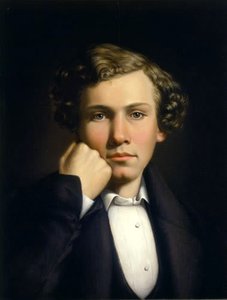
ウィリアム・タイリー・ラニー
1813 - 1857 , アメリカ合衆国
アーティスト情報
- Artistic Movement Or Style: 風俗画、ロマン主義
- Artists Or Movements Influenced By This Artist: アメリカの風俗画家
- Date Of Birth: 1813年5月9日
- Date Of Death: 1857年11月18日
- Full Name: ウィリアム・タイリー・ラニー
- Nationality: アメリカ
- Notable Artworks:
- On the Wing
- Prairie Burial
- Scouting Party
- The Retrieve
- Marion Crossing the Peedee
- Place Of Birth: アメリカ合衆国、ミドルタウン
関連記事
William Aiken Walker: A Southern Luminist's Vision of River Life & Antebellum Society
Explore the evocative paintings of William Aiken Walker, a master of Southern Luminism. Discover his poignant depictions of post-Civil War life, African American culture & antebellum landscapes. Learn about this important artist's legacy.

William Owen: A Poetic Vision of War & Landscape in British Modernism
Explore the poignant war poetry of Wilfred Owen, a key figure in British Modernism. Discover his innovative style, themes of loss & camaraderie, and lasting impact on 20th-century literature. Analysis & historical context included.

Frederick William Jackson: Capturing the American West Through Luminist Vision & Narrative Detail
Explore the captivating works of Frederick William Jackson, a pioneer of Western realism & Luminist painting. Discover his atmospheric landscapes, depictions of Native American life, and lasting legacy. Learn more at OriginalUniqueArt.

Grant Wood & American Regionalism: Identity, Myth & the Rural Landscape
Explore the world of Grant Wood & American Regionalism with OriginalUniqueArt. Discover the symbolism behind 'American Gothic', recurring themes, and the movement's lasting impact on art history. High-quality reproductions available.
William Henry Hope: Illuminating American Genre Painting Through Luminosity & Narrative
Explore the captivating landscapes & genre scenes of William Henry Hope, a pivotal Canadian artist. Discover his mastery of light, realism, and narrative in this insightful guide. Learn about collecting his work & its place in art history.