

 設置イメージを確認
 送る
送る シェア
シェア
 詳細情報
詳細情報 ガイドを表示

 画像をダウンロード
 似ている作品
 X線調査
X線調査 スライドショー
 統計情報
統計情報Scene from Macbeth


 続きを読む
続きを読む
手描き油彩複製画
当社のアーティストが、お客様のご希望のサイズと額縁に合わせて、キャンバスに手描きで制作する油彩画です。 ( プリント版に切り替え デジタル画像販売へ切り替え)




P118B ¥10

P118H ¥10

P118W ¥10

P438Z ¥10

P508JH ¥12

P508YH ¥12

P805H ¥10

P805Z ¥10

P919BZ ¥10

P919G ¥10

P919XJ ¥10

P959ZH ¥10

P968JZ ¥12

W106C ¥8

W218G ¥10

W218JH ¥8

W218Y ¥10

W307PJ ¥10

W316G ¥10

W316PJ ¥8

W316Y ¥10

W398PJ ¥8

W4111J ¥10

W500HY ¥15

W500JH ¥15

W692G ¥12

W849H ¥8

W940BG ¥15

W953PJ ¥8




作品のオリジナル比率に合わせた、当店の規定サイズからお選びください。

フレームや壁のスペースに合わせて、ご希望の幅と高さを入力してください。本作品は手描きのため、異なる比率のサイズをご希望の場合、絵画の周囲を少し広げて描くか、あるいは端を少しカットして調整することが可能です。お客様のご要望に合わせます。制作を開始する前に、仕上がりを確認するためのデジタルモックアップをお送りいたします。このページに表示されている画像は完成品の実物ではなく、あくまでモックアップによるイメージです。
ご注文後、OriginalUniqueArt.com チームより詳細な指示をお送りするとともに、仕上がりイメージ(モックアップ)をご提供いたします。


 ガラスオプションは、110cm未満のサイズでのみご利用いただけます。

Scene from Macbeth
再現技法
複製画サイズ一覧
-


合計金額
¥ 47606
A Vision Steeped in Light and Shadow
In the vast tapestry of American landscape painting, few threads are as delicately woven as those spun by William Trost Richards. While many of his contemporaries in the Hudson River School sought to capture the overwhelming grandeur and theatrical scale of the untamed wilderness, Richards turned his gaze toward a more intimate, almost scientific pursuit of truth. His masterpiece, “Scene from Macbeth,” painted circa 1850, serves as a breathtaking testament to this philosophy. It is a work that transcends mere topography, offering instead a window into a world where the boundaries between the natural landscape and human psychological drama dissolve into a singular, luminous experience.
The painting presents a hauntingly beautiful tableau, centered around three figures poised against the backdrop of a moonlit mountain range. The composition is masterfully balanced; on the left, a figure draped in a striking red robe provides a warm, visceral anchor to the scene, contrasting sharply with the two figures clad in somber black. As they gaze upward toward the heavens, the viewer is drawn into their shared moment of awe or trepidation. This arrangement does more than just depict characters; it invites us to participate in the tension of the narrative, feeling the weight of the atmosphere and the silent anticipation that hangs in the nocturnal air.
The Alchemy of Luminism and Romanticism
Technically, “Scene from Macbeth” is a triumph of light manipulation. Richards utilized a sophisticated blend of watercolor and oil to achieve what can only be described as an almost photographic clarity, yet one infused with the ethereal qualities of Luminism. Through subtle gradations of tone and color, he captures the way moonlight filters through a heavy, cloud-filled sky, casting soft shadows and creating a sense of atmospheric haze. This technique allows the mountains to recede into a dreamlike distance, while the foreground figures retain a tactile, grounded presence.
The stylistic essence of the piece lies in its duality. While Richards’ precision reflects his training under the German artist Paul Weber and his dedication to observational realism, the subject matter is deeply rooted in Romanticism. By choosing a scene inspired by Shakespeare’s most turbulent tragedy, Richards taps into the era's fascination with mythology, fate, and the psychological depths of the human soul. The dramatic sky, filled with swirling clouds that catch the lunar glow, acts as an emotional mirror to the internal conflicts inherent in the Macbeth legend, making the landscape itself a character in the drama.
An Enduring Presence for the Discerning Collector
For the art lover or the interior designer, “Scene from Macbeth” offers much more than visual beauty; it provides an emotional atmosphere. The painting possesses a profound spiritual resonance, making it an ideal centerpiece for spaces designed for contemplation and quiet sophistication. Its palette—a sophisticated interplay of deep nocturnal blues, silvery moonlight, and the singular, piercing crimson of the robe—allows it to integrate seamlessly into both classical and contemporary environments.
Owning a high-quality reproduction of this work means bringing a piece of American art history into one's personal sanctuary. It is a conversation starter that speaks of meticulous craftsmanship, literary depth, and an unwavering appreciation for the natural world. Whether placed in a library, a study, or a grand living hall, Richards’ vision continues to evoke a sense of wonder, reminding us that even in the darkest shadows, there is a light that reveals the profound mysteries of existence.
よくあるご質問
「Scene from Macbeth」は、明暗のコントラストが強い作品ですか?
「Scene from Macbeth」の明暗のコントラストはBoldと記録されています。コントラストとは、明るい部分と暗い部分がどの程度強く異なっているかを表す指標です。
ウィリアム・トロスト・リチャーズ作「Scene from Macbeth」にはどのような主題が描かれていますか?
「Scene from Macbeth」の主題はpeople, figures, moonlit sky, mountains, clouds, red robe, black clothingです。
ウィリアム・トロスト・リチャーズ作「Scene from Macbeth」 のプリントはどこで購入できますか?
ウィリアム・トロスト・リチャーズ作「Scene from Macbeth」のプリントは、こちらのファインアートプリントページから直接ご注文いただけます:コットンキャンバスまたはアーカイブ品質のキャンバスペーパーに施されたファインアートプリント
アーティストについて
ウィリアム・トロスト・リチャーズの生涯と芸術:自然への繊細な視線
1833年11月14日にフィラデルフィアで生まれたウィリアム・トロスト・リチャーズは、アメリカ風景画壇において独自の地位を確立しました。ハドソン・リバー派の画家たちに見られた劇的な表現やロマン主義的な理想に捉われることなく、彼は自然への科学的な忠実さを追求し、写真のような写実性をもって風景を描き出しました。彼の初期生活は、この独特なアプローチの基盤となりました。フィラデルフィアの中央高校で正式な教育を受けた後、1850年から1855年までドイツ人画家パウル・ウェバーのもとで修行し、装飾金属工芸家としての仕事を通じて、細密な職人技と観察力への献身を培いました。この芸術的な訓練と実践的なスキルの融合が、彼の成熟したスタイルにおける特徴となりました。彼は単に自然に対する感情を描いたのではなく、目の前にあるものを丹念に記録しようとしたのです。ヨーロッパの影響からアメリカの岸辺へ
リチャーズの芸術的旅は1853年にウィリアム・スタンリー・ハゼルトンやアレクサンダー・ローリーと共にヨーロッパへと向かいました。この時期は、詳細な風景画で知られるデュッセルドルフ派の絵画に触れる機会となり、彼の形成に大きな影響を与えました。しかし、アメリカに戻ったリチャーズは、独自の道を歩み始めました。1852年から1905年までペンシルベニア美術アカデミーで展示を行い、フィラデルフィアの芸術界で認められるようになりました。1858年には、アルバート・ビアシュタットがマサチューセッツ州ニューベッドフォードで開催した展覧会に出品し、ハドソン・リバー派の伝統と間接的に結びつきましたが、それでも彼の作品は際立っていました。他の画家たちが自然の壮大さを捉えようとする中で、リチャーズは岩石の質感、水面の光の戯れ、葉の繊細な構造など、その複雑な詳細に焦点を当てました。1862年には全米デザインアカデミーの名誉会員に選出され、1871年には正式なアカデミシャンとなり、アメリカ美術界における彼の地位を確立しました。また、彼は「真実の芸術の推進協会」というアメリカ・プレラファエリスト団体にも参加し、写実主義と詳細な観察へのコミットメントをさらに強調しました。ホワイトマウンテンと沿岸の幻想
リチャーズは、ニューハンプシャー州ホワイトマウンテンの水彩画で最もよく知られています。ヨーロッパでの滞在後、東海岸で過ごした夏に制作されたこれらの作品は、そのほとんどが臨床的な正確さを示しています。彼はロマンチックな物語を風景に押し付けることを試みず、単に地質構造、植生、大気条件の複雑な相互作用として提示しました。これらの水彩画の多くは現在メトロポリタン美術館のコレクションに収蔵されており、その永続的な芸術的価値が証明されています。キャリア後半には、リチャーズはほぼ排他的に沿岸の風景を描くようになり、特にニュージャージー州、メイン州、ロードアイランド州の海岸線に魅了されました。これらの絵画は、海の律動への深い関心を示しています—容赦なく打ち寄せる波、水面で変化する光のパターン、空の色合いの微妙なグラデーションです。1881年にロードアイランド州ジャムスタウンに家を建て、亡くなるまでそこで暮らし、彼の主要な主題となった海洋世界に完全に浸っていました。精密と観察の遺産
ウィリアム・トロスト・リチャーズは1905年11月8日にロードアイランド州ニューポートで亡くなり、細密な描写と揺るぎない写実主義への献身をもって見る人を魅了し続ける作品群を残しました。彼の影響は、より客観的なアプローチを受け入れた後世の画家たちの作品に見ることができます。ロマン主義を拒否し、事実の正確さを重視し、卓越した技術を発揮したことは、アメリカ美術史における彼独自の才能を示しました。彼は自然の理想化されたビジョンを作り出すことに関心はなく、妥協のない正直さでその本質をとらえようとしました。彼の絵画は、国立美術館、セントルイス美術館、スミソニアンアメリカンアートミュージアムなど、米国中の数多くの権威ある博物館に所蔵されており、彼の遺産が今後何世代にもわたって受け継がれることが保証されています。また、娘のアンナ・リチャーズ・ブリュースターも画家として活躍し、家族の芸術的貢献をさらに広げました。- オンラインデータベース: OriginalUniqueArt.comでリチャーズの作品をもっと発見してください。
- 詳細な情報源: Wikipediaやスミソニアンアメリカンアートアーカイブなどのリソースを通じて、彼の人生とキャリアを深く掘り下げてください。
- 影響を受けた画家たち: エンリケ・アリゴニや娘のアンナ・リチャーズ・ブリュースターなど、リチャーズの影響を受けた画家の作品を探求してください。
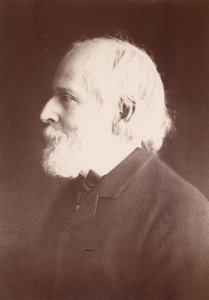
ウィリアム・トロスト・リチャーズ
1833 - 1905 , アメリカ合衆国
アーティスト情報
- Artistic Movement Or Style: ハドソン・リバー派
- Artists Or Movements Influenced By This Artist: ['アンナ・リチャーズ・ブリュースター']
- Artists Who Influenced This Artist:
- パウル・ウェーバー
- アルバート・ビアスタット
- Date Of Birth: 1833年11月14日
- Date Of Death: 1905年11月8日
- Full Name: ウィリアム・トロスト・リチャーズ
- Nationality: アメリカ人
- Notable Artworks:
- ラゴ・アヴェルヌス
- ウッディランド・ランドスケープ
- Place Of Birth (City And Country): フィラデルフィア、アメリカ合衆国
関連記事

Visionary Masterpieces: The Top 25 Artworks by William Blake
Step into the visionary world of William Blake. Explore 25 iconic Romantic masterpieces, from mystical engravings to illuminated prints. Find inspiration for your collection with museum-quality art reproductions and curated decor ideas. Discover all masterpieces on OriginalUniqueArt.com.

25 Masterpieces by William Blake: The Visionary Art of a Romantic Legend
Step into the visionary world of William Blake. Explore 25 iconic Romantic masterpieces, from his mystical illuminated prints to legendary illustrations. Find inspiration and museum-quality art reproductions for your decor. Discover all masterpieces on OriginalUniqueArt.com.

25 Masterpieces by William Blake: The Visionary Genius of the Romantic Age
Step into the visionary world of William Blake. Explore 25 iconic Romantic masterpieces, from mystical illustrations to legendary prints. Find museum-quality art reproductions and timeless decor inspiration for your collection. Discover all masterpieces on OriginalUniqueArt.com.

25 Masterpieces by William Blake: The Visionary Genius of the Romantic Age
Step into the visionary world of William Blake. Explore 25 iconic Romantic masterpieces, from mystical illuminated prints to profound mythological works. Find museum-quality art reproductions and decor inspiration for your collection. Discover all masterpieces on OriginalUniqueArt.com.
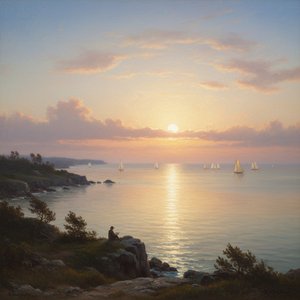
William Trost Richards: Luminism, Spirituality & the American Landscape Tradition
Explore the captivating landscapes of William Trost Richards, a master of Luminism associated with both the Hudson River School & American Pre-Raphaelite movements. Discover his spiritual connection to nature and lasting influence on American art.