

 プレビュー
プレビュー
 シェアする
シェアする シェアする
シェアする
 詳細を見る
詳細を見る

 ダウンロード
 似ている作品
 X線調査
X線調査 スライドショー
 統計情報
統計情報For Sunday's Dinner


 詳細を見る
詳細を見る
手描き油彩複製画
当社のアーティストが、お客様のご希望のサイズと額縁に合わせて、キャンバスに手描きで制作する油彩画です。 ( プリント版に切り替え デジタル画像販売へ切り替え)




P118B $10

P118H $10

P118W $10

P438Z $10

P508JH $12

P508YH $12

P805H $10

P805Z $10

P919BZ $10

P919G $10

P919XJ $10

P959ZH $10

P968JZ $12

W106C $8

W218G $10

W218JH $8

W218Y $10

W307PJ $10

W316G $10

W316PJ $8

W316Y $10

W398PJ $8

W4111J $10

W500HY $15

W500JH $15

W692G $12

W849H $8

W940BG $15

W953PJ $8




作品のオリジナル比率に合わせた、当店の規定サイズからお選びください。

特定のフレームやスペースに合わせて、ご希望のサイズをご入力いただけます。選択されたサイズが元の画像の比率と異なる場合、アートワークをトリミングするか、手描きで要素を追加して絵画を拡張いたします。デジタルモックアップ を制作し、制作開始前にご確認(承認)をいただきます。
画面上のプレビューは、実際のトリミングや拡張を正確に反映しているものではありません。最終的な構図は、モックアップによってのみ正確にご確認いただけます。
カスタムサイズもご利用いただけますが、元の比率を維持するためには、あらかじめ用意されたリストからサイズを選択することをお勧めいたします。
ご注文後、OriginalUniqueArt.com チームより詳細な指示をお送りするとともに、仕上がりイメージ(モックアップ)をご提供いたします。


 ガラスオプションは、110cm未満のサイズでのみご利用いただけます。

For Sunday's Dinner
複製技法
複製画のサイズ
-


合計金額
$ 300
William Michael Harnett: The Illusionist of Everyday Life
William Michael Harnett (1848 – 1892) stands as a singular figure in American art history, celebrated for his masterful trompe-l'œil paintings that elevate the mundane into breathtaking illusions. Born in Clonakilty, County Cork, Ireland, Harnett’s early life was marked by emigration to Philadelphia shortly after his birth, shaping him into an artist deeply rooted in both European tradition and burgeoning American realism. His formative years were spent honing skills in engraving design on table silver – a craft that instilled precision and attention to detail – alongside pursuing formal artistic training at institutions like the Pennsylvania Academy of Fine Arts and Cooper Union. This dual influence—the meticulous craftsmanship of engraving combined with the burgeoning aesthetic ideals of Impressionism—would profoundly shape Harnett’s distinctive visual language.- Early Training & Technique: Harnett’s dedication to mastering technique began with night classes at Penn and NYAD, where he absorbed influences from luminaries like Raphael Peale Jr., who pioneered tabletop still life in America. This influence is particularly evident in his early works, characterized by a painstaking rendering of texture and surface detail—a hallmark of American Realism that sought to capture the tangible world with uncompromising accuracy. Harnett’s meticulous approach extended beyond mere observation; he actively manipulated light and shadow to create convincing illusions of depth and dimensionality, mirroring techniques employed by Dutch masters during the Baroque period.
For Sunday's Dinner: A Study in Illusion
“For Sunday’s Dinner” exemplifies Harnett’s unparalleled skill as a trompe-l'œil painter—a technique that deliberately deceives the eye by presenting an image that appears to exist beyond its physical boundaries. Painted in 1888, this unsettling still life depicts a dead rooster hanging upside down from the ceiling by its feet against a dark, textured background resembling aged wood paneling. The composition is centered around the rooster, which dominates the frame with its vivid coloration contrasting sharply with the somber backdrop. Harnett’s masterful manipulation of perspective and color creates a palpable sense of unease, prompting viewers to question what they perceive as “real.”
- Composition & Color Palette: The painting employs a central and symmetrical composition, drawing immediate attention to the suspended rooster. The vertical orientation emphasizes the bird’s hanging posture. The background consists of dark wooden planks with ornate metal hinges and corner pieces, providing a sense of enclosure and adding visual interest without distracting from the main subject. Harnett utilizes a warm color palette dominated by yellows, oranges, and browns in the rooster’s plumage, juxtaposed against deep, muted browns and blacks of the background. Subtle highlights suggest light reflecting off the feathers and metal hardware—a deliberate tactic designed to heighten realism and reinforce the illusion of depth.
Symbolism & Emotional Impact
Beyond its technical brilliance, “For Sunday’s Dinner” carries significant symbolic weight. The image evokes themes of life, death, and consumption – confronting viewers with the unsettling reality that beauty can coexist alongside decay. Harnett's choice to depict a deceased animal—a common motif in Victorian art—underscores the inevitability of mortality while simultaneously referencing the ritualistic preparation for sustenance. The title itself is deliberately ironic, highlighting the juxtaposition between domestic tranquility and morbid contemplation.
- Style & Technique: Harnett’s style is rooted in American Realism, characterized by meticulous detail and a focus on everyday objects. He employed oil paint on canvas to achieve a high degree of verisimilitude—a painstaking process that involved layering thin glazes of pigment to build up tonal variations and create luminous surfaces. The artist's unwavering commitment to capturing the materiality of his subjects—the rough texture of wood grain, the metallic sheen of hinges—is testament to Harnett’s profound understanding of artistic principles and his desire to engage viewers on a visceral level.
Historical Context & Legacy
Harnett's work emerged during a period of significant cultural change in America, as Impressionism gained traction alongside the rise of industrialization and urbanization. Unlike many artists of his time who sought to glorify heroic narratives or idealized landscapes, Harnett turned his gaze inward—focusing on seemingly insignificant objects and scenes—to explore profound philosophical questions about existence and perception. His enduring influence can be seen in subsequent generations of American painters who embraced trompe-l'œil as a means of challenging conventional notions of representation and inviting viewers to actively participate in the artistic experience.
- Further Research: Harnett’s fascination with illusion extended beyond painting into other mediums, including engraving design on table silver—a craft that instilled precision and attention to detail. Explore William Michael Harnett’s stunning trompe-l'œil still lifes of everyday objects – a unique American style inspired by Dutch masters. Discover his legacy! For Sunday's Dinner

Additional Resources
Explore William Michael Harnett’s artistic journey through biographical accounts and critical analyses—illuminating the intellectual currents that shaped his vision and solidified his place as a pivotal figure in American art history.
アーティストの略歴
ウィリアム・マイケル・ハーネット:日常に潜む錯覚の魔術師
ウィリアム・マイケル・ハーネット(1848–1892)は、アメリカ美術史において類まれな存在感を放つ画家です。彼は、ありふれた日常の品々を息を呑むような錯覚へと昇華させる、卓越した「トロンプ・ルイユ(だまし絵)」の技法によって称えられてきました。アイルランドのコーク州クロナキルティに生まれたハーネットは、誕生後まもなくフィラデルフィアへと移住しました。この背景が、ヨーロッパの伝統と、当時芽生えつつあったアメリカ的リアリズムの両方に深く根ざした芸術家としての彼を形作ったのです。修業時代には、銀食器への彫金デザインの技術を磨きました。この職人としての経験が、彼の作品に不可欠な精密さと細部への執着を植え付けることとなりました。同時に、ペンシルベニア・アカデミー・オブ・ファイン・アーツやクーパー・ユニオンといった名門校で、正統な芸術教育も受けていたのです。- 初期の研鑽と技法:ハーネットの技術への献身は、ペンシルベニア大学やNYADでの夜間クラスから始まりました。そこで彼は、アメリカにおける卓上静物画の先駆者であるラファエル・ピール・ジュニアといった巨匠たちの影響を吸収していきました。その影響は、当時のアカデミックな慣習から意図的に脱却しようとした、ハーネット独自のスタイルの中に鮮明に見て取ることができます。
- トロンプ・ルイユのヴィジョン:ハーネットの画業における決定的な転換点は、17世紀オランダの巨匠ピーテル・クラエスらに由来する「トロンプ・ルイユ」という技法を受け入れたことでした。正確な描写を目指す伝統的な絵画とは異なり、だまし絵は見る者の目を欺き、平らな画面の中に奥行きと立体感という錯覚を生み出すことを目的としています。ハーネットは遠近法、陰影、そして質感を見事に操り、この驚異的な偉業を成し遂げました。
代表作と芸術的スタイル
ハーネットの作品群を特徴づけているのは、パイプ、新聞、煙草入れ、バイオリン、リンゴ、ワインボトルといった、ごくありふれた物体への揺るぎない眼差しです。それらは、まるで幻覚を見ているかと思うほど、並外れたリアリズムをもって提示されます。彼の絵画は単なる写実的な描写にとどまりません。それは、見る者を視覚的なパズルへと誘う招待状なのです。例えば、狩猟道具や獲物の死骸を描いた4枚の連作「狩りのあと(After the Hunt)」を考えてみてください。ハーネットの緻密な描写は、質感や光のあらゆるニュアンスを捉え、だまし絵という技法の限界を逆手に取ることで、その衝撃を増幅させています。これらの作品における「浅い空間」の構成は極めて重要です。鑑賞者がわずかに動くだけで錯覚が崩れてしまうその構造こそが、視覚的知覚を操るハーネットの天才性を際立たせているのです。- 「狩りのあと」シリーズ:この連作はハーネットの技法を完璧に体現しており、限られた空間の中にいかにして説得力のある奥行きの錯覚を作り出すかという、光学的な仕掛けを見事に示しています。
- 繰り返される主題:作品に繰り返し登場するモチーフには、楽器(特にバイオリン)、煙草入れ、そして細心の注意を払って配置された果物などがあります。これらの題材は、芸術家自身の個人的な関心と、美術史における先例への広範な敬意の両方を物語っています。
評価と遺産
ハーネットの作品は、生前すでに多大な称賛を浴びており、現代の観衆をも惹きつけ続けています。オールブライト・ノックス美術館、アメリカ自然史博物館、メトロポリタン美術館といった名だたる美術館が彼の絵画を誇りを持って展示しており、そのヴィジョンが世代を超えて受け継がれることを確かなものにしています。ハーネットの影響は、単なる様式の模倣にとどまりません。彼は、表面的な正確さよりも錯覚的な奥行きを優先させるという、リアリズムへの新しいアプローチを提唱したのです。彼の遺志は、彼を追った芸術家たちの作品の中に刻まれています。特にジェファーソン・デイヴィッド・チャルファントのトロンプ・ルイユ技法は、ハーネットの先駆的なヴィジョンに多大な恩恵を受けています。さらなる探求のために
ウィリアム・マイケル・ハーネットの芸術的な旅路をより深く掘り下げ、その魅惑的な絵画を探索するには、OriginalUniqueArt.comを訪れて彼の生涯と作品群に関する詳細な情報を確認してください。また、ミュンヘンのレジデンツやフィラデルフィア美術館などのコレクションを探索し、ハーネットの芸術を直接体験することも検討してみてください。
ウィリアム・マイケル・ハーネット
1848 - 1892 , アイルランド
基本情報
- Artistic Movement Or Style: トロンプ・ルイユ(だまし絵)
- Artists Or Movements Influenced By This Artist: ['アメリカン・リアリズム']
- Artists Who Influenced This Artist:
- ラファエル・ピール
- ピーテル・クラース
- Date Of Birth: 1848年8月10日
- Date Of Death: 1892年
- Full Name: ウィリアム・マイケル・ハーネット
- Nationality: アイルランド系アメリカ人
- Notable Artworks:
- 狩りの後
- 古いバイオリン
- 音楽と幸運
- Place Of Birth: アイルランド、クロナクリティ
関連記事

American Realism's Defining Works: 10 Masterpieces for Your Home
Explore 10 defining American Realism masterpieces – Hopper, Homer & more. Discover the stories behind these iconic paintings and bring timeless art to your home with OriginalUniqueArt's museum-quality reproductions. Explore the full collection online.
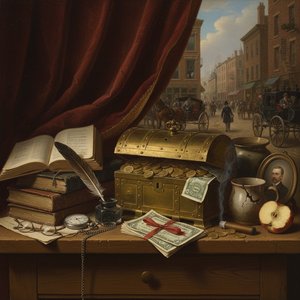
William Michael Harnett: Still Life, Realism & the American Pursuit of Materiality
Explore the captivating still lifes of William Michael Harnett, a master of American realism and trompe l'oeil painting. Discover his technique, legacy & the cultural context behind his iconic works.
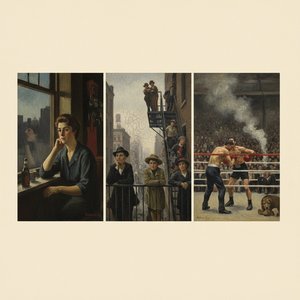
American Realism: Social Commentary & Artistic Representation in Early 20th-Century Painting
Explore the powerful social commentary & artistic representation of American Realism. Discover key artists like Bellows & Sloan, and understand the movement's lasting impact on 20th-century art history.

The Unvarnished Truth: A Cultural Journey Through the Soul of American Realism
Explore the profound beauty of American Realism. From the Ashcan School's urban grit to intimate portraits, discover how artists captured the authentic soul of a nation through unvarnished truth and masterful observation.
American Realism: Capturing the Raw Soul of a Nation Through the Lens of Art History
Explore the profound depth of American Realism. From the gritty Ashcan School to poignant social landscapes, discover how masters captured the raw soul of a nation through evocative oil paintings and timeless art history.