
 設置イメージを確認
 送る
送る シェア
シェア
 詳細情報
詳細情報 ガイドを表示

 画像をダウンロード
 似ている作品
 X線調査
X線調査 スライドショー
 統計情報
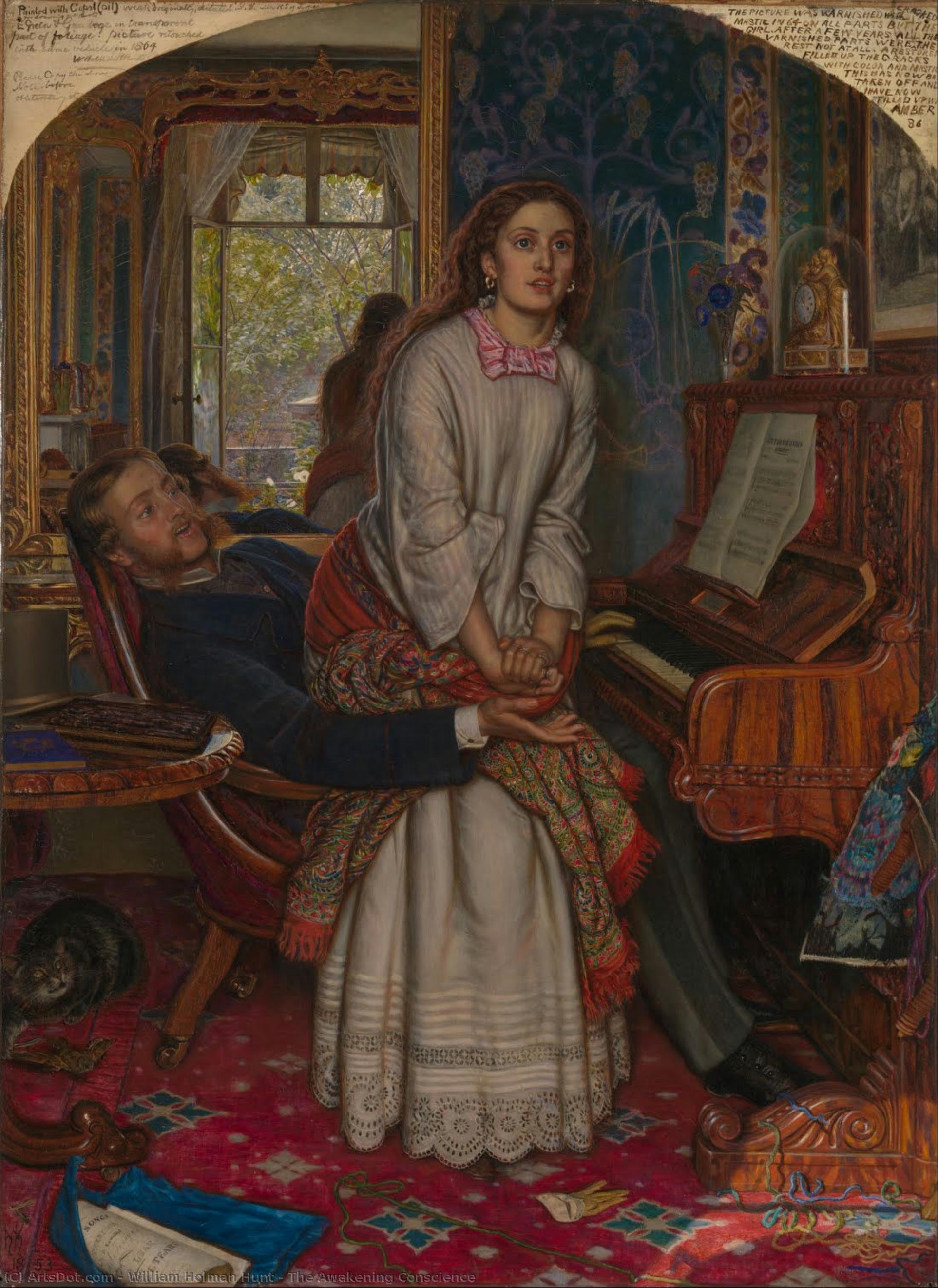
統計情報The Awakening Conscience
 Oil On Canvas
- WallArt
- Pre-Raphaelite Brotherhood
 1853
1853 55.0 x 76.0 cm
 テート・ブリテン
 続きを読む
続きを読む
ジークレー/アートプリント
スピーディーな制作と多彩な仕上げオプションが魅力の、ミュージアムクオリティなジークレー・キャンバスプリント。 ( 手描きの複製画を注文する デジタル画像販売へ切り替え)




P118B ¥10

P118H ¥10

P118W ¥10

P438Z ¥10

P508JH ¥12

P508YH ¥12

P805H ¥10

P805Z ¥10

P919BZ ¥10

P919G ¥10

P919XJ ¥10

P959ZH ¥10

P968JZ ¥12

W106C ¥8

W218G ¥10

W218JH ¥8

W218Y ¥10

W307PJ ¥10

W316G ¥10

W316PJ ¥8

W316Y ¥10

W398PJ ¥8

W4111J ¥10

W500HY ¥15

W500JH ¥15

W692G ¥12

W849H ¥8

W940BG ¥15

W953PJ ¥8




作品のオリジナル比率に合わせた、当店の規定サイズからお選びください。

額縁や壁のスペースに合わせて、ご希望の幅と高さを入力してください。プリントはカットすることは可能ですが、元の画像より大きくすることはできないため、異なる比率のサイズを選択された場合は、画像の一部が欠けることになります。印刷を開始する前に、内容を確認していただくためのデジタルモックアップをお送りいたします。このページに表示されている画像は、実際のカット後の状態を示すものではありません。実際の仕上がりはモックアップにてご確認ください。


 ガラスオプションは、110cm未満のサイズでのみご利用いただけます。

The Awakening Conscience
ジークレー/アートプリント
複製画サイズ一覧
-


合計金額
¥ 12591
The Awakening Conscience: A Victorian Portrait of Moral Reckoning
William Holman Hunt’s “The Awakening Conscience,” painted in 1853, isn't merely a depiction of a clandestine rendezvous; it’s a meticulously crafted tableau of moral crisis and spiritual awakening, a profound exploration of Victorian sensibilities. This oil-on-canvas masterpiece transcends the conventions of portraiture, offering a window into the anxieties and aspirations of a society grappling with rapid social change and burgeoning religious introspection. Hunt, a founding member of the Pre-Raphaelite Brotherhood, deliberately eschewed the polished idealism of academic art, instead embracing a radical commitment to realism, symbolism, and emotional truth – qualities powerfully evident in this arresting work.
A Scene of Disquiet: Narrative and Composition
At first glance, the painting presents a seemingly straightforward domestic scene: a woman, identified as a fallen woman, sits in the lap of her lover within a lavishly furnished room. However, Hunt’s genius lies in layering multiple narratives and symbolic elements that quickly unravel this initial impression. The setting itself—a recently decorated apartment filled with new furniture, an elaborate tapestry, and gleaming objects—immediately signals a disruption of established order and a transgression against Victorian ideals of domesticity. The woman's posture, initially relaxed, subtly shifts as she turns her head towards the window, drawing the viewer’s eye to the stark contrast between the interior world of temptation and the promise of redemption represented by the vibrant spring garden visible beyond.
- The Lover: Represents worldly indulgence and a source of moral corruption.
- The Woman: Embodies vulnerability, regret, and the potential for spiritual rebirth.
- The Room: Symbolizes the artificiality and superficiality of a life lived outside of genuine faith.
- The Window: Represents an escape from earthly constraints and a pathway to moral awakening.
Symbolism Woven into Reality: Details of Moral Weight
Hunt’s meticulous attention to detail is paramount, imbuing the painting with layers of symbolic meaning. The discarded items scattered around the room—a broken glove, a top hat, a partially finished tapestry—speak volumes about wasted opportunities and shattered dreams. The clock concealed beneath glass serves as a potent reminder of time slipping away, while the music on the piano – Thomas Moore’s “Oft in the Stilly Night” – echoes the woman's lost innocence and longing for a simpler past. The presence of various objects—bells, marigolds, and a star—further reinforces the painting’s moral weight, suggesting both warning and hope. Notably, the mirror reflects not just the room but also the garden outside, emphasizing the allure of a life beyond earthly constraints.
Pre-Raphaelite Vision: Light, Color, and Emotional Resonance
“The Awakening Conscience” is a quintessential example of Pre-Raphaelite aesthetics. Hunt employed rich, saturated colors—deep indigoes, vibrant reds, and luminous greens—to create an intensely atmospheric effect. The use of light is particularly significant; it streams dramatically through the window, illuminating the woman’s face and casting long shadows across the room, highlighting the contrast between darkness and enlightenment. The painting's meticulous detail, achieved through painstaking brushwork and a commitment to naturalistic representation, reflects the Pre-Raphaelites’ desire to capture the beauty and complexity of the world with unprecedented accuracy. The overall effect is one of heightened emotional intensity, inviting viewers to contemplate the profound questions of morality, redemption, and the human condition.
This painting continues to resonate today as a powerful meditation on personal responsibility, spiritual yearning, and the enduring struggle between earthly desires and moral conscience. Reproductions offer a remarkable opportunity to experience the depth and complexity of Hunt’s vision, bringing this poignant portrait into any space with an appreciation for art's ability to provoke thought and inspire reflection.
よくあるご質問
「The Awakening Conscience」は、ウィリアム・ホルマン・ハントの制作活動におけるどの時期の作品にあたりますか?
「The Awakening Conscience」は、ウィリアム・ホルマン・ハントのキャリアにおけるMature Periodに属します。この分類は、作品をアーティストの画業の変遷に関連付けるものです。
ウィリアム・ホルマン・ハント作「The Awakening Conscience」にはどのような技法が用いられていますか?
ウィリアム・ホルマン・ハント作「The Awakening Conscience」の技法はOil On Canvasです。複製画は、この技法の質感や風合いを再現することを目指しています。
ウィリアム・ホルマン・ハント作「The Awakening Conscience」は、どのような感情を伝えていますか?
ウィリアム・ホルマン・ハント作「The Awakening Conscience」は、Melancholicな情緒を伝えています。
アーティストについて
生誕と初期の探求
ウィリアム・ホルマン・ハントは、1827年4月2日にロンドンのチープサイドで生まれました。単なる画家というよりも、彼は深い信念をキャンバスに翻訳した哲学的かつ精神的な探求者でした。彼の幼少期は、父親の倉庫事業という賑やかな商業世界に根ざしていましたが、最終的には期待に反する芸術的才能が芽生えていました。当初、父親と同じキャリアに進む運命にあったハントでしたが、密かにスケッチを始め、その後、苦労を経て王立美術学校で正式な訓練を受けました。しかし、この見習いの期間は制限されることが証明されました。彼は、当時の主流の学術的な慣習を超越した芸術表現を切望し、それがすぐに彼を革命的な変化へと導くことになります。彼は、同時代の芸術の人工性に不満を感じ、ラファエル以前の巨匠に見られる誠実さと細部への回帰を求めました。この感情は、プレ・ラファエライト兄弟会の形成の中心となりました。ハントの旅は単なる美学の問題ではなく、視覚的な表現における真実、道徳、精神的な共鳴を探求する探求でした。革命的兄弟会の誕生
1848年、ダンテ・ガブリエル・ロセッティとジョン・エヴェレット・ミレイと共に、ハントはプレ・ラファエライト兄弟会(PRB)を設立しました。この集団は単なる芸術運動ではなく、ラファエル以降の芸術の衰退と見なしていたものに対する反乱でした。PRBは、高ルネサンスの理想が台頭する前に特徴づけられた初期イタリア絵画に見られる細部へのこだわり、鮮やかな色彩、誠実な主題への回帰を提唱しました。ハントはこの哲学への献身をキャリアを通じて揺るぎなく維持しました。1851年に描かれた初期作品『雇い人の羊飼い』は、この献身の典型です。絵画の細部にわたる写実性—羊の毛の質感から一本一本の草に至るまで—は革命的でした。それは単なる田舎の生活の描写ではありませんでした。それは自然を正確に観察することによって道徳と象徴的な意味を伝える試みでした。『覚醒する良心』もこの時期のものであり、ハントの強烈な写実主義と心理的な深みと道徳的重みを固めました。これらの絵画は視覚的に印象的であるだけでなく、芸術が真実と精神的な目覚めの手段であるというアーティストの信念を表明するものでした。兄弟会は確立された芸術制作の規範に挑戦し、公式的な学術的な絵画を拒否して、より直接的で正直な世界との関わりを求めました。信仰の巡礼と象徴的な深み
ハントの芸術的旅は、1850年代から60年代にかけて聖地への旅行という並外れた転換点を迎えました。歴史的および地形的な正確さへの欲求に駆り立てられた彼は、パレスチナとシリアへの巡礼に出発し、風景、衣装、習慣を細心の注意を払って記録しました。この献身は彼の後の作品に深く影響を与え、比類のない写実性と精神的な共鳴を与えました。この時期に描かれた『死の影』は強力な例です。絵画は、キリストの犠牲の場面を視覚的に印象的かつ象徴的に表現し、ハントの深い宗教的信念を反映しています。おそらく彼の最も象徴的な作品である『光の世界』は、1851年に始まり1853年に完成しました。心を開く者に救いを提供するキリストの姿を描いたこの絵画は非常に人気があり、ビクトリア朝時代の最も認識できる宗教絵画の一つとなっています。ハントの献身は単なる表現を超えていました。彼は作品に象徴的な意味を込めようとし、聖書のテキスト、中世の寓話、そして現代社会への批判を取り入れました。彼は芸術には道徳的な目的があり—人々を高揚させ、刺激し、精神的な啓発へと導くべきだと信じていました。永続する遺産と晩年
晩年にも視力の低下に直面したハントは—細部へのこだわりを大切にする画家にとって壊滅的な打撃でしたが—彼は芸術を作り続けました。多くの場合、助手のエドワード・ロバート・ヒューズの助けを借りていました。彼は1905年に自伝を発表し、彼の芸術的哲学と個人的な生活に関する貴重な洞察を提供しました。その献身はエドワード7世国王から功績勲章を受賞することで認められました。ハントの私生活は喜びと悲しみで特徴づけられていました。彼は2度結婚しました。最初の妻はファニー・ウォーであり、彼女は何枚かの作品のモデルを務めました。その後、英国法における死没した妻の姉妹との結婚に関する法的複雑さを経て、彼女の妹エディスと結婚しました。1910年9月7日に亡くなり、彼のイギリス芸術および文化への重要な貢献を称えて聖パウロ大聖堂に埋葬されました。ウィリアム・ホルマン・ハントの遺産は彼の絵画の美しさにとどまりません。彼は写実主義、象徴主義、精神的な深みを提唱し、ビクトリア朝芸術に革命をもたらし、世代を超えてアーティストや鑑賞者に消えない足跡を残しました。彼の作品は今も畏敬と熟考を呼び起こし、芸術が人間の状態を照らし、信仰の謎を探求する力があることを思い出させてくれます。主な影響とテーマ
- 影響: ジョン・ラスキンの芸術と道徳に関する著作; ラファエル以前の初期イタリア・ルネサンス絵画; 聖書のテキストと中世の寓話。
- 主要なテーマ: 宗教的信仰、道徳的な目覚め、自然の美しさ、社会批判、象徴主義。ハントは一貫して彼の作品の中で贖い、犠牲、精神的な真実の探求というテーマを探求しました。
- 重要な日付: 1827年4月2日: ロンドンのチープサイドで生まれる; 1851-1853年: 『光の世界』を描く; 1910年9月7日: ロンドンの聖パウロ大聖堂で亡くなる。

ウィリアム・ホルマン・ハント
1827 - 1910 , イギリス
アーティスト情報
- Artistic Movement Or Style: プレラファエライト運動
- Artists Or Movements Influenced By This Artist: プレラファエライト兄弟団
- Artists Who Influenced This Artist:
- ジョン・ラスキン
- 初期イタリア絵画
- Date Of Birth: 1827年4月2日
- Date Of Death: 1910年9月7日
- Full Name: ウィリアム・ホルマン・ハント
- Nationality: イギリス人
- Notable Artworks (List Of Titles):
- 「光の世界」
- 「良心の目覚め」
- 「羊飼い」
- Place Of Birth (City And Country): イギリス、ロンドン
関連記事

ダンテ・ガブリエル・ロセッティ傑作25選:美と象徴が織りなす芸術の世界 | OriginalUniqueArt
ダンテ・ガブリエル・ロセッティの傑作25選。プレラファエライトの象徴主義、美しい女性画の世界へ。油絵やアートプリントで、リビングや寝室を彩るインテリアアートを見つけましょう。OriginalUniqueArt.comで名画コレクションを探索。

Sir John Everett Millais: Pre-Raphaelite Rebellion & Victorian Narrative Detail
Explore the revolutionary art of Sir John Everett Millais & the Pre-Raphaelite Brotherhood. Discover their radical realism, symbolic narratives, and lasting impact on Victorian aesthetics. A deep dive into 19th-century masterpieces.
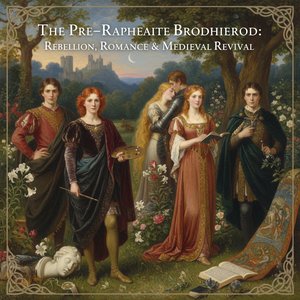
The Pre-Raphaelite Brotherhood: Rebellion, Romance & Medieval Revival
Explore the captivating world of the Pre-Raphaelite Brotherhood! Discover their rebellious spirit, iconic masterpieces & lasting influence on art history. Learn about Rossetti, Millais & more.
The Pre-Raphaelite Brotherhood: Reclaiming Beauty, Nature, and Truth in Victorian Art History
Explore the revolutionary Pre-Raphaelite Brotherhood. Discover how these visionary artists rejected academic tradition to reclaim beauty, nature, and truth through luminous detail and literary depth in Victorian art history.

Pre-Raphaelite Romanticism: A Guide to Vivid Detail and Medieval Beauty in Victorian Art
Explore the vivid detail and medieval beauty of Pre-Raphaelite Romanticism. Discover the history of masters like Rossetti and Millais through our expert guide to Victorian art, perfect for collectors and professionals seeking authentic, museum-quality reproductions.

