プレビュー
プレビュー
 シェアする
シェアする シェアする
シェアする
 詳細を見る
詳細を見る

 ダウンロード
 似ている作品
 X線調査
X線調査 スライドショー
 統計情報
統計情報リチャード三世役のデヴィッド・ギャリック
 キャンバスにアクリル絵具
- ウォールアート
- バロック
 1745
1745- ルネサンス
 2508.0 x 1905.0 cm
 ウォーカー・アート・ギャラリー
 詳細を見る
詳細を見る
ジークレー/アートプリント
迅速な制作と多彩な仕上げオプションを備えた、ミュージアムクオリティのジークレーまたはキャンバスプリント。 ( 手描きの絵画を購入 デジタル画像販売へ切り替え)




P118B $10

P118H $10

P118W $10

P438Z $10

P508JH $12

P508YH $12

P805H $10

P805Z $10

P919BZ $10

P919G $10

P919XJ $10

P959ZH $10

P968JZ $12

W106C $8

W218G $10

W218JH $8

W218Y $10

W307PJ $10

W316G $10

W316PJ $8

W316Y $10

W398PJ $8

W4111J $10

W500HY $15

W500JH $15

W692G $12

W849H $8

W940BG $15

W953PJ $8




作品のオリジナル比率に合わせた、当店の規定サイズからお選びください。

特定のフレームやスペースに合わせて、ご自身でサイズを指定することも可能です。選択されたサイズが元の画像の比率と一致しない場合、作品をトリミングするか、鏡面反射または単色での塗りつぶしによって画像を拡張いたします。制作を開始する前に、ご確認用のデジタルモックアップをお送りいたします。
画面上のプレビューには、実際のトリミングや拡張は反映されませんのでご注意ください。最終的な構図を正確に確認できるのは、モックアップのみとなります。
カスタムサイズも承っておりますが、元の比率を維持するためには、あらかじめ用意されたリストからサイズを選択することをお勧めいたします。


 ガラスオプションは、110cm未満のサイズでのみご利用いただけます。

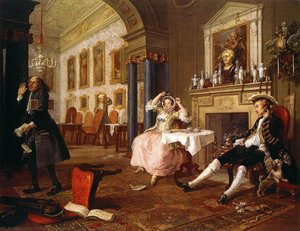
リチャード三世役のデヴィッド・ギャリック
ジークレー/アートプリント
複製画のサイズ
-


合計金額
$ 80
リチャード三世役のデヴィッド・ギャリック:演劇的肖像画の金字塔
1745年に完成したウィリアム・ホガースの傑作「リチャード三世役のデヴィッド・ギャリック」は、演劇肖像画における不朽の達成として君臨しています。それは芸術的な革新性と、画家自身が時代を鋭く洞察していたことの証でもあります。単に名高い俳優を描いたという枠を超え、このキャンバスに描かれた油彩の傑作は、野心、裏切り、そして心理的な苦悶というテーマを深く掘り下げています。イギリス・バロック美術の正典としての地位を確立し、リヴァプールのウォーカー・アート・ギャラリーにおいて極めて重要な位置を占める作品です。- アーティスト: ウィリアmm・ホガース (1697 – 1764)
- 出生地: ロンドン
- 出身国: イギリス
- 技法: 油彩、キャンバス
- サイズ: 2508 x 1905 cm
- 所蔵場所: ウォーカー・アート・ギャラリー(リヴァプール)
友情と宣伝から生まれた共作
「リチャード三世役のデヴィッド・ギャリック」の誕生には、ホガースと、象徴的な役柄の解釈で観客を魅了した名優デヴィッド・ギャリックとの驚くべきパートナーシップがありました。ホガースはギャリックの急速に高まる名声を見抜き、この繋がりを巧みに利用して自身の芸術的評価を高めようとしました。つまり、この肖像画は極めて鋭いプロモーション活動でもあったのです。これは単にギャリックの容貌を捉えることだけが目的ではありませんでした。シェイクスピアが描いた、苦悩に満ちた悪役の本質――その演劇的なペルソナそのものを伝えることを目指したドラマチックな試みだったのです。構図と象徴:戦いの前の悪夢を捉える
この絵画の構図は細部まで緻密に練り上げられており、感情的なインパクトを高めるための象徴的な要素に満ちています。舞台はボズワースの戦いの直前、リチャード三世がヘンリー8世に決定的な敗北を喫することとなるボズワースの野にある天幕の中です。ホガースはギャリックの心理状態を見事に捉えています。「灯火が青く燃えている! まだ真夜中ではないのか? 震える肌には、冷たく恐ろしい汗の滴が……」。この情緒的な描写は、迫りくる戦いに対する不安と脆弱性を強調し、登場人物の焦燥を映し出しています。また、彼の兜の下には、くしゃくしゃになった手紙が置かれています。これは、リチャード三世というキャラクターに付きまとう裏切りの予兆を、痛烈に思い出させるものです。芸術的技法と視覚的なドラマ
ホガースは、質感と奥行きを表現するために熟練した筆致を用い、色彩を巧みに融合させることで、肌で感じられるような劇的な空気感を作り上げました。左右に開かれた赤いカーテンは、ギャリックが舞台上にいることを示しており、肖像画の演劇的な文脈を強調するための意図的な仕掛けです。さらに、二匹の犬と一羽の鳥の存在が視覚的な興味の層を重ね、場面の物語的な複雑さを豊かにしています。これらの要素は、作品に臨場感を与え、権力、欺瞞、そして運命というテーマへの深い思索へと観る者を誘います。受け継がれる遺産と現代における意義
「リチャード三世役のデヴィッド・ギャリック」は、歴史的なリアリズムと心理的なドラマが見事に融合した、イギリス・バロック美術の永続的な象徴であり続けています。その影響は後世の演劇肖像画にも見て取ることができ、今日においてもアーティストたちにインスピレーションを与え続けています。芸術的なインスピレーションを求める方や、高品質な複製画を検討されている方にとって、ウォーカー・アート・ギャラリーはこの傑作に触れることができる比類なき場所です。「リチャード三世役のデヴィッド・ギャリック」とともに、ホガースの芸術的技量のもう一つの素晴らしい例であるギブソンの「着色されたヴィーナス」もぜひ探求してみてください。コレクターや愛好家のために、OriginalUniqueArtにて公開されています。アーティストの略歴
A London Life in Ink and Paint: The World of William Hogarth
William Hogarth, born into the bustling heart of 18th-century London in 1697, was more than just an artist; he was a visual historian, a keen observer of human nature, and a satirical commentator on the societal currents of his age. His life story is inextricably linked to the very fabric of England during a period of significant transformation – its burgeoning ambitions, underlying anxieties, and pervasive hypocrisies all finding potent expression in his remarkably detailed and often biting works. The son of a struggling Latin schoolmaster, Hogarth’s early experiences instilled within him both a love for learning and a sharp awareness of social inequalities, a foundation that would prove crucial to shaping his artistic vision. Initially apprenticed to an engraver, he quickly demonstrated a talent extending beyond mere technical skill; he possessed an innate ability to observe the nuances of human behavior and translate them into compelling visual narratives. However, he chafed against the constraints of traditional engraving, seeking a more expressive outlet for his burgeoning creativity. This led him to studies at both St Martin’s Lane Academy and under Sir James Thornhill, where he honed his skills in painting and composition, absorbing influences that would later inform his unique style.The Birth of Modern Moral Subjects
Hogarth's true innovation lay not simply *what* he painted, but *how*. He pioneered what he termed “modern moral subjects” – series of pictures designed to tell a story, often imbued with a strong satirical edge. These weren’t isolated portraits or landscapes; they were visual novels unfolding before the viewer’s eyes, offering pointed commentary on contemporary society. A Harlot's Progress, created in 1742, stands as perhaps his most famous example. This series of six paintings meticulously follows the tragic downfall of Mary, a young woman arriving in London full of hope but quickly succumbing to the temptations and dangers of city life. Each scene is rendered with painstaking detail, filled with symbolic elements that reveal the moral decay surrounding her. The figures are portrayed with unflinching realism, capturing every gesture and expression with remarkable accuracy—a deliberate departure from idealized depictions prevalent at the time. Similarly, A Rake's Progress, begun in 1733, charts the reckless decline of Tom Rakewell, a man who squanders his inheritance on gambling, debauchery, and ultimately, madness. These weren’t merely cautionary tales; they were unflinching portraits of a society grappling with issues of class, morality, and social mobility. Hogarth's genius resided in his ability to elevate everyday scenes – the bustling streets of London, the opulent interiors of the wealthy, the squalid lives of the poor – into works of art that resonated deeply with his audience. He didn’t shy away from depicting the harsh realities of life, presenting them with a blend of humor and pathos that forced viewers to confront uncomfortable truths about themselves and their society.Technique and Influences: A Synthesis of Styles
Hogarth's artistic style was a unique amalgamation of diverse influences. He greatly admired the realism and narrative detail found in the works of Dutch genre painters like Pieter de Hooch, evident in his meticulous depictions of interiors and everyday life. The expressive dynamism of Rembrandt’s portraits also captivated him—a testament to his ability to convey emotion through subtle shading and composition. Furthermore, Hogarth was profoundly impacted by the writings of Jonathan Swift and Henry Fielding, whose satirical wit served as inspiration for his own social observations. He believed that art should not merely be beautiful but should also serve a moral purpose, challenging viewers to think critically about the world around them and their place within it. His technique was characterized by a masterful use of line and shading, particularly evident in his engravings. He employed a distinctive cross-hatching technique—a painstaking process of intersecting lines—that created depth and texture, bringing his scenes to life with remarkable clarity. This method allowed him to capture the nuances of light and shadow, conveying atmosphere and emotion with unparalleled precision. Beyond visual art, Hogarth’s intellectual curiosity extended into various fields, fostering a broader understanding of human psychology and social dynamics.Major Achievements and Legacy
Hogarth achieved considerable renown during his lifetime for his groundbreaking series of paintings and engravings—most notably *A Harlot's Progress* and *A Rake's Progress*. These works established him as a pioneer of “modern moral subjects,” transforming the genre of visual storytelling and influencing generations of artists to come. His unflinching portrayal of social ills—corruption, poverty, hypocrisy—challenged prevailing societal norms and provoked considerable debate among intellectuals and critics alike. He is widely regarded as one of the most important figures in British art history, celebrated for his innovative style, his masterful technique, and his enduring contribution to the visual arts. As Charles Lamb famously remarked, Hogarth’s images were “like books to be read rather than merely looked at”—a testament to their narrative power and intellectual depth. His legacy continues to inspire artists today who strive to engage audiences with thought-provoking stories that illuminate both beauty and truth. He demonstrated that art could serve as a catalyst for social reform, prompting viewers to confront uncomfortable realities and fostering a deeper appreciation for human dignity.Historical Significance: Reflecting the Enlightenment
Hogarth’s artistic output embodies the spirit of the Enlightenment—a period characterized by intellectual curiosity, rational inquiry, and a commitment to humanist values. He rejected idealized representations of virtue and beauty, favoring instead unflinching depictions of human flaws and failings. This bold stance reflected the broader cultural shift toward questioning traditional authority and embracing empirical observation—a hallmark of the era’s philosophical advancements. By confronting viewers with uncomfortable truths about society, Hogarth challenged them to engage in critical reflection and strive for moral improvement—values that resonated deeply with Enlightenment thinkers and contributed to shaping the intellectual landscape of his time. His work stands as a powerful reminder that art can serve as a vehicle for social commentary and inspire transformative change—a legacy that continues to endure centuries after his death.
ウィリアム・ホガース
1697 - 1764 , イギリス
基本情報
- Artistic Movement Or Style: 諷刺、写実主義
- Artists Or Movements Influenced By This Artist: ['ジェイムズ・ギルレイ']
- Artists Who Influenced This Artist:
- ピエートル・デ・フーク
- ジョナサン・スウィフト
- Date Of Birth: 1697年
- Date Of Death: 1764年
- Full Name: William Hogarth
- Nationality: イギリス人
- Notable Artworks:
- ヘイラートの進行記
- ラースペルスの進行記
- 結婚式
- Place Of Birth: ロンドン、イギリス
関連記事

バロック美術を極めた至宝:時代を彩る10大名作の世界
バロック美術の華!カラヴァッジョ、ベルニーニら巨匠が創り上げた10大名作を徹底解剖。ドラマチックな色彩と豪華絢爛の世界観に触れ、至宝のアートプリントで空間を彩ろう。OriginalUniqueArt.comで美術館品質の複製と洗練されたインテリアを見つけましょう!

The Visceral Stage: Exploring Dramatic Narratives & Emotional Intensity in Baroque Art
Explore the dramatic world of Baroque art! Discover iconic masters like Caravaggio & Rembrandt, their techniques, and the movement's lasting impact. Expert insights for collectors & enthusiasts at OriginalUniqueArt.

Theatricality & Triumph: Baroque Drama in Painting & Sculpture
Explore the dramatic world of Baroque art! Discover its history, defining characteristics, & lasting influence on painting & sculpture. Expert insights into Caravaggio, Zurbarán, and Bernini – plus high-quality reproductions at OriginalUniqueArt.

バロックのドラマ:現代のインテリアに壮麗さと情感を取り込む
バロック様式の歴史、絵画、家具の魅力をご紹介。OriginalUniqueArtでは、高品質な油絵複製やカスタムポートレートをご提供し、現代のインテリアに壮麗さと情感を取り入れます。アートコンサルテーションも承ります。

The Dramatic Flourish: Exploring the Baroque Movement's Enduring Legacy in Art History
Explore the dramatic world of Baroque art! Discover iconic artists like Caravaggio & Rubens, defining techniques, and its lasting impact on art history. Expert insights for collectors & enthusiasts at OriginalUniqueArt.